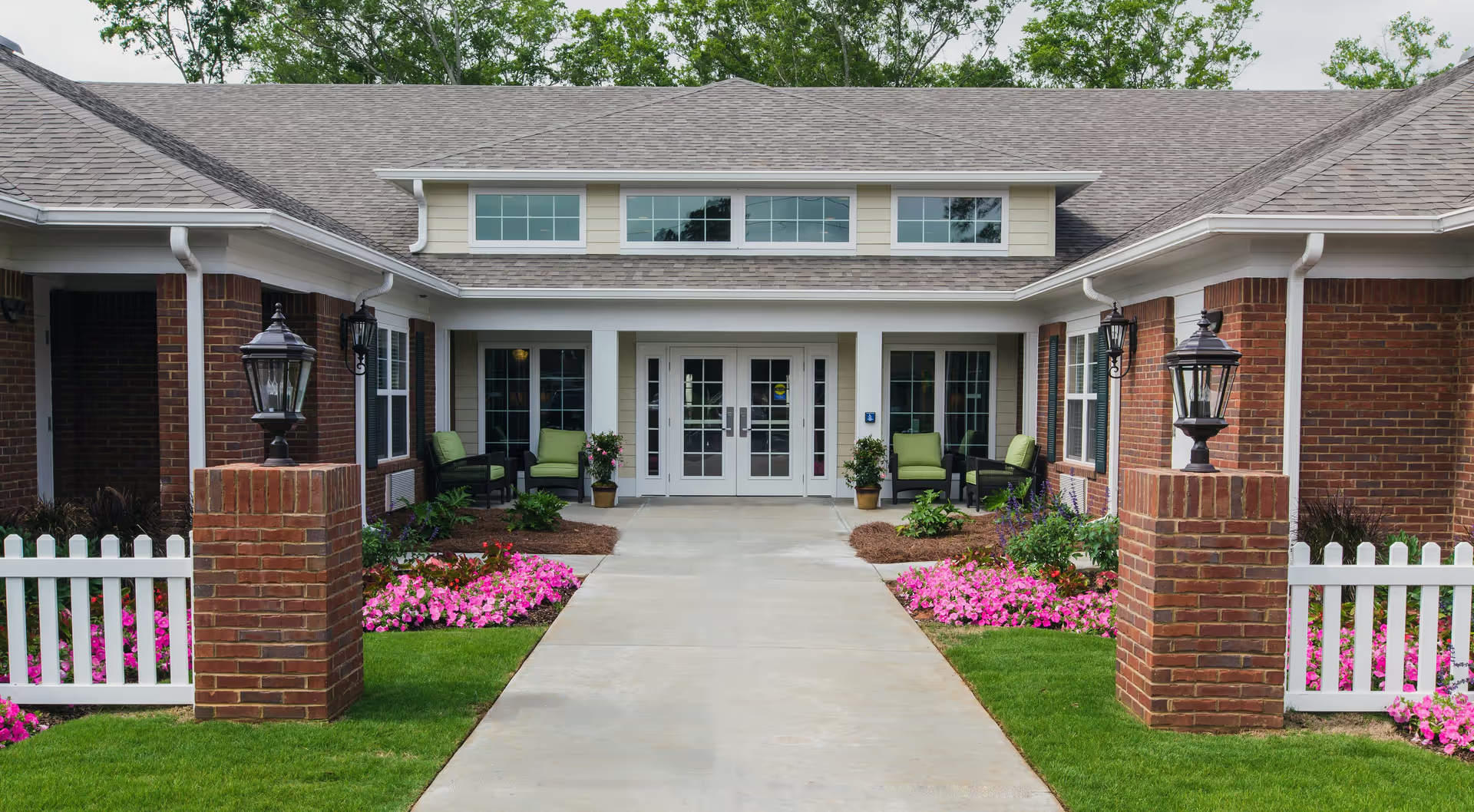
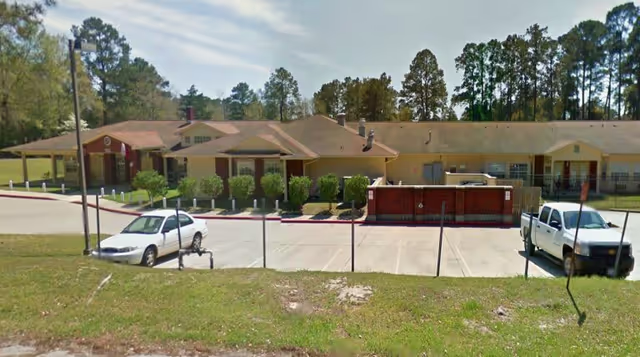
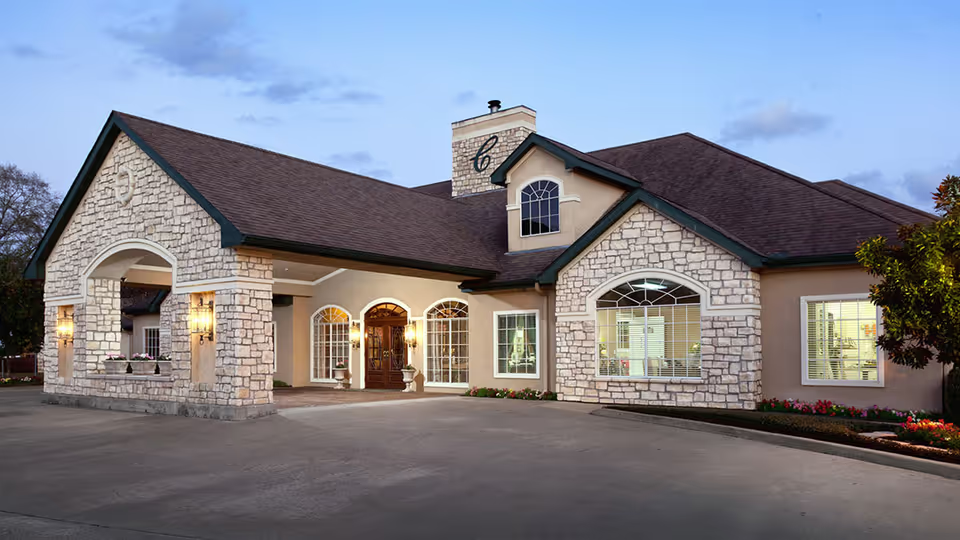
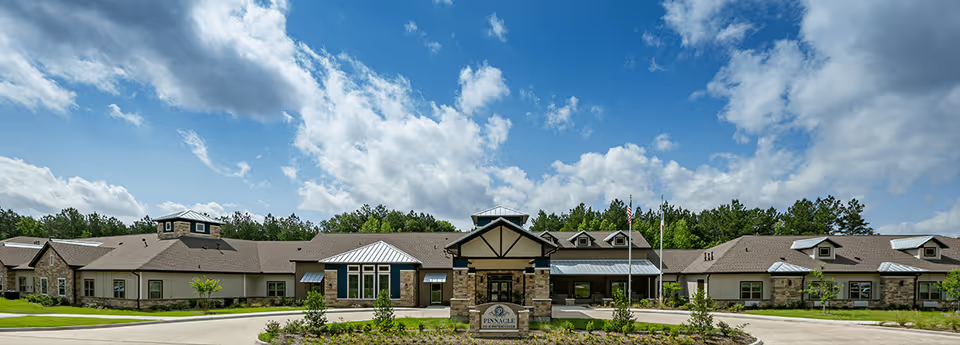
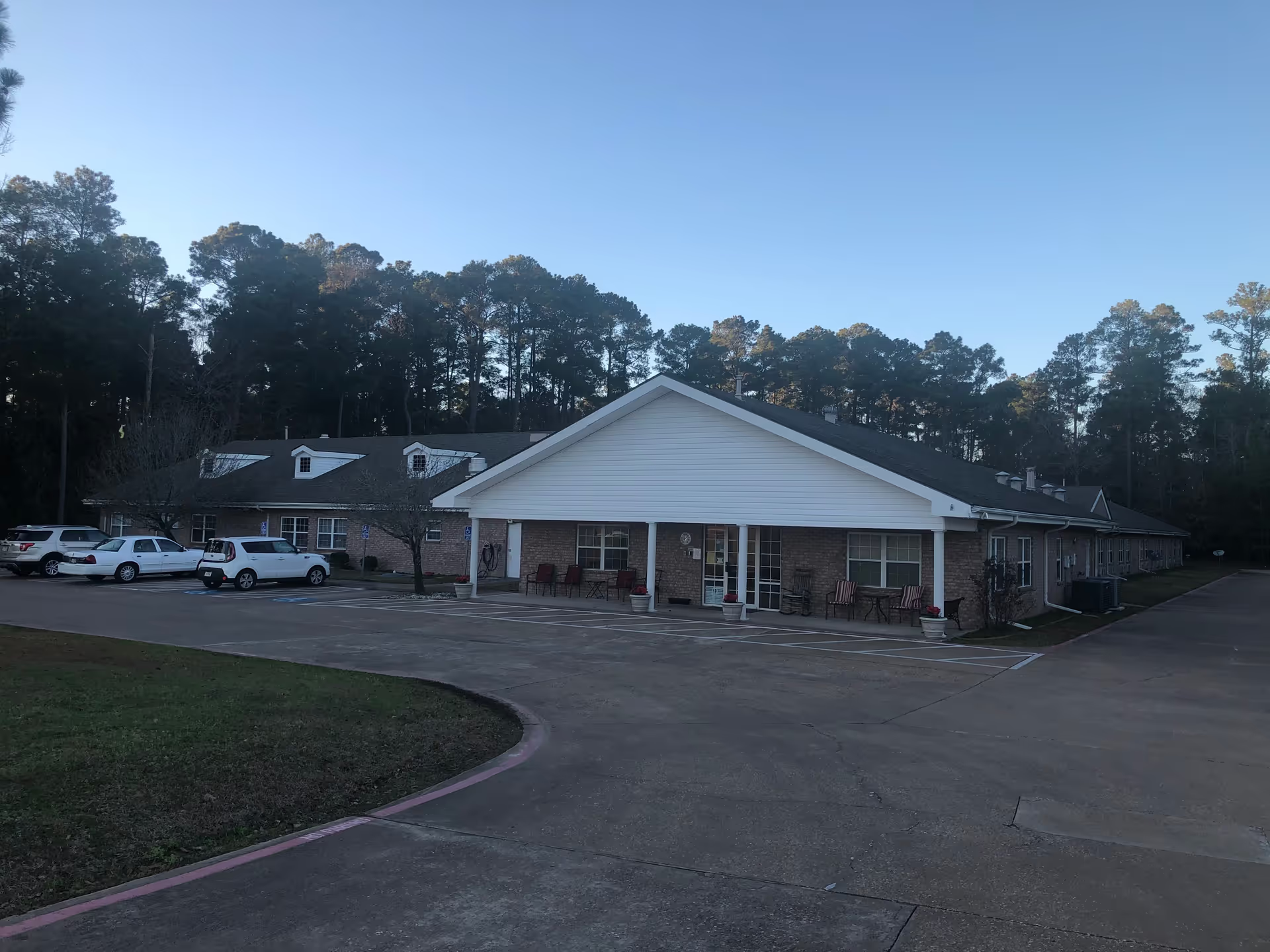
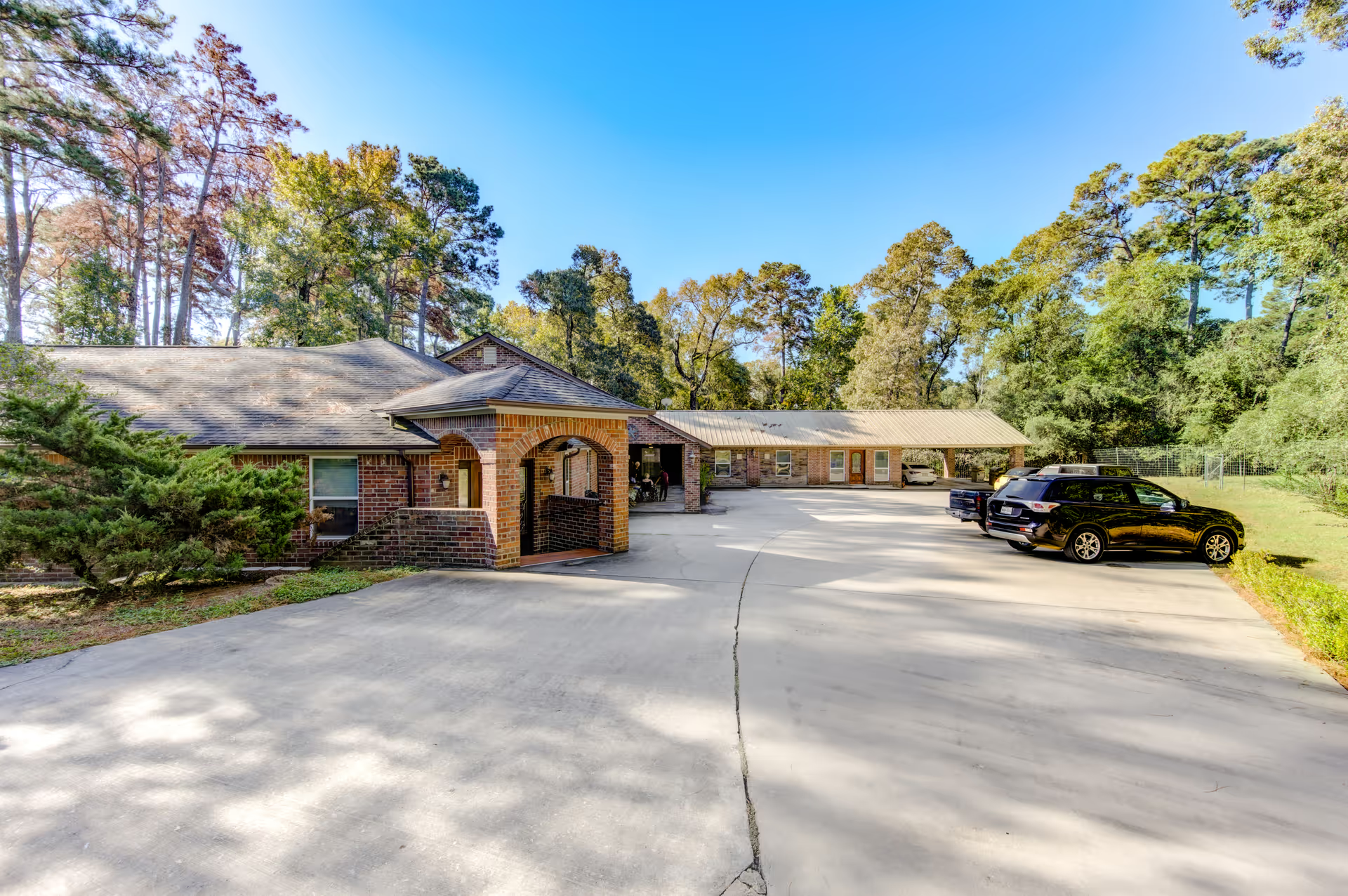
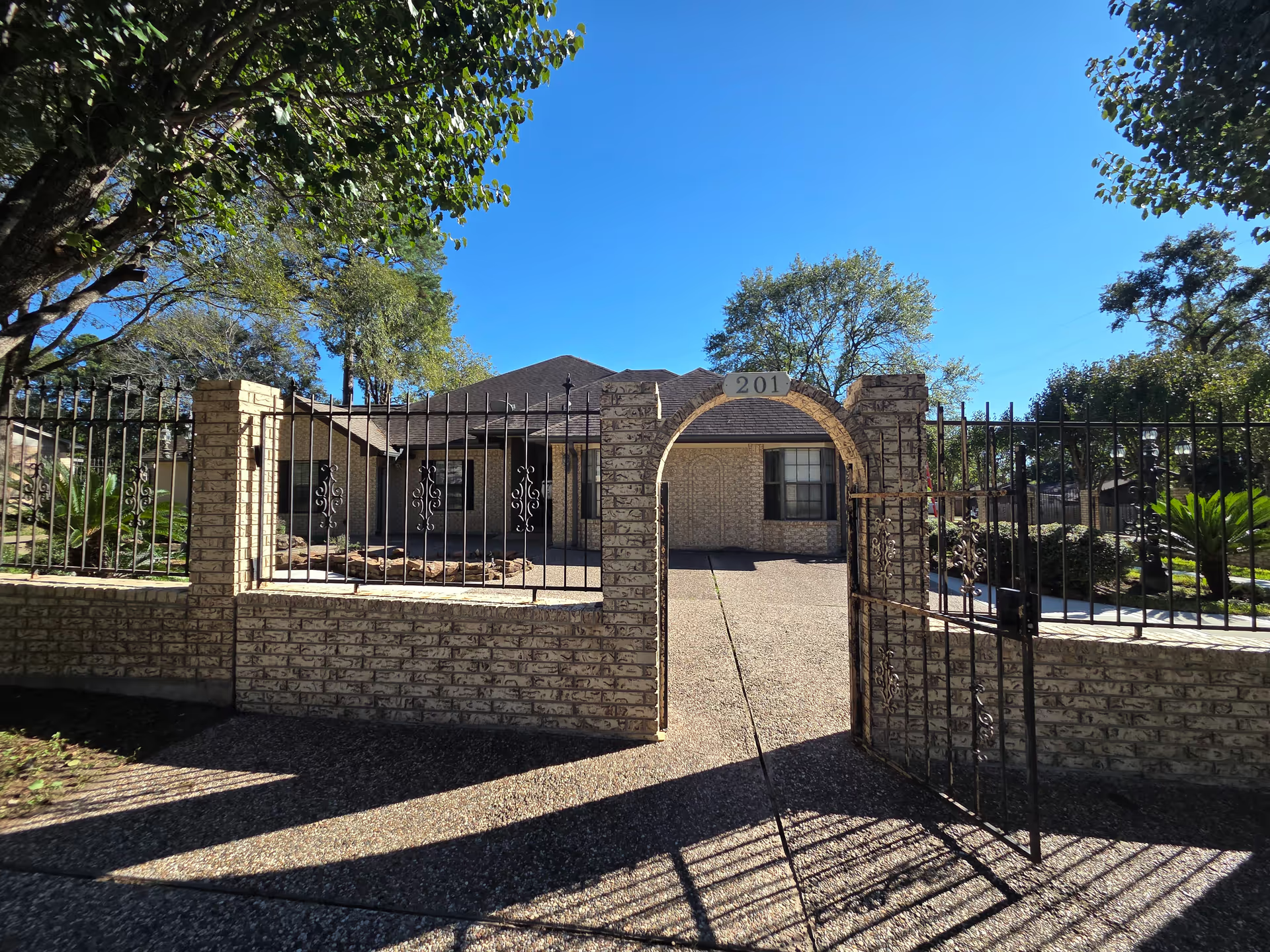
Timberwood Nursing & Rehabilitation Center generates largely positive impressions around its clinical rehabilitation capability, front-line caregiving, and communal atmosphere. Many families emphasize the strength of the therapy program and physical therapists, describing purposeful rehab that aims to return residents home. Nursing staff and select leaders receive repeated praise for compassionate, attentive care, 24/7 coverage, and individualized attention; several reviewers specifically highlighted nursing leadership and named employees as contributors to good outcomes. The facility's renovations, fitness area, attractive dining room, and lobby features (for example, a fish tank) contribute to a welcoming, home-like environment for residents.
Dining and activities are clear strengths for many residents. The facility offers an active activities calendar (bingo, board games, fitness classes) and an engaged activities department that supports socialization and resident morale. The dining experience is often described positively, with a notable soup-and-salad bar and some highly regarded menu items; dietary staff received individual commendations. Amenities such as an on-site beauty salon, guest Wi‑Fi, 24-hour housekeeping, and proximity to a hospital add practical convenience for residents and families.
Despite many positive comments, reviewers describe recurring operational weaknesses. Staffing consistency and coverage are a frequent concern: understaffing or uneven staff performance were linked to delays in medication, therapy scheduling, and clinical follow-through. Communication gaps among nursing, therapy, and physician teams — and between staff and families — appear as a persistent pattern that can affect care coordination and family confidence. Multiple reviewers also described variability in meal quality and in promised services (for example, scheduled specialty visits or timely therapies) not always being delivered as expected. There are also isolated but serious clinical-safety and supervision concerns cited, including falls and delayed responses that suggest areas for improvement in fall prevention and shift supervision practices.
Facility operations and management issues emerge in several areas. A few reviewers described billing or post-discharge financial communication problems and difficulties obtaining clear explanations for charges. Environmental and maintenance inconsistencies were noted as well: while many praised the cleanliness and pleasant smell on first impressions, others described odor issues in particular areas and occasional humidity or moldy/musty smells. Also, several reviews raise concerns about individual staff conduct and professionalism, including an allegation of discriminatory behavior; these comments point to a need for staff retraining and stronger accountability mechanisms where warranted.
In summary, Timberwood presents as a facility with substantive strengths in rehabilitation, therapy, and a generally compassionate caregiving culture, supported by recent physical upgrades and a robust activities program. Prospective residents and families should weigh these strong elements against patterns of operational variability: ask targeted questions about current staffing ratios, communication protocols with families and physicians, medication-administration procedures, fall-prevention measures, billing practices, and how the facility addresses complaints and staff conduct issues. An on-site tour that includes the therapy gym, dining during a meal period, and conversations with nursing leadership can help assess whether Timberwood’s strengths align with a specific resident’s care priorities.