Overall impression: Reviews convey a largely positive resident experience in many operational areas while highlighting several operational weaknesses families should evaluate before placement. Strengths cluster around caregiving, social engagement, and the physical environment, but reviewers also describe service consistency and communication gaps that can affect family confidence.
Care quality and clinical services: Families and visitors frequently praised the compassion and attentiveness of direct-care staff, and many noted that daytime licensed-nurse coverage and weekly nurse-practitioner visits contribute to routine clinical oversight. Medication management and hands-on daily care were often described as reliable, and multiple accounts suggested an improved quality of life for residents. However, there are recurring concerns about inconsistent licensed-nurse coverage and broader staffing shortages; these appear to be the primary operational risks. Reviewers also identified gaps in how clinical incidents are handled and communicated to families, which can undermine trust after events such as falls or other health incidents.
Staff and management: The facility is commonly described as having warm, family-like staff who are responsive, engaged, and passionate about residents. Several reviewers singled out particular staff members for positive interactions and praised the facility’s responsiveness to routine concerns and events like family night. At the same time, reviewers described variability in staff professionalism and communication tone, and occasional unhelpful interactions were reported. Management strengths include community-building efforts (monthly family nights, events) but some families noted inconsistent follow-through around post-incident outreach and bereavement communication.
Dining and activities: The community offers an active calendar — bingo, crafts, parties, church services, entertainment, and an on-site beautician — that many families view as enhancing social engagement. Outdoor amenities such as a courtyard with bird feeders and well-kept grounds are valued for quality of life. Meal quality received mixed feedback: weekday meals were frequently praised, while weekend meal quality was described as less consistent. Prospective residents should ask about current dining staffing and weekend menu plans.
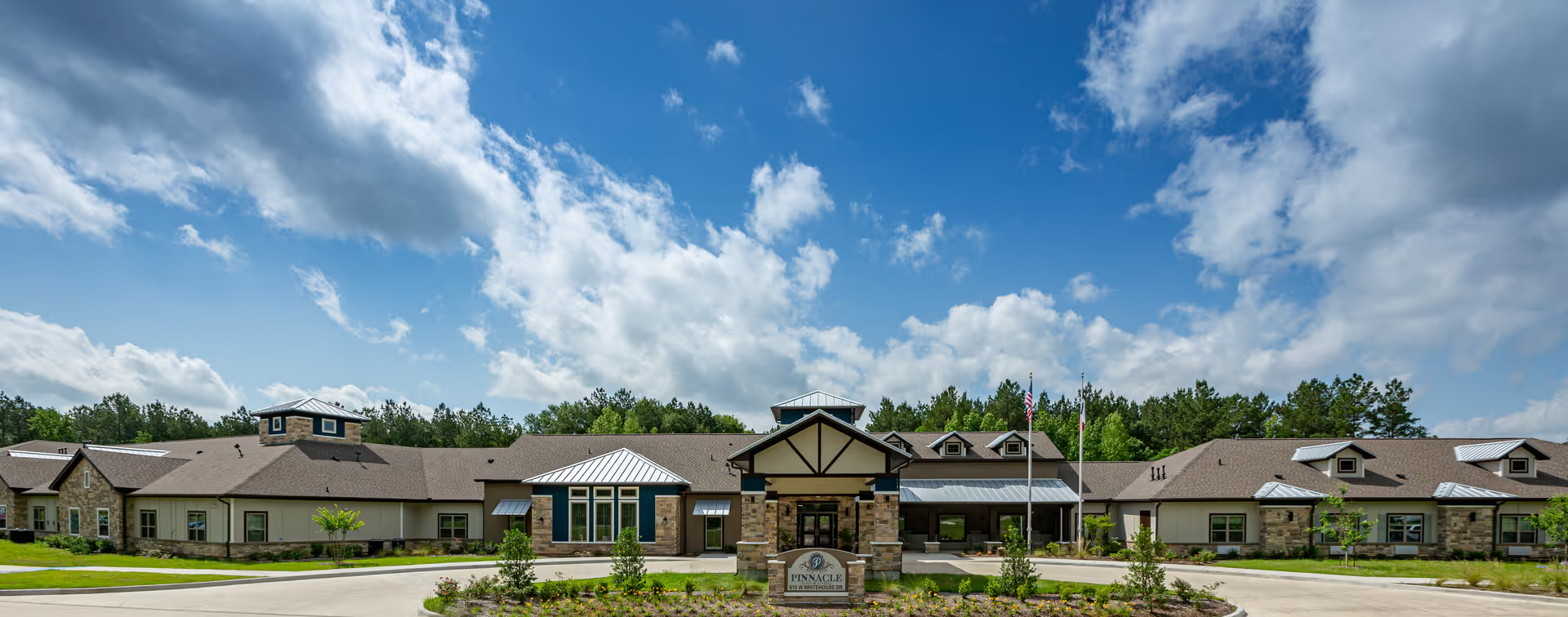
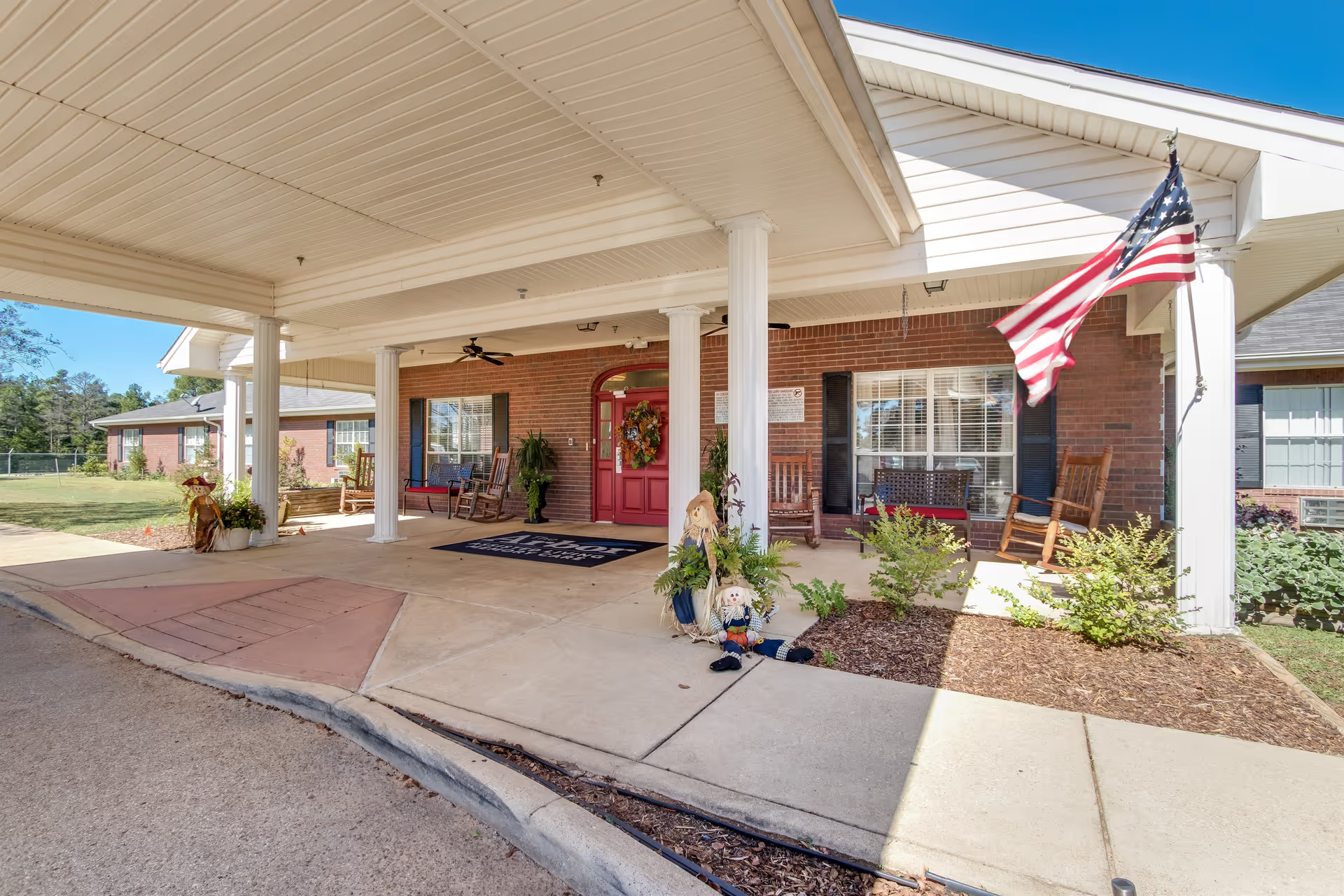
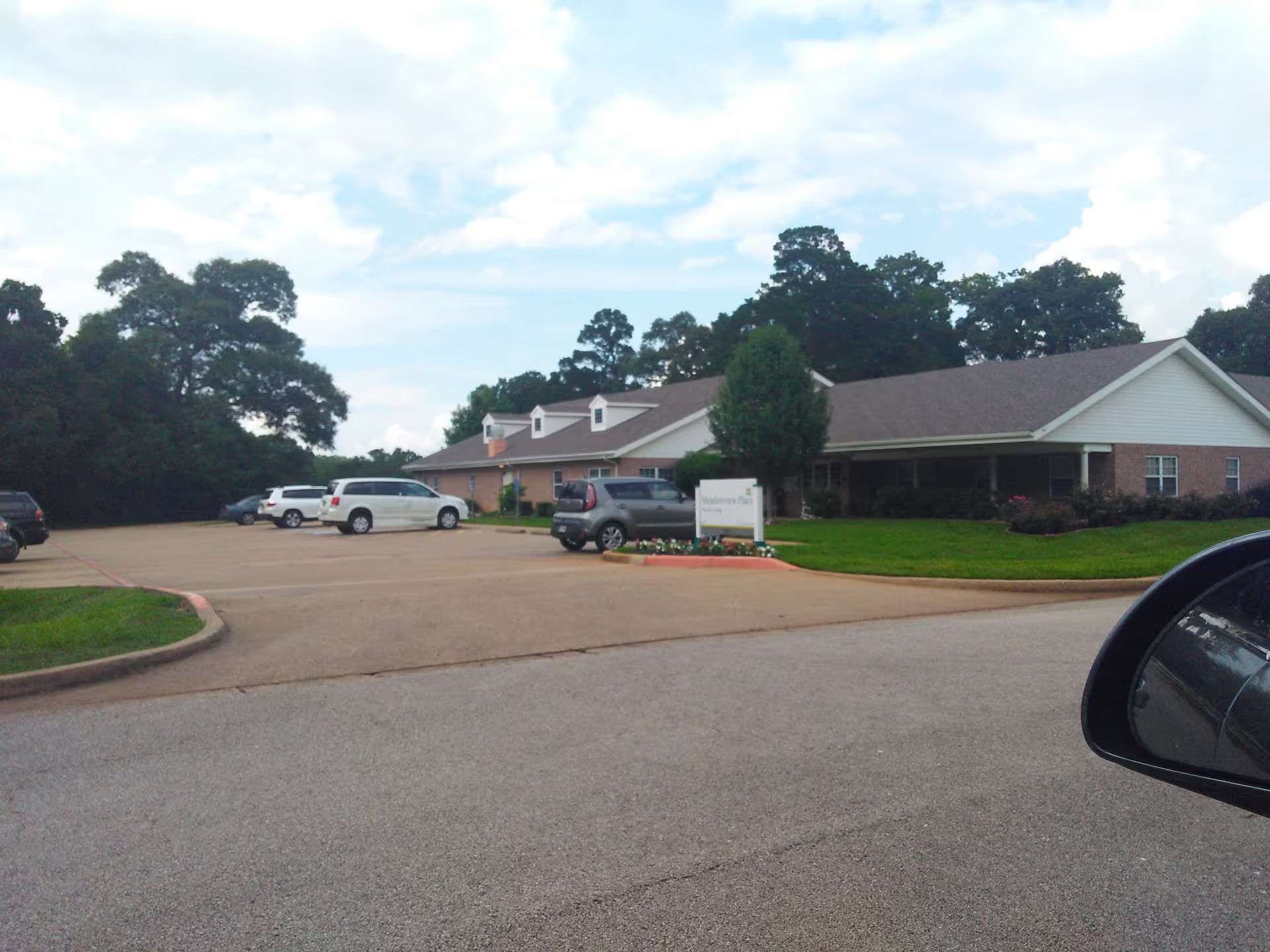
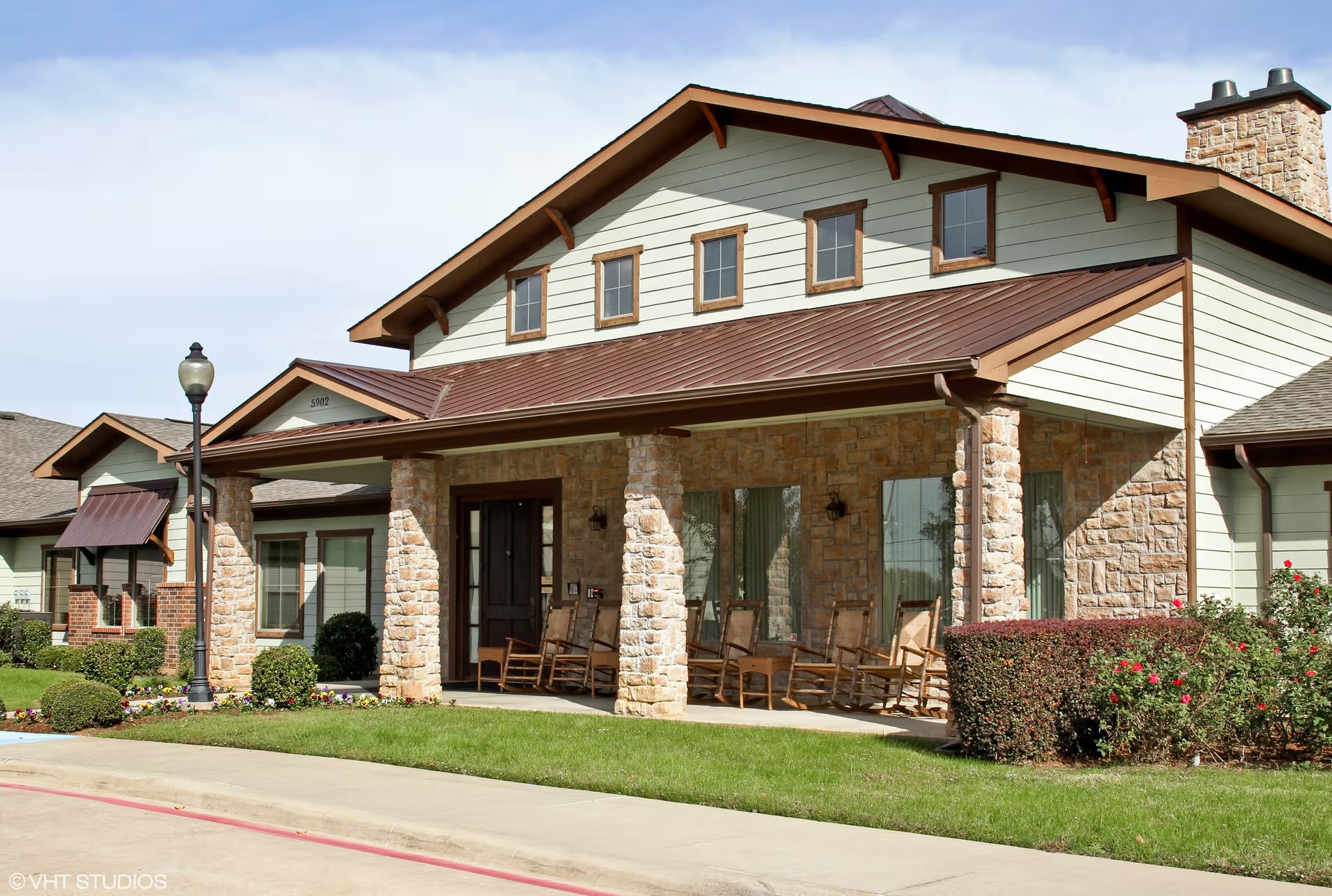
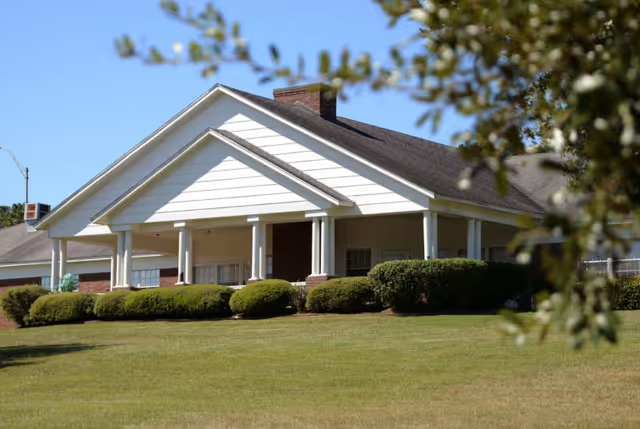
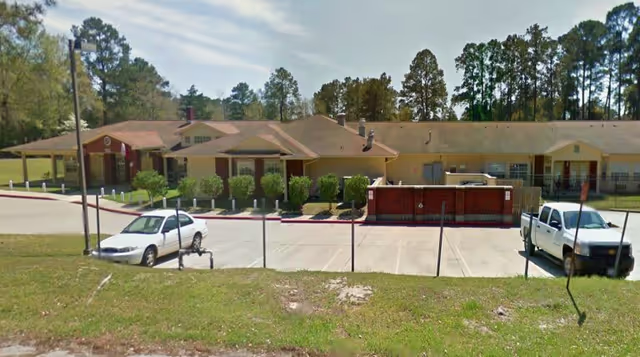
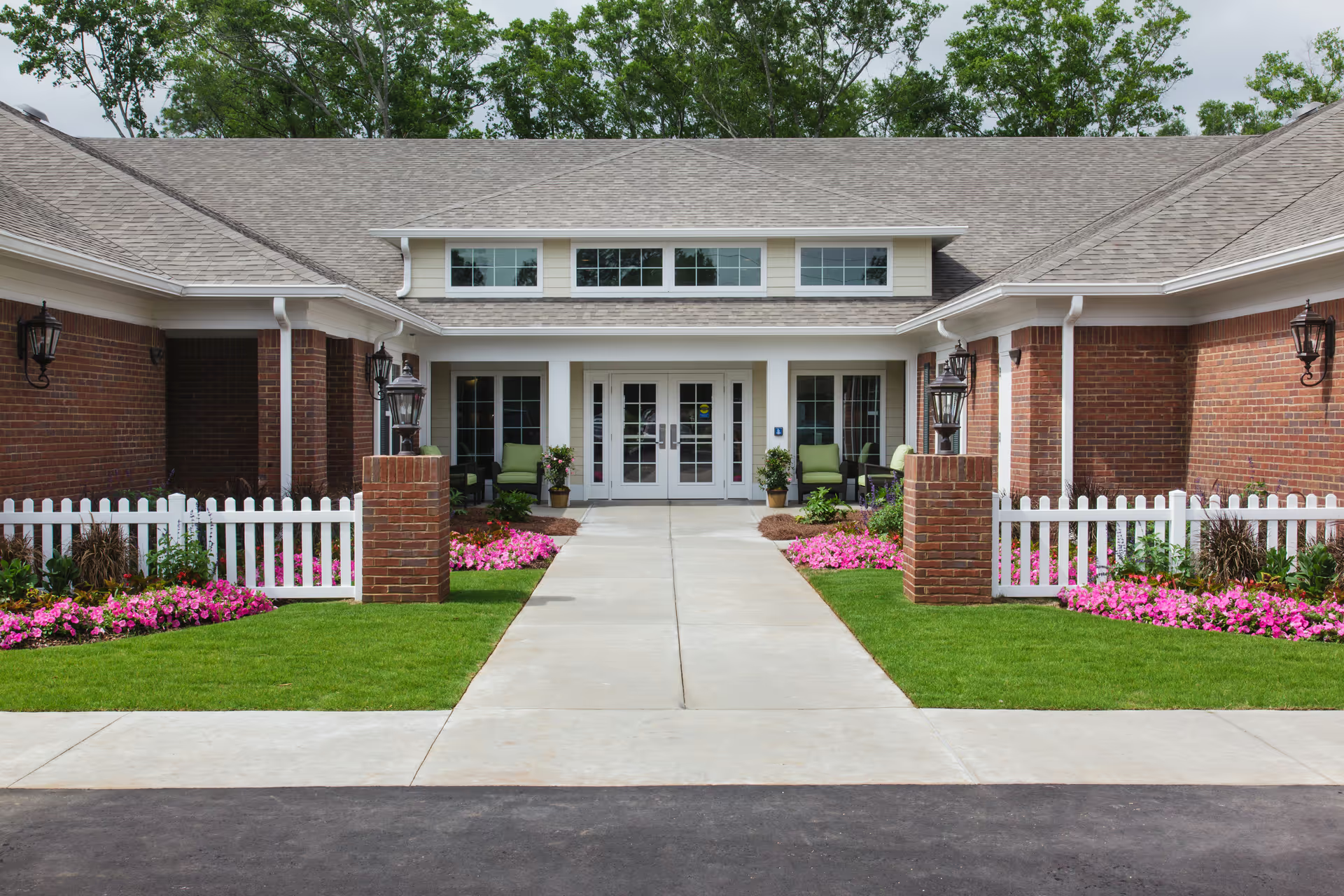
Facilities and accommodations: The facility is described as clean with an open layout and tidy common areas. Individual rooms and some interior decor were characterized as dated, and reviewers noted planned or upcoming renovations. The community appears best suited to residents with mild or no cognitive impairment; reviewers explicitly cautioned that the facility is not equipped to manage moderate-to-advanced dementia without supplemental one-on-one assistance, which can create additional cost or placement considerations.
Notable patterns and recommendations: The dominant positive theme is high staff engagement and active programming that supports social life and routine care. The dominant concerns are operational: inconsistent licensed-nurse coverage, staffing shortages, variable professionalism, communication shortfalls after clinical incidents, and weekend dining variability. For prospective residents and families, a guided tour should include direct questions about current licensed-nurse staffing patterns, incident-response and family-notification protocols, dementia-care capabilities, weekend dining arrangements, and any planned room/amenity renovations. These targeted inquiries will help determine whether the facility’s strengths align with an individual resident’s clinical and social needs.