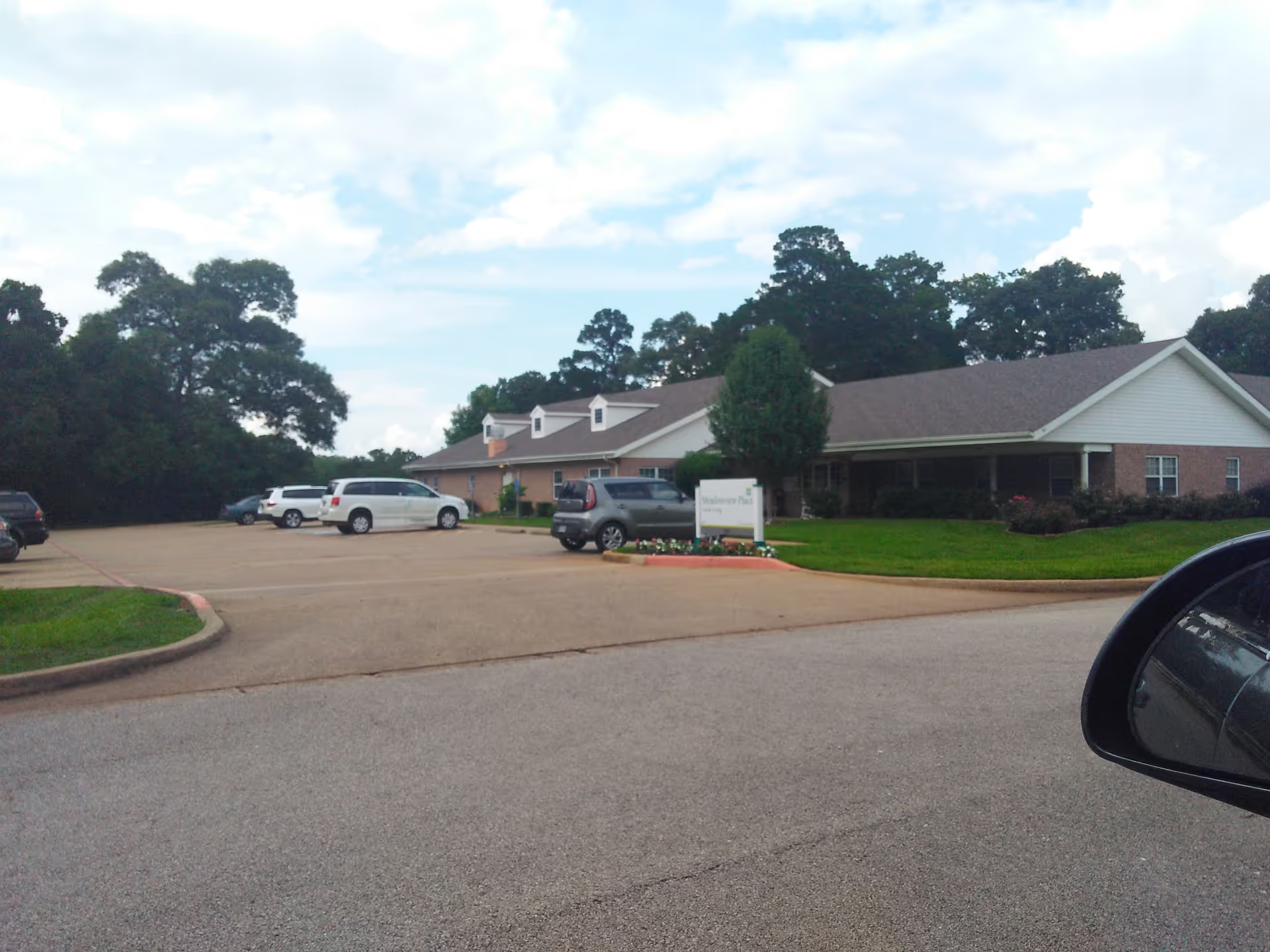
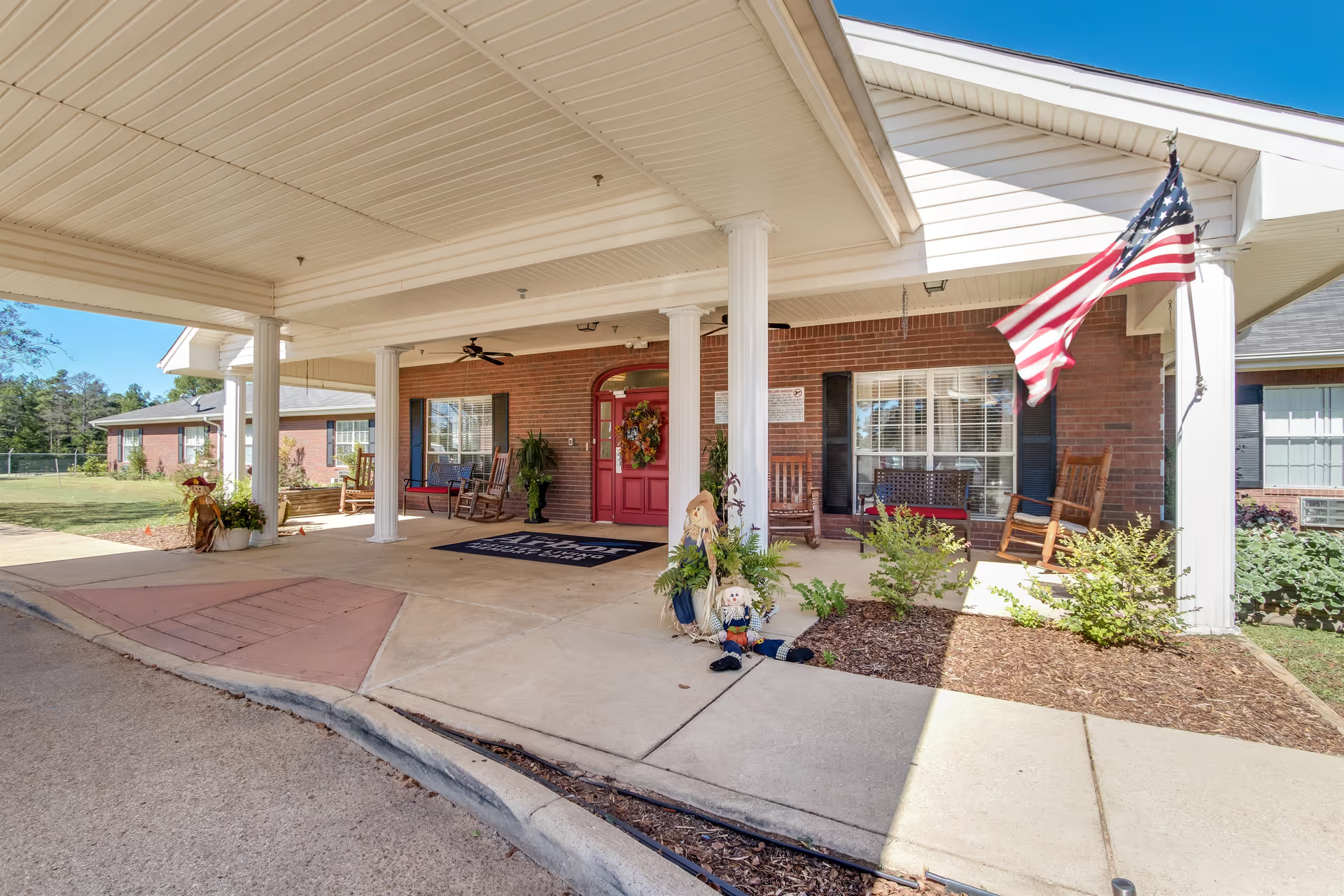
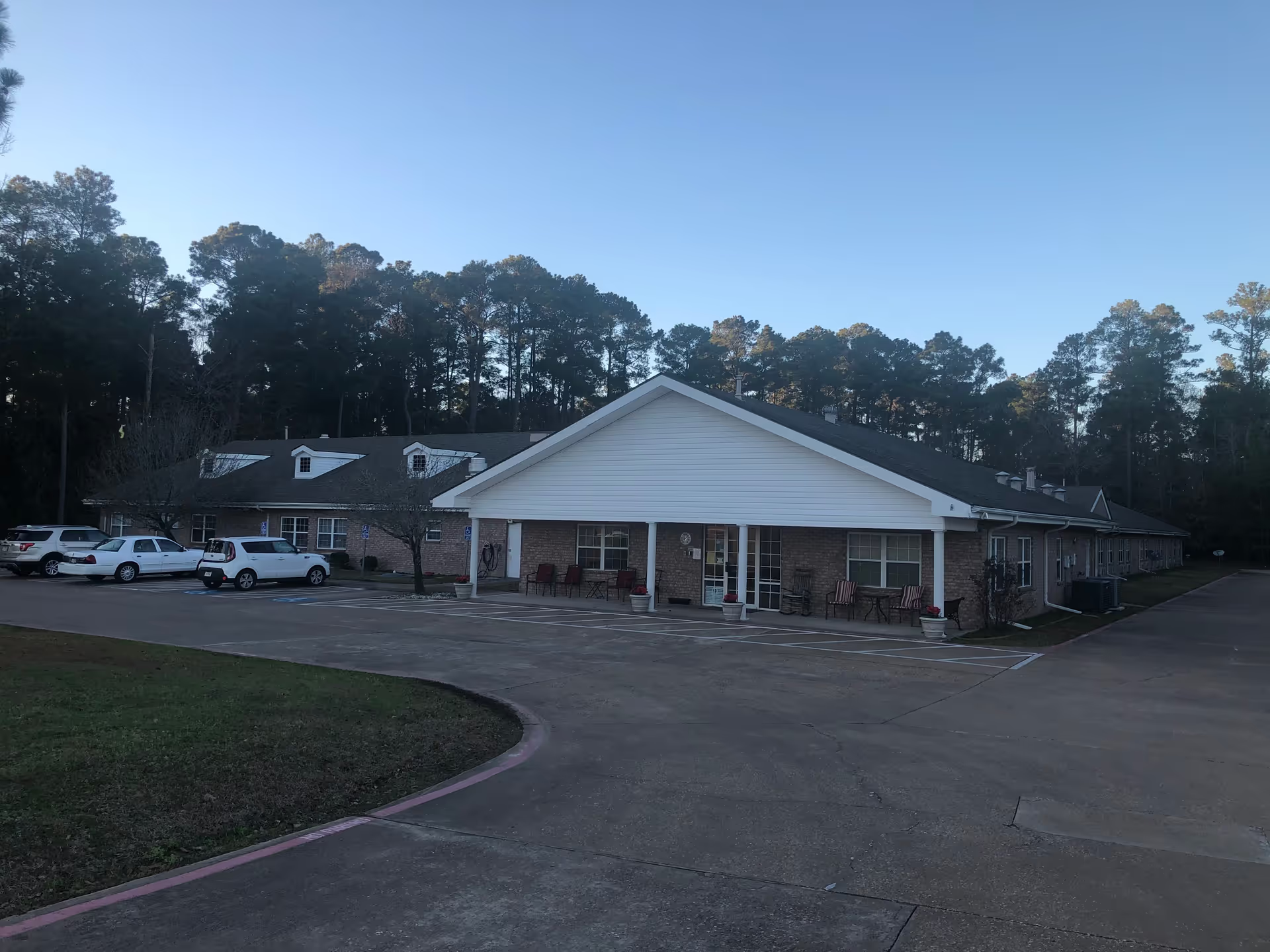
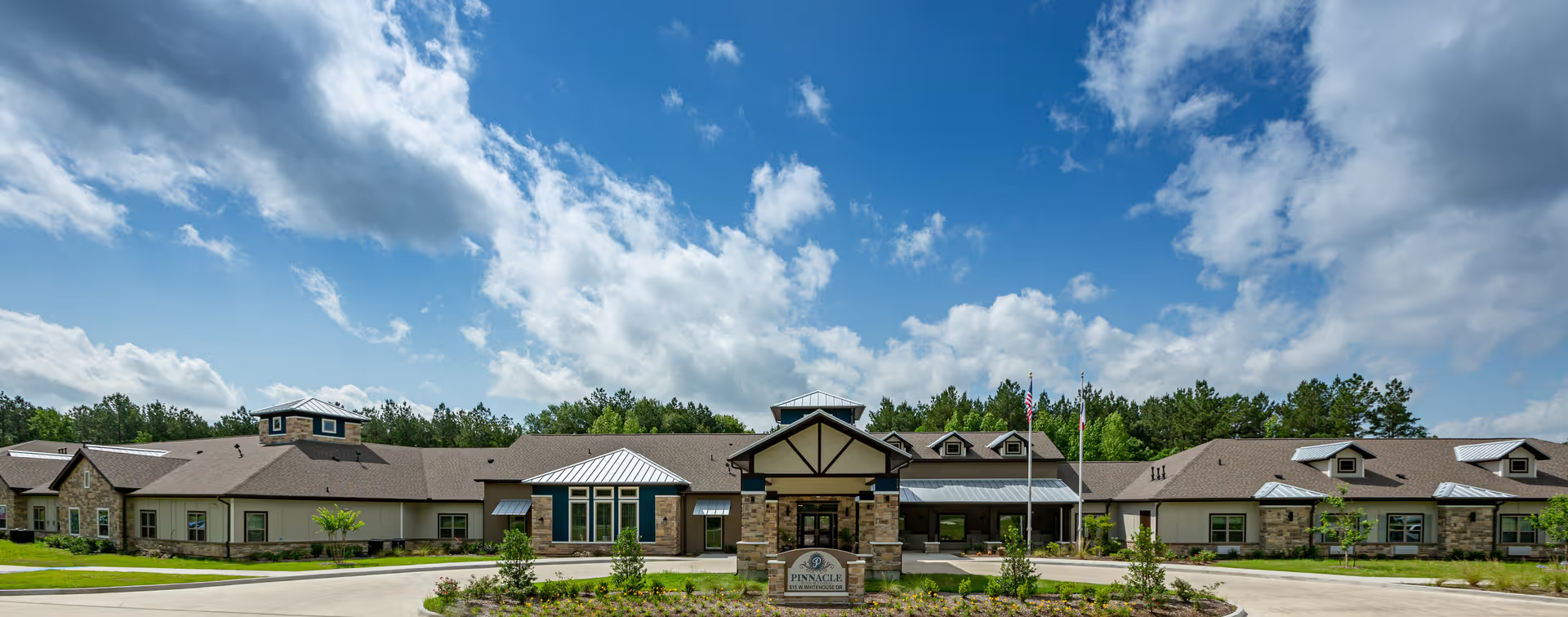
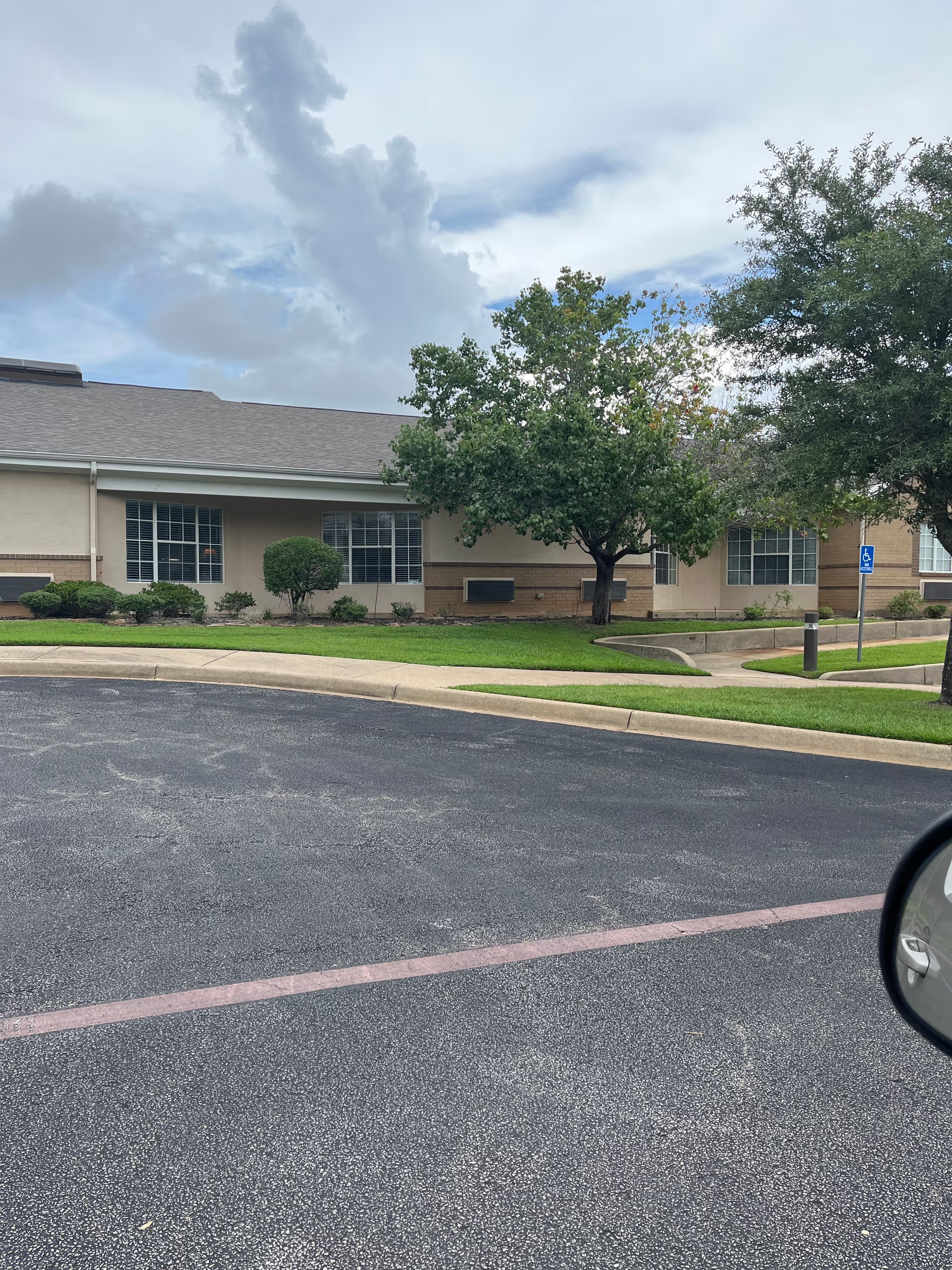
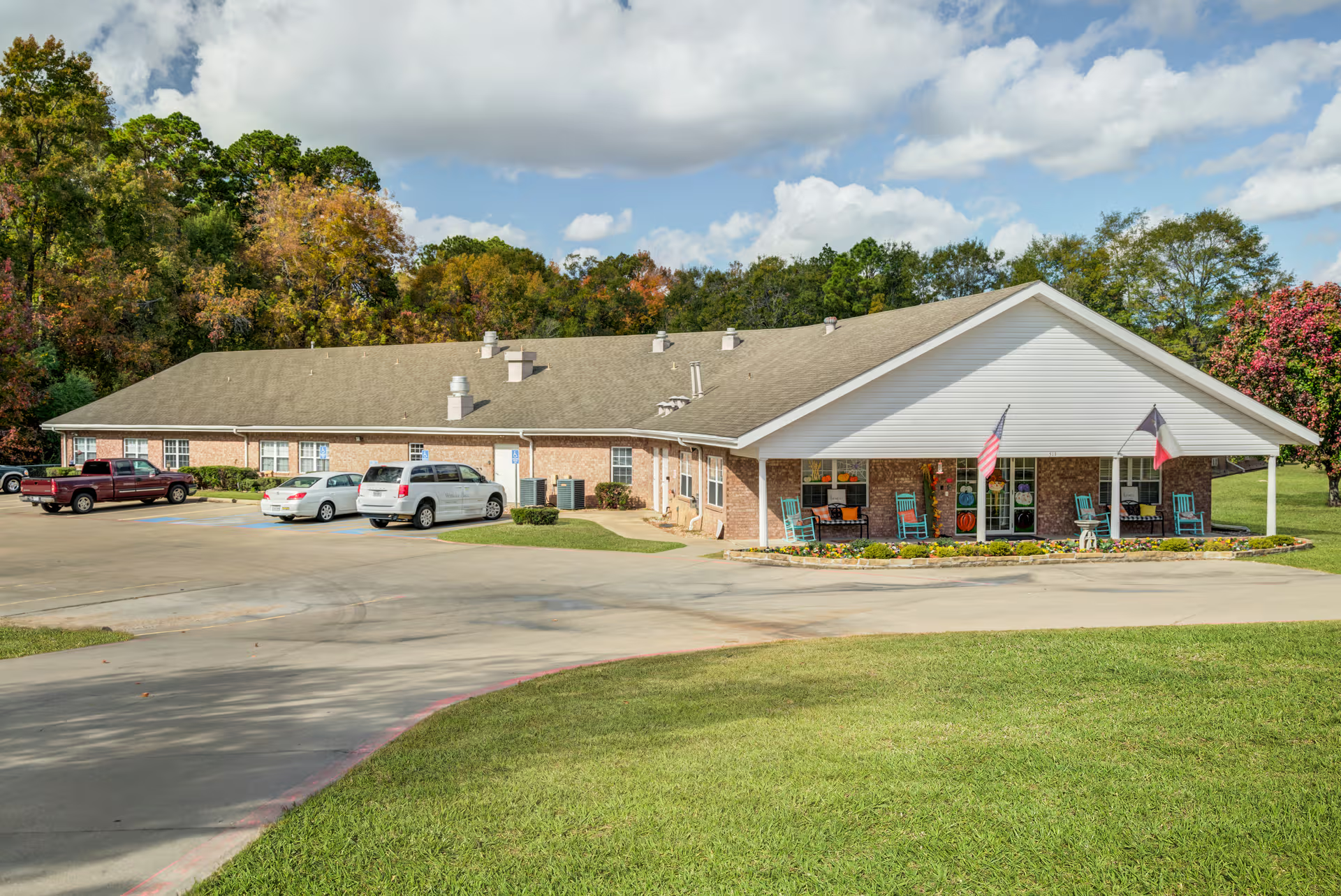
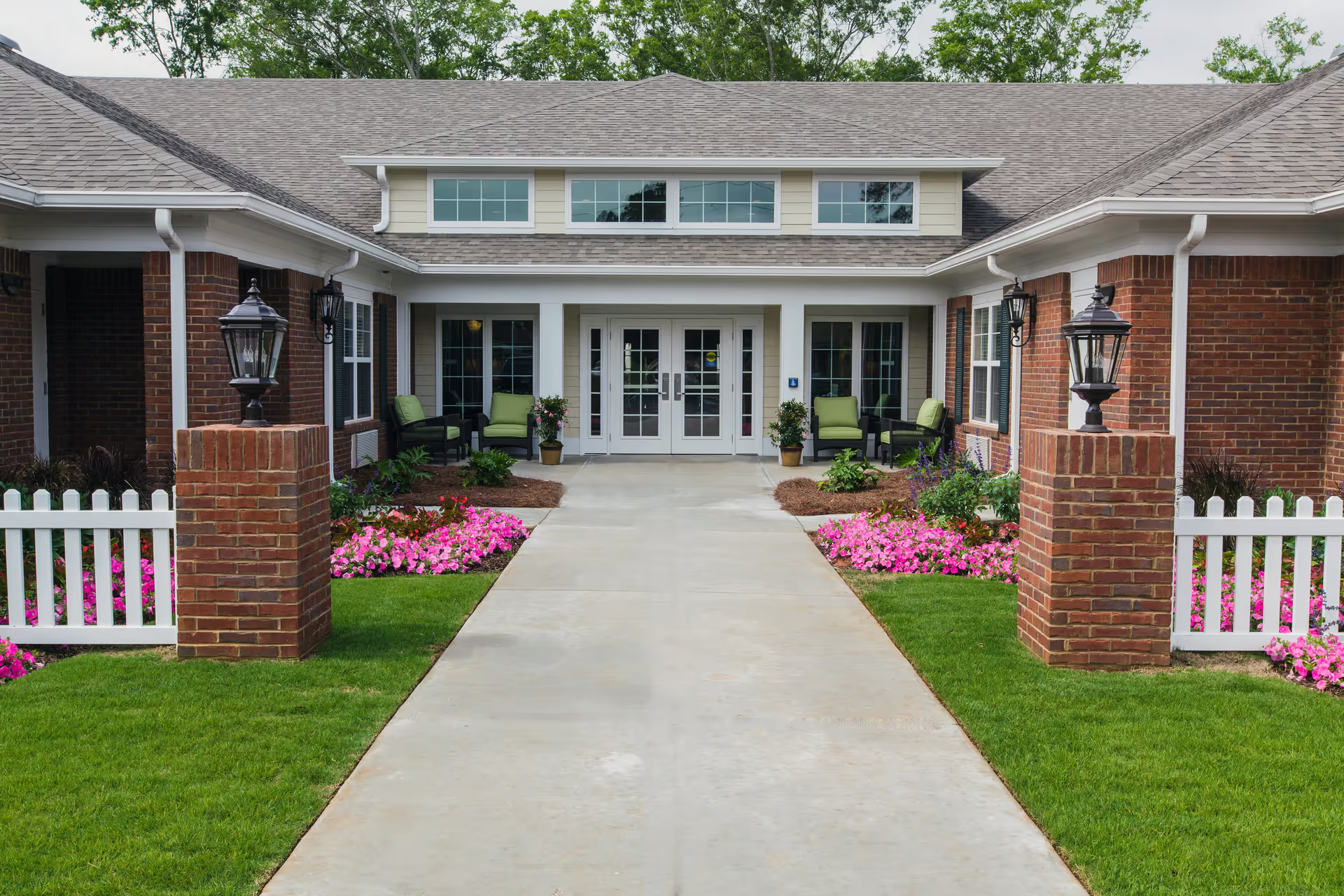
Magnolia Court presents as a clean, modern assisted-living and memory-care community with a strong emphasis on social programming and resident comfort. Families frequently praise the facility’s welcoming atmosphere, communal dining room, scheduled activities (crafting, games, exercise classes), and regular outings supported by on-site transportation. Physical amenities often highlighted include a secure enclosed courtyard with pet-friendly space, an on-site beauty salon, community rooms with large-screen viewing, and well-kept common areas that contribute to a home-like environment.
Staff performance is a consistent strength in many accounts. Reviewers characterize staff as compassionate, attentive, and willing to go beyond baseline duties; individualized care planning, courteous reception at arrival, and effective move-in support were commonly noted. A number of families also described timely after-hours responsiveness and staff members who acted as effective partners in care. At the same time, there are intermittent concerns about staffing consistency: some families experienced limited staff availability or encountered staff members who appeared less informed about specific care processes. These comments point to variability in day-to-day staffing and knowledge rather than a uniform pattern of poor care.
Dining and food services receive mixed feedback. Several reviewers enjoy the menu variety, special offerings (ice cream bars, happy hour), and the social dining environment, while other families report inconsistent meal quality and isolated kitchen-operational problems. A subset of reviews specifically called out breakfast as stronger than lunch or dinner. Management responsiveness to kitchen-related issues was also cited as uneven, indicating an operational area that may warrant closer oversight.
Programming and activities are a pronounced positive for residents in assisted-living areas: organized events, field trips, family days, and an active social calendar contribute to resident engagement and community integration. However, a notable pattern emerges for residents in memory-care: families reported fewer activities and lower levels of engagement after transition to memory-care units. Coupled with observations about cost increases when a resident moves into memory care, this suggests families should confirm program scope and activity frequency for memory-care residents during the assessment and decision process.
Facility layout and pricing are additional considerations. The building is generally described as modern and well maintained, but some apartment units were characterized as small and darker, with limited natural light in living areas. Several reviewers also noted that the facility’s pricing is higher than comparable options and that costs rise noticeably with higher levels of care. Prospective residents and families would benefit from clarifying unit layouts, window exposure, and the full cost implications of level-of-care transitions up front.
In summary, Magnolia Court offers a socially active, well-maintained community with many strengths in staff engagement, amenities, and programming for assisted-living residents. Key operational caveats for prospective families are variability in meal quality and kitchen management, inconsistent staffing/knowledge at times, reduced activity levels in memory-care, and pricing increases at transitions of care. Verifying the specifics of memory-care programming, unit layouts, and the financial impact of care-level changes during the tour and admission discussions will help align expectations and identify whether the facility is the right fit for an individual’s needs.