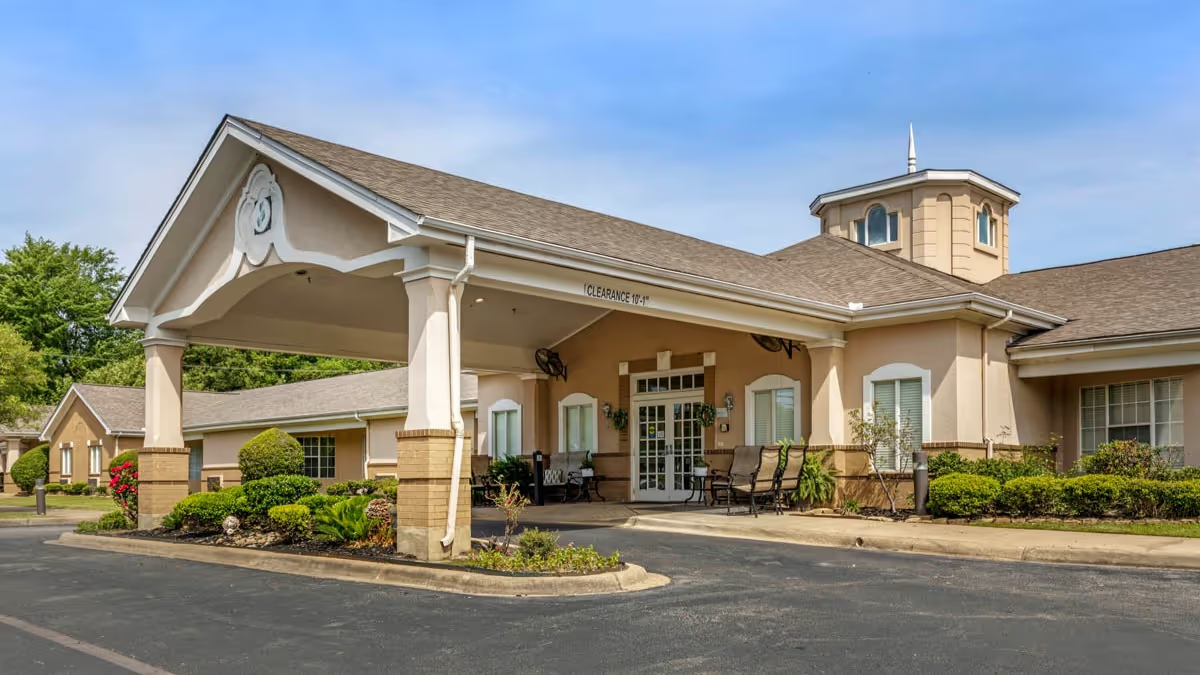
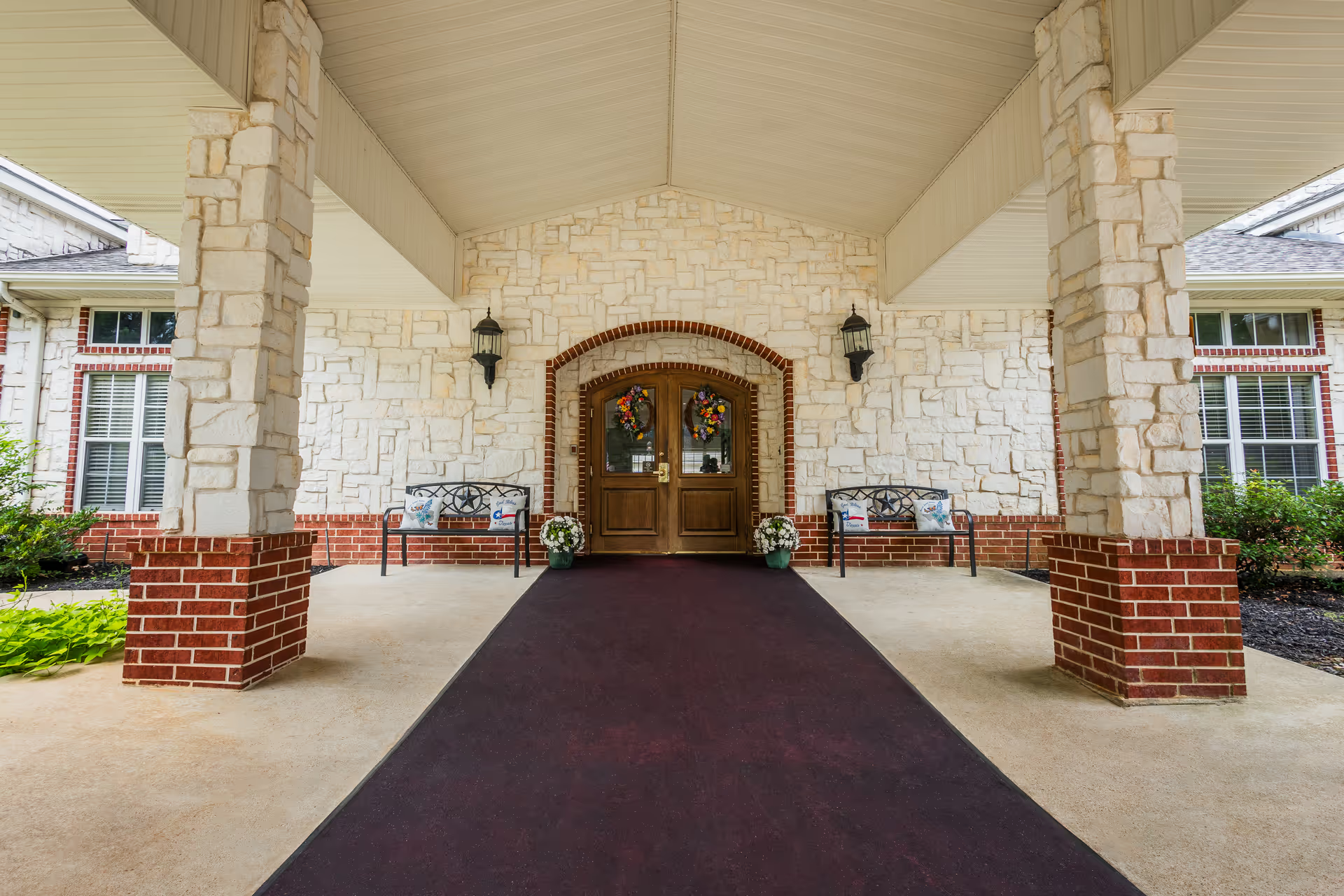
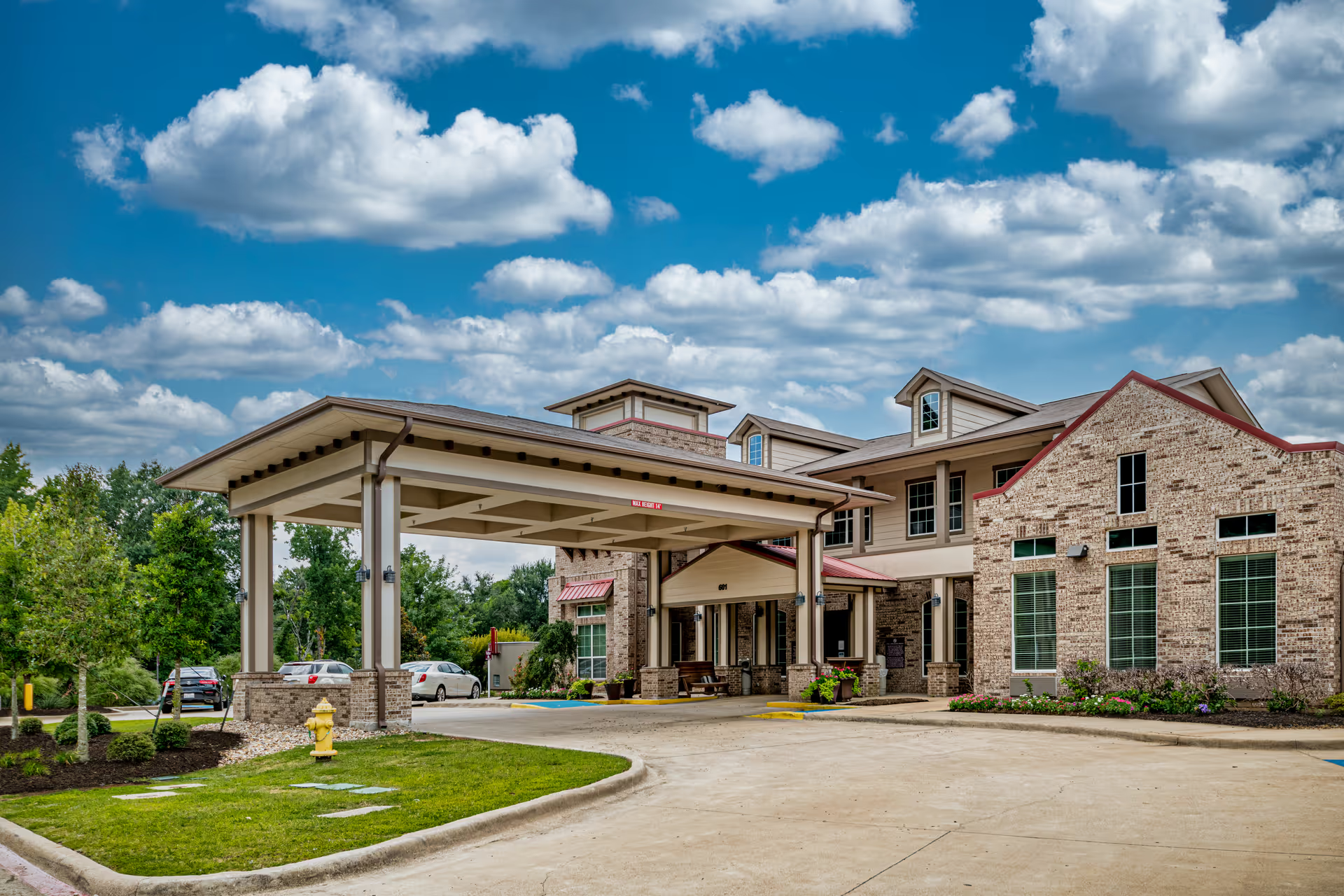
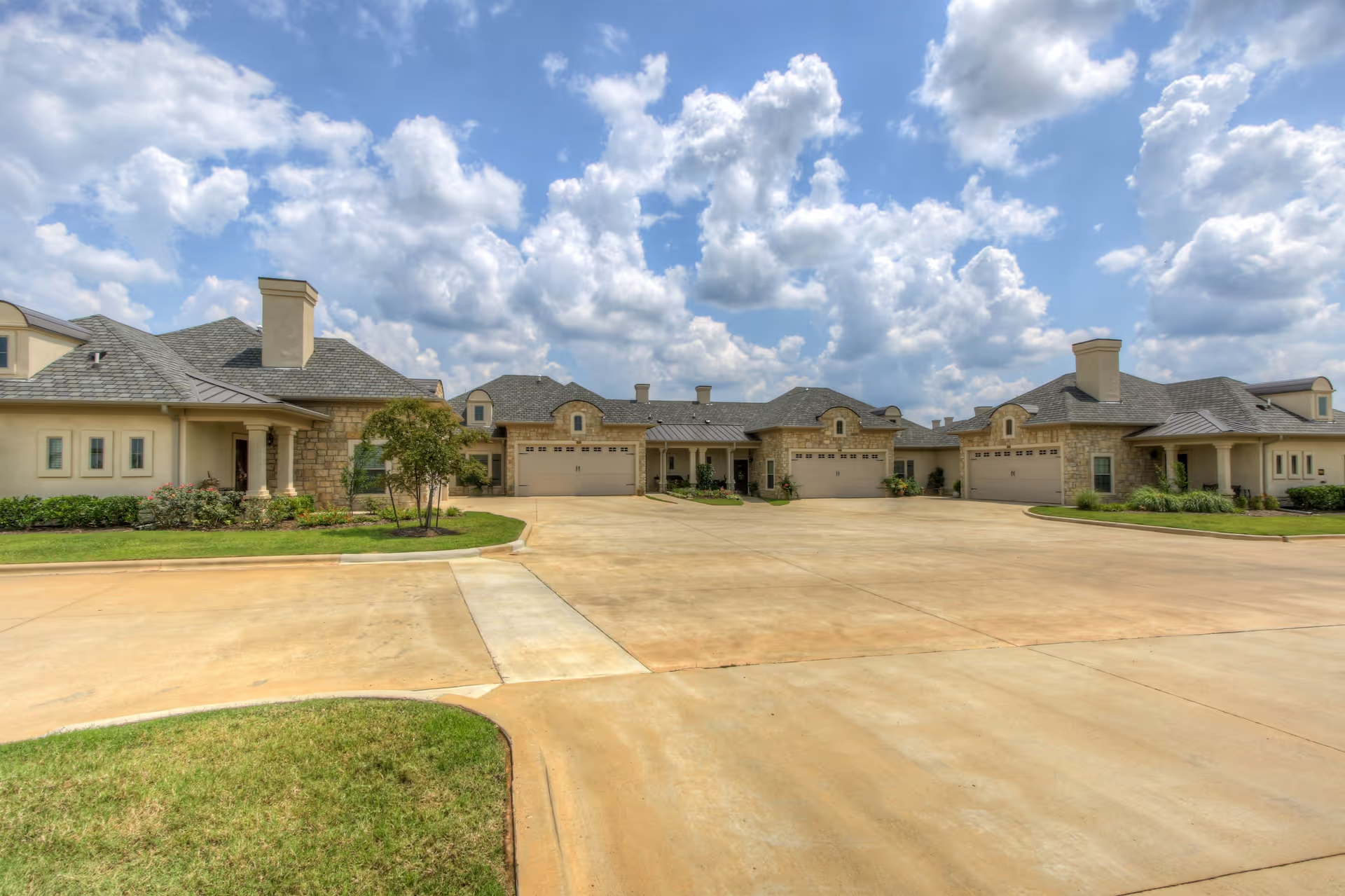
Winkler Court is described as a small, community-oriented assisted living setting with a warm, homelike atmosphere and a well-maintained physical environment. Families and residents frequently note personalized touches such as named doors, colorful decor, seasonal displays, fresh plants, and an inner courtyard with safety features. Commonly referenced amenities include an on-site beauty salon (with the option to bring a personal stylist), spacious rooms with kitchenette options, accessible bathrooms, and a range of therapy and rehabilitation services.
Staffing and direct care are among the facility's strongest attributes. Reviewers consistently describe staff as compassionate, affectionate, and responsive; many cite positive daily interactions, supportive end-of-life care, and effective clinical oversight by nursing staff. There are also accounts of prompt emergency responses and staff going beyond routine duties to help residents and families. At the same time, concerns about variable staffing levels appear in some accounts: understaffing and reduced supervision have been noted as problematic for residents with higher supervision needs, indicating that the facility may be better suited to residents with moderate care needs rather than high-acuity cases.
Dining and activities are prominent positives. The facility offers flexible breakfast selections and a substantial midday meal, accommodates specialized diets including dementia-focused menus, and provides frequent social programming—bingo, music and singing groups, exercise classes, movies, religious services, and monthly recognition events with outings. While many families report enjoyable, well-prepared meals and an active social calendar, other comments point to inconsistent meal quality, occasional blandness, or insufficient portion sizes, and references to prepackaged meal service suggest variability in food presentation.
Operational and management patterns show both strengths and areas for improvement. The community has a strong local reputation and reviewers credit some administrators with beneficial practice changes and effective infection-control measures. However, several families described an increase in fees and a decline in service continuity following leadership changes. Specific operational concerns include opaque billing practices and extra charges (for example, for medications), intermittent delays in maintenance and repairs, and gaps in timely communication with families about care and facility issues. These traits suggest that prospective families should review contracts closely and ask detailed questions about fees, maintenance response times, staffing ratios, and escalation pathways for clinical or safety concerns.
In summary, Winkler Court presents as a caring, well-appointed assisted living option with many social and aesthetic strengths and generally positive staff–resident relationships. It appears particularly well suited to residents seeking a warm community environment, regular activities, and moderate assistance. Prospective residents and families should verify whether the facility's clinical capacity, staffing patterns, and billing transparency match their needs—especially for individuals requiring higher-acuity care or close supervision—and clarify expectations about maintenance response and leadership stability before committing.