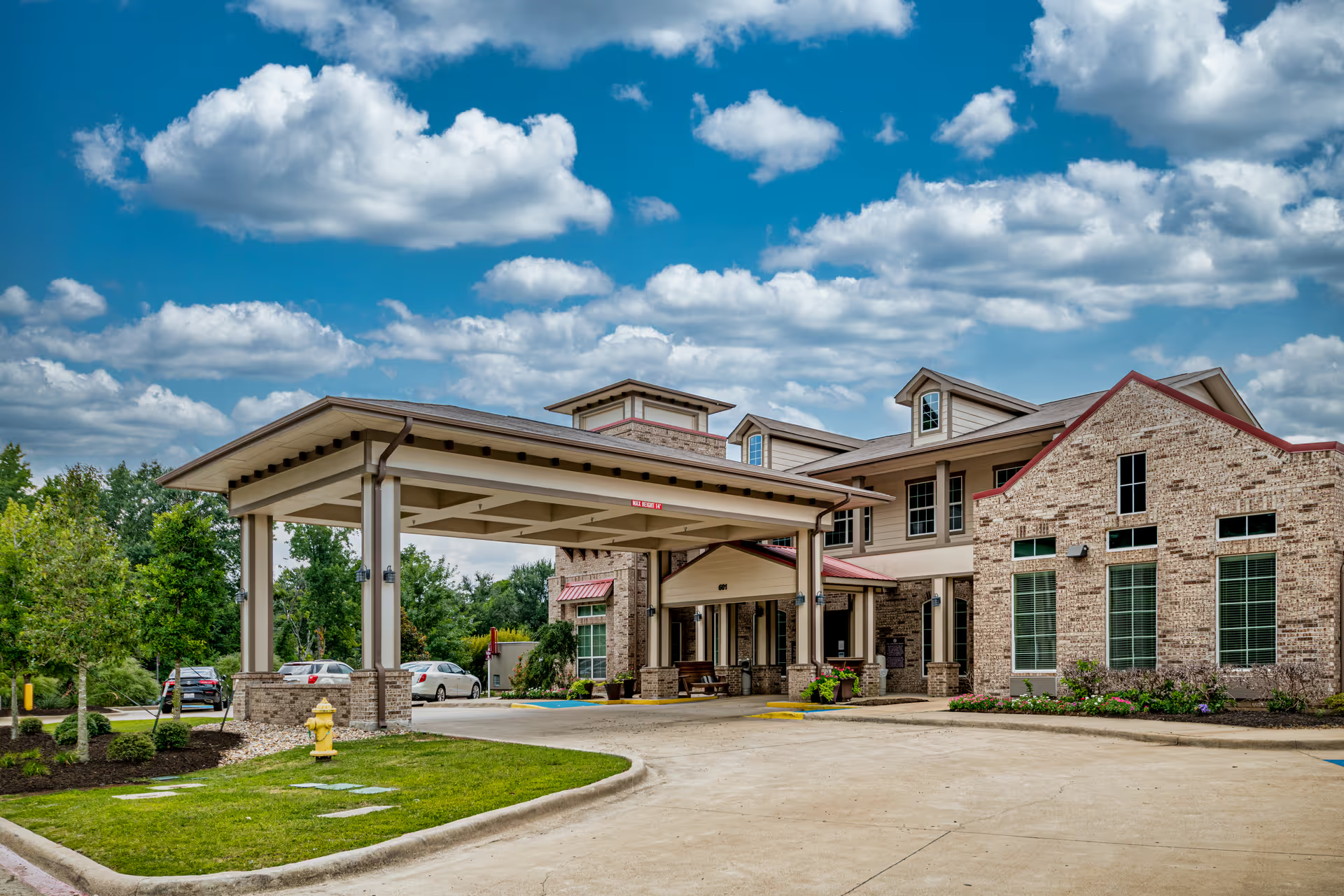
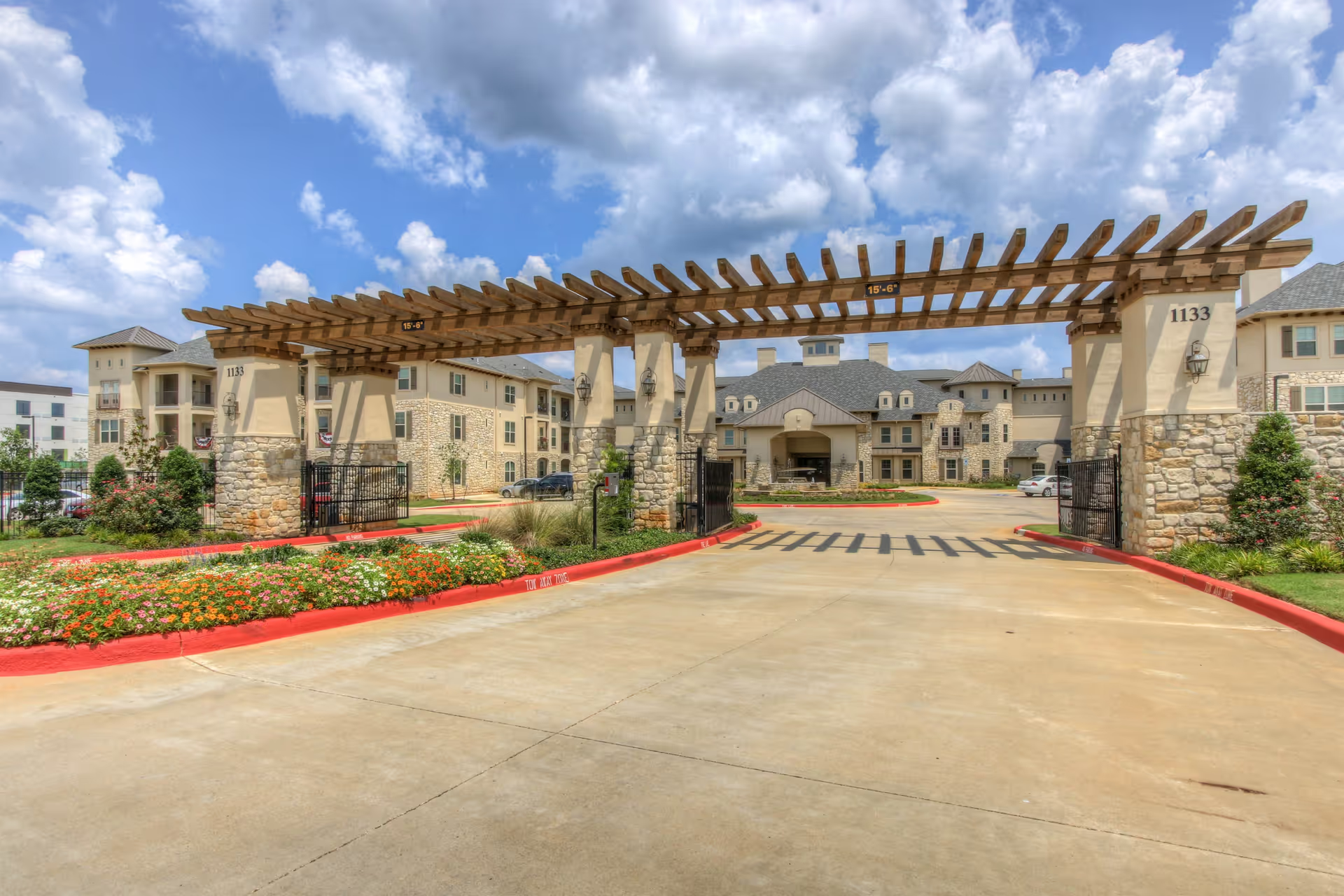
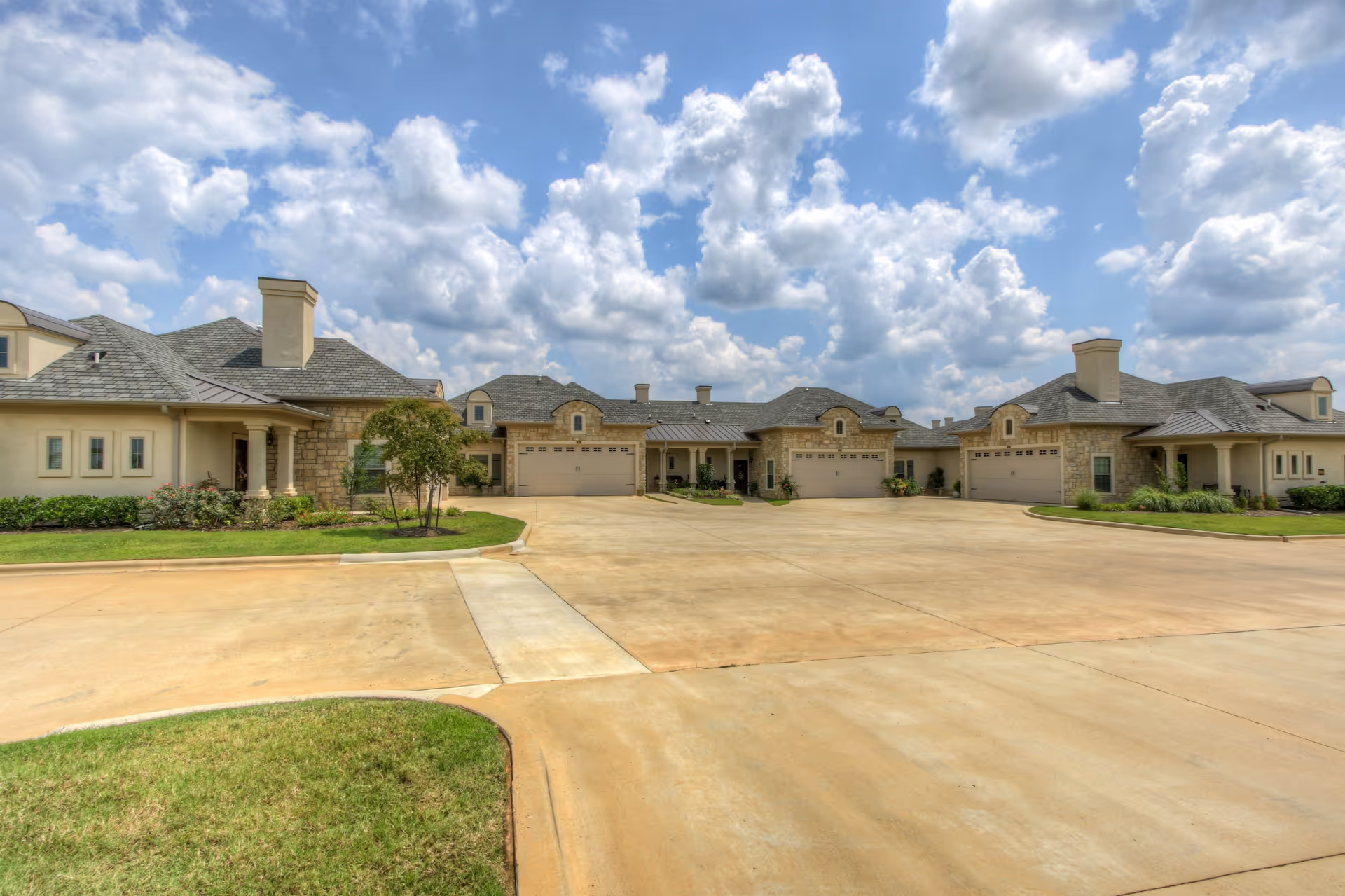
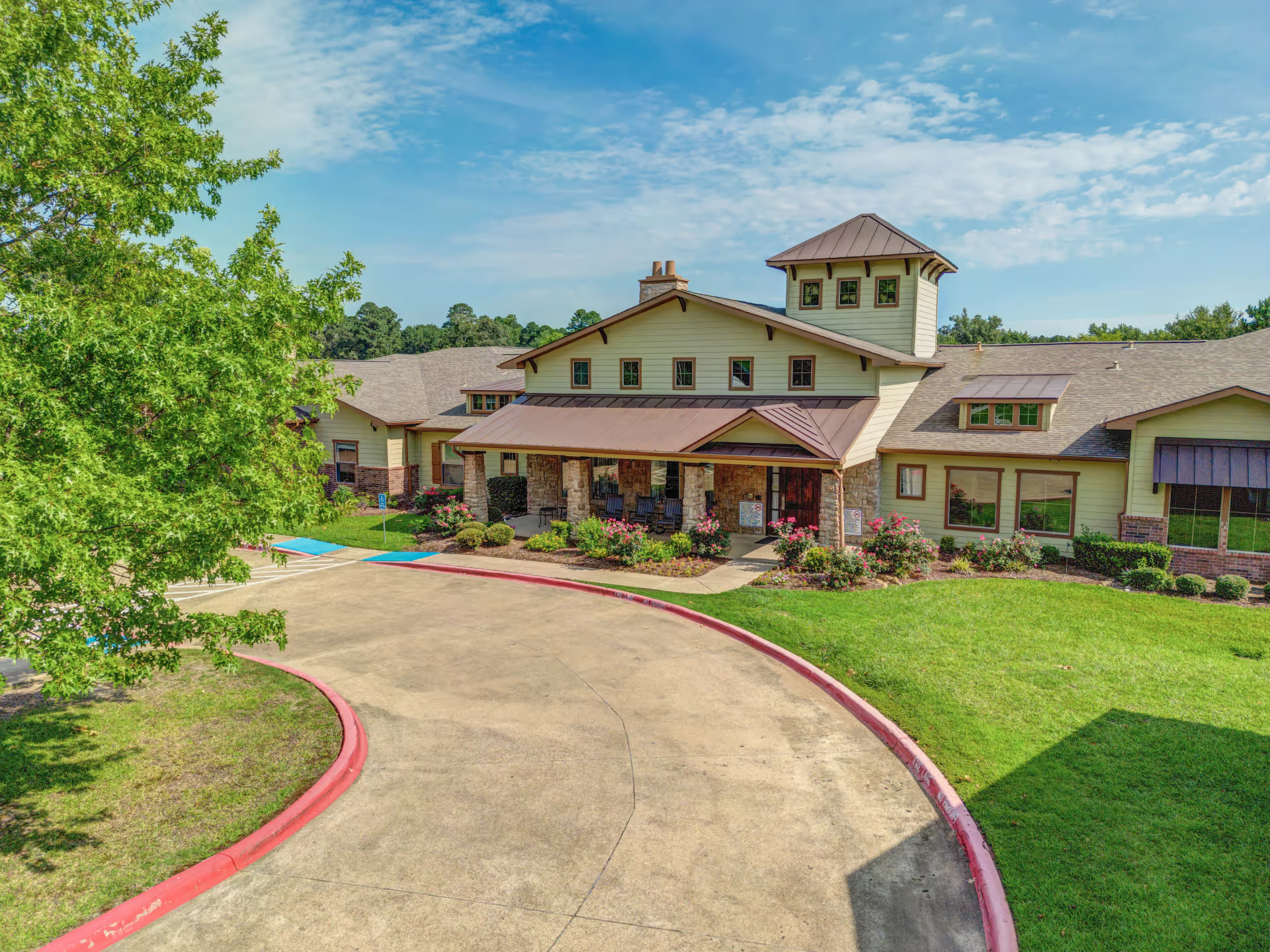
The reviews describe a facility with strong interpersonal strengths but notable operational inconsistencies. Many families and residents praise the caregiving teams, pointing to compassionate, attentive staff members (RAs, med techs, nurses) and engaged administrative personnel who make transitions easier. Emergency responsiveness and support during outages or other events are highlighted as reliable, and the community’s social life—activities, Bible study, chapel and musical programs—receives frequent positive mention. Several reviewers also value the location, comfortable apartment layouts, and ongoing renovations that have brightened parts of the campus.
Care quality is experienced unevenly. Where staff are present and consistent, families emphasize loving, attentive care and clear daily updates. However, recurring operational issues affect clinical reliability: reviewers raised medication-management concerns and noted gaps in clinical documentation and follow-through. Staffing patterns appear inconsistent, with evenings and weekends identified as periods of reduced coverage; this correlates with reports of delays in responding to call-button requests and slower aide availability. High staff turnover in some accounts also reduces continuity for long-term residents.
Dining and activities present a mixed picture. The activities program is a clear asset—residents report good engagement, friendships and a variety of social and faith-based offerings. Dining offerings are described positively in many reviews for variety, plating and accommodation of dietary needs, but there are repeated comments about inconsistent meal temperature and occasional service shortfalls in the dining room, particularly when staff are stretched.
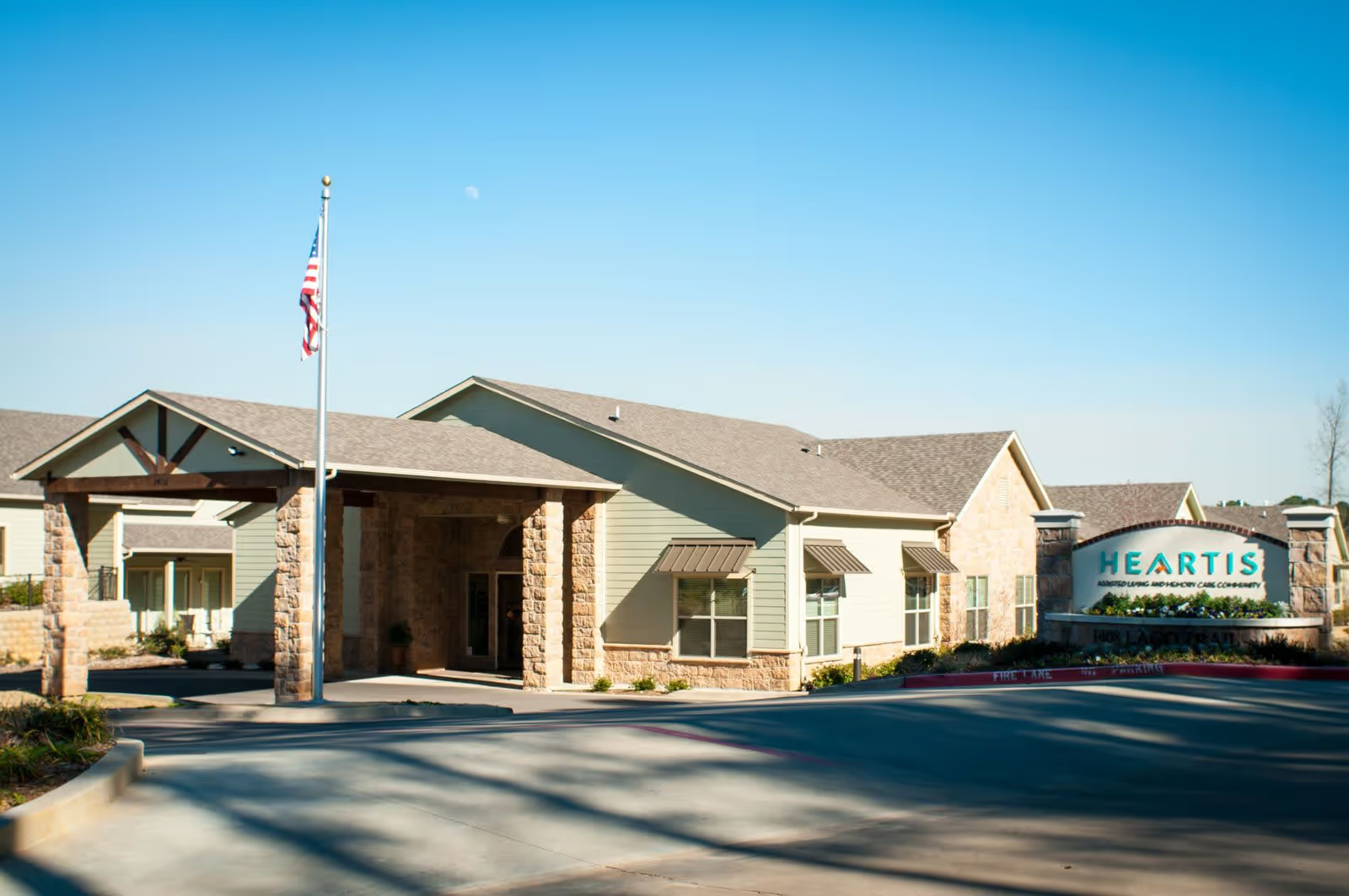
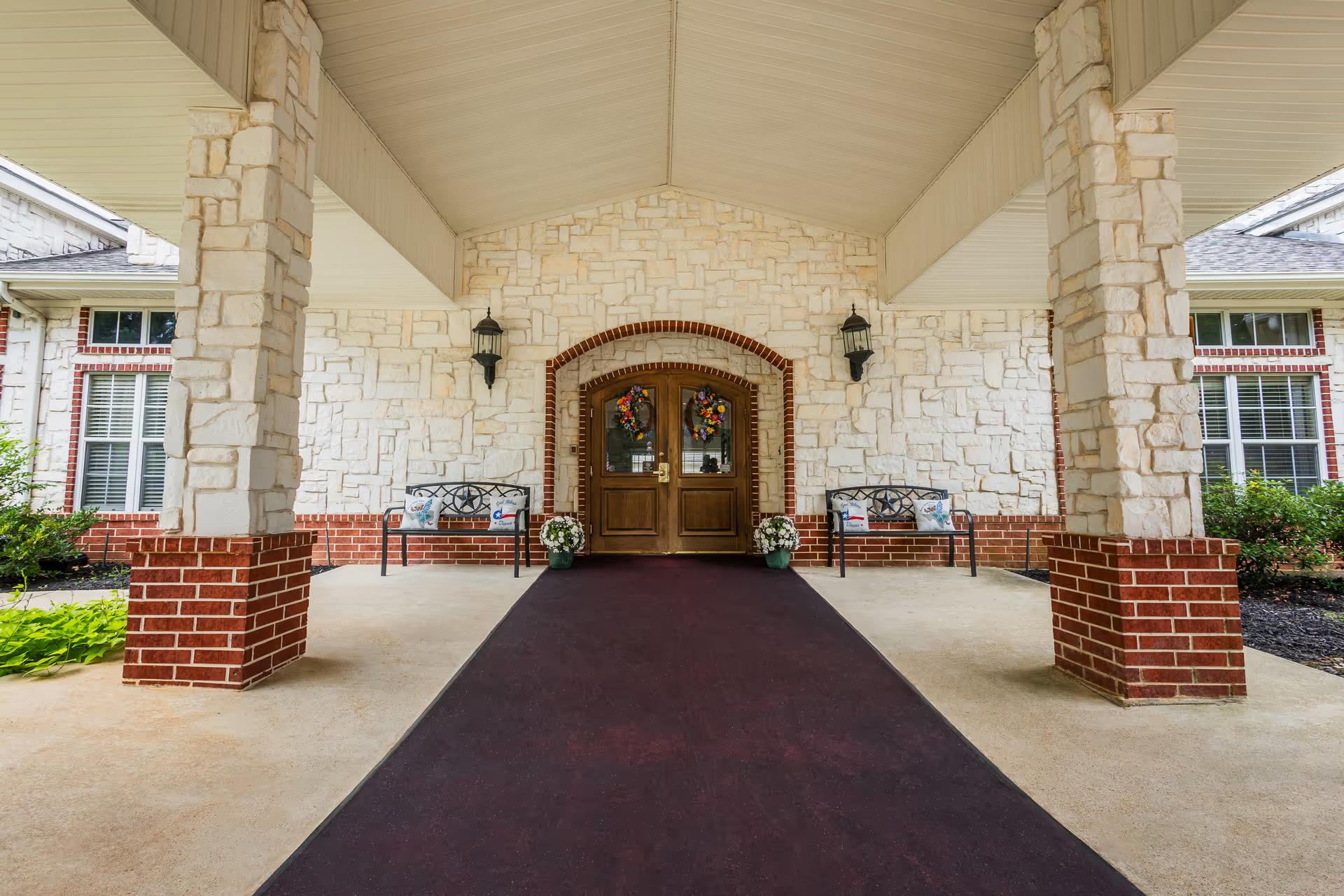
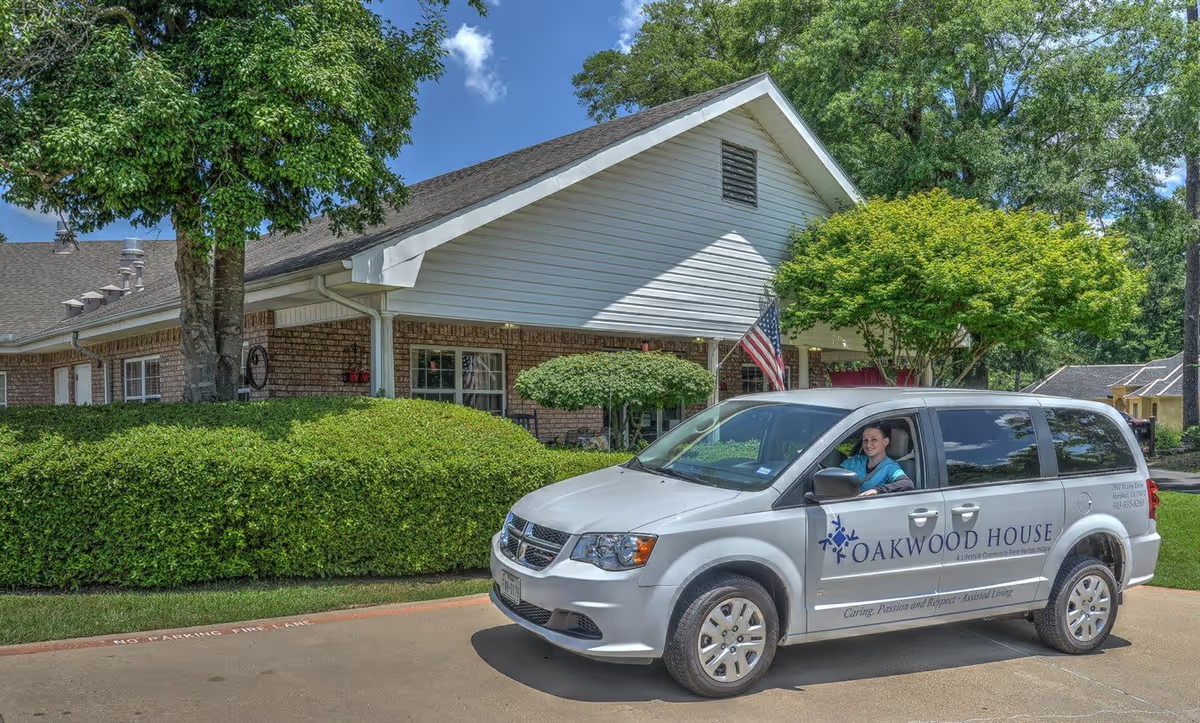
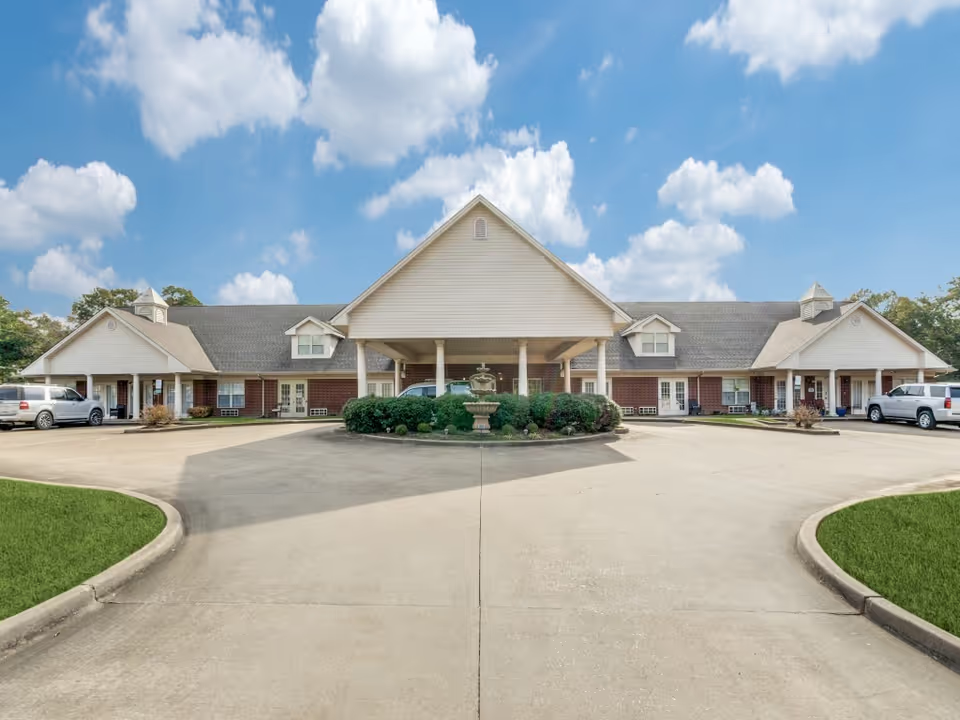
Facility condition and housekeeping vary across reports. Several reviewers praise clean, updated common spaces and attentive maintenance personnel who assist with room adjustments. At the same time, there are sanitation and pest-control concerns in some units and inconsistent housekeeping practices (linen and clothing-change frequency). Infrastructure reliability is an issue in places: air-conditioning, power resilience, and occasional transportation failures were cited. Portions of the building are noted as older or smaller and may present accessibility or aesthetic limitations for some families.
Management and administrative themes are similarly mixed. Admissions staff and certain managers receive praise for helpful tours and supportive move-ins. Yet there are persistent concerns about billing clarity, unexplained or duplicate charges, and cases where promised investigations or follow-up did not occur to family satisfaction. Communication gaps—instances where leadership appeared unaware of a resident’s status or where charge nurses were perceived as unhelpful—contributed to family frustration in some cases.
Notable patterns: the strongest and most consistent praise centers on staff compassion, engagement in activities, and community atmosphere. Conversely, the most consequential weaknesses are operational: staffing consistency, medication/clinical controls, sanitation oversight, billing accuracy, and reliability of building systems and transportation. Prospective residents and families should weigh the high marks for interpersonal care and community life against these operational risks. Practical steps when evaluating the facility include asking about current staffing ratios (nights/weekends), medication-administration protocols and documentation, recent pest-control and housekeeping audits, specifics of emergency power and HVAC reliability, transportation scheduling, and a clear, itemized explanation of billing practices and final rent/fees before move-in.