Overall impression: Reviews present a polarized picture of the facility. Many families and residents describe a warm, home-like environment with attentive, affectionate caregivers and visible administrative leadership. At the same time, multiple accounts raise substantial operational concerns—most notably around housekeeping and resident-room sanitation—that contrast sharply with the positive descriptions of common areas and routine care.
Care and staff: Care quality is frequently described as compassionate and hands-on. Reviewers repeatedly highlight patient, friendly aides and nurses who provide individualized attention and go beyond basic tasks. Leadership and specific staff members receive direct praise for improving atmosphere and responsiveness. However, there is also variability in perceived professionalism and responsiveness: while many families praise staff demeanor and attentiveness, others describe instances that suggest inconsistent staff performance and communication.
Dining and activities: Dining is generally viewed positively; meals are described as enjoyable and competently prepared. The activity program is another consistent strength, with organized events and social opportunities contributing to resident engagement and fellowship. A recurring programmatic gap is access to regular spiritual or worship services—some families explicitly request more consistent offerings such as Sunday services.
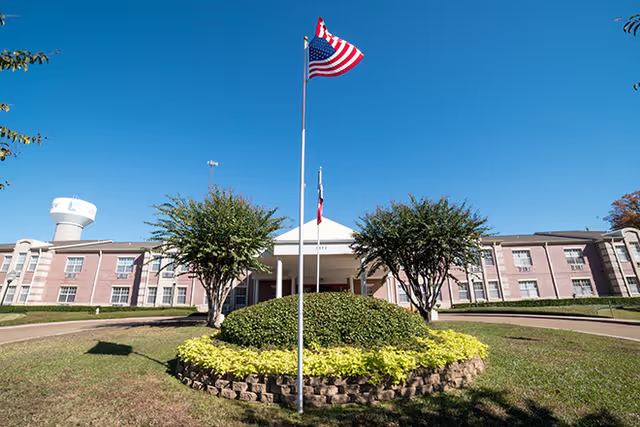
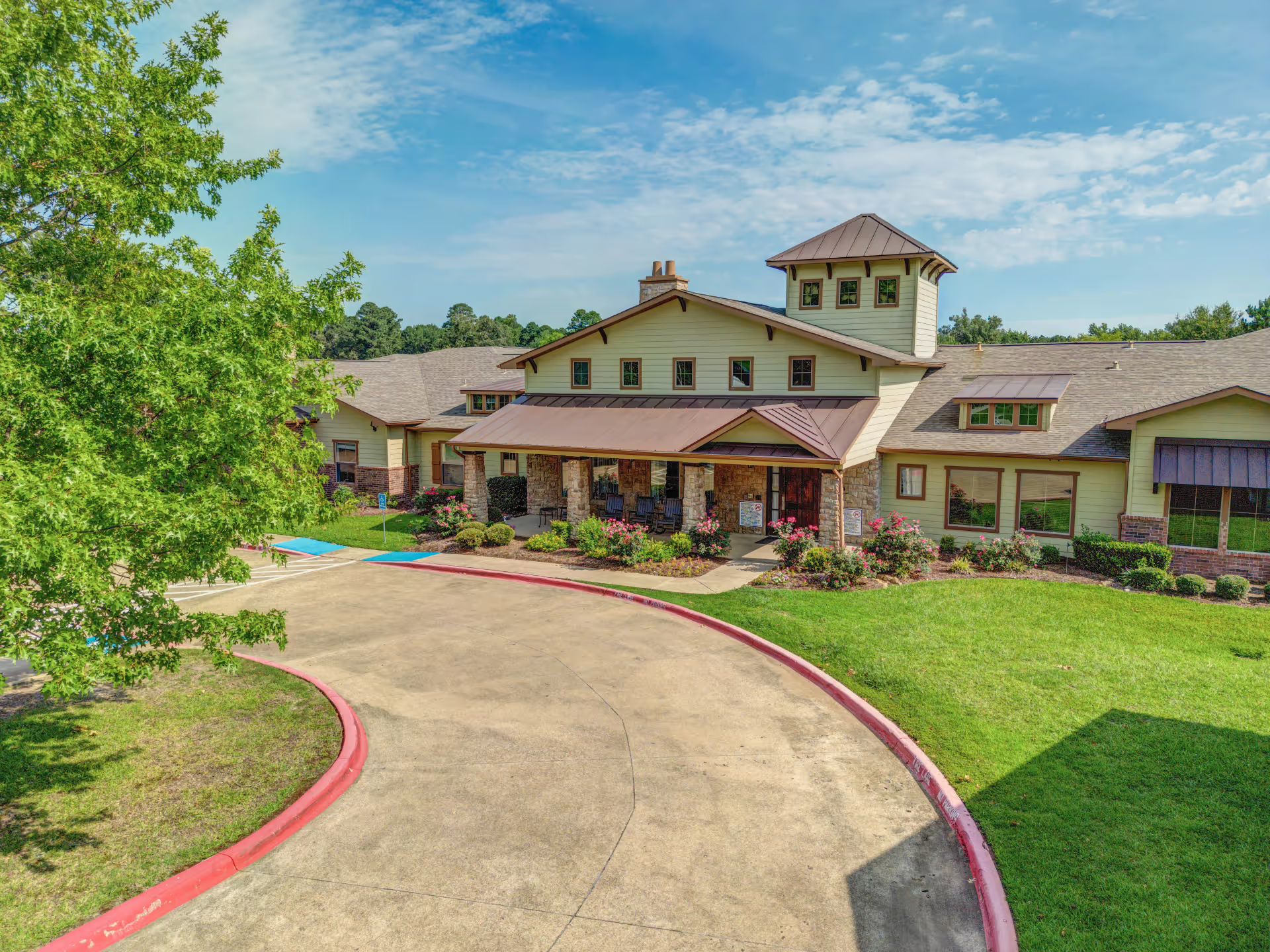
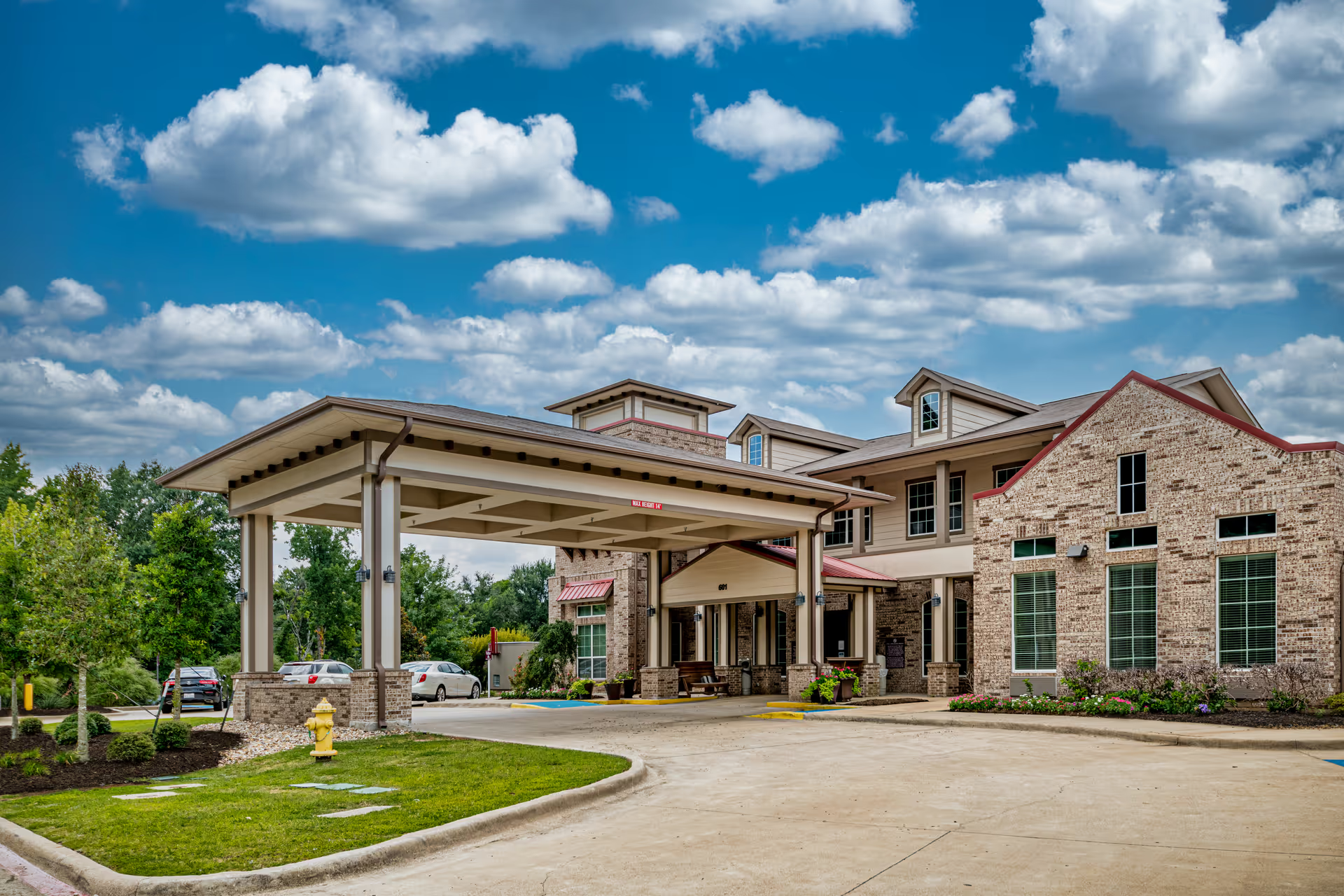
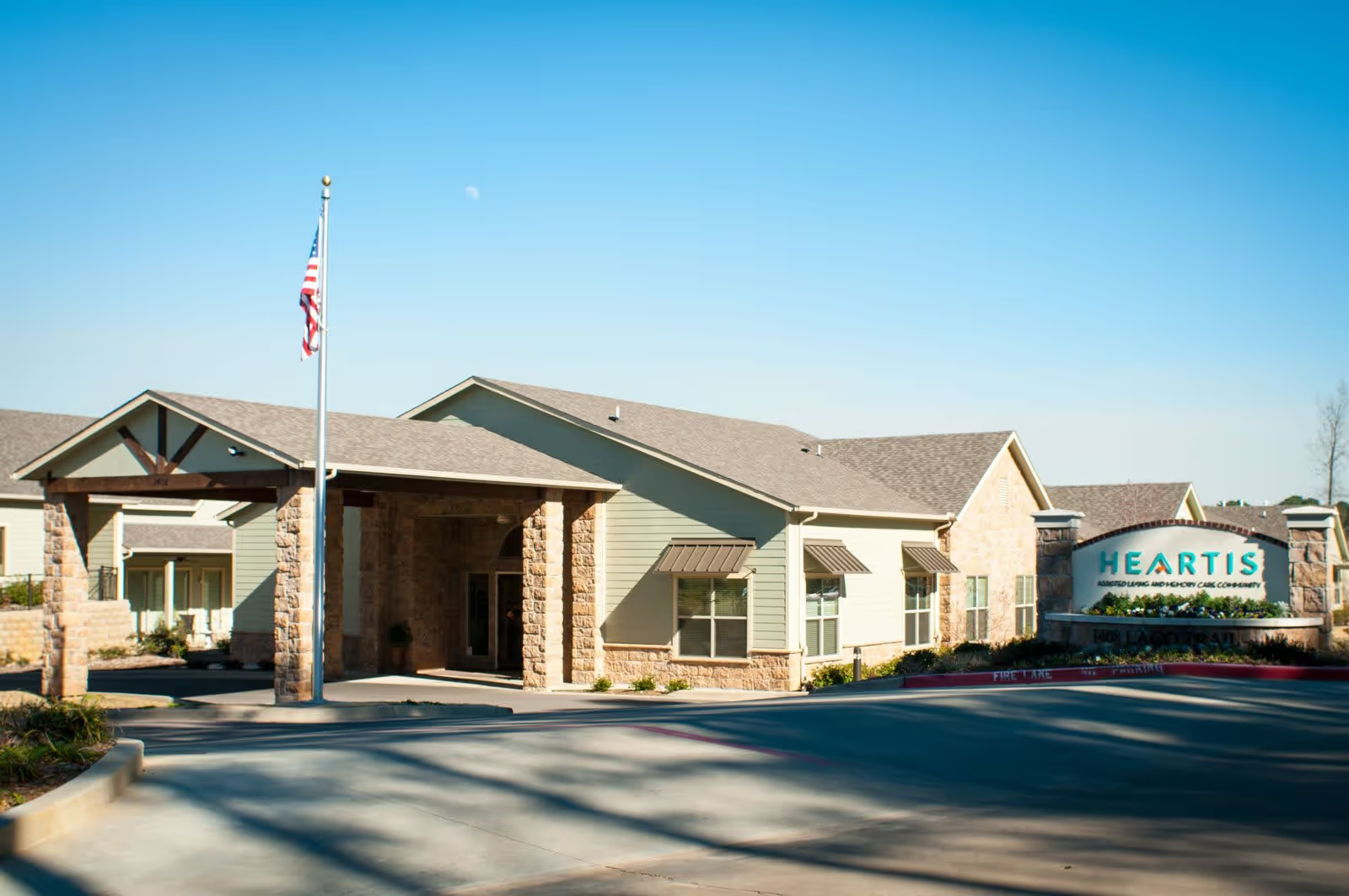
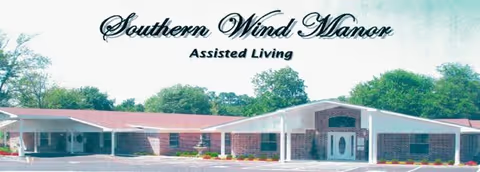
Facilities and cleanliness: The facility’s common spaces are often described as attractive, quiet, and well maintained. Despite that, several families reported significant housekeeping shortfalls affecting resident rooms and restroom sanitation; these accounts include odor concerns and delayed restroom care. This creates a mixed picture in which communal areas appear well kept while some private-room sanitation and incontinence-care practices are inconsistent.
Management and operations: Many reviewers praise recent administrative improvements and named leaders who have positively influenced culture. At the same time, operational issues are evident: recruitment and retention of housekeeping staff, allocation of staff duties away from core cleaning responsibilities, and perceived budgetary choices affecting staffing levels are recurring themes. These operational patterns appear to underpin the sanitation concerns and create variability in family satisfaction.
Notable patterns and implications: The dominant pattern is one of contrast—a generally caring, engaging staff and pleasant facility environment alongside intermittent but significant housekeeping and operational failures. For prospective residents and families this suggests the facility offers strong interpersonal and programming strengths, but they should seek clear commitments on housekeeping staffing, restroom/incontinence-care protocols, and availability of spiritual services. Clarifying how management addresses staffing allocation and maintains consistent housekeeping coverage would be prudent when evaluating placement.