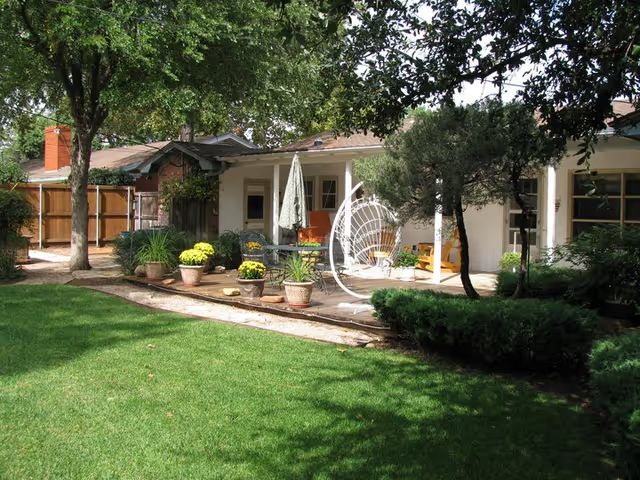
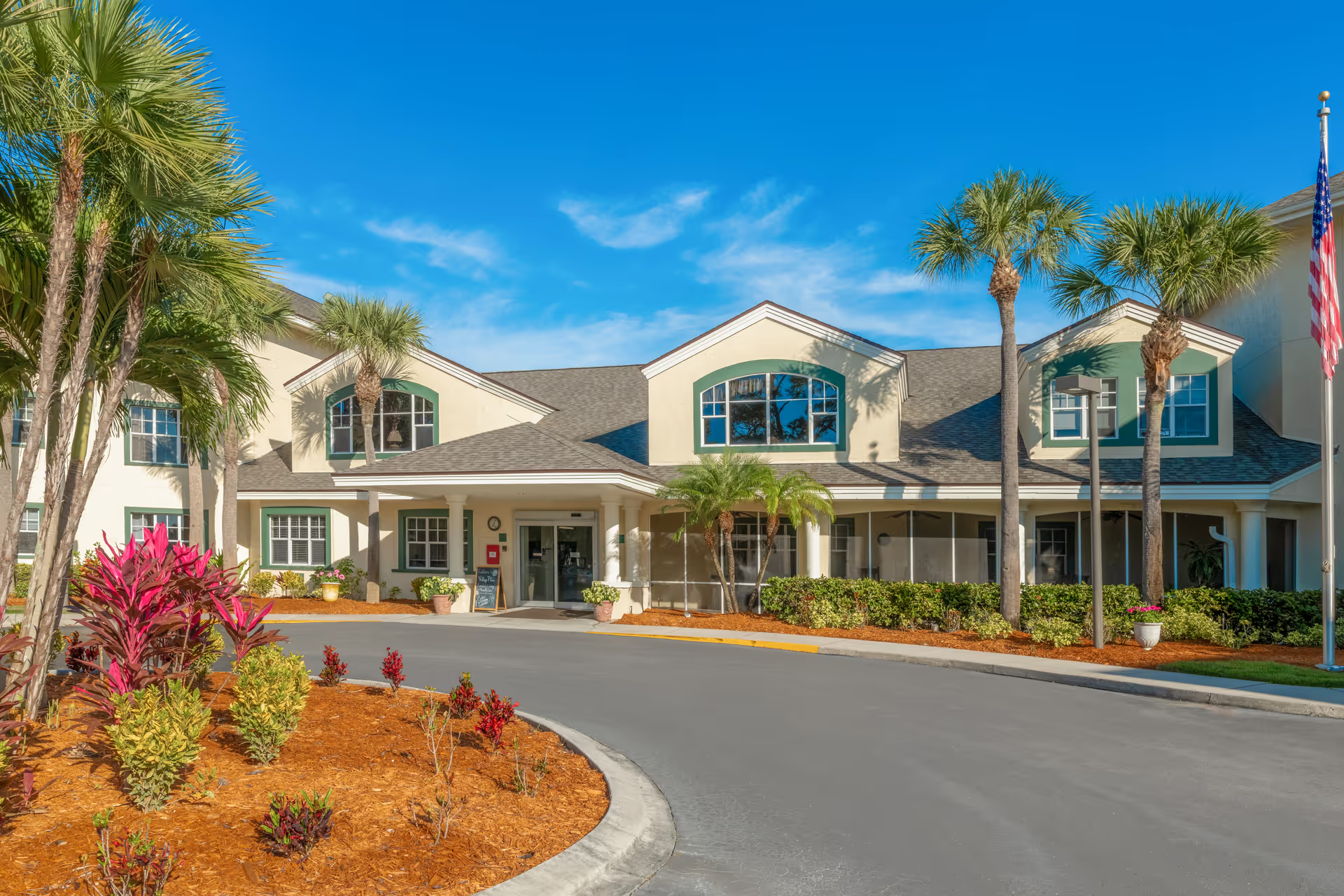
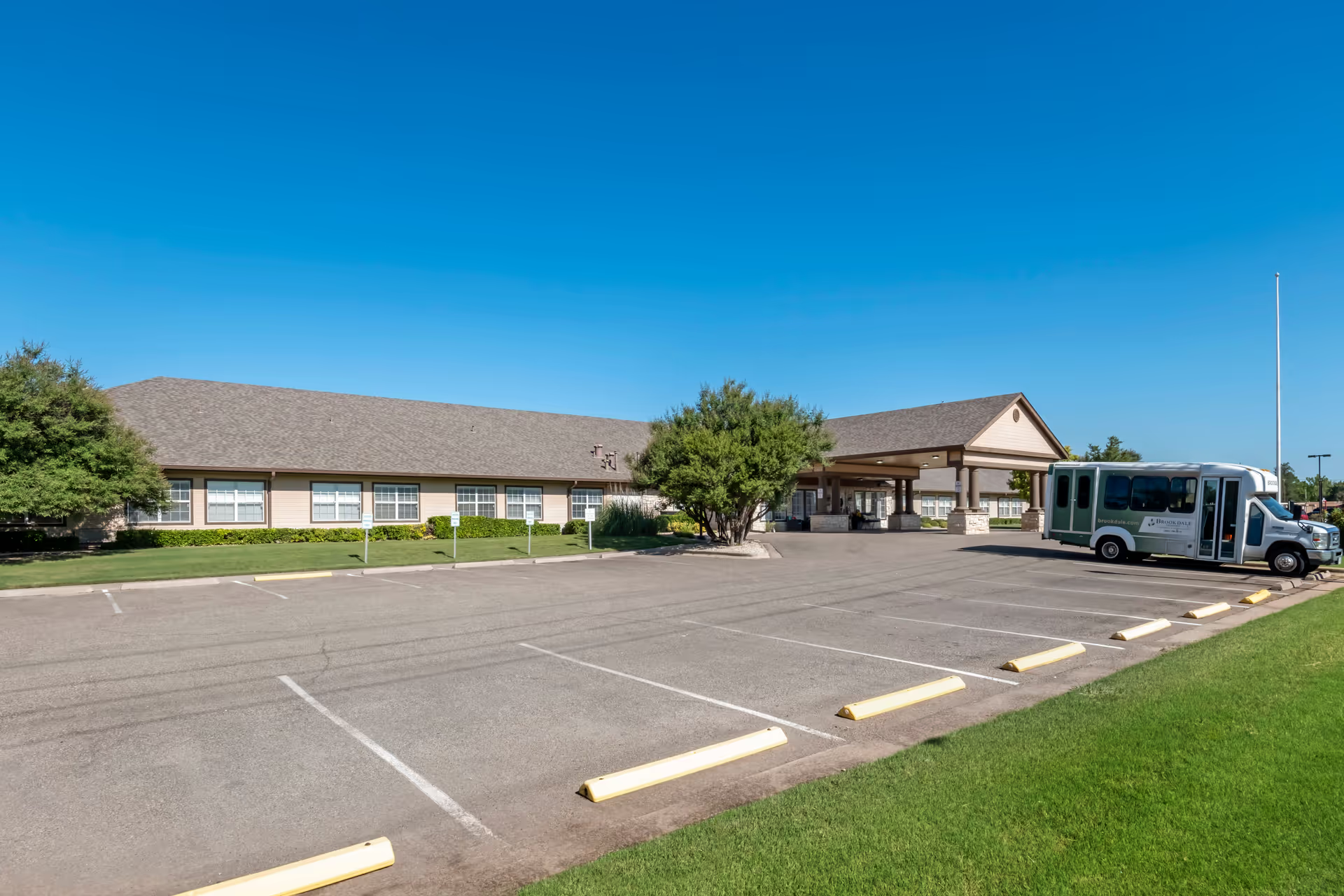
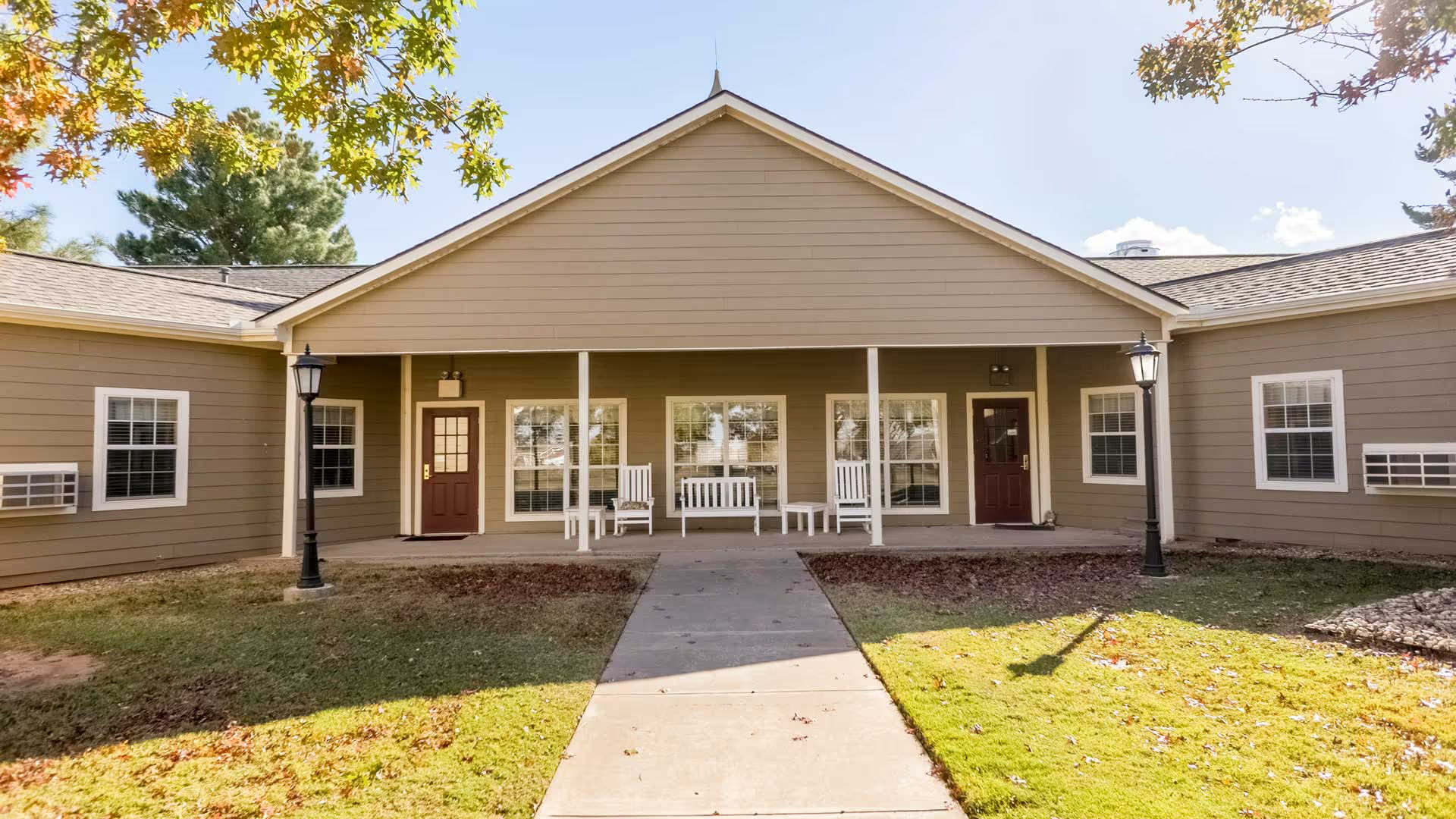
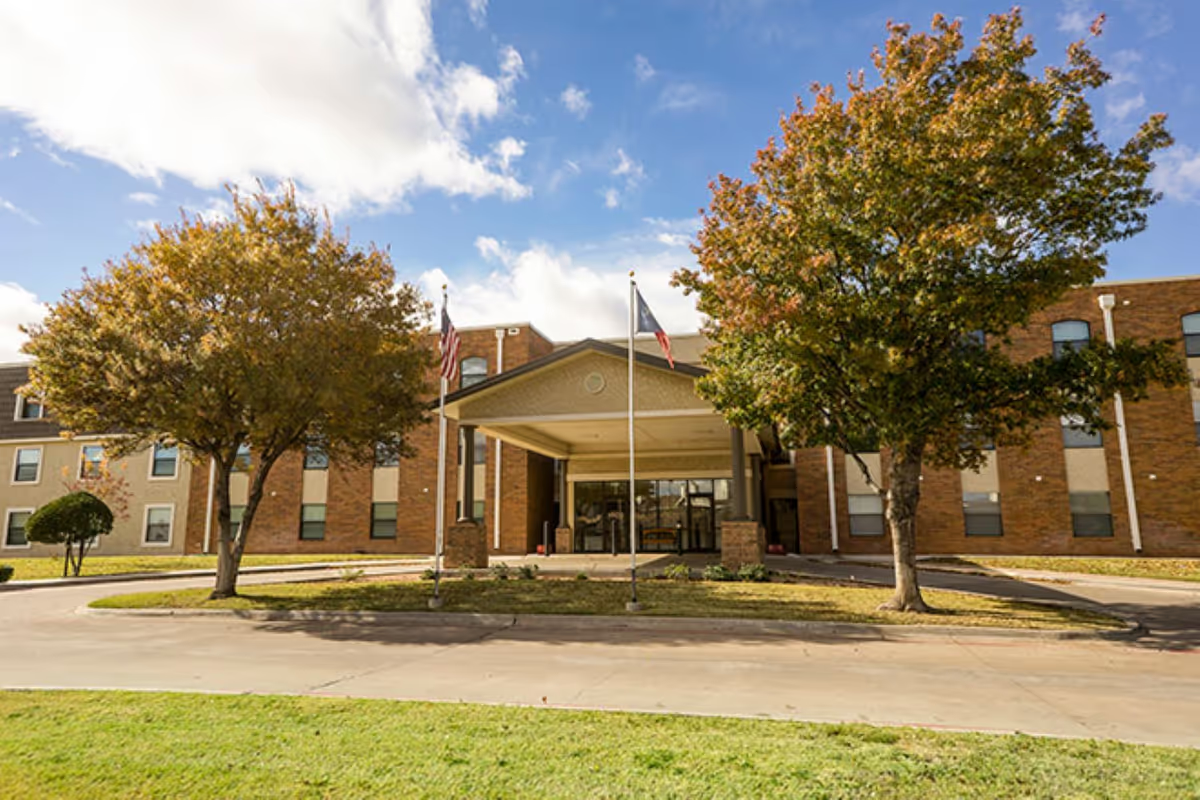
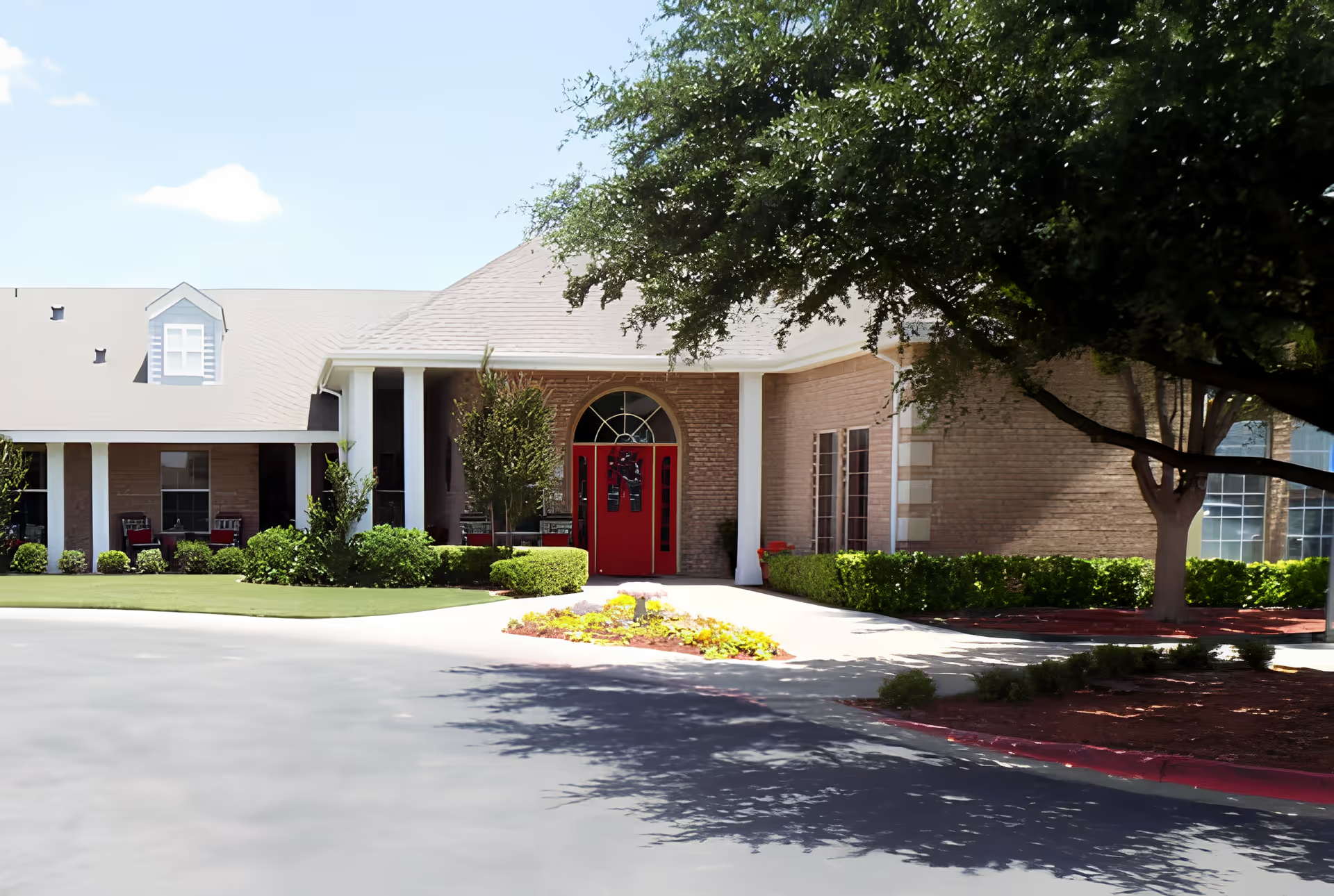
The reviews for Bender Terrace Nursing and Rehabilitation Center are strongly polarized, with a mix of sustained positive experiences and serious operational concerns. Many accounts highlight a warm, community-oriented atmosphere, active programming, and staff members who are compassionate and engaged. Several families described clear channels of communication, effective care coordination, and visible leadership involvement that contributes to a sense of continuity and social engagement for residents. Positive features frequently cited include regular activities, transportation and housekeeping services, small private rooms, attentive CNAs and nurses, and an overall sense of community among long-tenured staff.
At the same time, a number of reviews raise significant facility-level concerns that merit attention. Cleanliness and sanitation controls are described inconsistently across accounts, and there are specific indications of pest-control and odor-management issues. Multiple comments point to insufficient staffing levels or variability that appears to contribute to delays in personal care (for example, bathing and hygiene assistance) and gaps in supervision. Reviewers also described instances of poor communication tone or dismissive interactions from some staff members, creating uneven experiences for families and residents.
Dining and physical plant issues recur in the feedback. Menu quality and variety are described as inconsistent, with some families characterizing meals as repetitive or of low quality. The building and resident rooms are characterized both as well-maintained by some and as aging or outdated by others; maintenance shortfalls such as worn beds or older furnishings were noted alongside accounts of clean common areas. Temperature control and access to thermostat adjustments were also mentioned as limitations at certain times.
Clinical and safety concerns reported include gaps in infection-control follow-up, end-of-life care communication, and wound or injury monitoring. Several accounts describe delayed responses to resident needs and concerns about supervision, which some families interpreted as safety risks. Management-related feedback is similarly mixed: some reviewers praise an engaged administrator and effective coordinators, while others describe the leadership as insufficiently responsive or motivated by financial priorities. These contrasting perspectives suggest variability in unit-level practices or recent operational changes.
What emerges is a facility with clear strengths in staff who provide compassionate, engaging day-to-day care and a strong activities program, coupled with operational weaknesses that include inconsistent sanitation and pest control, staffing variability, maintenance of older infrastructure, and uneven management responsiveness. Prospective residents and their families should consider an in-person tour focused on current housekeeping and pest-control practices, staffing levels on the unit(s) of interest, recent infection-control procedures, sample menus, and the facility’s incident-communication processes. Asking for recent inspection records, staffing ratios, and references from current families can help validate whether the strengths cited align with the specific unit or wing under consideration.