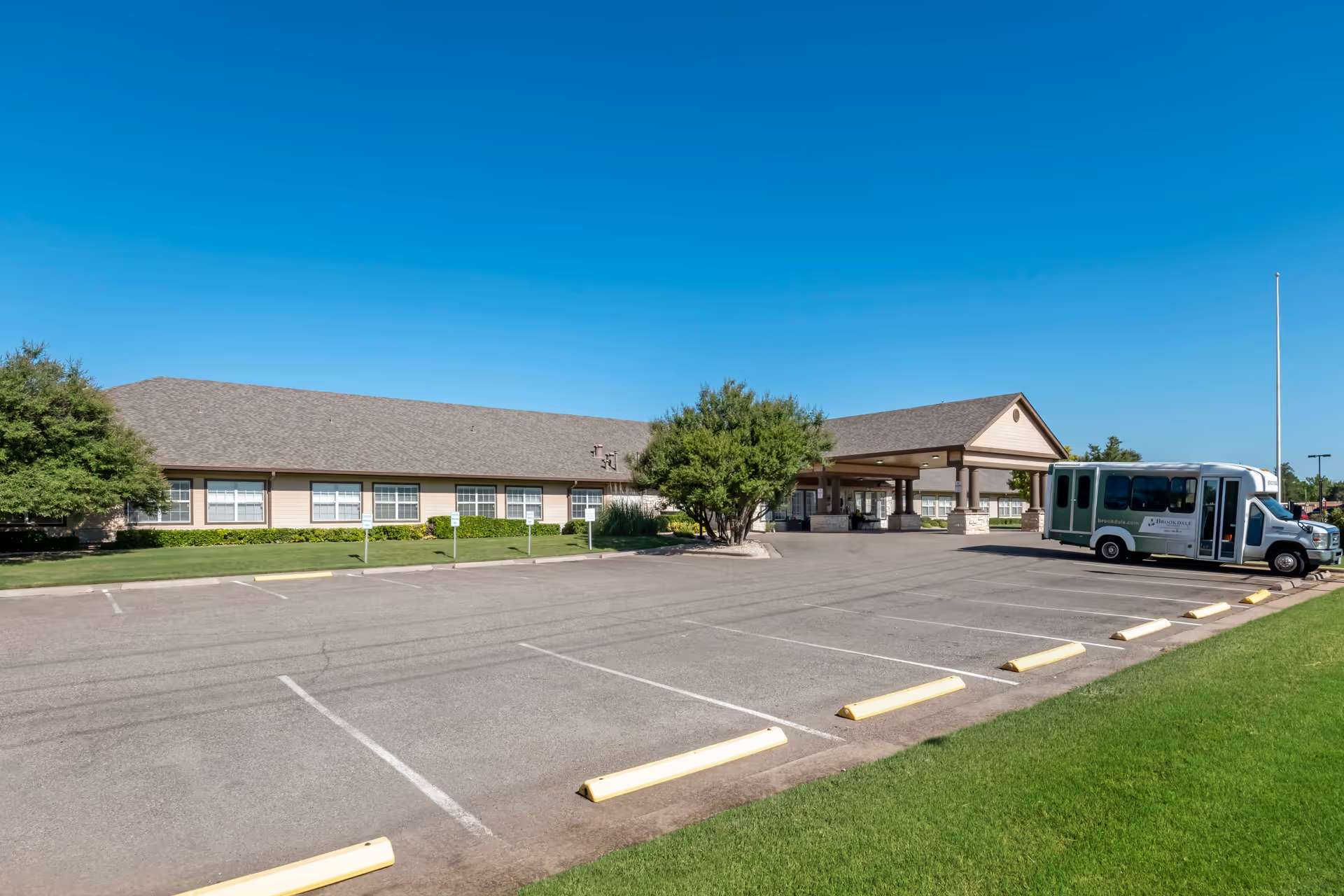
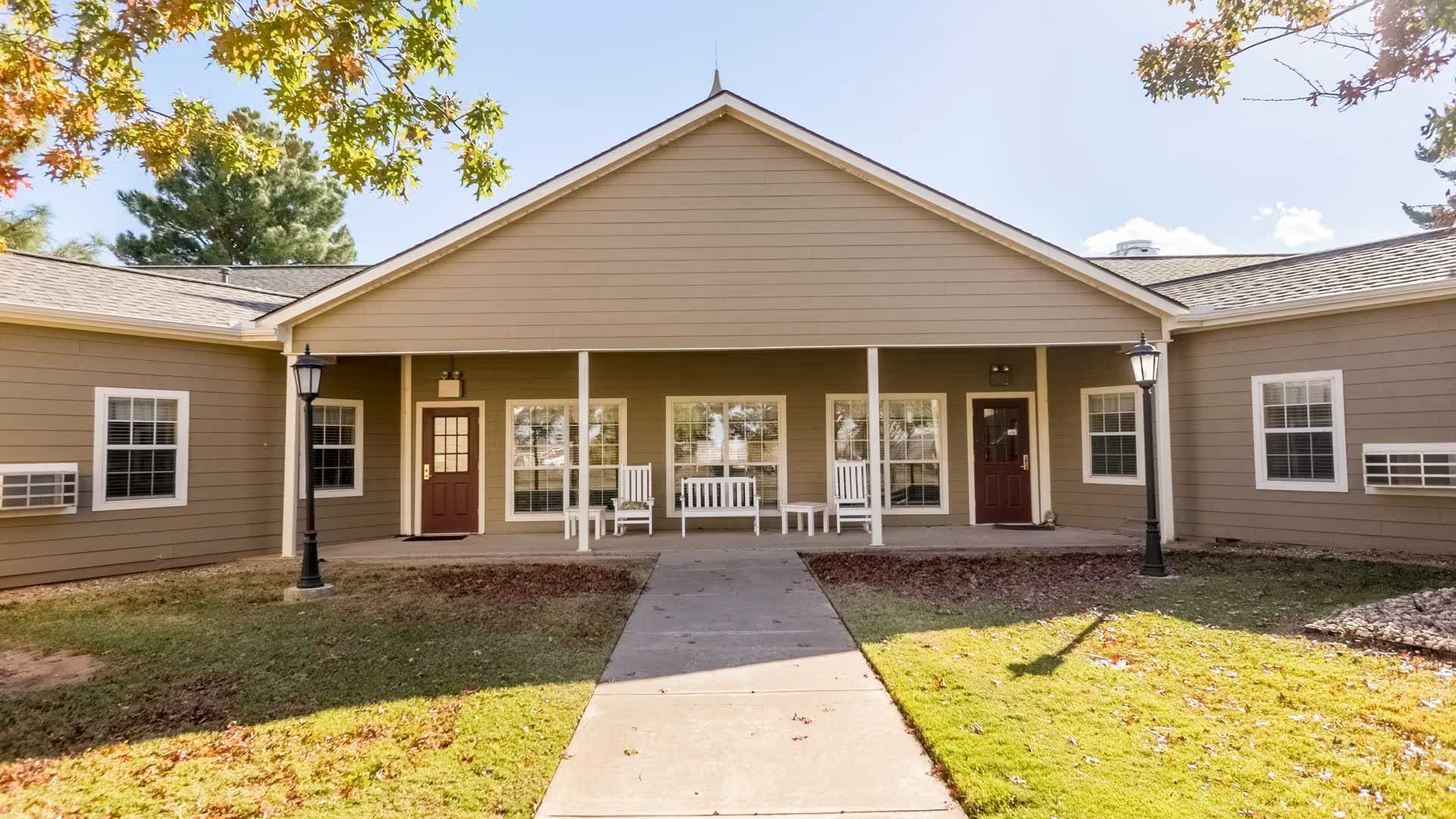
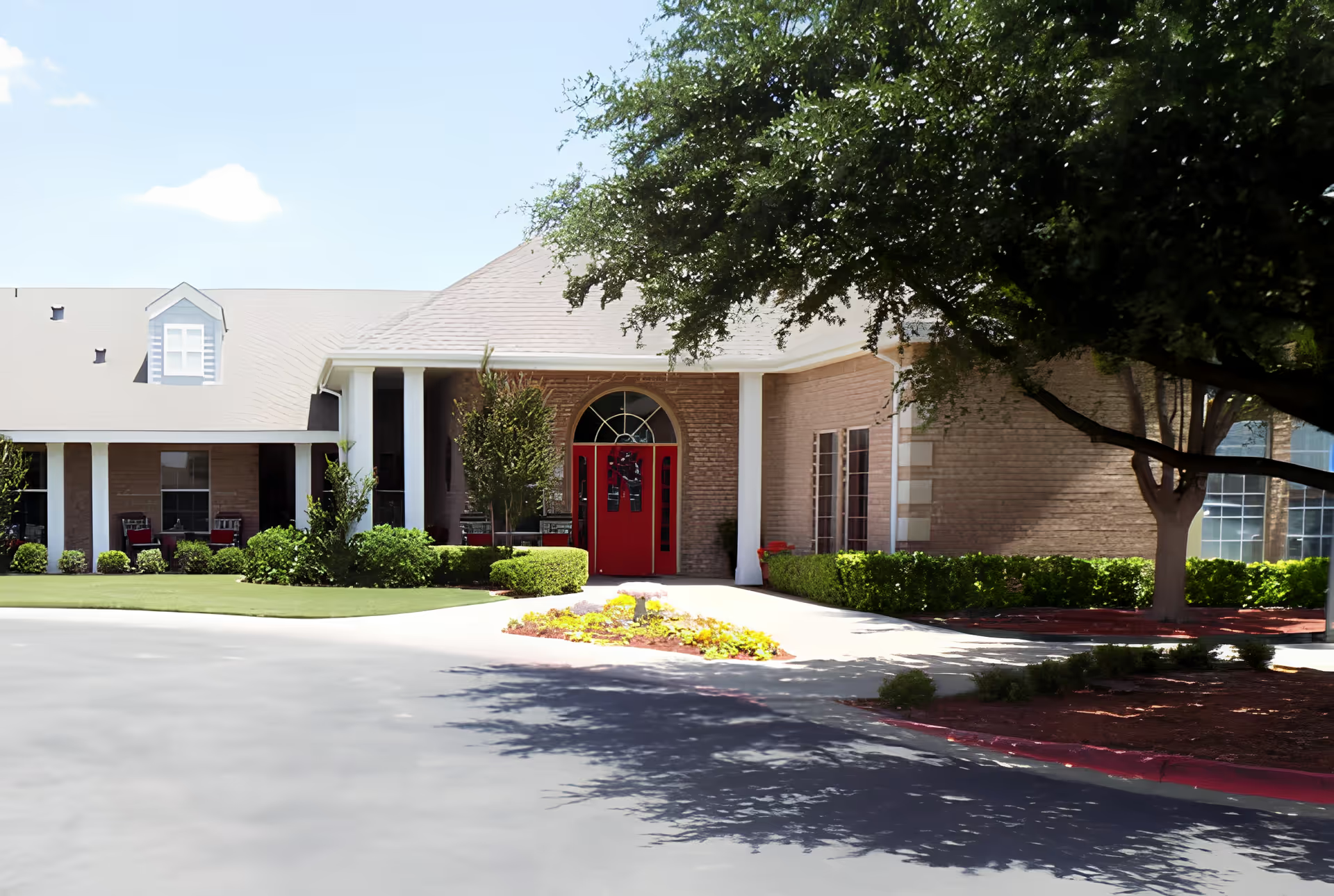
This facility elicits strongly mixed responses: many reviewers describe genuinely caring staff, a strong therapy program, and hospitality-oriented features, while others raise substantive concerns about consistency of clinical care, housekeeping, and management stability.
Care quality is a central theme. Positive accounts emphasize attentive nursing, effective rehabilitation services, on-site dialysis, regular provider rounds, and coordinated specialty visits. Therapy teams and rehabilitation outcomes are frequently cited as strengths. Conversely, reviewers describe delays in diagnostics and treatments, medication-administration issues, and instances where prescribed respiratory or wound-care interventions were not promptly delivered. Those patterns suggest variability in clinical processes and handoff reliability rather than uniformly poor capability.
Staff behavior and staffing patterns present a mixed picture. Numerous comments praise individual nurses, aides, and administrators for warmth, professionalism, and family communication. At the same time, high turnover, limited staffing levels, and variable training—particularly among medication aides—are recurring operational weaknesses. These staffing challenges correlate with reports of delayed responses to call alarms, inconsistent assistance with activities of daily living, and occasional communication-timing problems with families.
Dining and activities are described both positively and negatively. The facility offers hospitality-style service, room-service responsiveness, scheduled activities, technology-based engagement (IN2L), and pet therapy programs that families and residents value. Yet other reviewers describe repetitive menus or inconsistent meal quality, indicating that dining experience may vary by unit or shift.
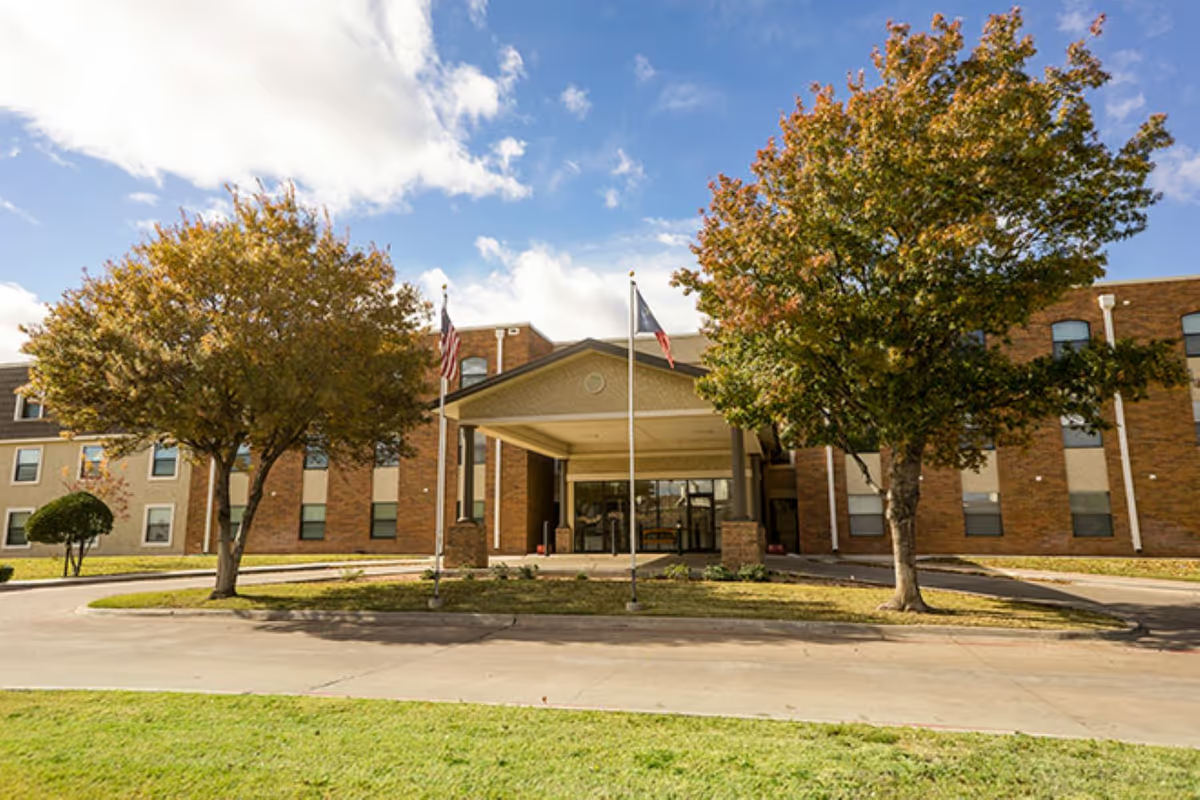
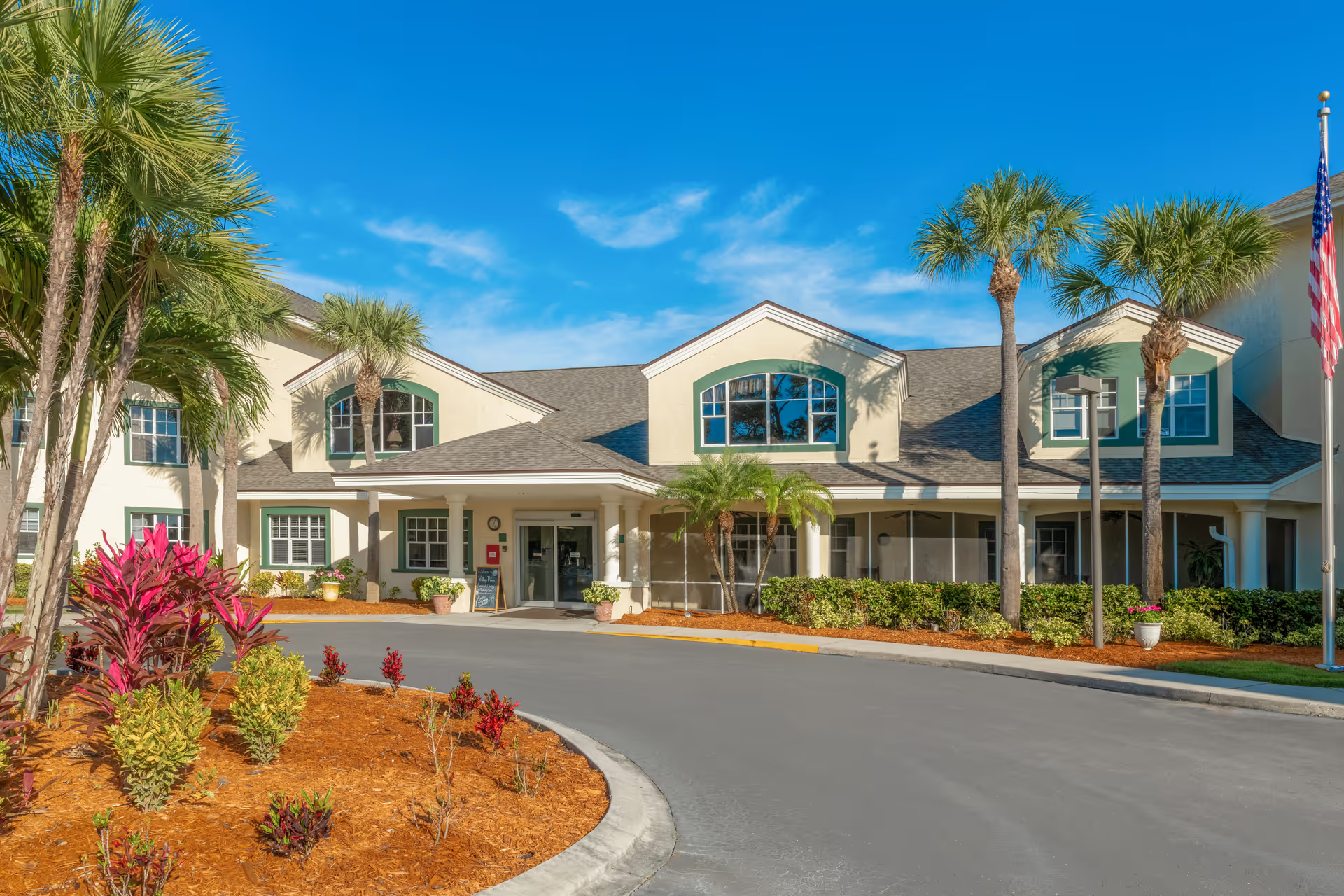
Facility condition and housekeeping show improvement in some areas (new flooring, bright corridors, clean public spaces) but also notable inconsistencies. Concerns include uneven room cleaning and sanitization, linen and towel management problems, odor concerns in some areas, accessibility issues at external entrances, and variable in-room amenities. These discrepancies point to uneven housekeeping protocols and maintenance follow-through.
Management and administrative patterns are similarly mixed. Several families highlight helpful administrators, an engaged DON, and a responsive social-work team, while others cite frequent leadership changes and gaps in complaint resolution. There are also serious individual-level allegations—including concerns about personal-item management—that merit direct inquiry by prospective families and, where appropriate, reporting to oversight bodies.
Notable patterns: strengths concentrate around rehabilitation, hospitality-oriented services, and visible, caring staff members. Weaknesses cluster around inconsistent staffing, variable clinical reliability, housekeeping and sanitation lapses, and management turnover. Prospective residents and families should tour the facility, observe staff responsiveness and cleanliness on multiple units and shifts, ask about current staffing ratios and turnover, clarify medication-administration and wound-care protocols, and verify policies for personal-item security and complaint escalation before making a placement decision.