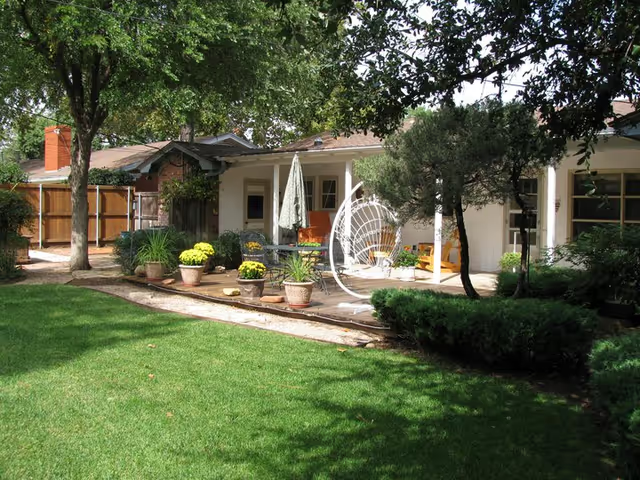
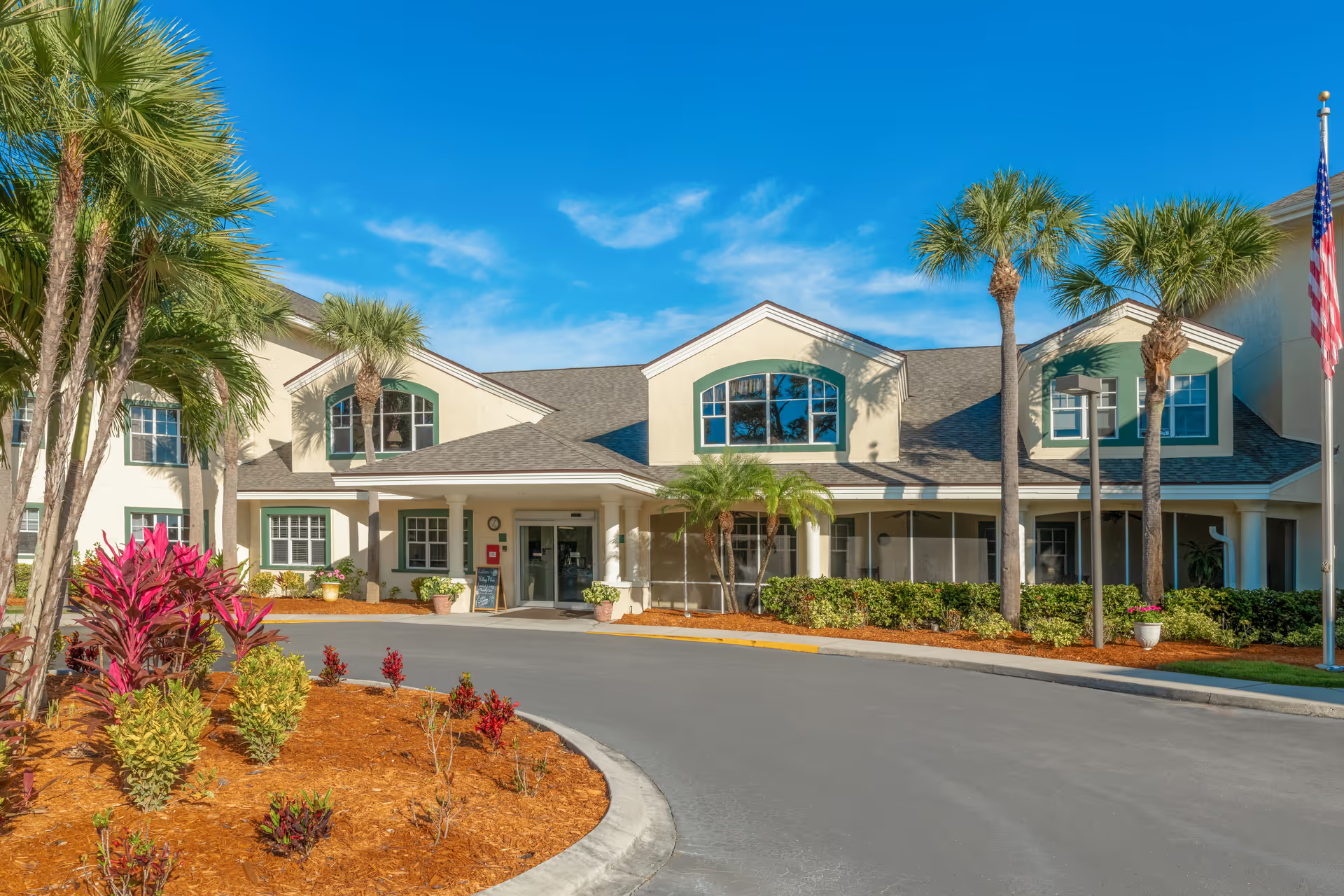
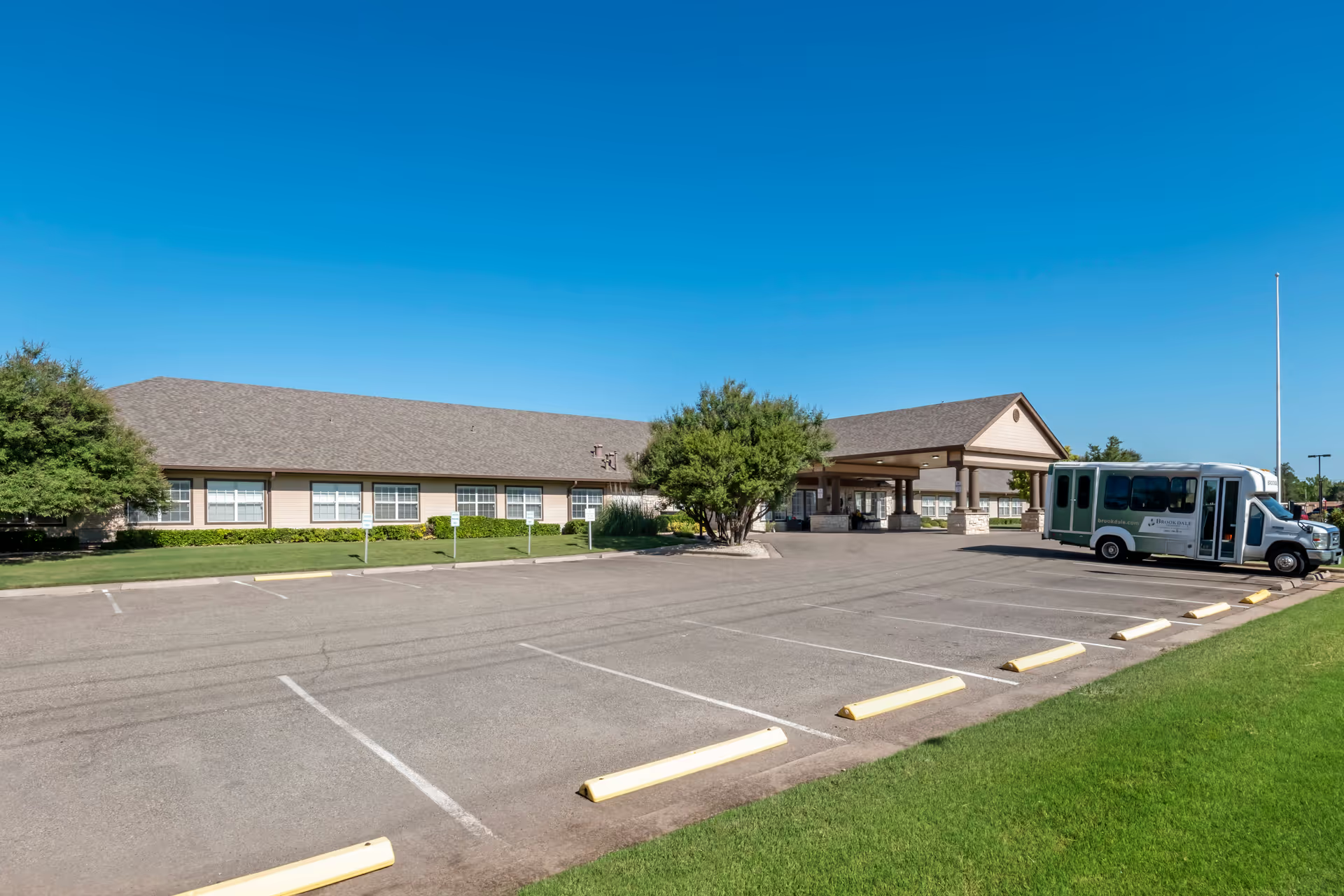
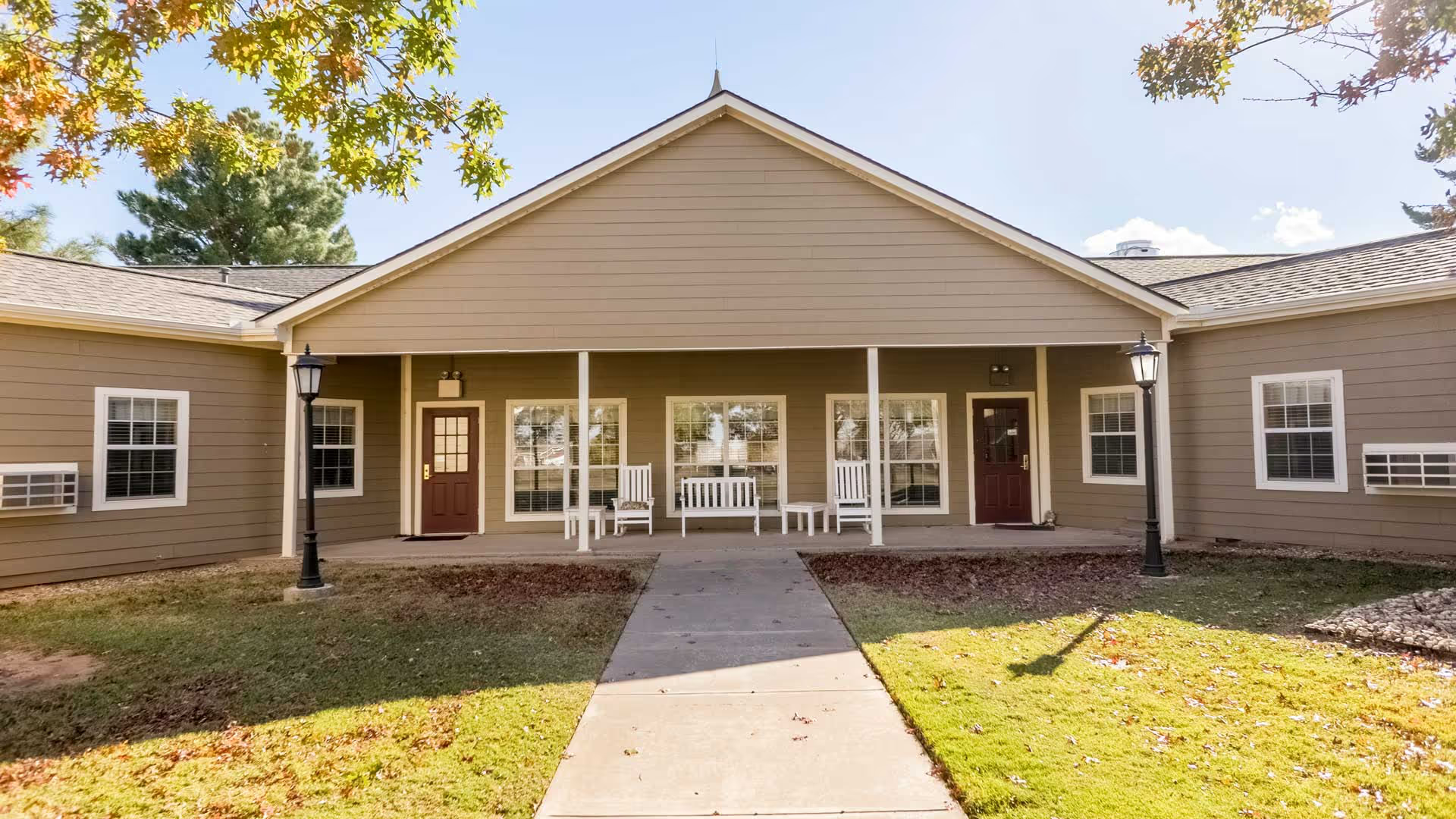
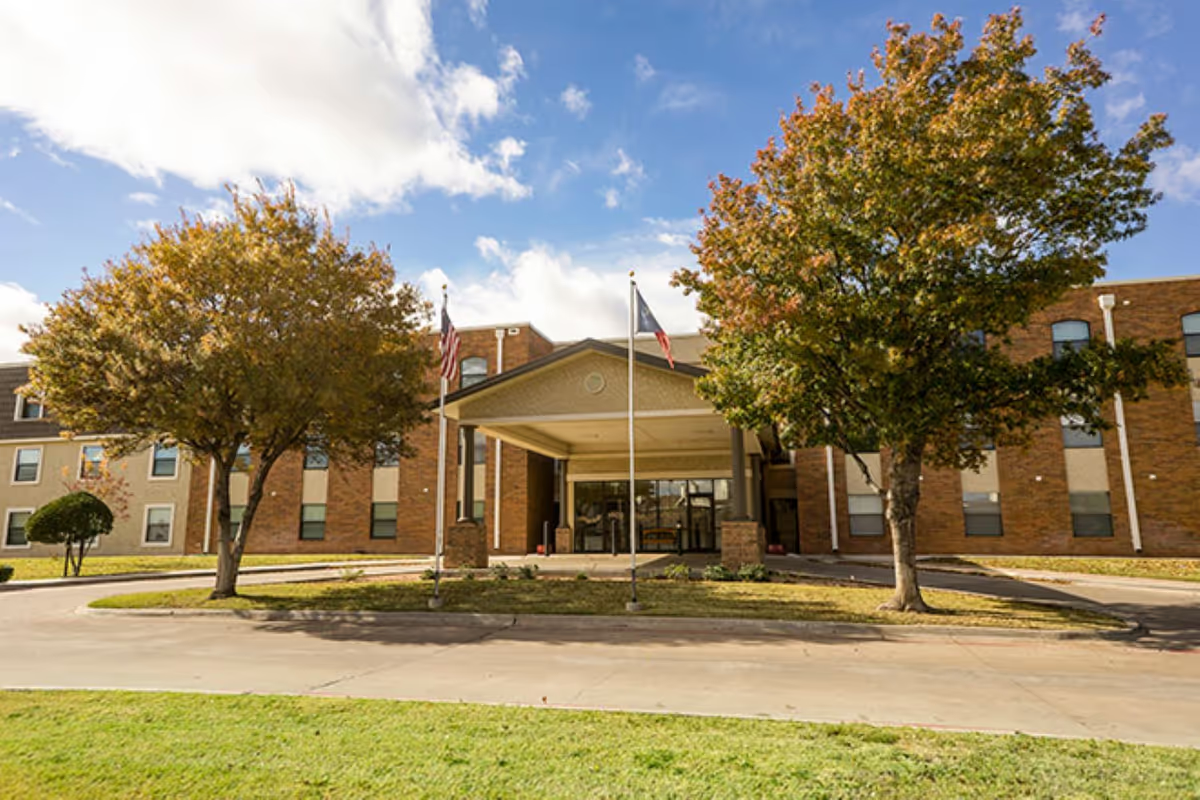
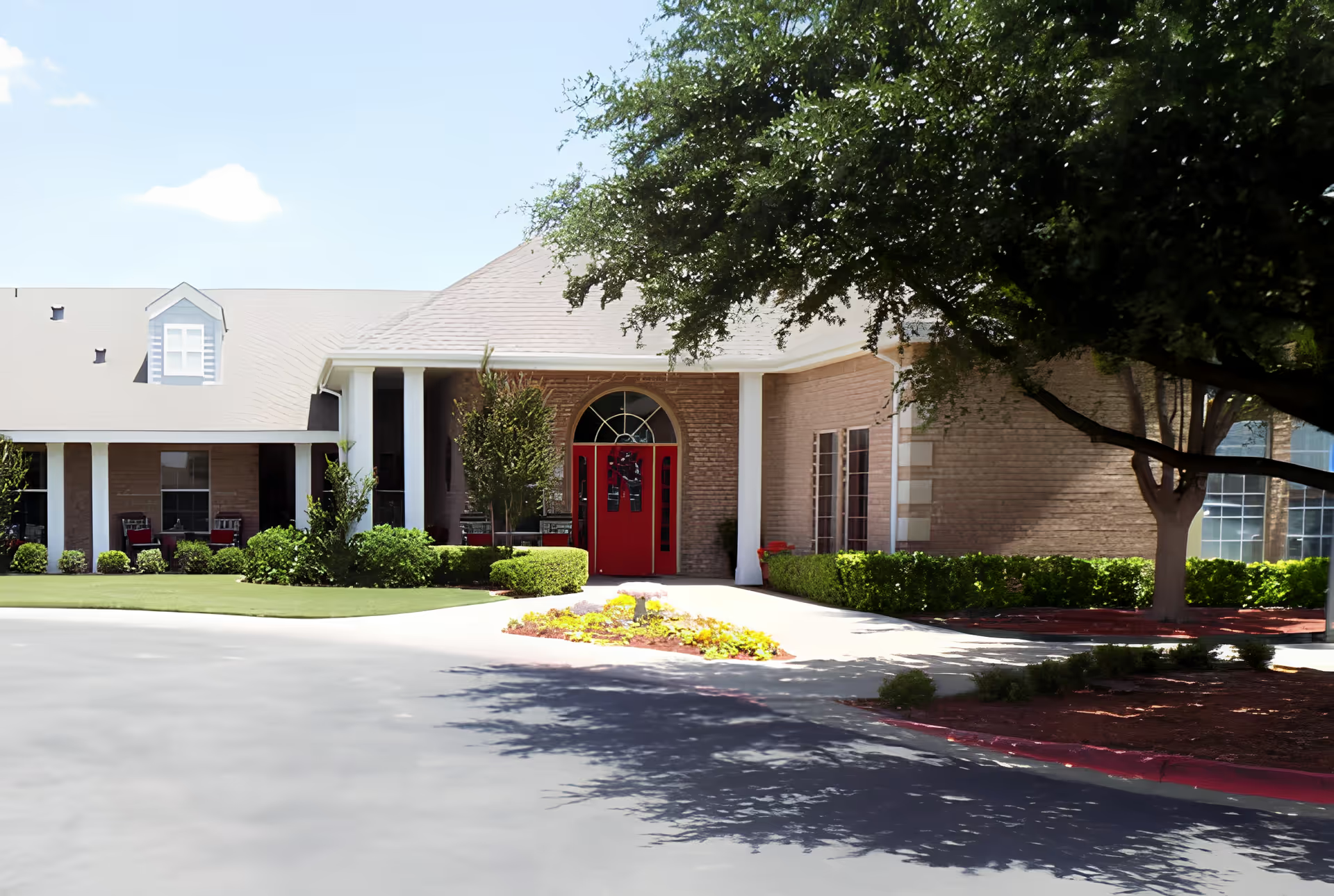
Reviewer feedback presents a mixed picture of care and operations at the facility. Positive comments focus on rehabilitation and therapy services, several reviewers describing very good physical/occupational therapy and wound care. Many families also described welcoming admission interactions and an approachable bedside staff; renovated interiors and exterior updates produced a perception of improved aesthetics in parts of the building. Some reviewers characterized the facility as offering reasonable value for families with limited budgets.
At the care delivery level there is a contrast between strong therapy services and concerns about routine nursing operations. While nursing staff were called caring and helpful in some accounts, others cited irregular staff availability and monitoring, delays in routine checks, and a documented medication identification error. Taken together, these comments suggest variability in day-to-day nursing responsiveness and in medication-administration controls that prospective families should assess more fully.
Several reviews raised operational-safety and incident-response issues. Examples include delayed escalation for acute events and a fall that required hospital-level care; these items reflect broader gaps in clinical-incident response and emergency escalation protocols rather than isolated administrative matters. Reviewers also described maintenance and room-amenity problems (small rooms, broken furniture, exposed fasteners) that can affect resident safety and comfort if not addressed systematically.
Dining, activities, and housekeeping receive mixed marks. Some praised cleanliness in communal areas and a home-like atmosphere, while others identified sanitation concerns specifically in kitchen and linen handling, limited meal choices, and minimal scheduled activities. These patterns point to inconsistent housekeeping and food-service continuity in practice, even if parts of the facility have been updated.
Administrative and policy issues were another recurrent theme. Concerns included billing practices following a resident's death and policies around discharge or nonpaying residents; these reflect potential gaps in family communication and financial-policy transparency. Several reviewers mentioned improvements under new management and renovations, suggesting recent changes but also variability depending on unit or time period.
For families considering this facility, recommended next steps include an on-site tour of resident rooms and dining areas, direct questions about staffing ratios and medication-safety procedures, review of recent inspection or complaint history, clarification of billing and discharge policies in writing, and discussion of activity schedules and housekeeping protocols. These targeted inquiries will help determine whether the facility’s rehabilitative strengths and updated areas align with a prospective resident’s clinical needs and expectations for daily living services.