Overall impression: Reviews present a mixed picture. Many accounts praise the facility's people-centered strengths — particularly its therapy team, compassionate aides and nurses, admissions/placement support, and ancillary departments (kitchen, transportation, environmental services). These strengths are frequently associated with positive rehabilitation outcomes, attentive wound and end-of-life care, engaging activities, and a number of visible improvements to common areas. At the same time, multiple reviewers describe operational weaknesses that appear to undermine consistent delivery of care.
Care quality and clinical concerns: Clinical and rehabilitative services are a clear strength for many families; physical, occupational and speech therapy are repeatedly cited as effective and motivating, with measurable progress for some residents. Conversely, other accounts indicate gaps in clinical monitoring and incident response: delayed recognition of acute illness, prolonged response times to call lights, missed personal-care tasks, pressure-injury development, and falls not promptly addressed. There are also specific medication-management concerns, including an allegation of medication mishandling noted in reviews; this area warrants direct verification during inquiries or visits.
Staffing and staff conduct: Staff descriptions vary widely. Numerous reviewers highlight compassionate, attentive staff across nursing, therapy, social work and support roles, and some individual staff members and administrators received direct praise for communication and advocacy. However, persistent descriptions of inconsistent staffing levels — particularly overnight and on certain shifts — and variable supervision point to uneven resident oversight. Reports of inattentive behaviors, slow responsiveness, and concerns about professional conduct appear alongside the positive accounts, indicating staff performance may be inconsistent by unit and shift.
Dining, activities and ancillary services: Dining receives many favorable comments about meal quality and nutrition, and several families praised celebratory events, engaging activities and on-site salon services. At the same time, reviewers also mention interruptions to meal service, slow accommodation of texture-modified diets (thickened liquids), and variability in activity frequency and access to outdoor spaces. Ancillary teams such as transportation, kitchen and housekeeping are frequently singled out as helpful when present, but consistency across these services varies.
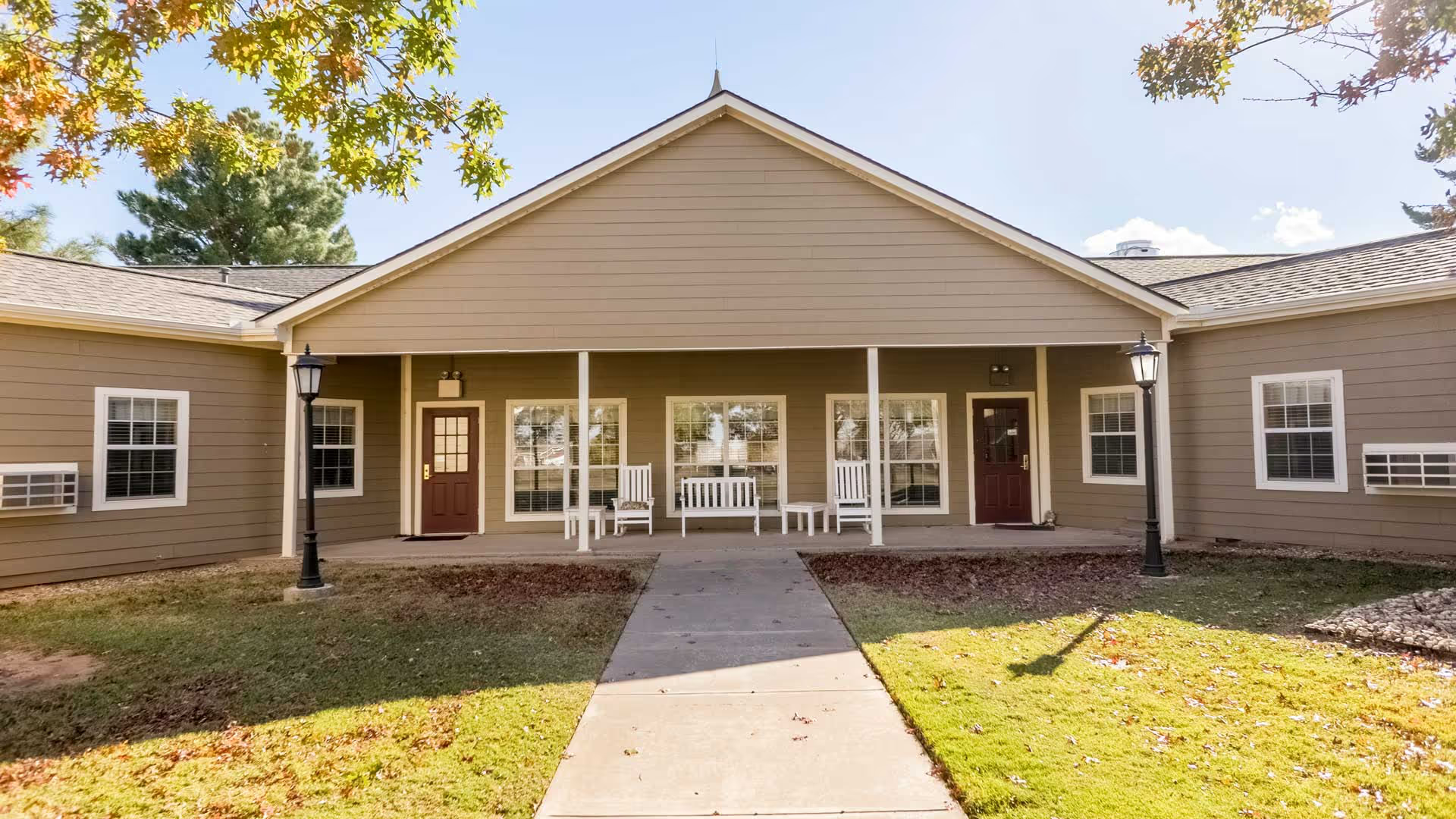
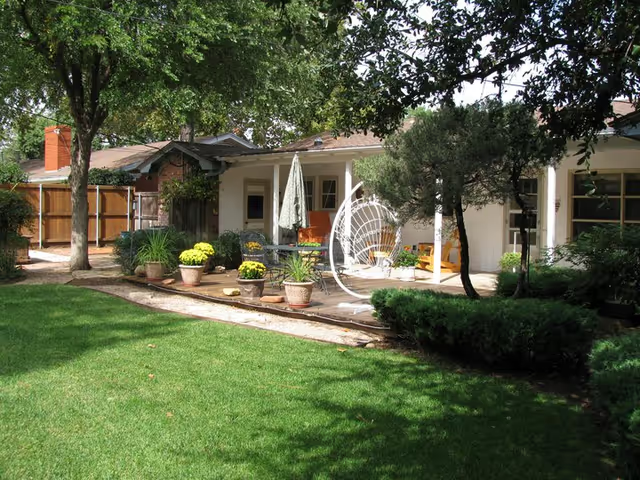
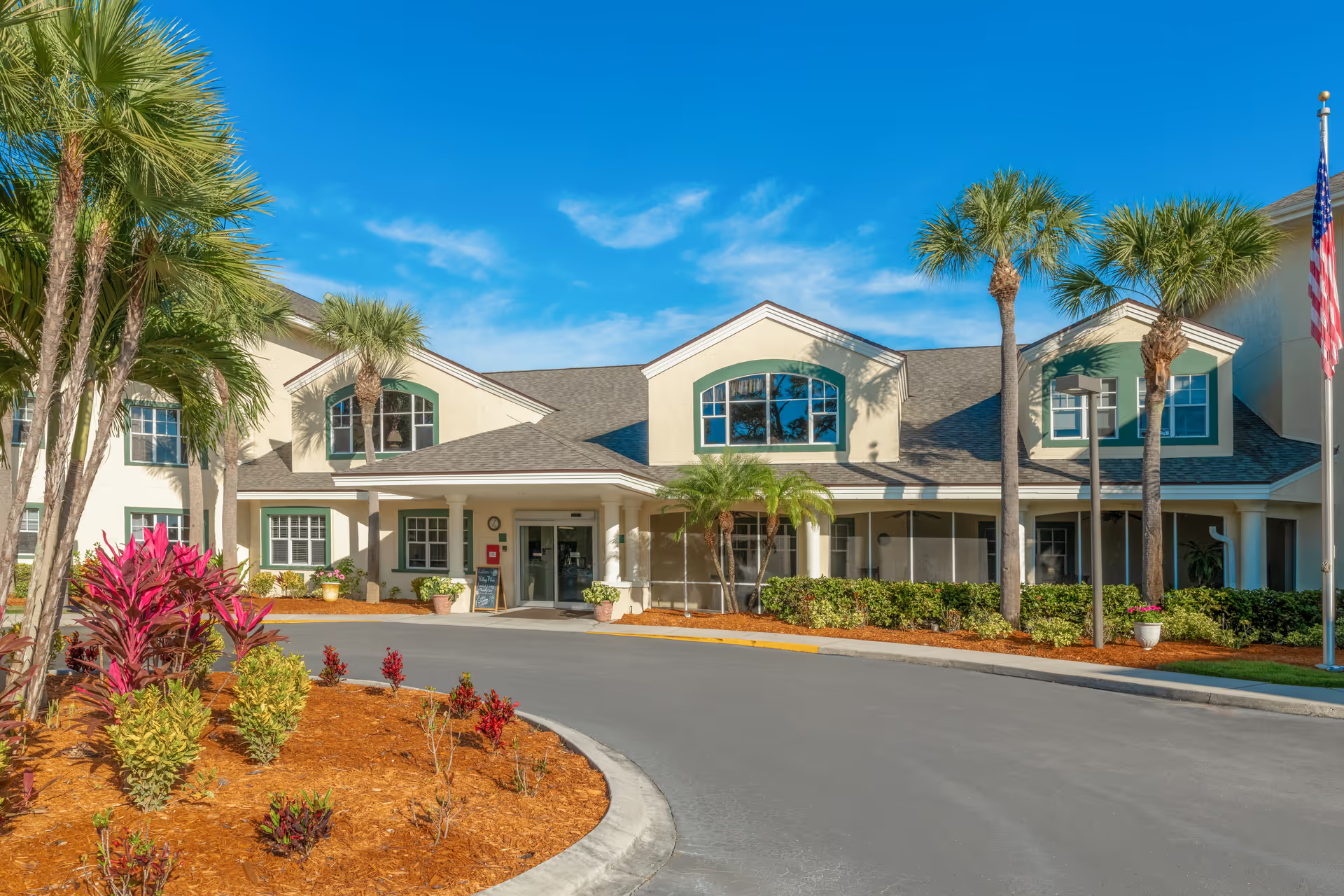
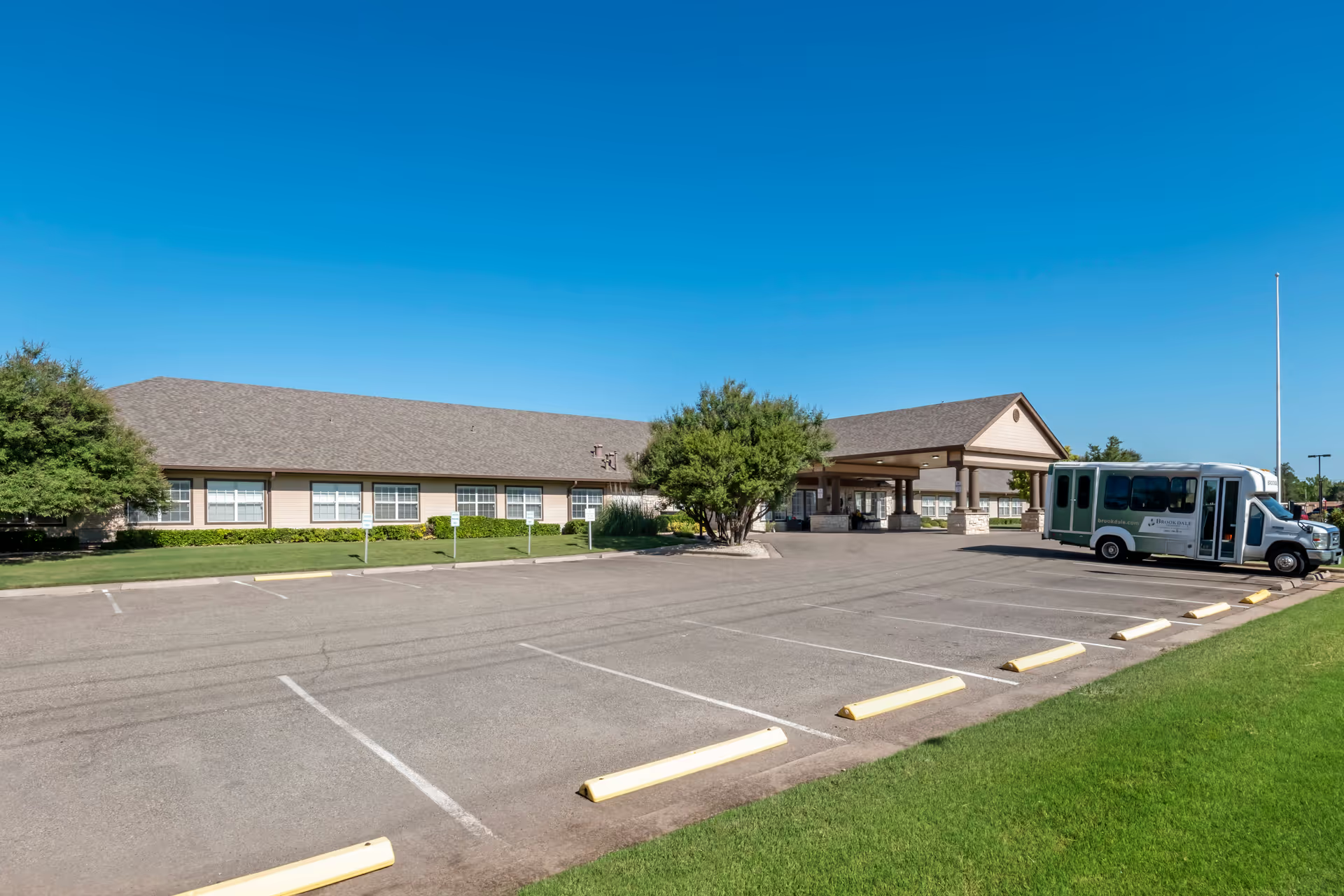
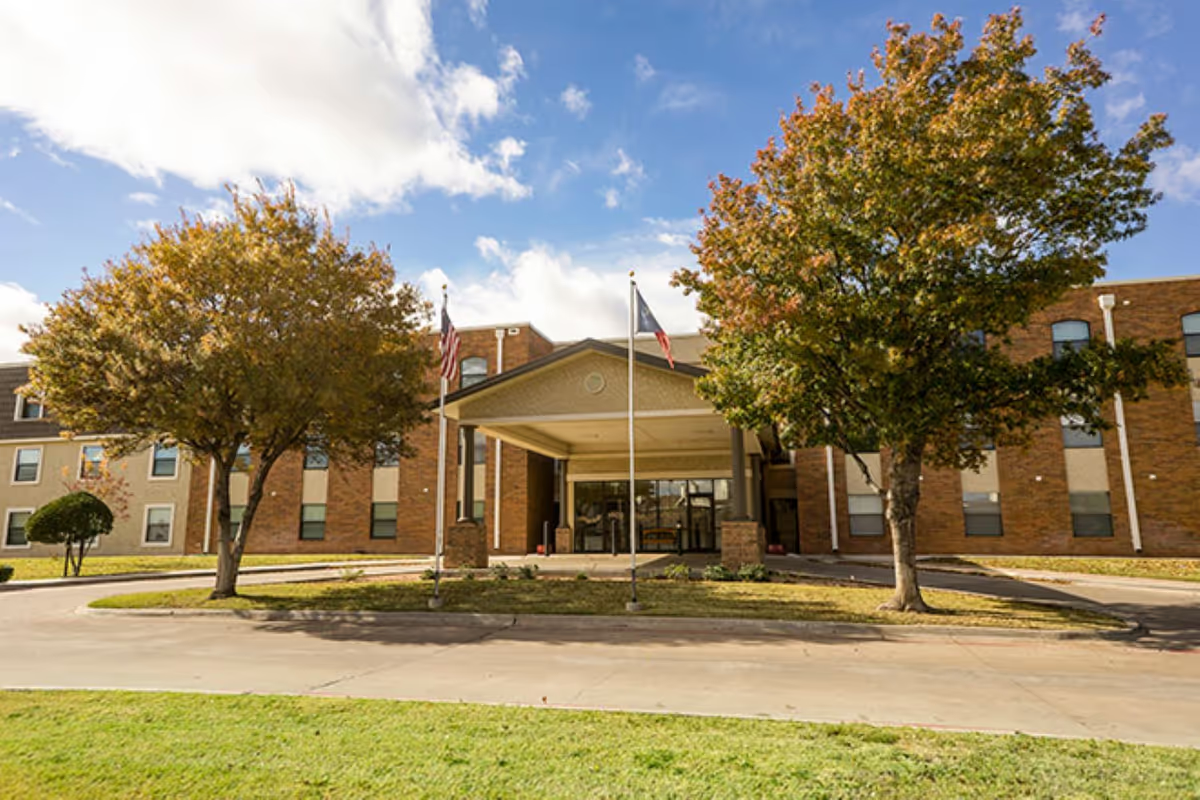
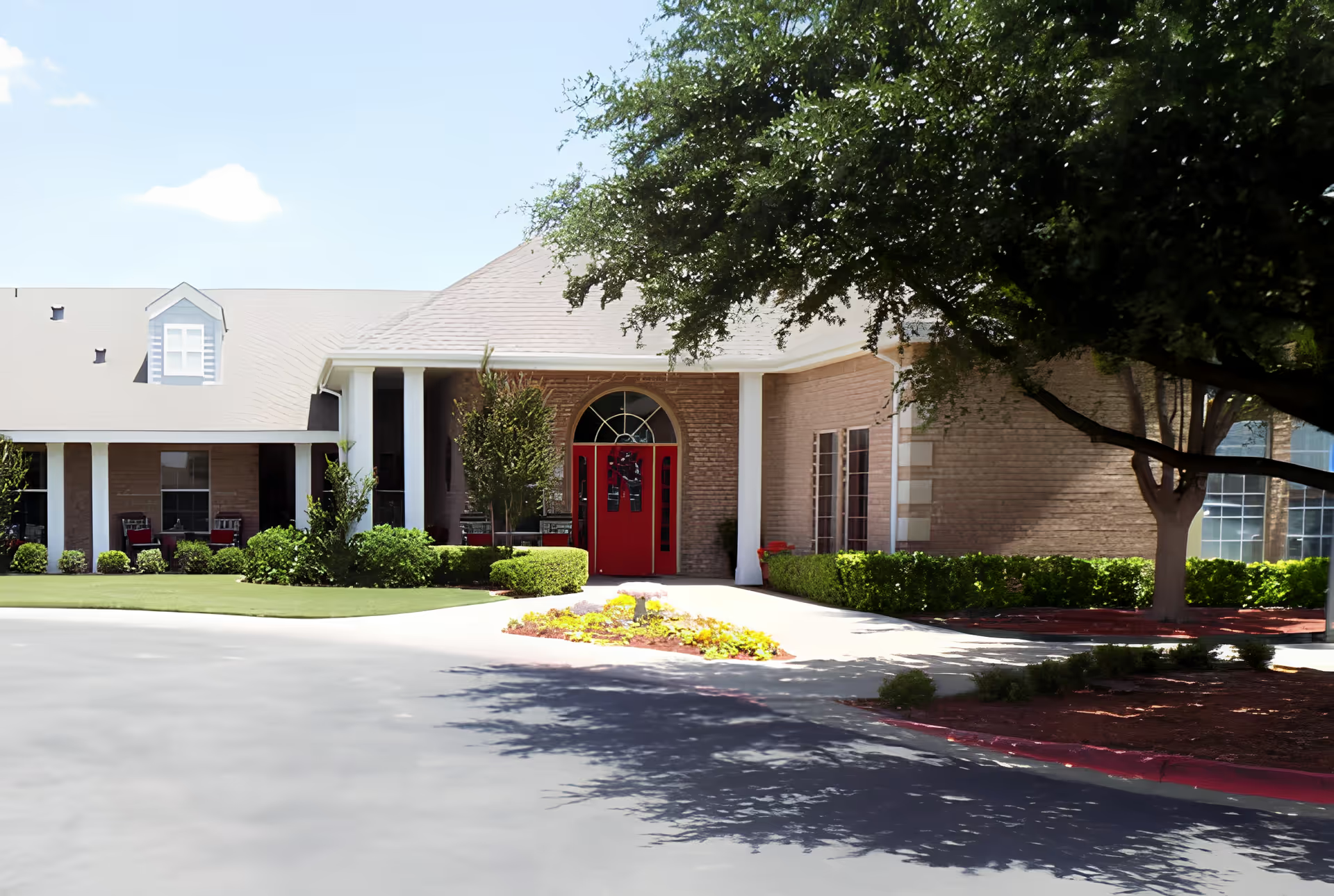
Facilities and security: The physical plant shows a mix of recent updates in public areas and persistent limitations in resident rooms. Positive mentions include clean, renovated common spaces and comfortable seating; negative observations focus on small rooms, limited private-bathroom availability, and uneven sanitation or odor concerns in particular areas. Multiple reviewers raised issues with personal-item security and resident-identification processes (missing belongings, clothing mix-ups), which suggests gaps in inventory controls and unit-level resident-management procedures. There were also mentions of camera/privacy concerns; families should clarify surveillance and security policies during a visit.
Management and communication: Management performance is described as both proactive and problematic depending on the account. Some families praised transparent communication, regular clinical updates, and staff who went above and beyond. Others described slow administrative follow-through, inconsistent family communication, and difficulty escalating concerns. Given this variability, prospective families should evaluate administrative responsiveness and escalation pathways as part of their decision-making.
Patterns and recommendations: The dominant pattern is one of strong clinical and rehabilitative capability combined with operational inconsistencies that affect daily care reliability. Prospective residents and families should tour the facility, observe staffing levels during the shifts of greatest concern (including nights), ask for documentation on staffing ratios, medication-safety protocols, incident-response procedures, sanitation schedules, and thickened-liquid/texture-modified diet compliance. Request references about therapy outcomes, inquire about personal-item security practices, and confirm how the facility communicates with families about clinical changes. For any serious or specific safety concerns, contacting the local long-term care ombudsman or relevant regulatory body is advisable to ensure proper investigation and follow-up.