Walnut Creek Assisted Living and Memory Care elicits a polarized set of impressions: many families praise the facility’s physical environment, caregiving staff, and program offerings, while others raise operational and clinical concerns that warrant careful inquiry prior to placement.
Care and staff: Numerous reviewers emphasize a compassionate, attentive caregiving team and cite individual staff members and nursing leaders who provide strong relational care. Positive comments reference staff who learn residents’ names, provide personalized attention, and facilitate smooth move-ins. At the same time, reviewers describe variability in staff performance and continuity: some families report staffing shortages or frequent leadership turnover that correlate with delays in routine personal-care assistance and reduced responsiveness to call requests. Concerns about medication administration controls and oversight recur, including examples of incorrect or mishandled medications and questions about staff qualifications on med carts. Families should meet the head of nursing, ask about medication policies, and clarify staffing ratios and backup coverage.
Dining and activities: The community offers an active calendar — live music, church services, games, and social events — and many reviewers note lively programming that contributes to a home-like atmosphere. Dining receives mixed feedback: several families praise the chef-prepared meals and special events, while others cite inconsistent portion sizes, food temperature, limited beverage options, and a need for more diabetic-friendly selections. Prospective residents should sample a meal, review menus for dietary accommodations, and ask about meal-service timing and portion policies.
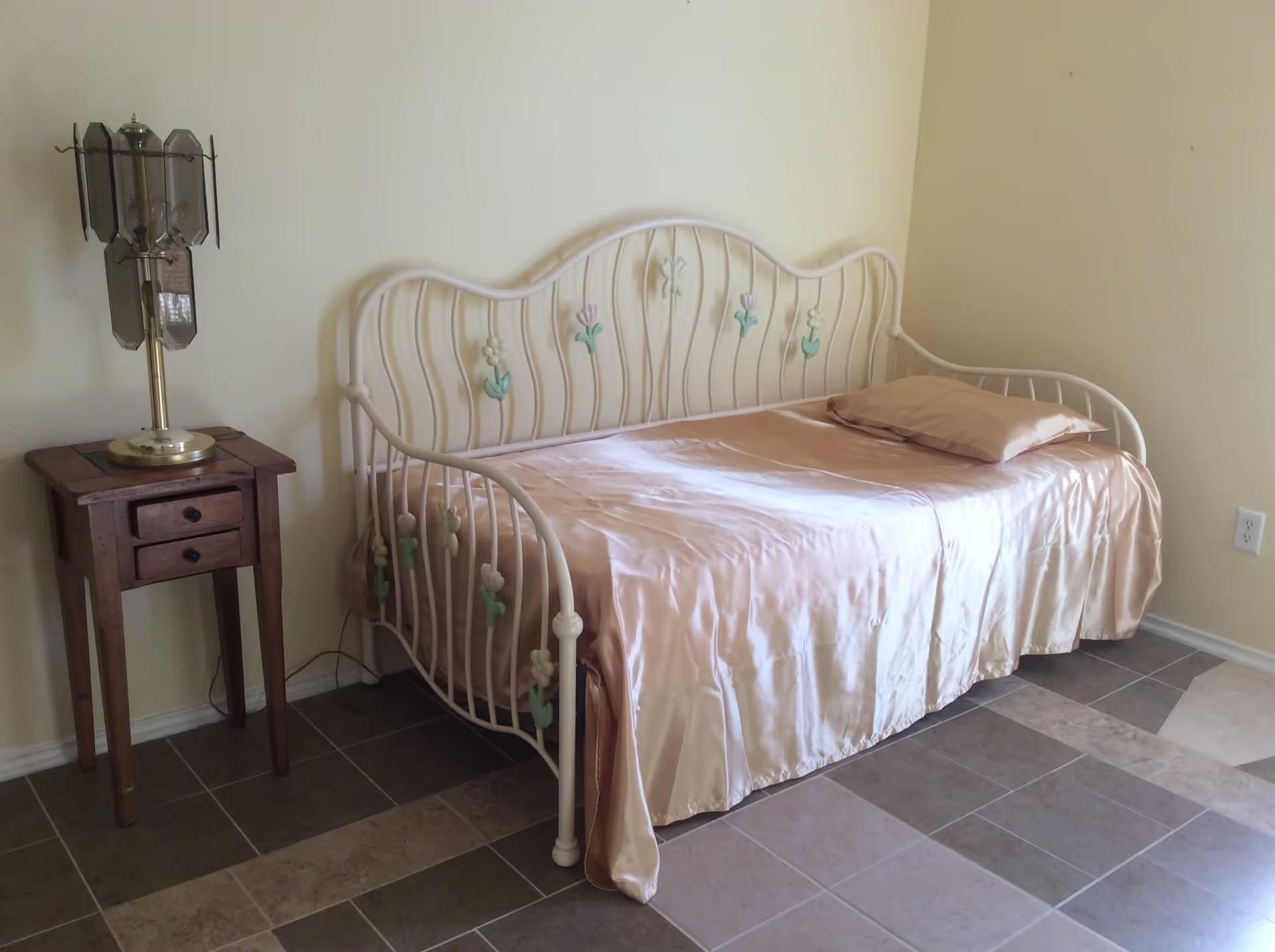
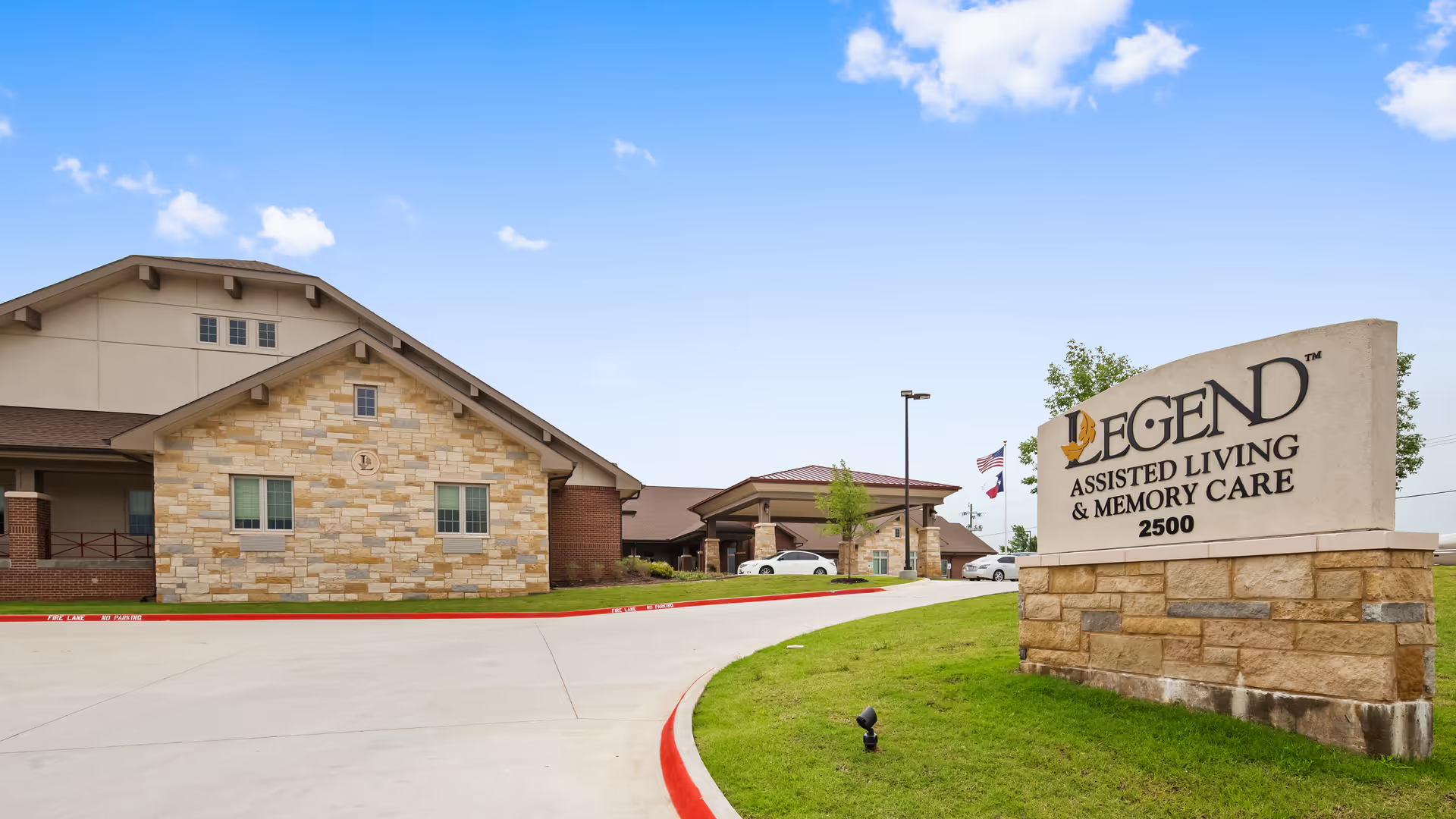
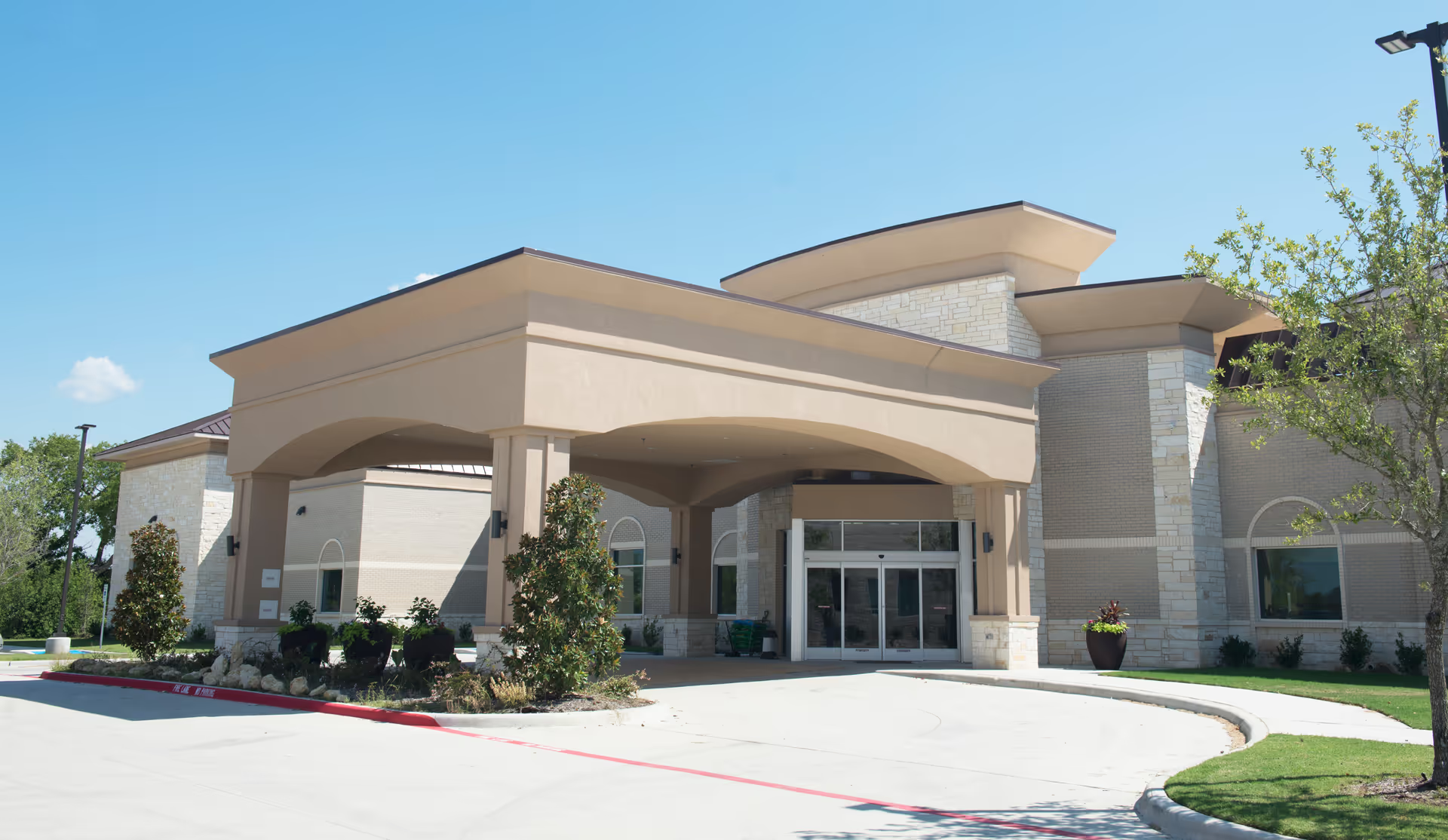
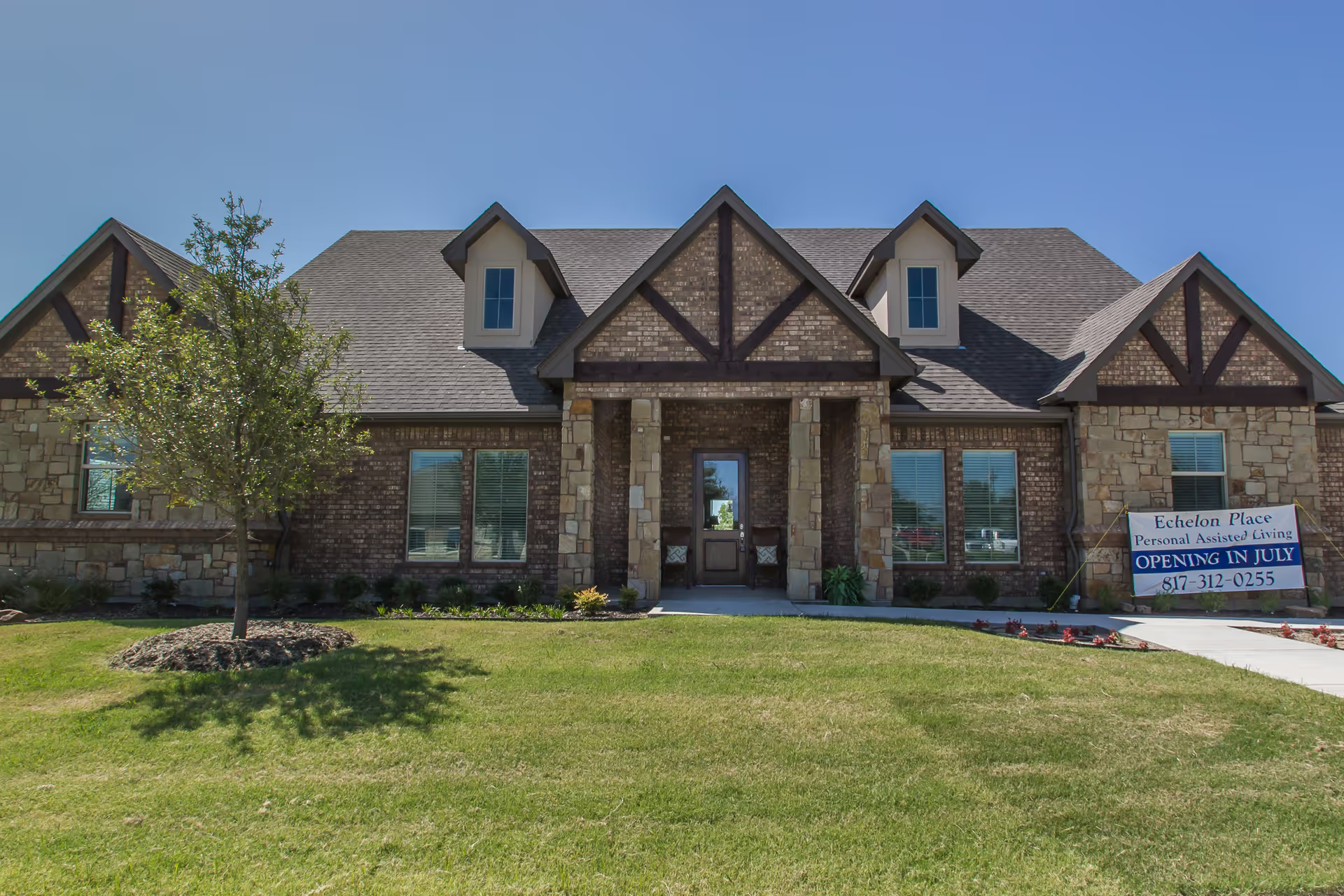
Facilities and housekeeping: The property is often described as bright, newly renovated, and easy to navigate, with spacious apartments and pleasant common areas. Positive remarks about cleanliness and maintenance are common, but there are intermittent sanitation concerns tied to inconsistent housekeeping and laundry routines. Families should request the housekeeping and linen schedules and clarify processes for lost items or missed laundry.
Management, billing, and safety: Administrative themes are the source of the strongest criticisms. Concerns include limited accessibility of administrative leadership by phone, inconsistent family communication, unclear or non-itemized billing, large nonrefundable fees, and reports of pressured move-in practices. A subset of reviews also raises questions about emergency-relocation handling and the adequacy of entry/exit monitoring for residents at risk of wandering. There are also allegations of aggressive billing and short-notice relocations related to a facility event; these signal the need to review written contracts, refund policies, and emergency plans carefully.
Notable patterns and recommendations: The overall pattern is one of a facility with many operational strengths — physical environment, engaged activities, and caring front-line staff — combined with recurring operational weaknesses around administration, billing transparency, medication oversight, and consistency of basic care tasks. Prospective residents and families should schedule an unannounced visit during meal and activity times, meet the nursing leadership, request written staffing ratios and med-management protocols, obtain a sample itemized bill and the full contract including refund and emergency-relocation terms, and ask how the facility handles missed care, laundry, and family communication. Doing so will help determine whether Walnut Creek’s strong relational and environmental aspects align with the level of clinical oversight and administrative transparency a family requires.