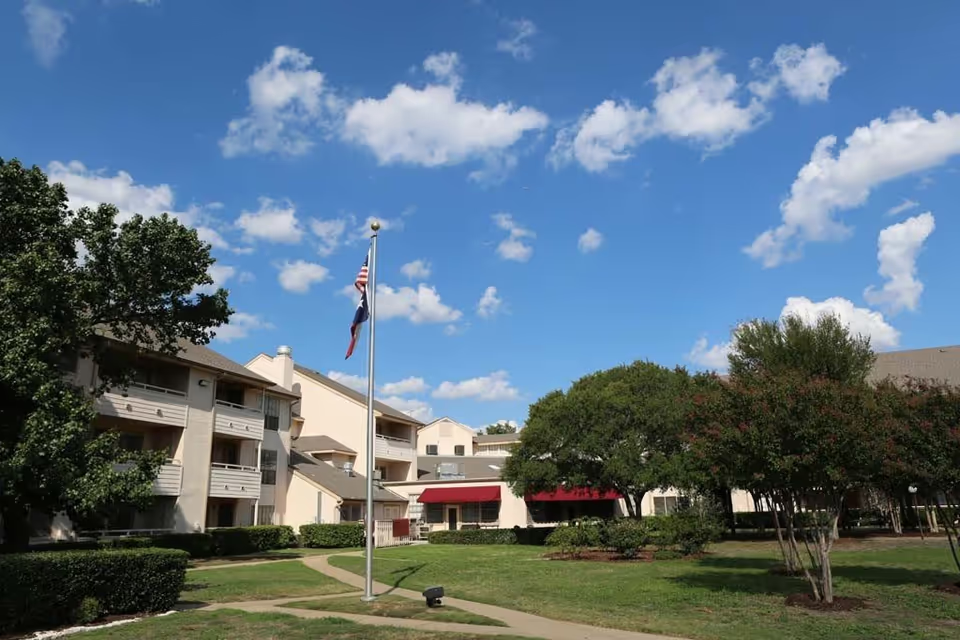
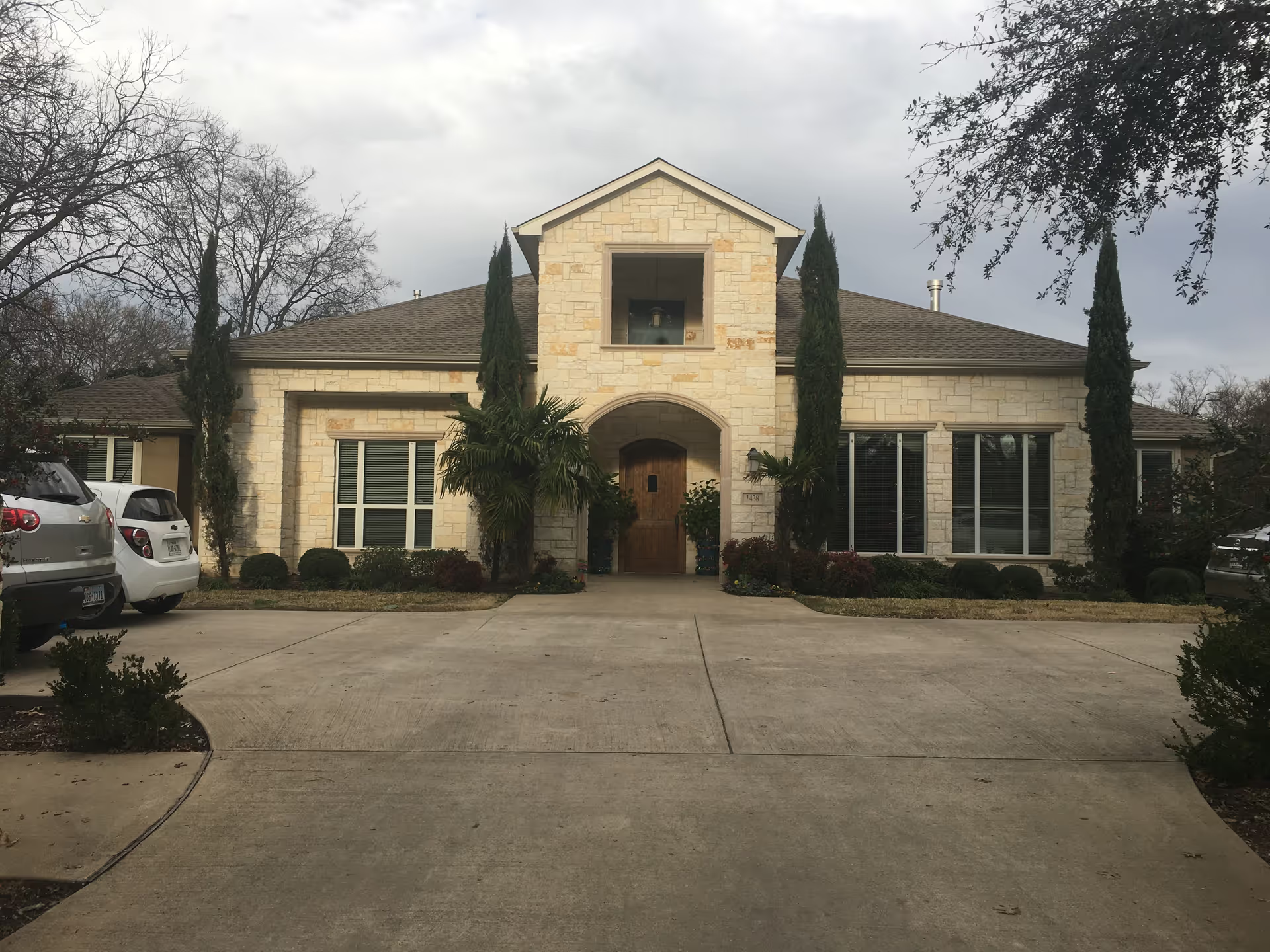
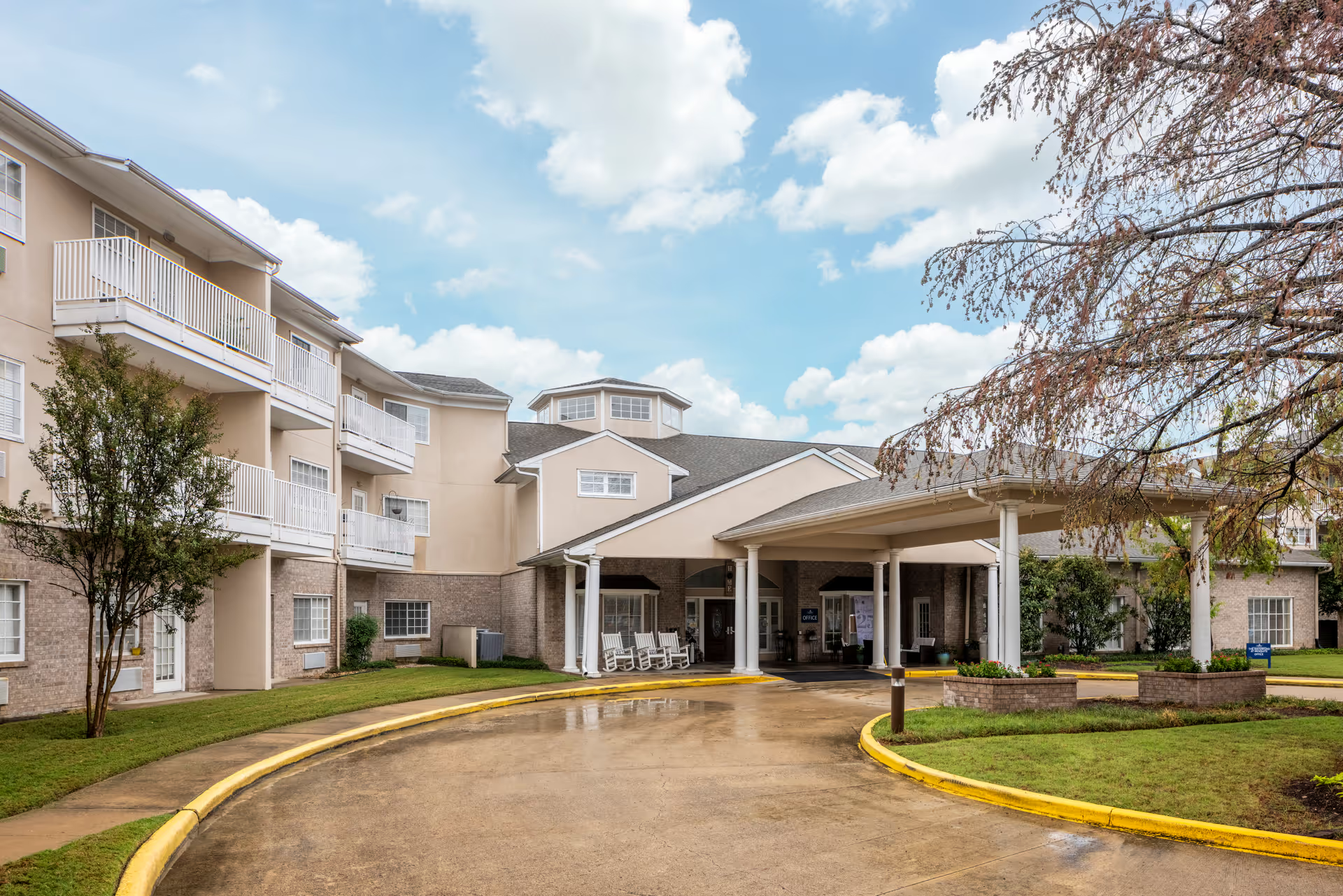
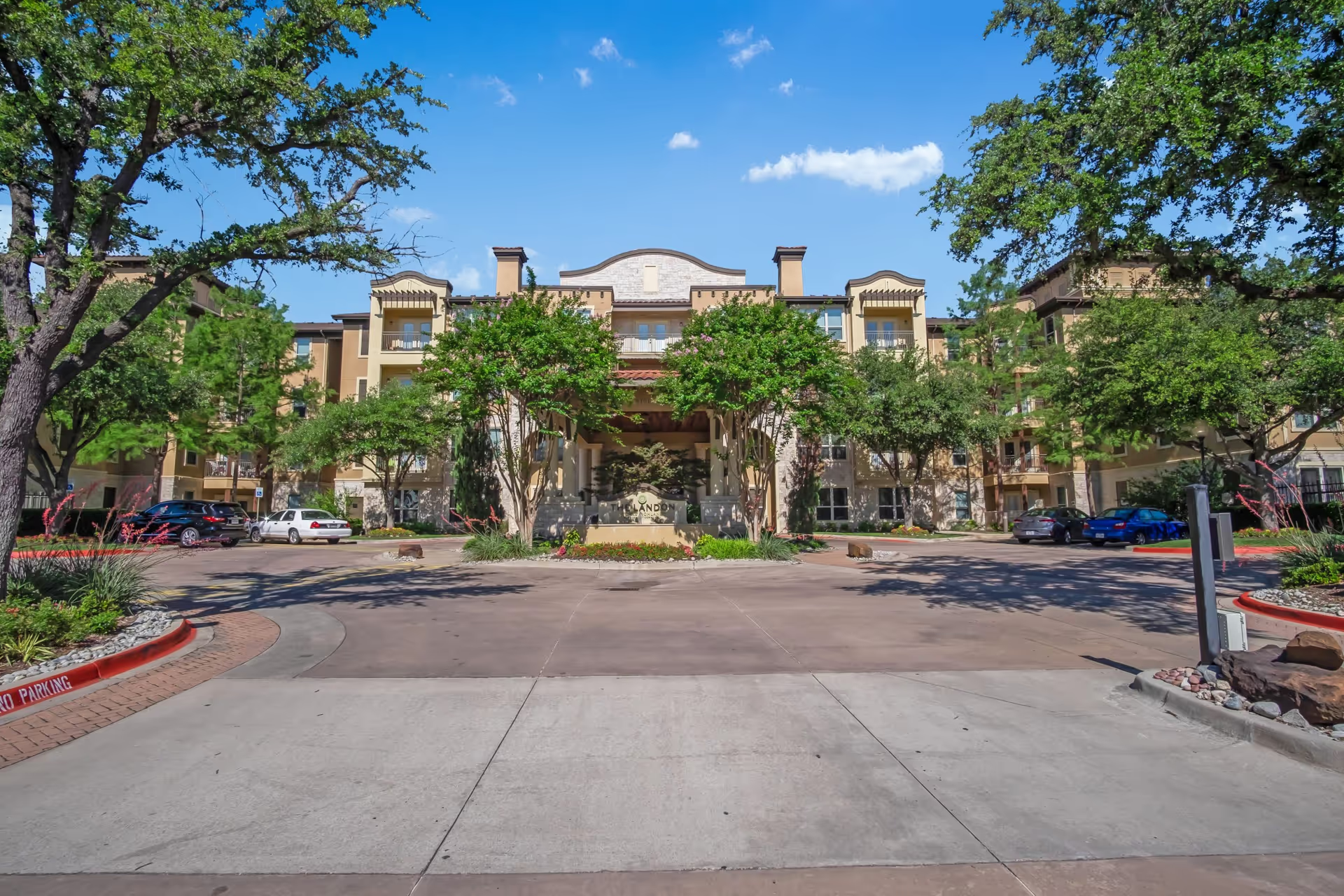
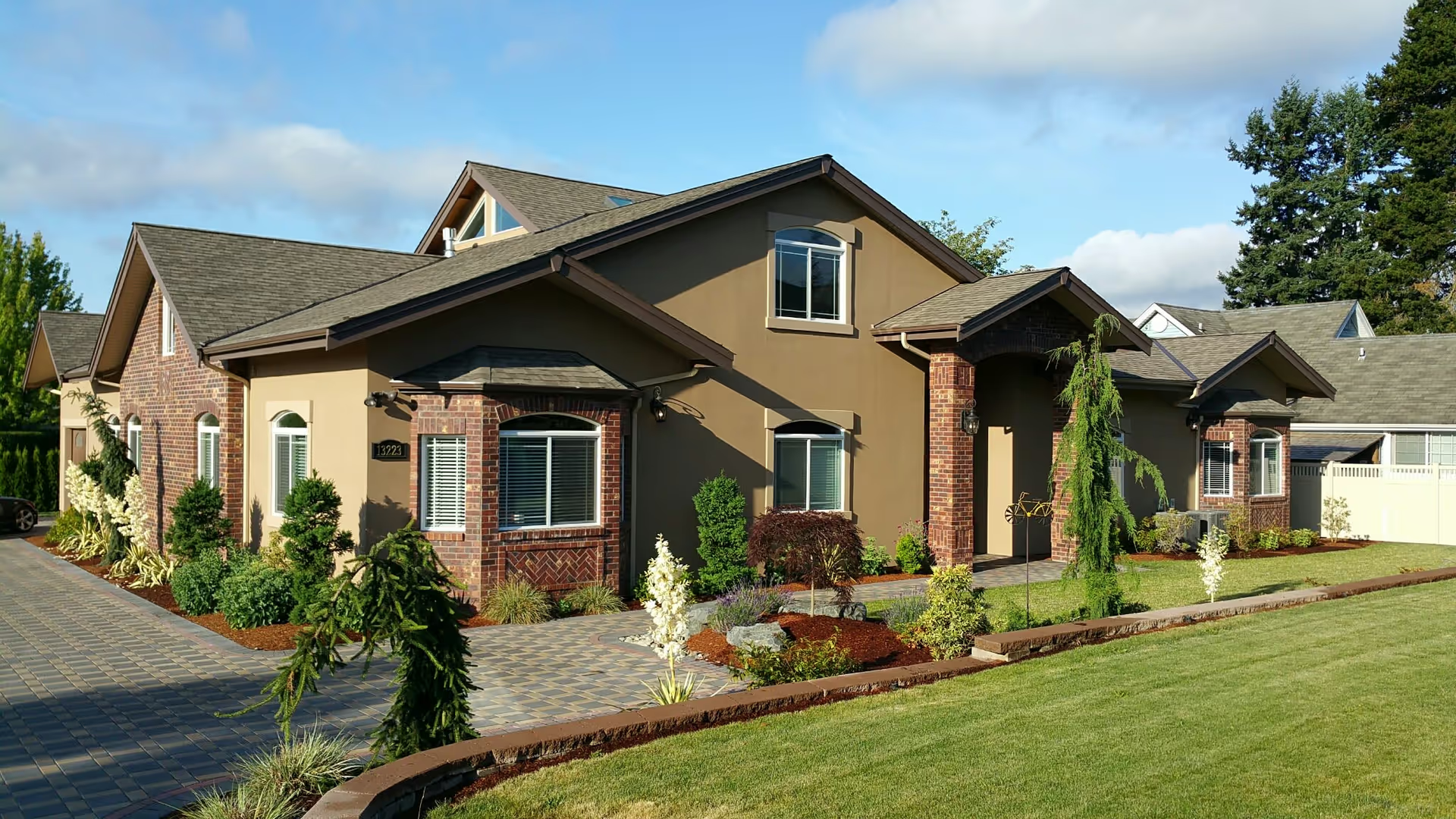
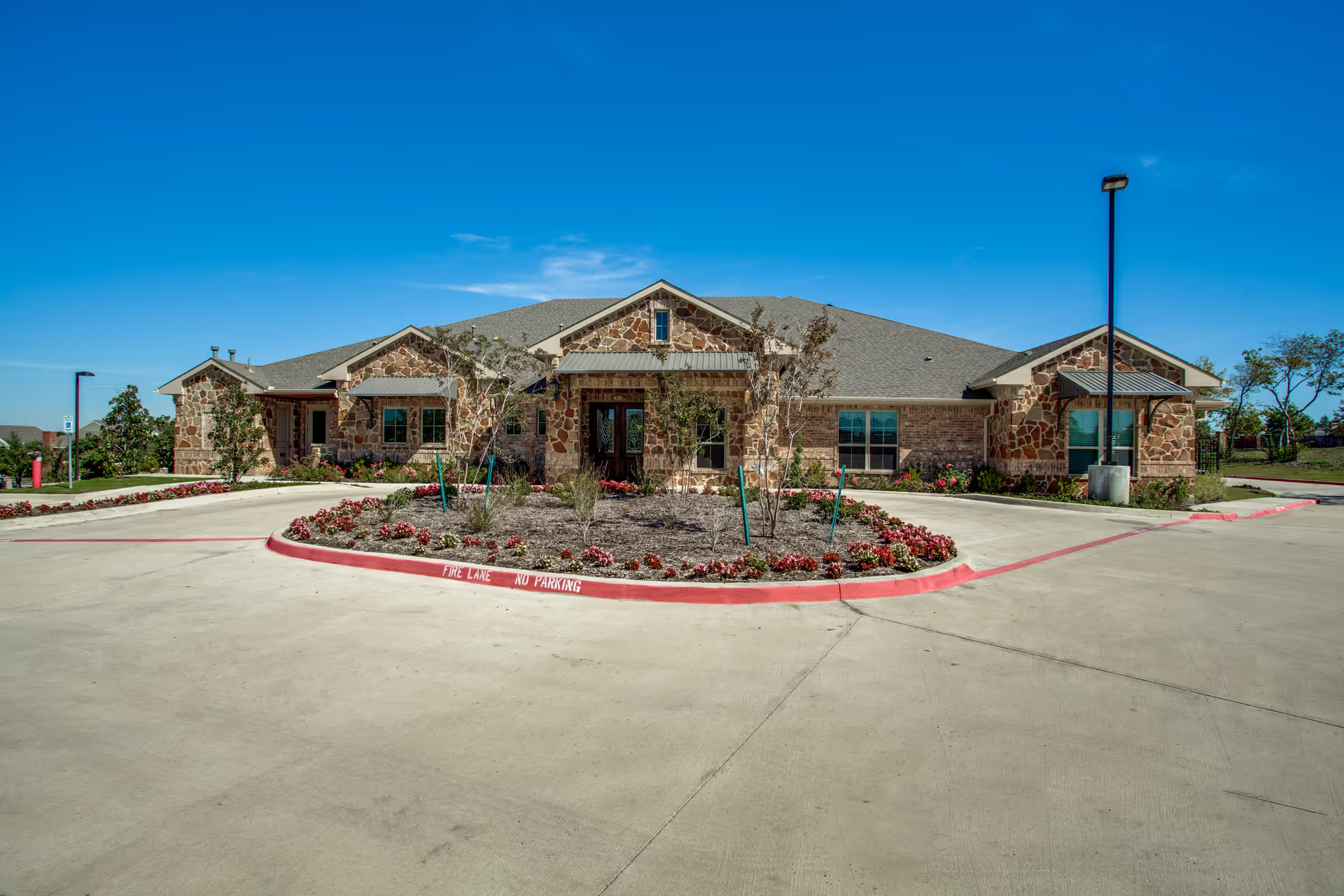
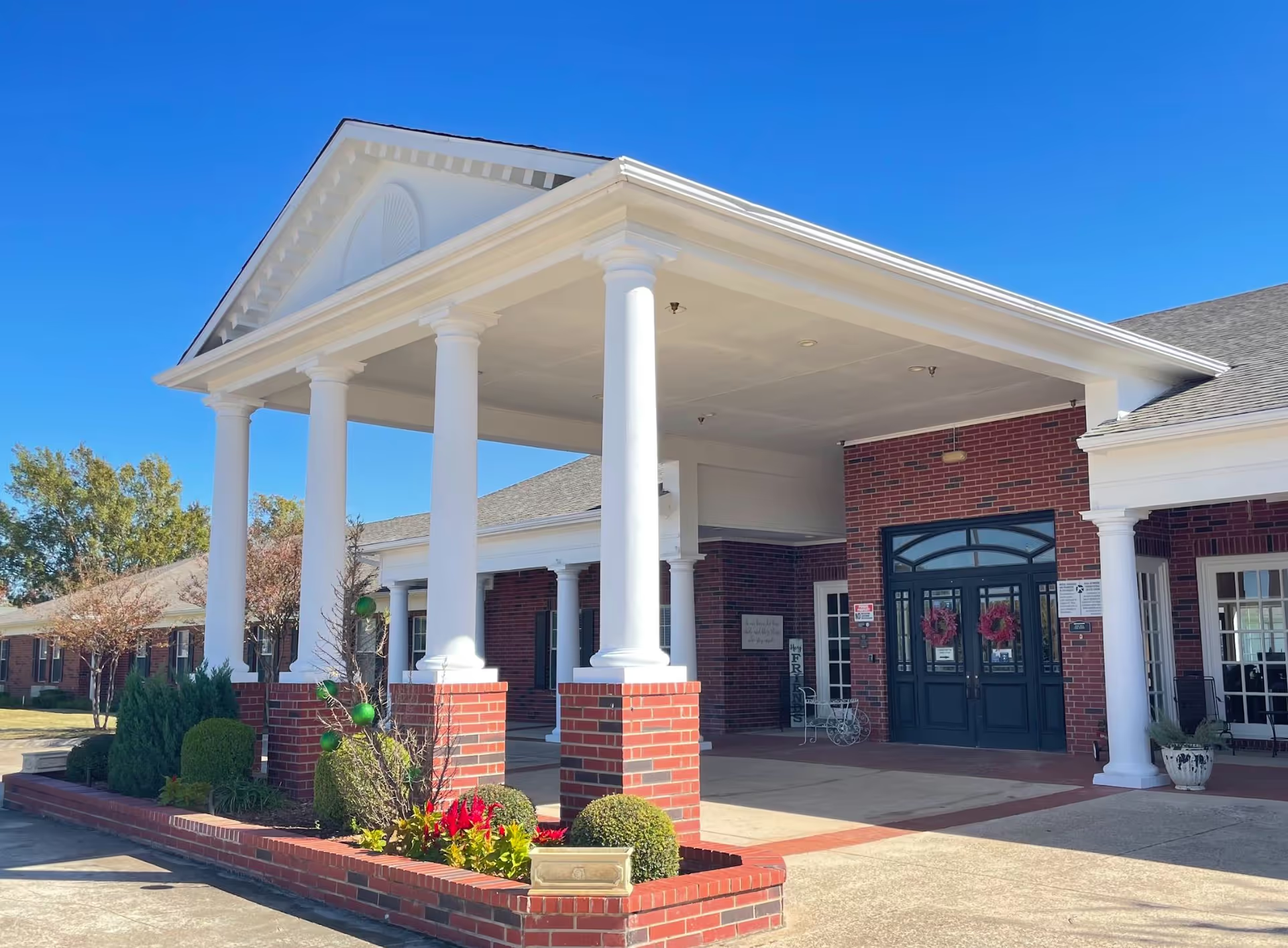
Bradfield Terrace presents as a small, residential assisted-living community with several strengths that appeal to families seeking a personal, family-like setting. Reviewers frequently highlight the facility’s intimate size, apartment-style units with kitchenettes and walk-in showers, well-kept grounds and courtyard spaces, and included services such as housekeeping, laundry, three meals per day, and transportation for appointments and outings. Many families praised front-line caregivers and nursing staff as compassionate and responsive, noting proactive family communication, regular updates, and staff willingness to support transitions. The community offers a range of social activities (bingo, cornhole, outings, church involvement, arts programs) and on-site amenities like a beautician/barber, which contribute to resident engagement and quality of life for many residents.
Dining and activities generate mixed impressions. Several reviewers complimented the meal variety and described enjoyable dining experiences and themed events, while others reported inconsistent food quality, sparse weekend service, and portion variability—issues sometimes attributed to weekend cook turnover. Activity offerings are present and diverse on paper, and some families see active programming and outings; however, other accounts describe periods of limited or inconsistent programming, particularly during infection-control periods or staffing shortages. Prospective residents should observe a mealtime and an activity during a tour to evaluate current service levels.
Operationally, the most prominent concerns center on staffing stability and management consistency. Many reviews note high turnover among caregivers and administrative leadership, with resulting variability in communication, responsiveness, and execution of routine services such as housekeeping, laundry, and medication administration. Several families described delayed responses to calls, inconsistent medication handling, and billing discrepancies. There are also references to maintenance and entry-system problems, reception/delivery handling gaps, and sanitation concerns in particular units or wings. A small number of reviews reference more serious incidents and regulatory attention; these are isolated in the body of feedback but worth verifying directly with the provider and local regulators during decision-making.
Safety and memory-care capacity are areas for careful inquiry. While many families find the staff skilled at dementia care and appreciate the stay-in-place approach, other reviewers expressed concerns about memory-care security and monitoring for residents who may try to exit unsafely. These mixed impressions suggest the facility can be a good fit for residents needing moderate assisted care in a small community setting, but families should confirm current staffing ratios, medication protocols, and security measures during an in-person visit.
In summary, Bradfield Terrace offers tangible strengths: a homelike scale, cost-effective pricing, attentive caregiving staff in many cases, and included services that reduce family logistics. At the same time, reviewers indicate recurring operational weaknesses—most notably inconsistent staffing, variable dining and housekeeping execution, management turnover, and some sanitation and maintenance reliability issues. Prospective families should prioritize an on-site assessment focusing on meal service, staffing levels at different times (including weekends and nights), medication-management practices, housekeeping routines, leadership stability, and memory-care security before making placement decisions.