Overall sentiment in these review summaries for Care Inn of Edna (Edgewood/related names) is strongly mixed, with many consistent strengths paired with repeated and serious operational concerns. Positive themes are highly concentrated around cleanliness and atmosphere, a standout activities program, and a skilled therapy/rehabilitation team. Negative themes cluster around staffing levels and variability in clinical care, communication breakdowns, and isolated but severe incidents of neglect or medication mismanagement.
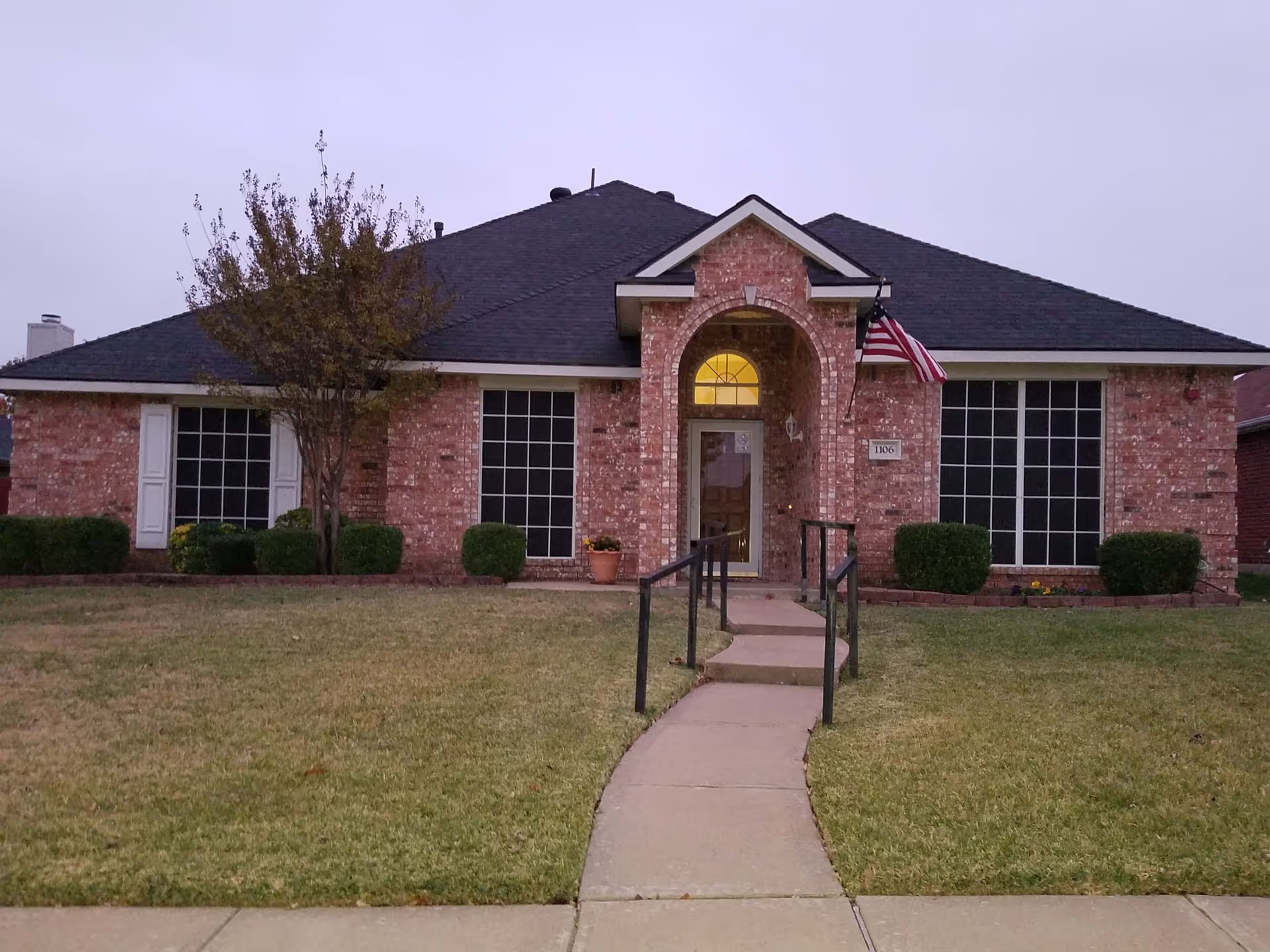
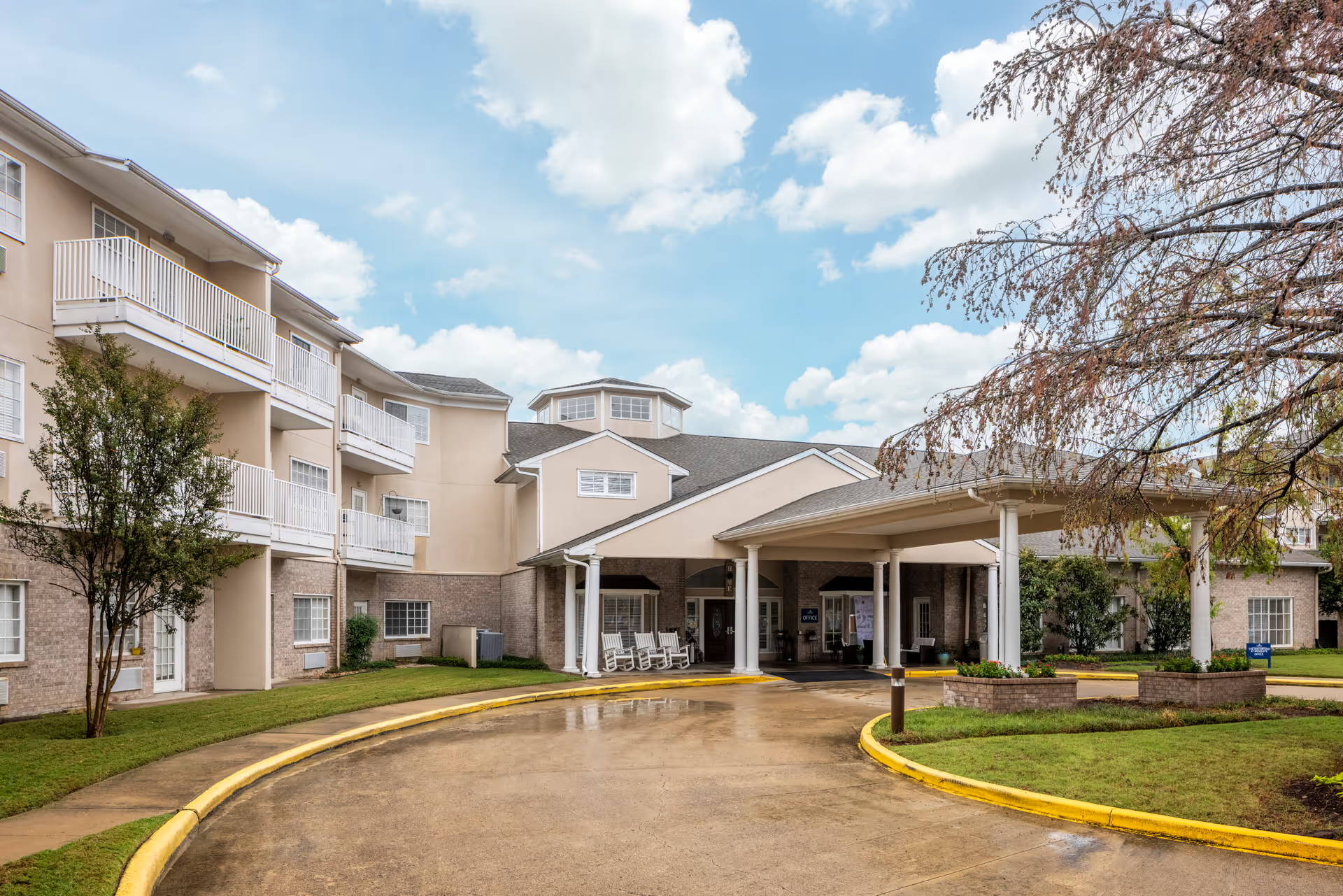
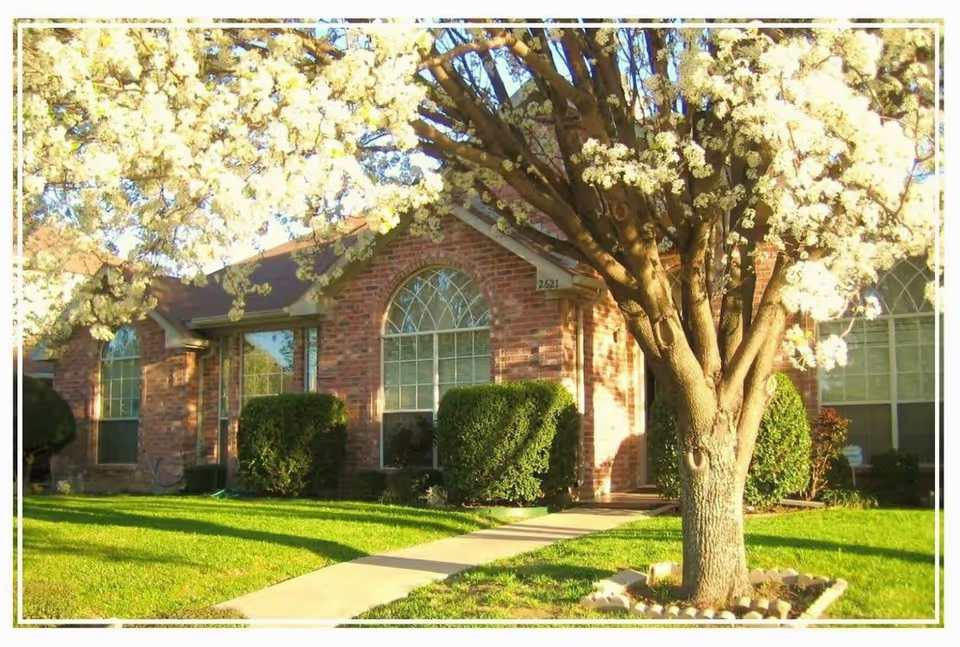
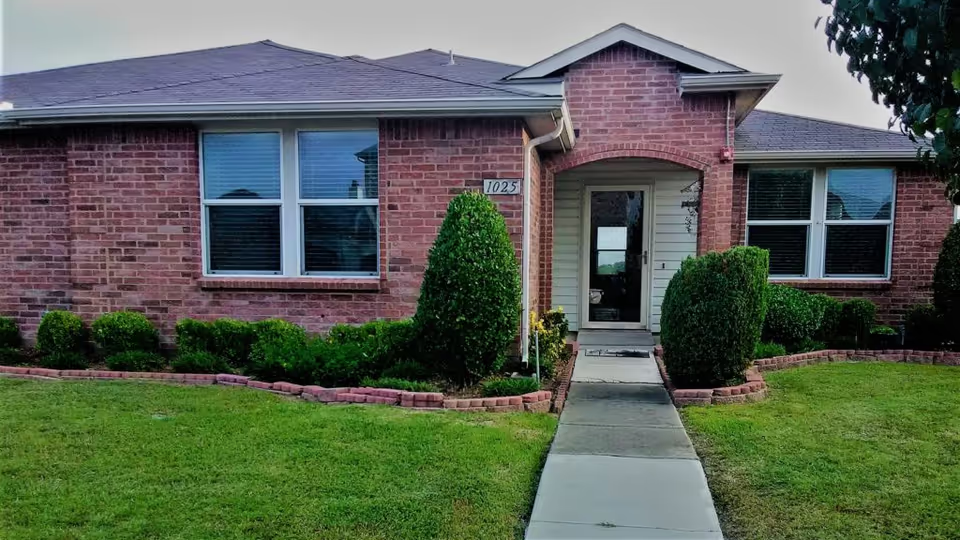
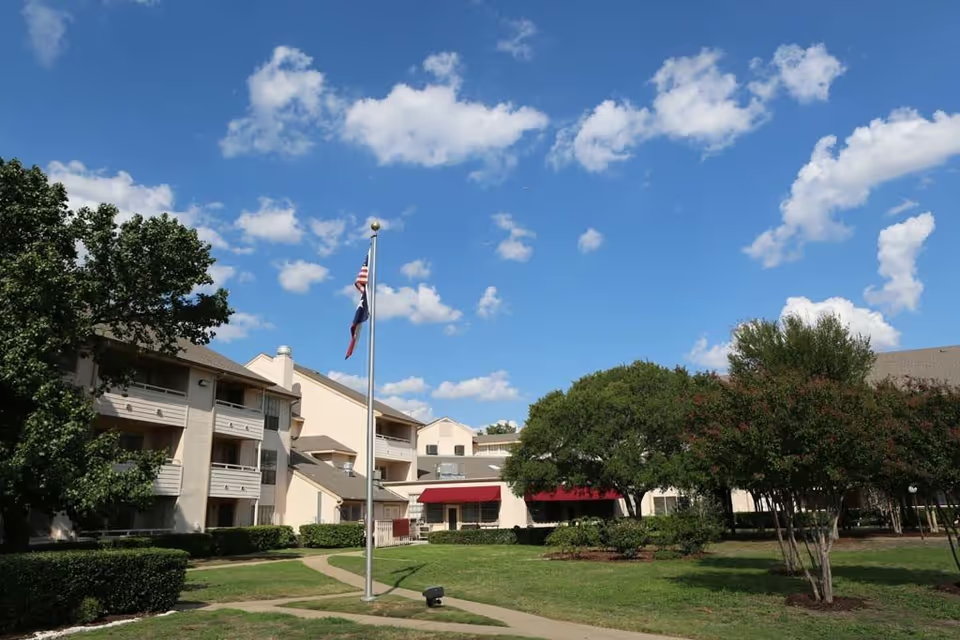
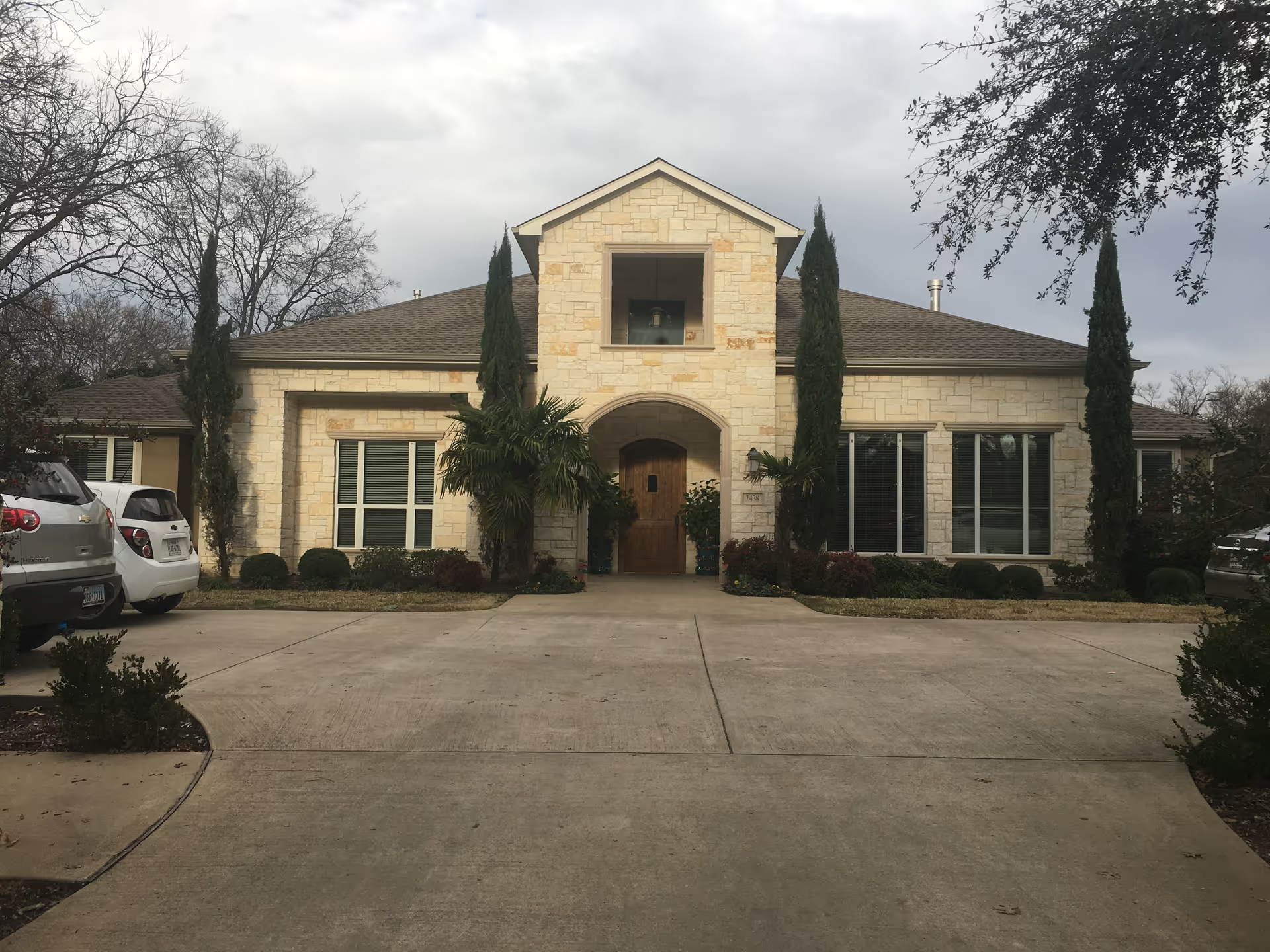
Facilities and housekeeping: Reviewers repeatedly emphasize that the building is clean, well-kept and smells good. Housekeeping and laundry receive frequent praise for room cleanliness and upkeep. The grounds, landscaping and facility layout are also noted as attractive and thoughtfully organized, with accessible spaces, courtyards and event areas. These environmental strengths appear consistent across many stays and visits and are a recurring reason families would refer others.
Activities and social programming: One of the clearest strengths is the engagement and programming led by the Activities Department, consistently associated with a director named Harriet (or Harriet Shaw). Reviews describe frequent, well-organized events (Proms, talent shows, Thanksgiving/Christmas events, vendor shopping, Bible study, seasonal celebrations) that keep residents socially active and connected. Pet therapy and community engagement are highlighted as particularly positive and emotionally beneficial for residents and families. This programming is cited again and again as a major differentiator and source of family satisfaction.
Clinical care and therapy: The rehab and therapy teams receive many positive remarks for successful outcomes and compassionate, knowledgeable care; specific therapists and therapy directors are named positively. Several accounts mention impressive functional restoration and good therapist communication. However, therapy services are not uniformly reliable—reviews describe delayed therapy starts, services not provided on scheduled days, and administrative delays that caused benefit expiration or discharge timing issues. These inconsistencies can undermine the otherwise strong therapy reputation.
Nursing and direct care staff: Reviews paint a polarized picture of nursing and nursing assistant performance. Many families and residents praise particular nurses and CNAs for going above and beyond, attentive wound care, good communication, and patient-centered care. Conversely, a significant number of reviews describe understaffed shifts (particularly nights and weekends), slow call-light responses, ignored requests, residents left soiled or unbathed, and inadequate attention that led to falls, prolonged waiting for bathroom assistance, and other safety events. This day-vs-night and staff-to-staff variability appears to be a primary driver of mixed experiences.
Safety, medication and serious incident reports: Several reviews describe severe safety and clinical concerns. Allegations include medication errors, continuation of inappropriate medications (e.g., opioids despite clinical signs), at least one report describing an overdose and near-fatal outcome, and poor charting or failure to pursue essential treatments (e.g., dialysis). There are also multiple reports of neglectful episodes (soiled residents left for hours, unmanaged bedsores, restricted movement) and safety equipment failures (unreliable bed locks, denied wheelchair access). While these incidents are not the majority of reviews, they are serious and recur enough to be a substantial red flag for prospective families.
Dining and dietary management: Dining receives mixed feedback. Several reviewers praise the chef (Ernest) and particular menu items (meatloaf, pot roast, soul-food options), and note pleasing food service. Others report that meals can be cold, repetitive, not individualized, or that the dietitian’s recommendations were not consistently implemented. Some residents/families bring supplemental food due to dissatisfaction. Overall, dining appears variable but not uniformly poor.
Administration, admissions and communication: Administrative and customer-service experiences range from responsive and helpful (quick administrator responses, engaged DON and administrators, positive admissions experiences) to problematic (pricing inconsistencies during admission, slow admissions process, billing disputes, voicemail/phone unresponsiveness, and perceived incompetence or disrespect from certain managers). Communication lapses show up in multiple areas: families not being informed of therapy/discharge plans, unanswered clinical questions, and inconsistent or conflicting information from staff. There are also a few reports raising concerns about racial bias and the lack of Spanish-speaking staff to meet residents’ language needs.
Patterns and variability: A dominant pattern across these summaries is variability—many departments and individual staff members receive glowing praise, while other staff or shifts produce distressing experiences. Positive reviews often single out specific staff members (activities director Harriet, nurses such as Brittney/Britney, Jessica; chef Ernest; CNAs like Monique/Justice), whereas negative reviews describe systemic operational problems (staffing shortages, call-light delays, medication/neglect incidents) that appear less tied to a single person and more to institutional processes or inconsistent supervision.
Conclusion and considerations: If you are evaluating Care Inn of Edna, weigh the consistently strong nonclinical aspects—clean environment, active programming, engaging social life, and pockets of excellent clinical and therapy care—against recurring operational and clinical safety concerns, especially around night/weekend staffing, responsiveness to call lights, medication management, and communication with families. Many families report excellent outcomes and would refer others, driven mainly by therapy successes and the activities program; however, multiple reviewers recount severe lapses in basic care and safety that should prompt careful due diligence. Prospective families should (1) ask specifically about night and weekend staffing ratios and escalation procedures, (2) request written policies for medication reconciliation and incident reporting, (3) review recent inspection/complaint records, (4) confirm language support if Spanish services are needed, and (5) meet key frontline staff and the activities/therapy teams to assess fit and consistency before placement.