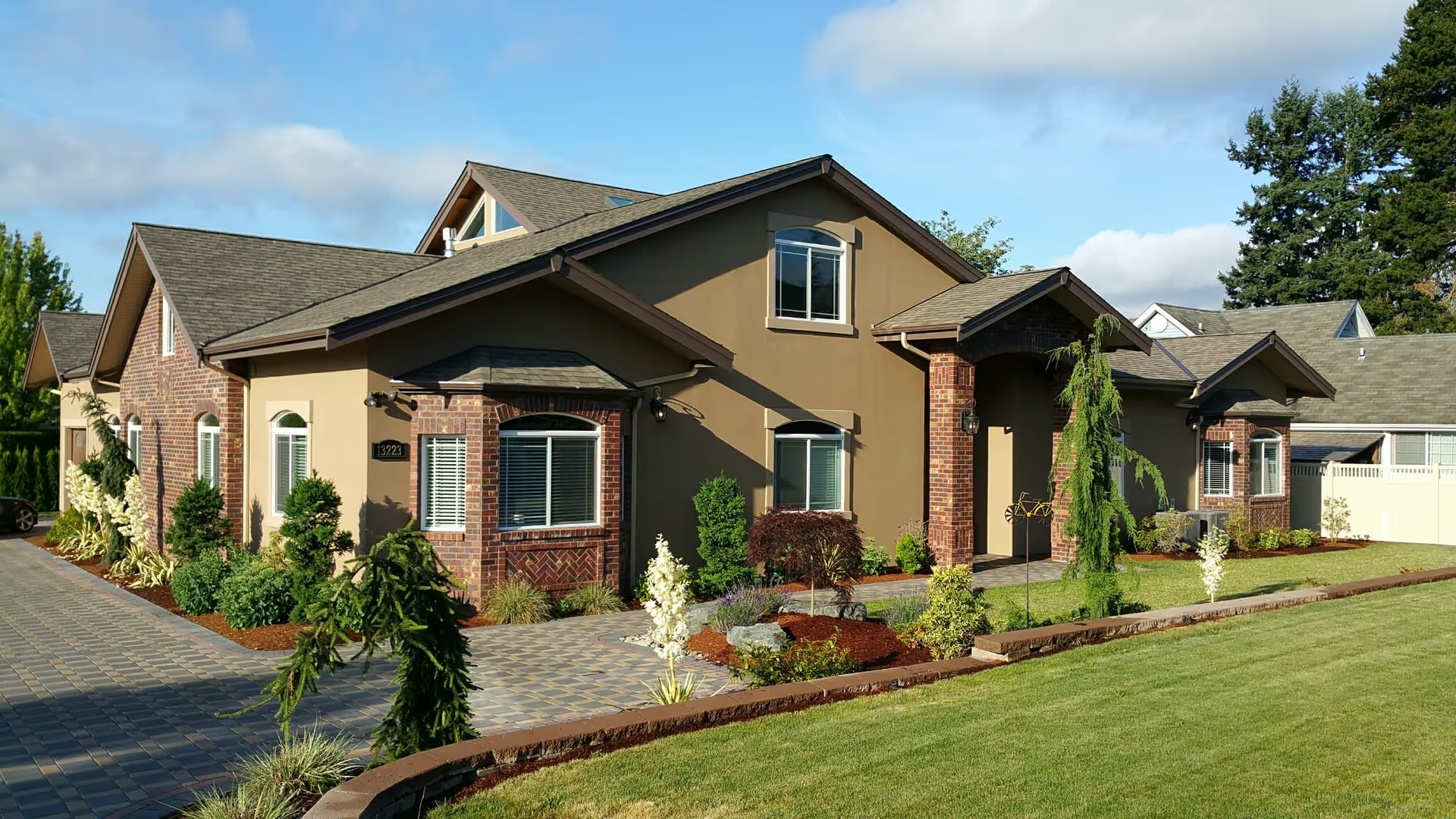
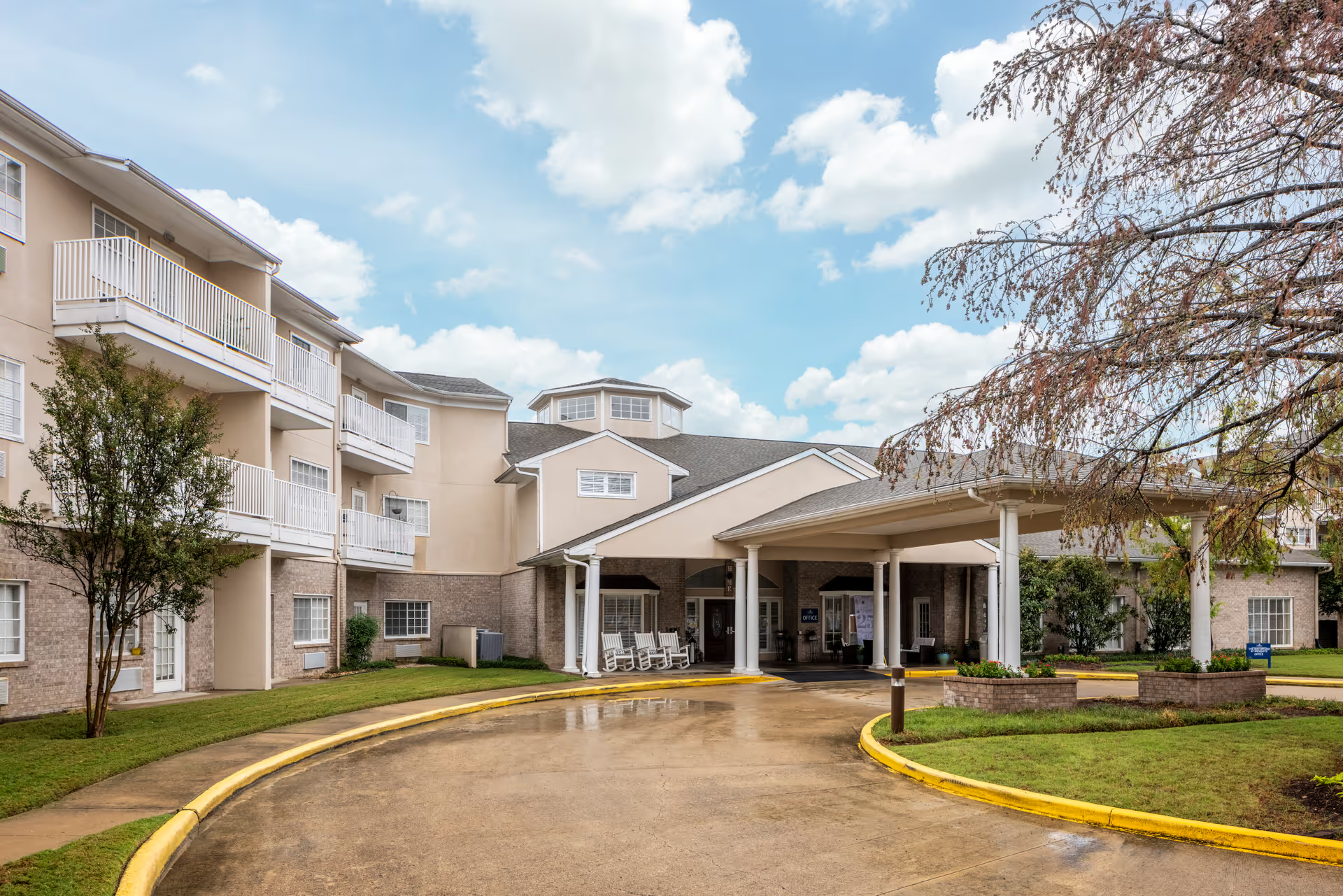
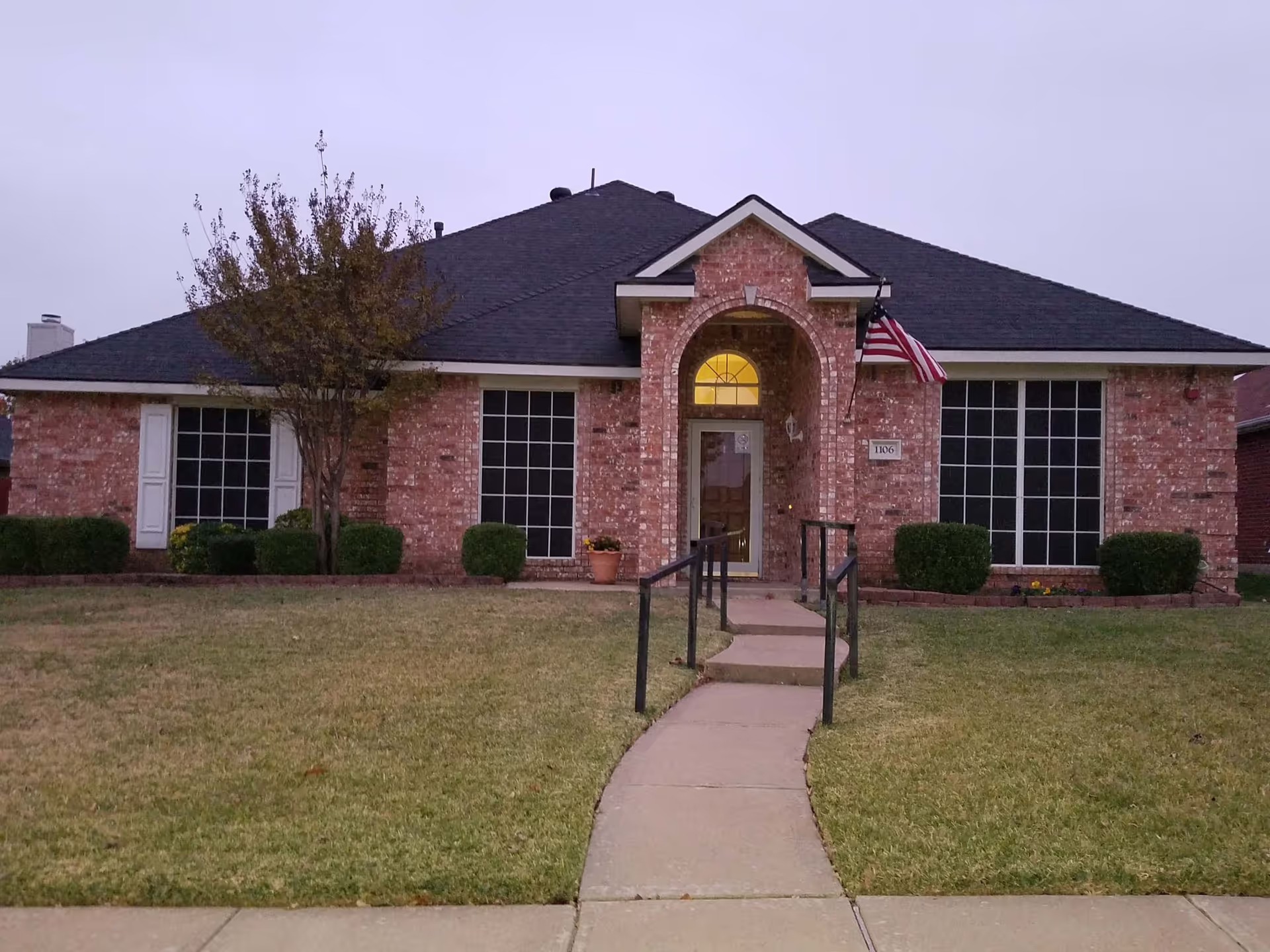
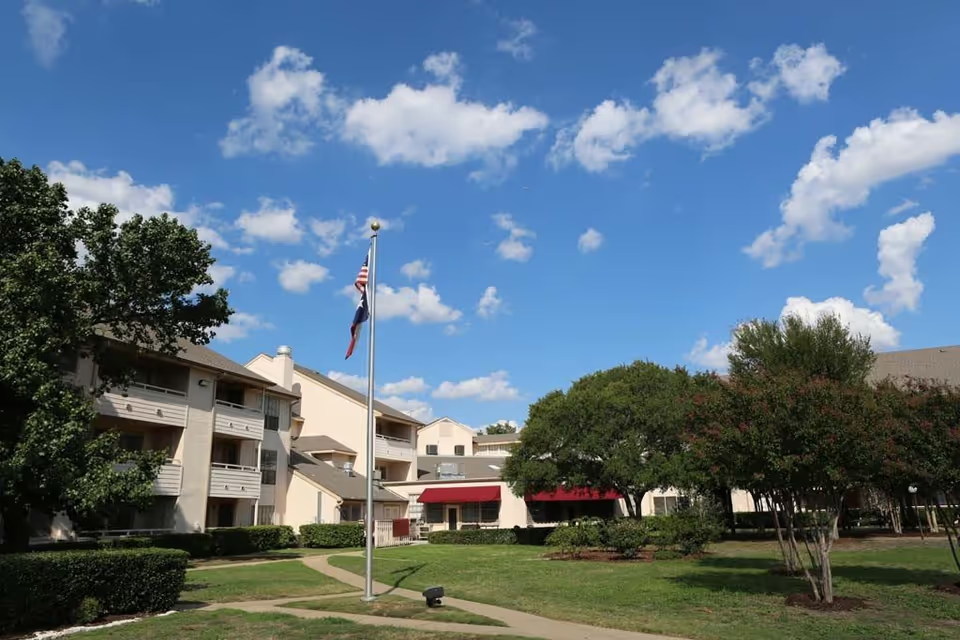
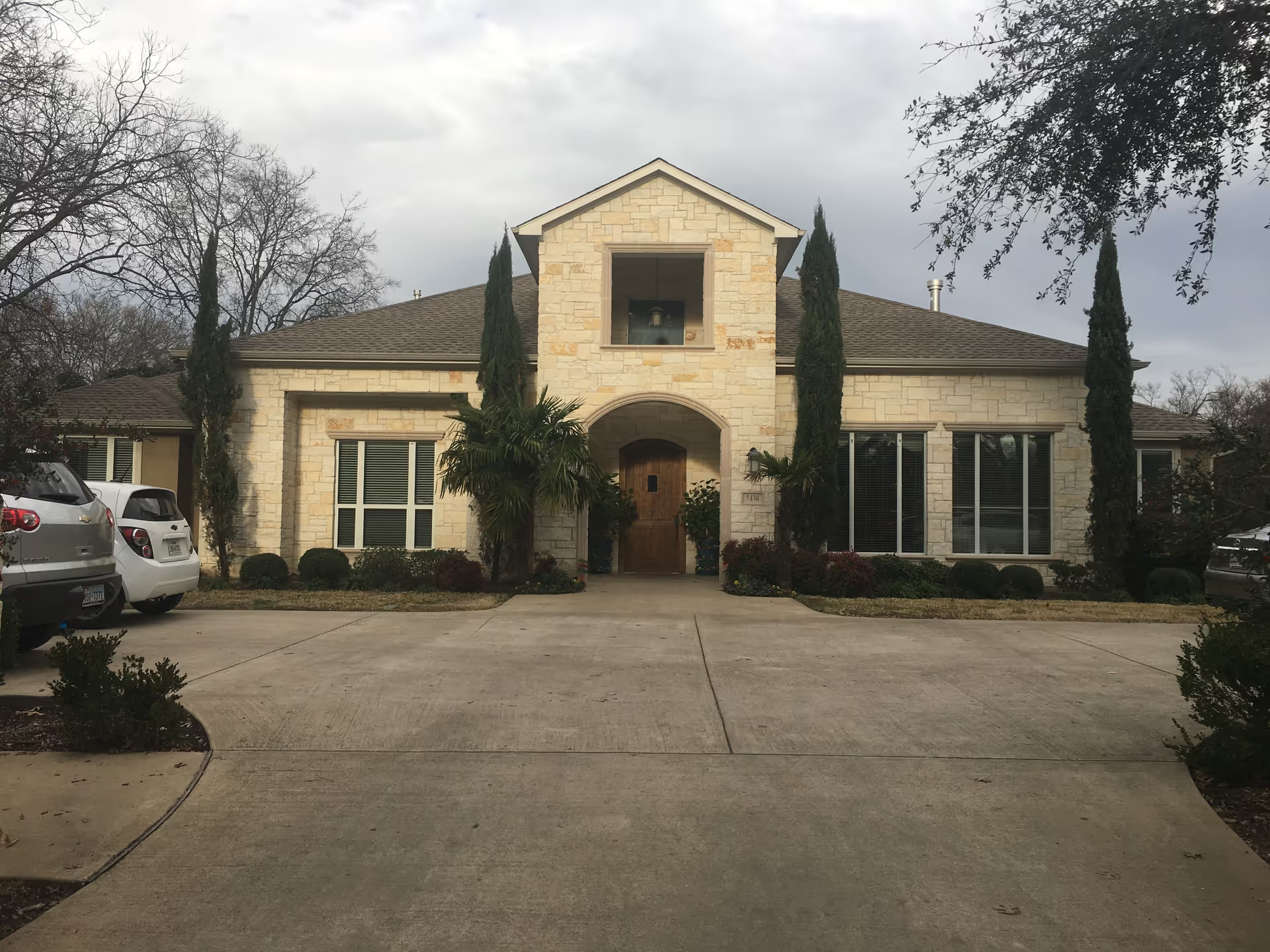
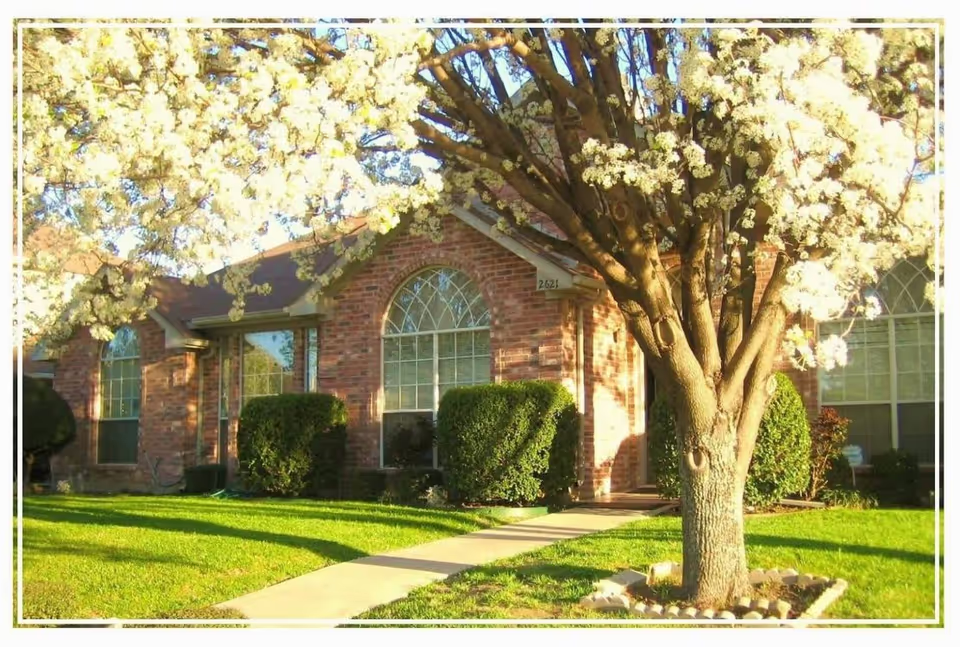
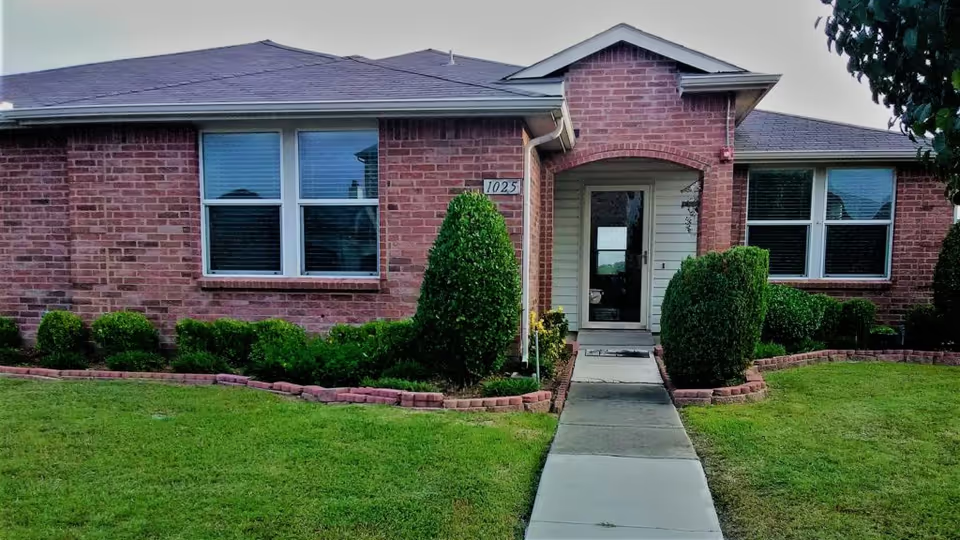
Willowbend presents a mixed but distinct pattern: its rehabilitation services and therapy teams are a clear institutional strength, while skilled nursing and operational consistency show notable variability. Many families and former residents praise the facility’s physical, occupational, and speech therapy programs — therapists are frequently described as knowledgeable, motivating, and effective at helping residents regain function. The facility’s remodeled front areas, private rooms with en-suite bathrooms, outdoor visiting spaces, and active social programming (bible services, bingo, crafts) contribute to a welcoming environment for short-term rehabilitation stays.
Clinical care quality appears uneven. Positive accounts describe attentive nurses, med techs, and long-tenured aides who provide compassionate hands-on care. Counterbalancing those are numerous accounts of delayed or missed medications, medication/pharmacy coordination problems, and inconsistent responsiveness to call lights and toileting needs. These issues suggest operational weaknesses in medication-administration workflows and unit staffing models rather than uniform clinical incompetence. Safety and oversight concerns — including delayed physician evaluations and incidents related to transfers or feeding practices — were raised and point to the need for stronger clinical protocols and supervision on some shifts.
Housekeeping and sanitation present a split picture. The facility’s front and renovated areas are frequently described as clean and well maintained, but multiple reviewers identify odor concerns and sanitation lapses in particular wings or rooms, especially where staffing is thinner. These comments, together with reports of delayed bathing or incontinent-care attention, indicate inconsistent execution of basic care and cleaning routines across units.
Dining and dietary accommodation are likewise inconsistent. Several families compliment the menu and accommodating kitchen staff; others describe missed dietary preferences, delayed meals, or temperature/quality issues. This suggests that meal-service continuity and diet-order adherence vary by shift and unit. Activities and social programming are generally presented as robust and beneficial for resident engagement, which is a recurring positive for rehabilitation stays and social wellbeing.
Administrative and operational themes recur in many accounts. Strengths include accessible, helpful leaders at times, effective discharge planning, and a welcoming admissions/front exterior. However, there are repeated concerns about communication with families, unresponsive case management, front-desk and phone access gaps, lost personal belongings, and difficulties with discharge paperwork and billing. Staffing variability — notably reduced coverage on nights and some weekends — appears to underlie several of these operational problems and contributes to the inconsistent resident experience.
Taken together, Willowbend may be a strong option for patients whose primary need is focused rehabilitation, given the consistently praised therapy teams and supportive activities. Prospective residents and families should, however, evaluate nursing coverage, medication-administration safeguards, sanitation practices in the specific unit their loved one would occupy, and administrative processes (discharge, billing, and property handling). Visiting at varied times and asking targeted questions about staffing ratios, pharmacy/medication protocols, and unit-level housekeeping practices can help set expectations and identify whether the facility’s strengths align with the resident’s needs.