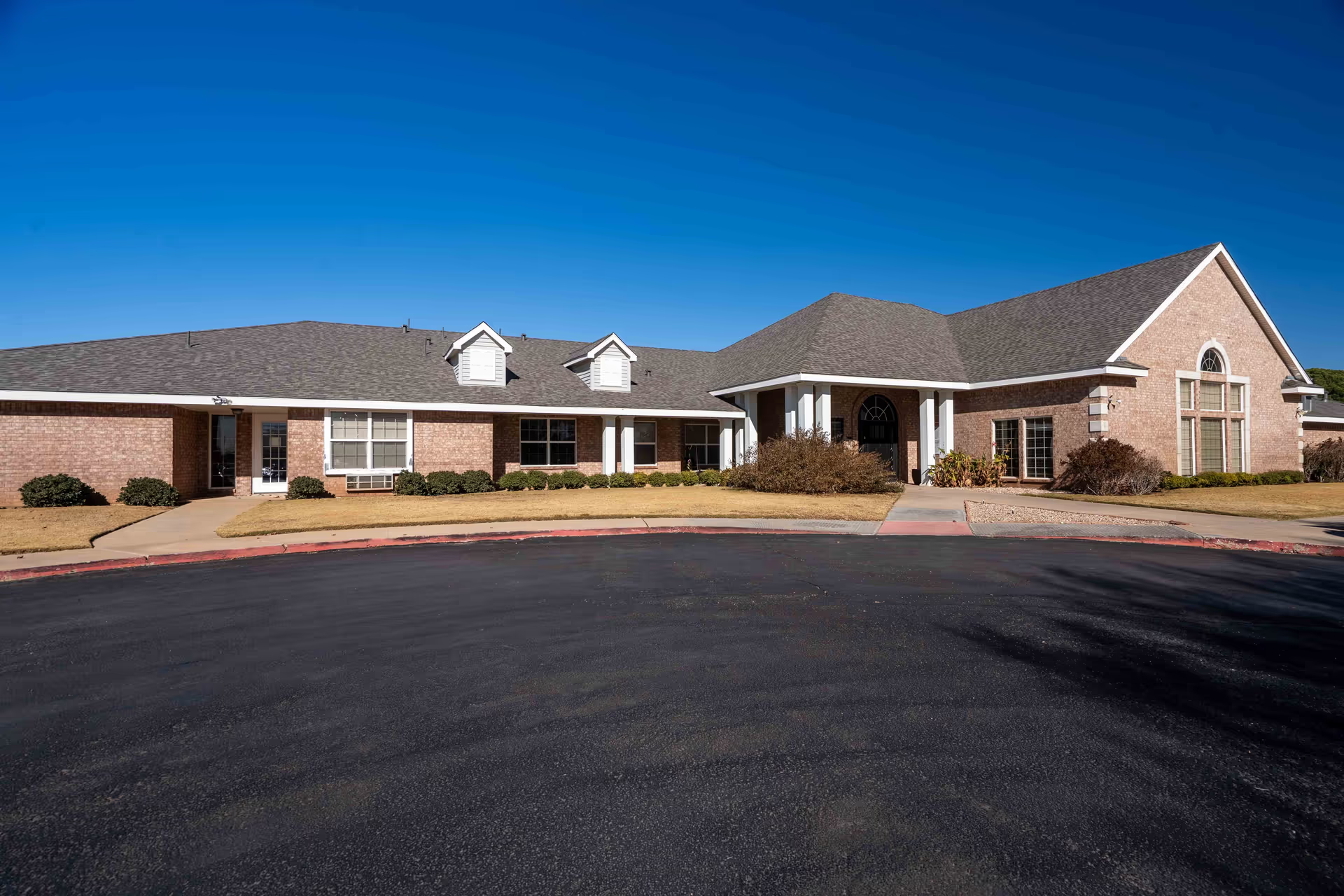
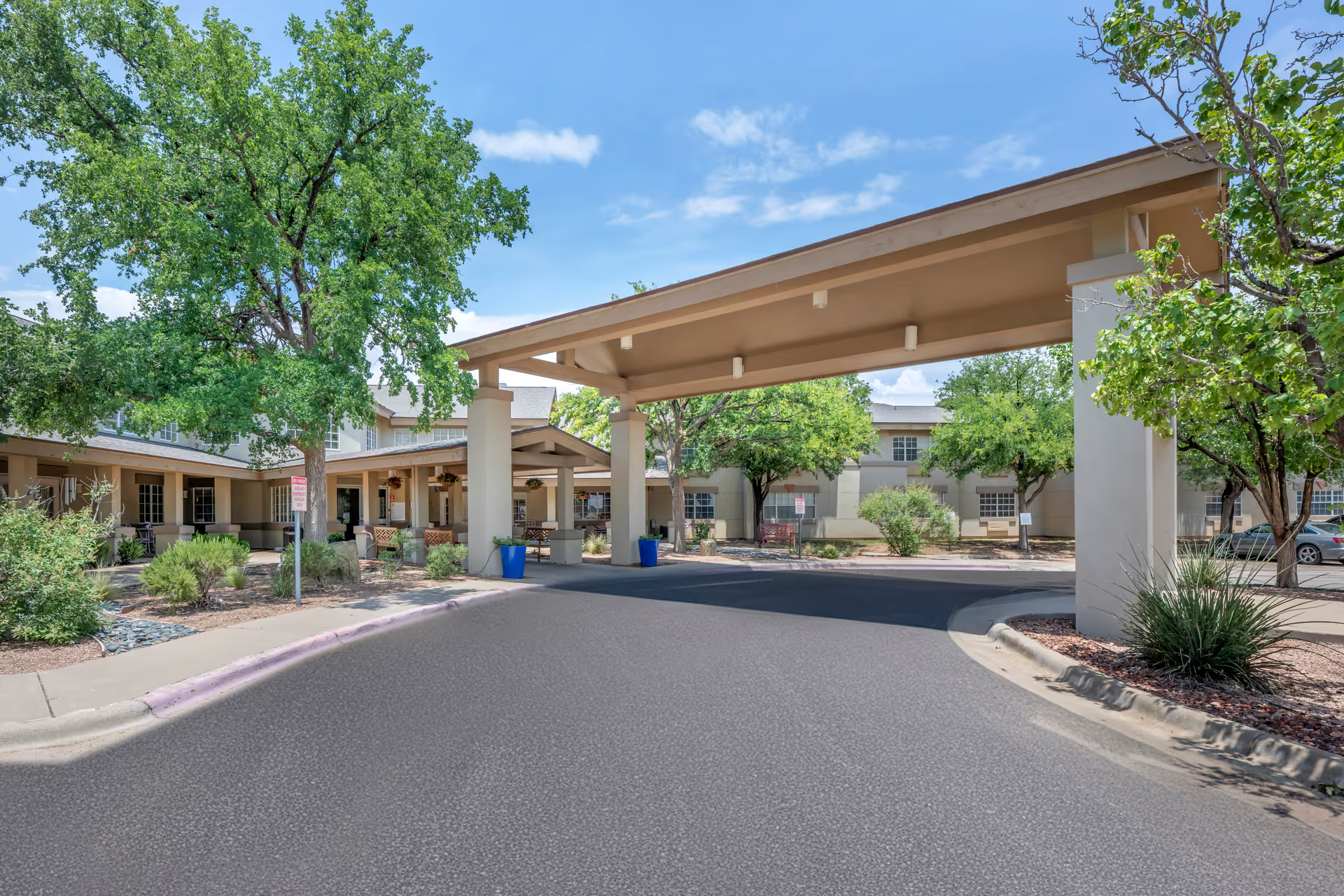
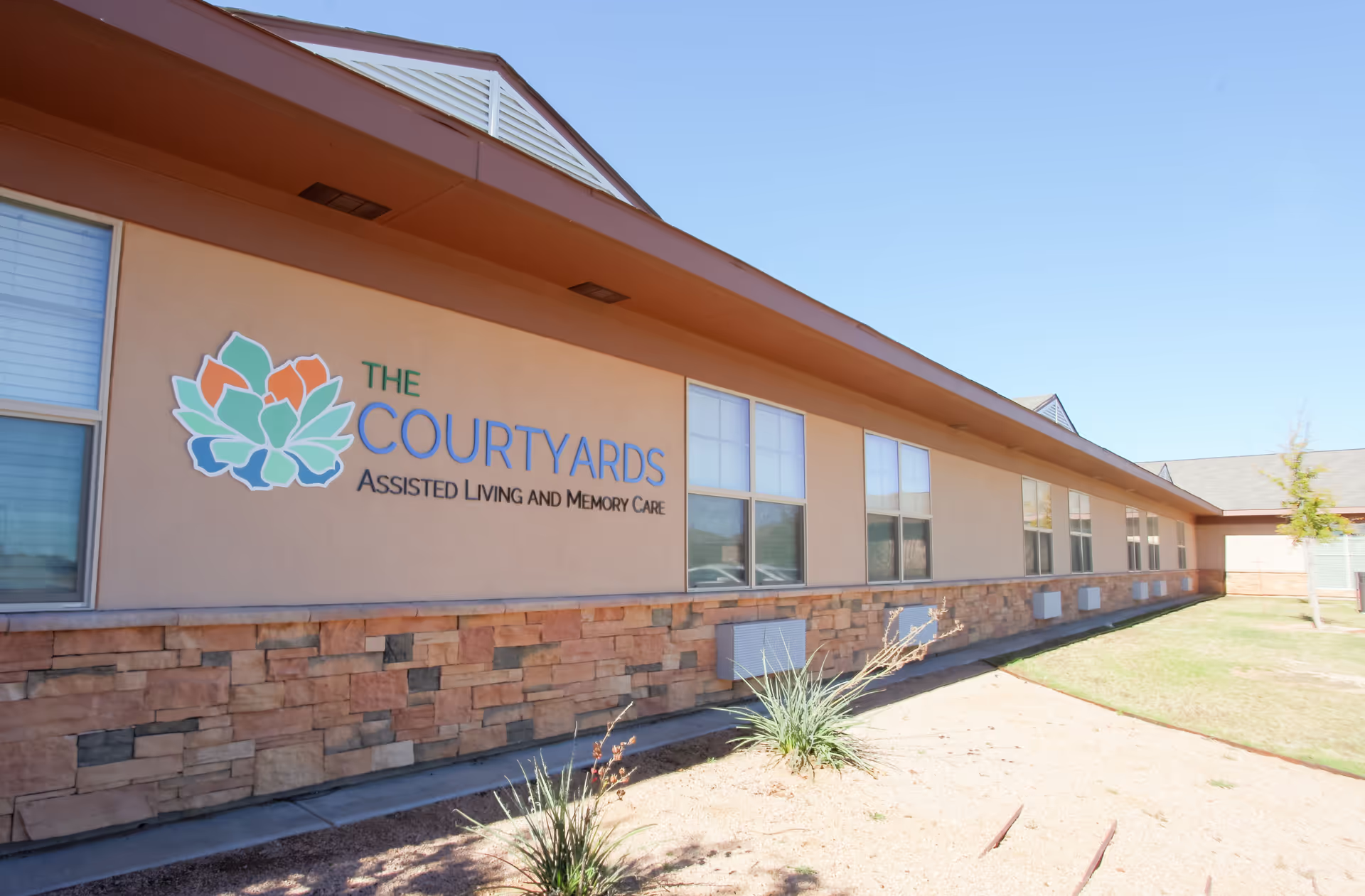
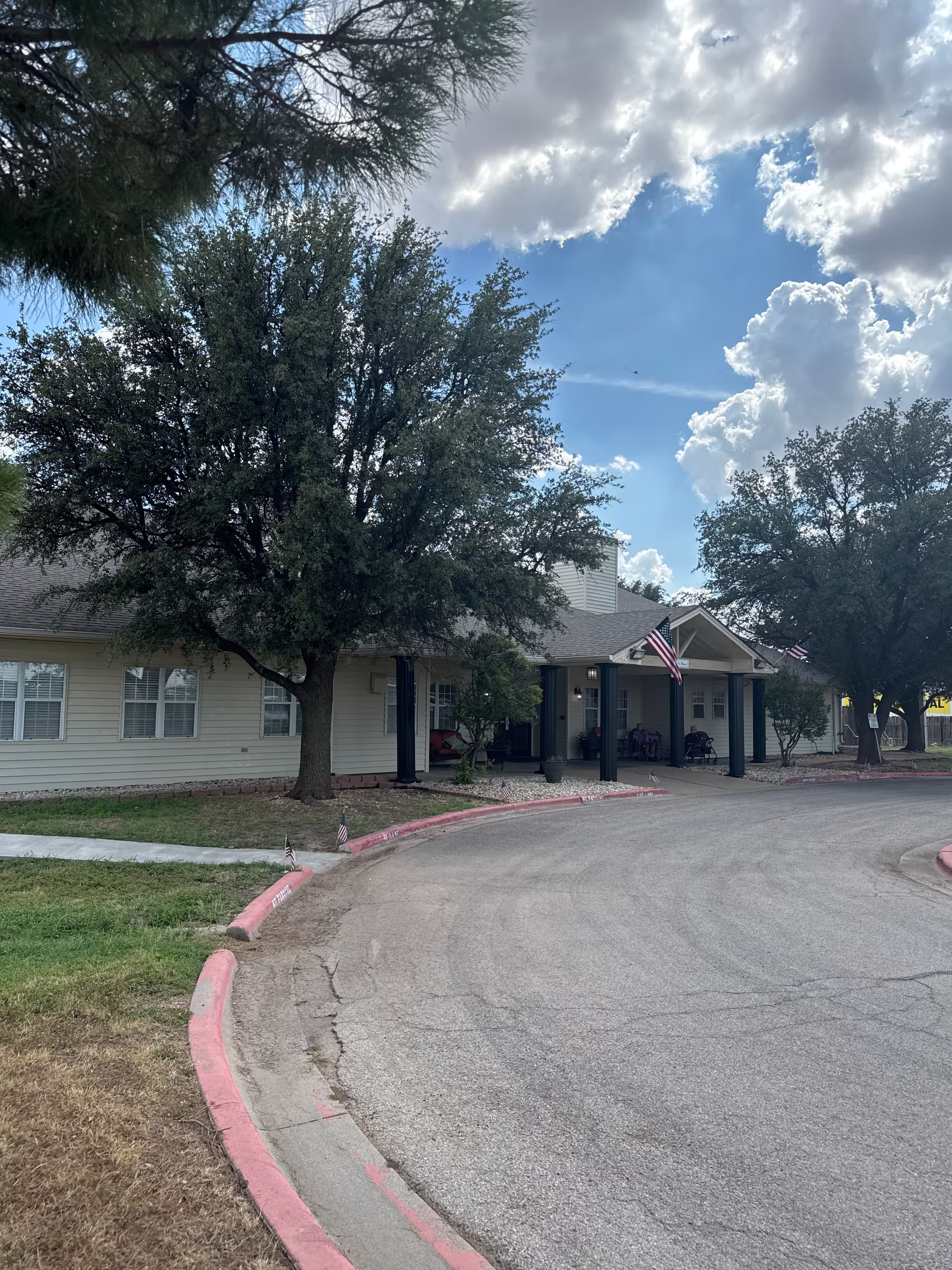
Legacy Ranch is described consistently as a small, memory-care–focused community with a strong emphasis on compassionate caregiving and nursing oversight. Reviewers emphasize the personal attention residents receive from direct-care staff and charge nurses, and families commonly cite a sense of safety and dignity for loved ones. The facility’s specialization in memory care is a defining characteristic; staff training, programming, and the physical layout (including a centrally located nurses’ station and circle-shaped design) appear aligned to that level of need.
Care quality and staff: Caregivers and nursing leadership are repeatedly characterized as caring, patient, and responsive. Families appreciate the continuity afforded by a smaller census that allows staff to learn residents’ preferences and build relationships. Management engagement and responsiveness to family questions are noted positively, and reviewers cite specific staff members and an involved Executive Officer as accessible. At the same time, a pattern of occasional understaffing or service variability is present in the feedback; this manifests as intermittent delays in interaction or limited engagement, especially during short stays or periods of higher acuity.
Dining and amenities: Dining receives generally favorable remarks for portion size, variety, and regular snacks; many residents are said to be eating well. Amenities such as laundry service, in-room furnishings, an on-site salon, therapy room, and a courtyard contribute to a hotel-like environment that families find comfortable. A recurring caveat is that meal presentation and appeal are sometimes inconsistent, and a few families reported that their relative did not eat due to appearance or preference — an operational area that may benefit from closer attention to presentation and individualized meal options.
Activities and social engagement: Activity staff and directors are consistently praised, with a wide range of offerings referenced (bingo, wheelchair basketball, field trips, twice-daily engagement in some cases). The small size supports personalized programming for engaged residents. However, several comments indicate that activities can feel repetitive and that participation is uneven; less-mobile or more withdrawn residents may receive less interaction. Prospective families should inquire about activity schedules, participation strategies for residents with limited engagement, and how the community individualizes social programming.
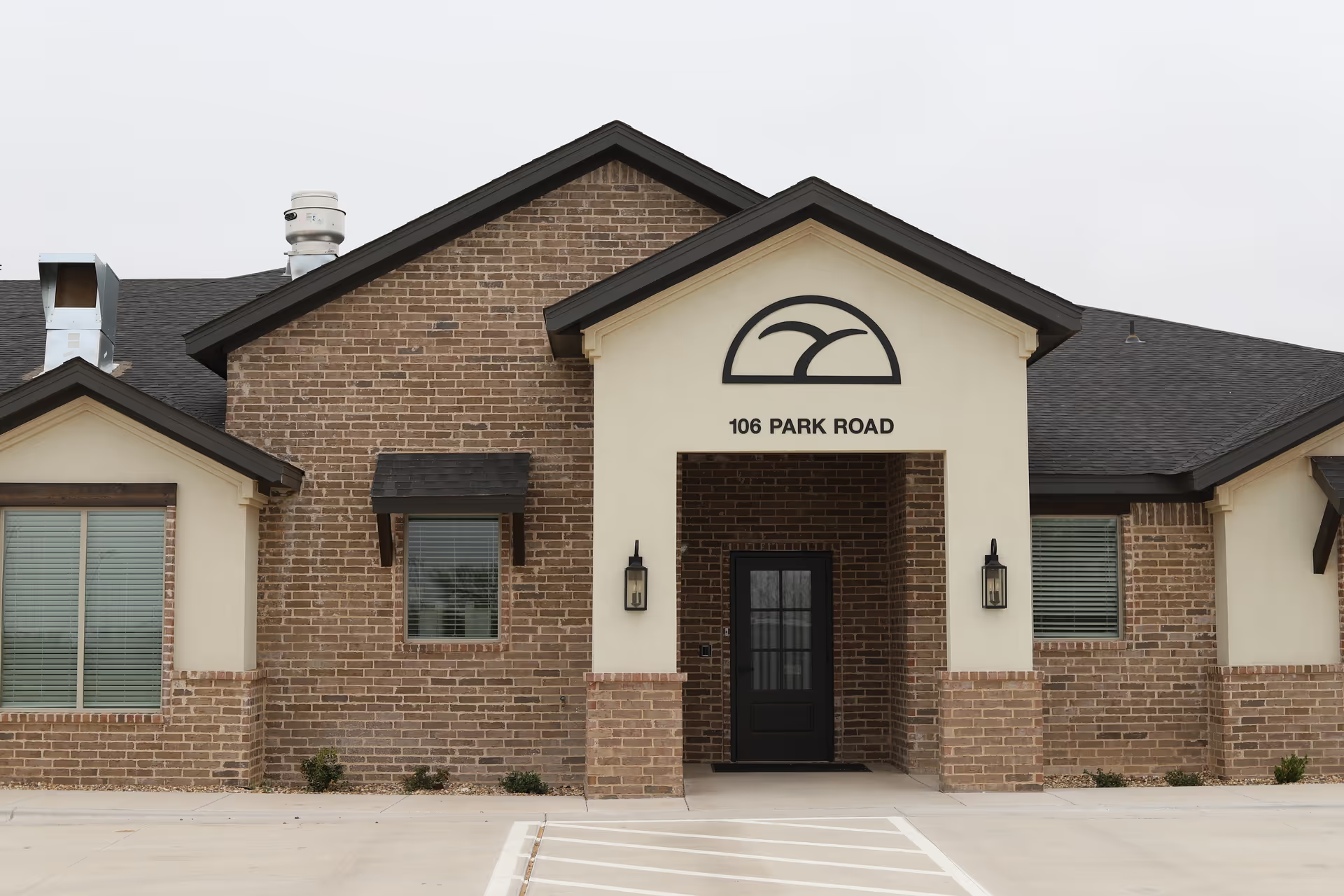
Facilities and environment: The community is often described as clean, well-kept, and pleasant, with a courtyard and garden that families value. Rooms are described as hotel-like and comfortable, and the facility’s newer construction and layout are seen as assets for both safety and family comfort. Some families, however, felt the overall atmosphere leaned toward skilled nursing due to the resident mix and acuity, which influenced impressions of the social environment for residents who are earlier in the memory-loss continuum.
Management, value, and fit: Management is generally viewed as engaged and communicative, which contributes to family confidence and peace of mind. Value assessments vary: many families consider the cost reasonable for the level of specialized memory care and staff attentiveness, while others find the facility relatively expensive and note that home-care alternatives may be less costly. Notable patterns suggest that Legacy Ranch is a strong fit for families seeking memory-care expertise, a small community, and attentive staff; families seeking a more socially active, lower-acuity assisted-living environment or strict visitation flexibility may want to confirm fit in advance.
Recommendation: Overall, Legacy Ranch presents as a well-maintained, memory-care–oriented community with strong caregiving staff and engaged activity leadership. Prospective residents and families should tour the community, ask specific questions about staffing levels and contingency plans, review activity participation strategies for less-interactive residents, and evaluate meal options and presentation to ensure fit with individual preferences. These targeted inquiries will help determine whether the facility’s memory-care focus, cost structure, and visitation policies align with a family’s priorities.