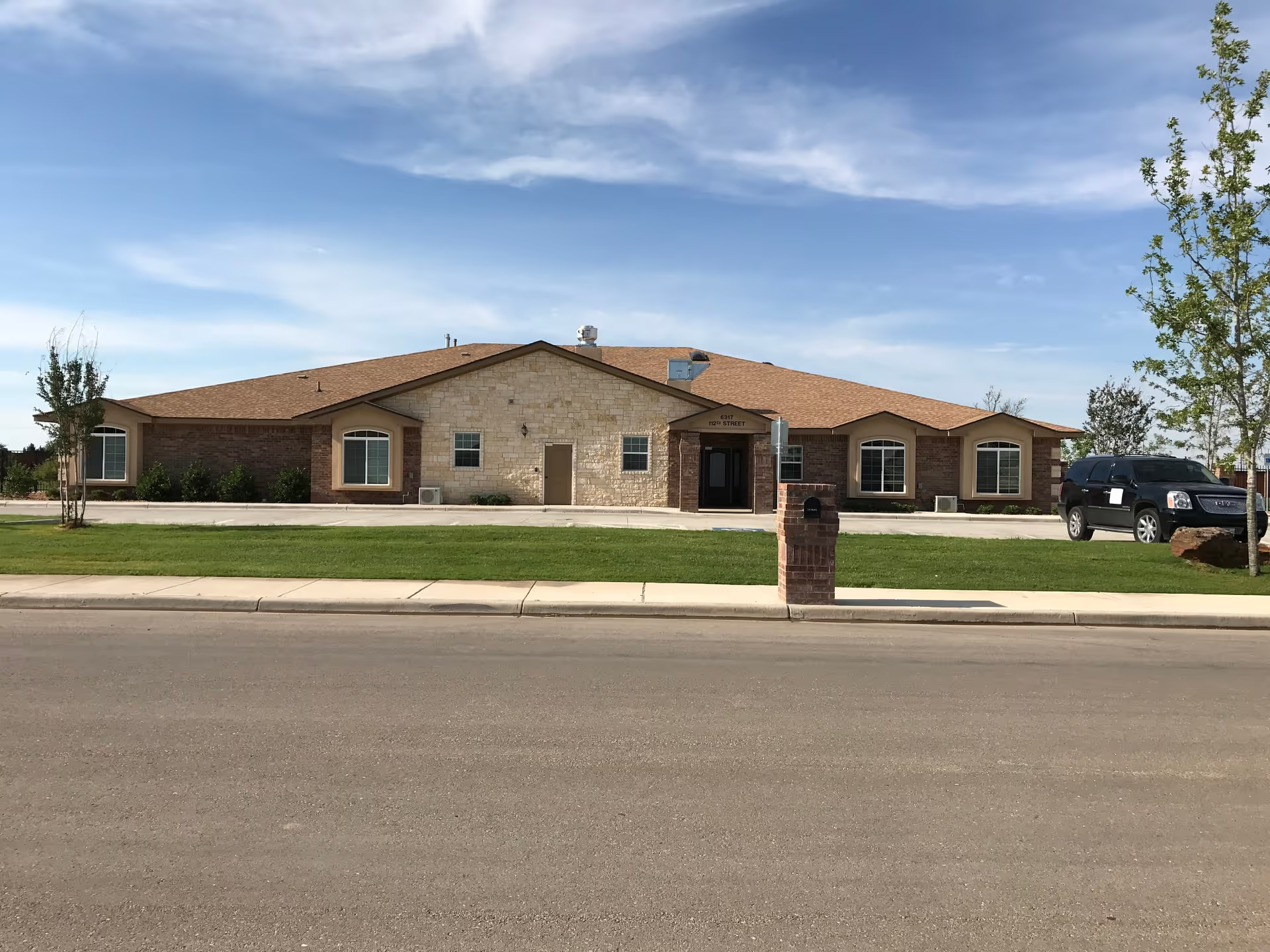
Cimarron Place elicits a strongly mixed but consistent pattern: reviewers repeatedly praise the interpersonal side of the operation while raising operational and clinical capacity concerns. On the positive side, families and residents describe staff as warm, compassionate and frequently willing to go beyond baseline expectations. Management is often characterized as attentive and responsive, and several caregivers and administrators received named praise. The community’s small scale is repeatedly framed as a strength — enabling personal attention, family-style events, pet visits, and a variety of social activities that many residents enjoy.
Care quality appears bifurcated. For residents with primarily social or assistance-level needs, reviewers note reliable medication administration, helpful hospice coordination, regular housekeeping and laundry, and attentive day-to-day caregiving. However, a recurring concern is the facility’s limited clinical and physical-assistance capability: families describe that more intensive nursing, frequent home-health coverage, or hands-on rehabilitation needs are not well supported on site. Several accounts point to reliance on outside home-health visits, infrequent clinical presence, and gaps in responding to higher-acuity incidents. This pattern suggests Cimarron Place is better suited to residents who require assistance with activities of daily living but do not need continuous skilled nursing or robust rehabilitative services.
Dining and activities are another area of contrast. The community offers chef-prepared meals, a pleasant dining environment, and an active calendar of social events and family nights that many residents appreciate. At the same time, reviewers cite variability in meal quality, limited special-diet options, and occasional cold or unappealing presentations. Activity offerings are generally praised, but some families reported interruptions (including COVID-related pauses) or limited activity staffing at certain times. Prospective residents should verify current menu accommodations and the stability of the activity schedule during a tour.
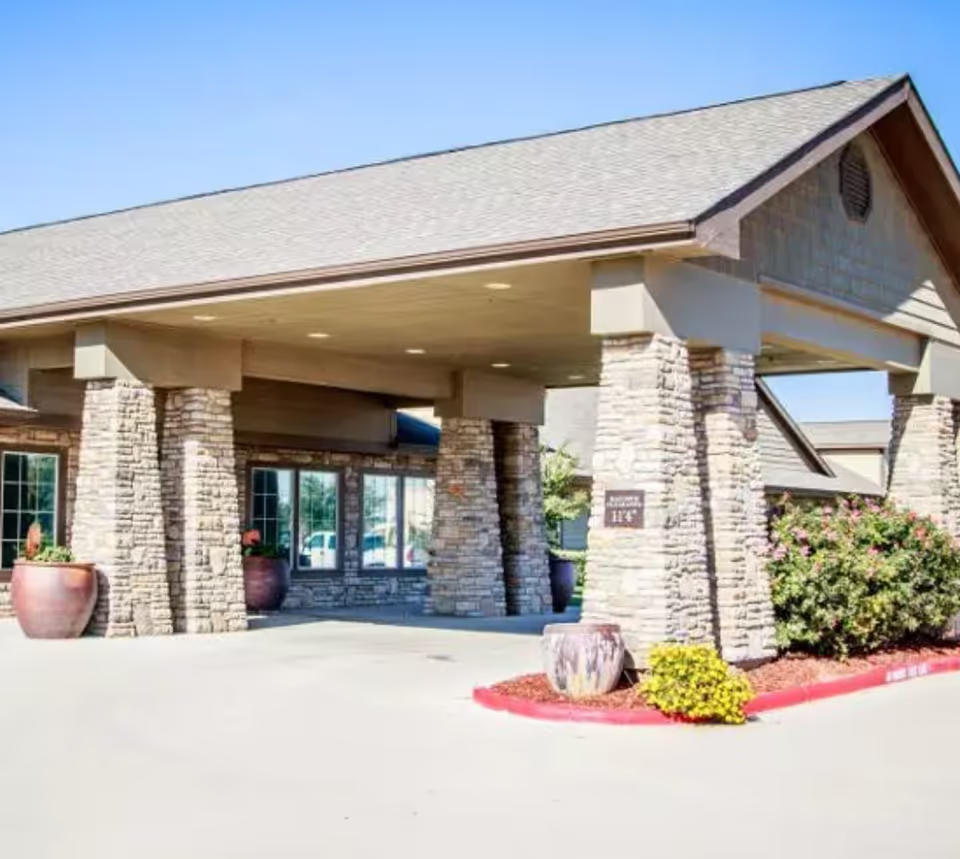
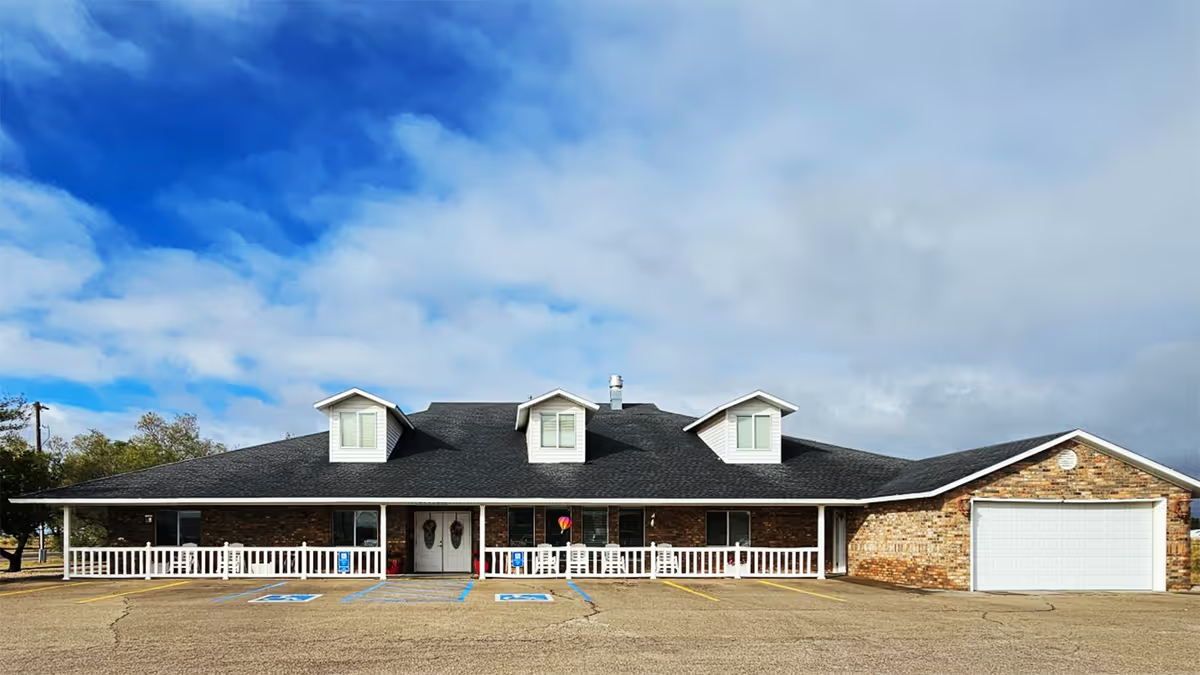
Facility condition and maintenance were described both positively and negatively. Common areas and grounds are often called clean and well-kept, and the single-level layout and roomy hallways are beneficial for mobility. Conversely, several reviewers noted dated apartment finishes, delayed maintenance responses, and occasional appliance or carpeting issues in units. These reports indicate uneven upkeep between public areas and some private units; interested families should inspect specific apartments and ask about routine maintenance turnaround times.
Management and business practices draw mixed evaluations. Numerous reviewers praise management’s communication and willingness to resolve concerns, and several named staff are highlighted for strong performance. Yet there are also recurring complaints about pricing transparency, sudden fee increases tied to health-status evaluations, verbal agreements not being honored, and billing or refund delays. Transportation policy is another operational limitation: the facility appears to lack a licensed driver or dedicated transport for medical appointments, and families are sometimes charged extra for third-party transport. Those considering placement should obtain a clear, written explanation of fee structures, transport policies, and contractual terms before committing.
In summary, Cimarron Place tends to perform strongly on personal caregiving, social engagement, and the small-community experience. However, it shows weaknesses in clinical capacity, memory-care specialization, maintenance consistency, meal variability, transportation, and pricing transparency. The community may be a good fit for seniors seeking a social, apartment-style assisted living environment with regular personal attention, but it is less appropriate for residents who require ongoing skilled nursing, frequent physical therapy, comprehensive memory-care programming, or guaranteed transportation to medical appointments. Prospective families should prioritize an in-person tour, review written contracts and fee schedules, and clarify clinical and transportation capabilities relative to the prospective resident’s needs.