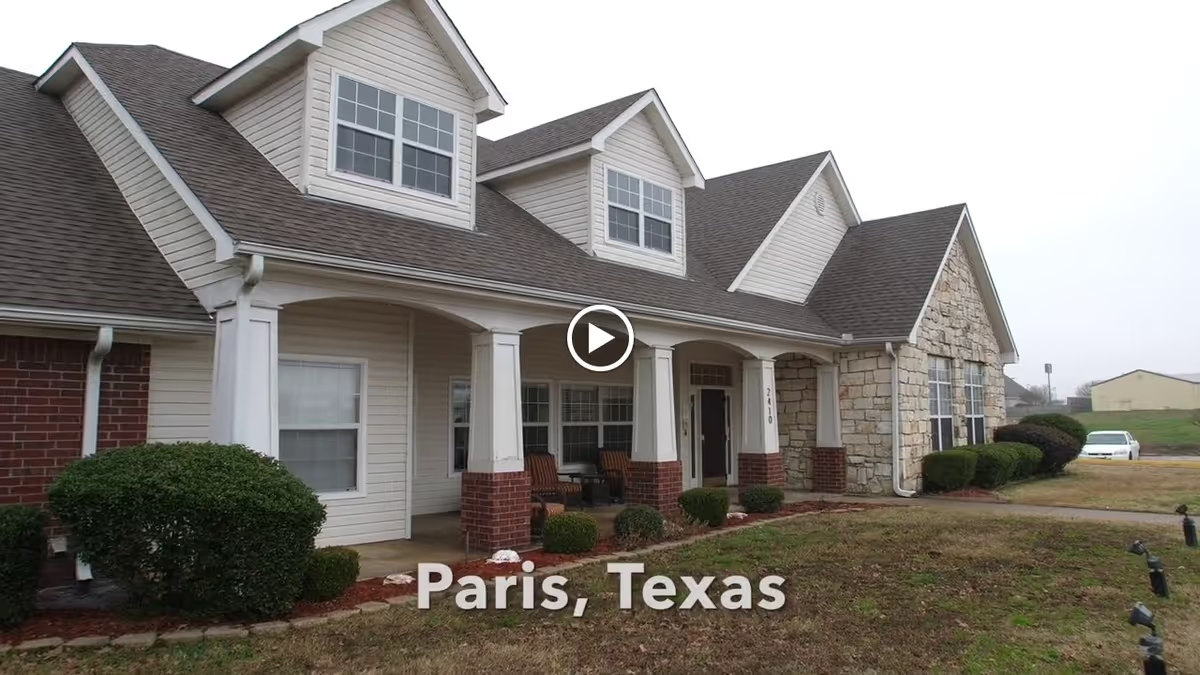
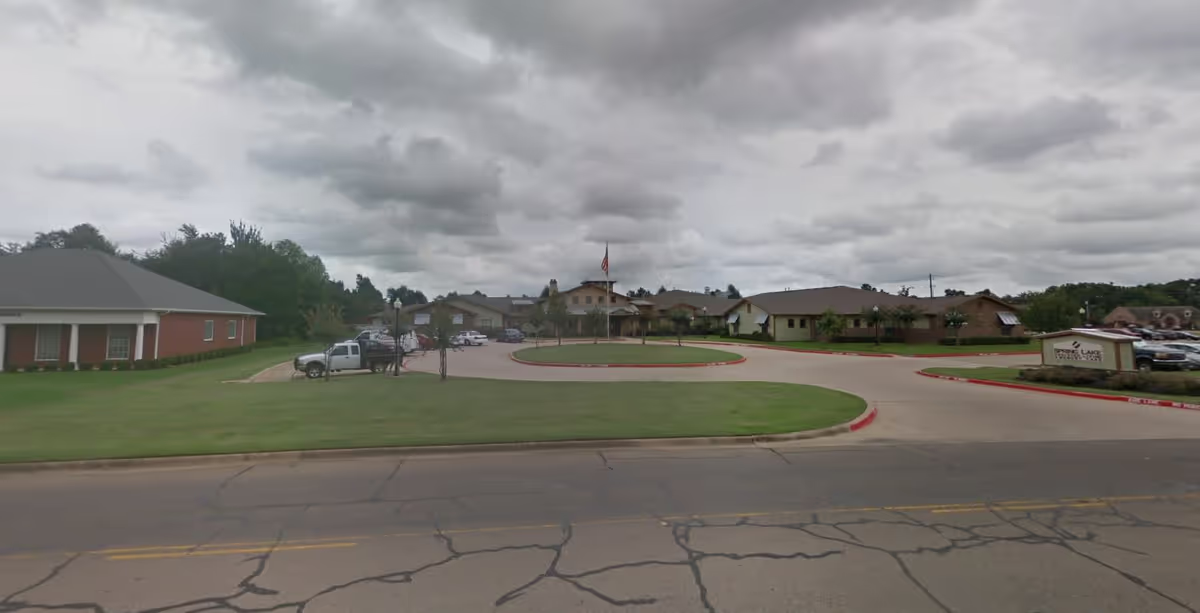
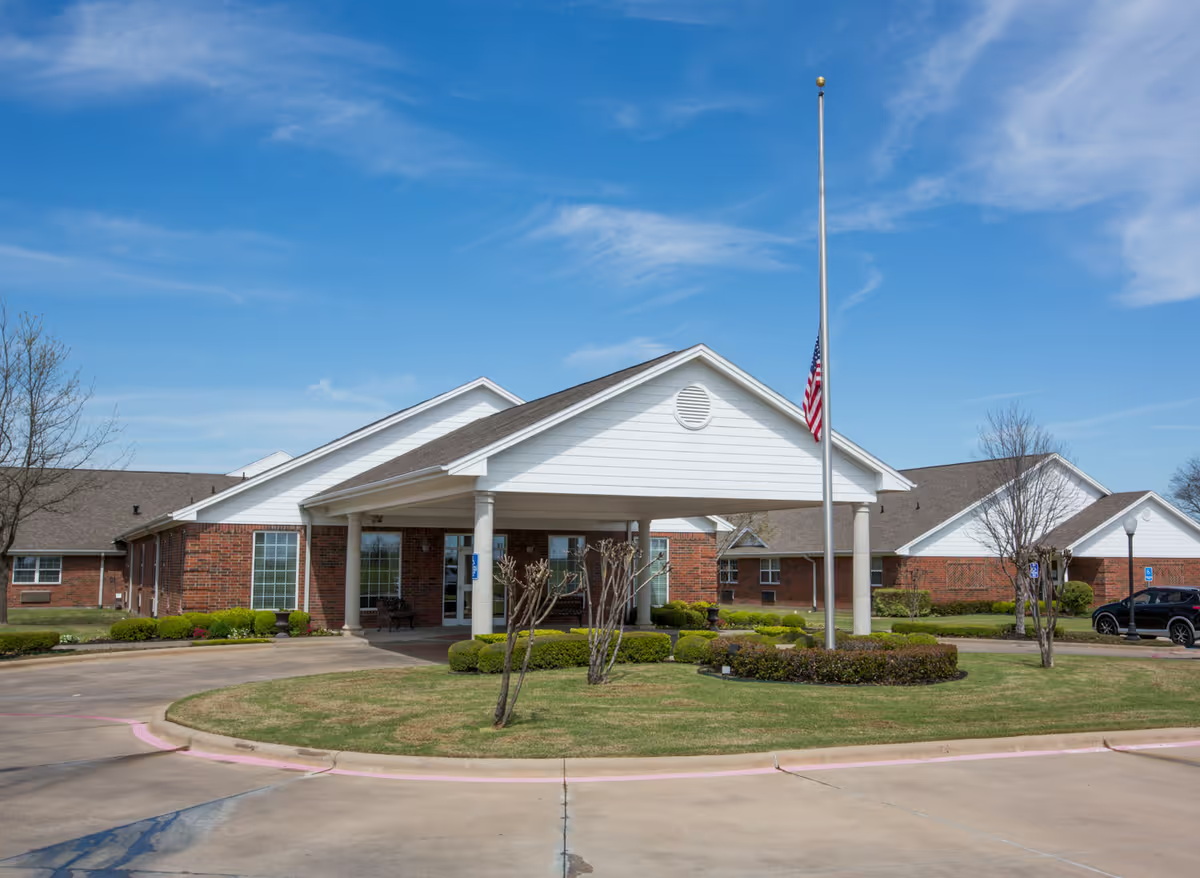
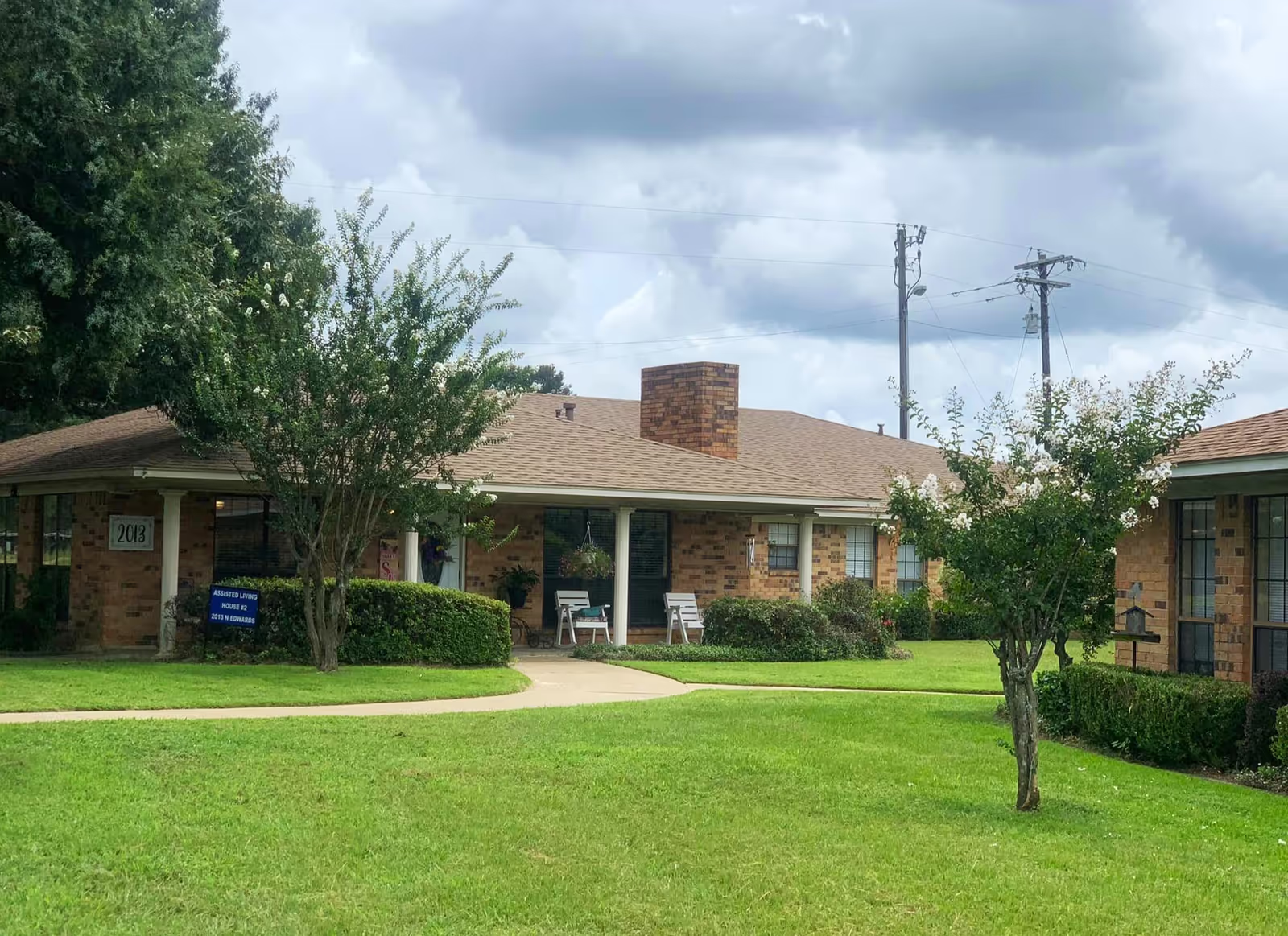
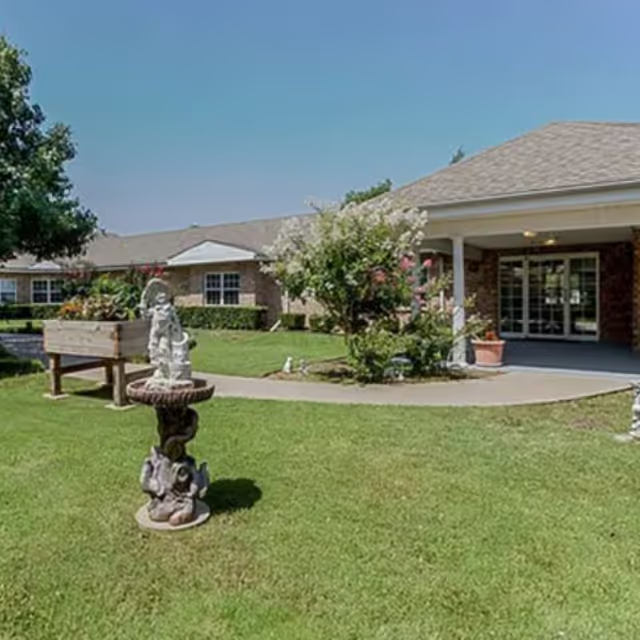
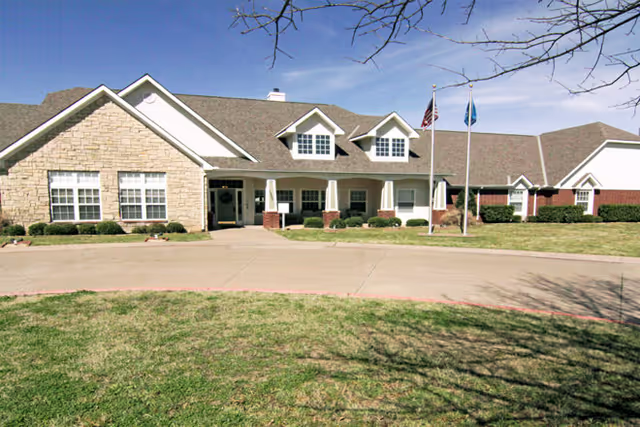
The reviews present a mixed but clear picture: Paris Healthcare Center shows many service-level strengths alongside several operational risks that prospective families should clarify during a tour. Positive themes include a visible investment in the physical plant and programming — multiple comments highlight recent renovations, brighter rooms, a remodeled medical specialty unit, and an overall cleaner, more modern atmosphere. The facility offers a range of care levels (respite, long-term care, and a medical specialty unit that accepts higher-acuity residents), on-site rehabilitation and physical therapy, and transportation services for appointments.
Care quality and staff are frequently described as strong. Reviewers emphasize compassionate caregivers and a number of long-tenured nurses and aides, staff who engage residents in celebrations and personalized attention, and an active, family-focused culture. Memory-care programming and sensory stimulation activities are noted as particular strengths, and activity staff appear to provide a variety of social and recreational opportunities that families value.
However, operational issues recur in the feedback. Staffing instability and turnover are cited as a pattern, and reviewers describe occasions of delayed responsiveness and short-staffing that could affect daily care. Housekeeping and sanitation practices appear inconsistent: while many describe the facility as clean and refreshed after renovation, others note odor concerns and variable room cleanliness that merit verification. Privacy and dignity lapses are also reported as an operational weakness to address.
Nutrition and dining emerge as a distinct area of concern. Multiple comments describe a menu heavy in fried items, repetitive meal choices, limited healthy-dressing options, and the absence of an on-site nutrition specialist. These points suggest limited dietary variety and insufficient clinical oversight of meal planning for an older population with specific nutritional needs.
Management and compliance-related patterns are mixed. Several reviewers praise administrative leadership and a patient-first approach, but there are serious operational concerns flagged that require due diligence: allegations of payroll irregularities, regulatory issues including past loss of certification and license risk, and reports of occupancy pressure/overcapacity. Communication and responsiveness are described as variable across departments, and parking constraints affect family access.
Recommendation: Prospective residents and families should balance the facility’s clear strengths in staffing continuity, therapy services, memory-care programming, and renovated environment against the operational weaknesses noted above. During a visit, ask for current licensure and certification documentation, recent staffing ratios and turnover statistics, a copy of the nutrition/dietary plan and whether a dietitian is on contract, housekeeping and infection-control protocols, examples of how privacy concerns are managed, and written responses to any past compliance actions. These targeted questions will help verify whether the strengths observed by other families are consistently delivered and whether the operational concerns have been remediated.