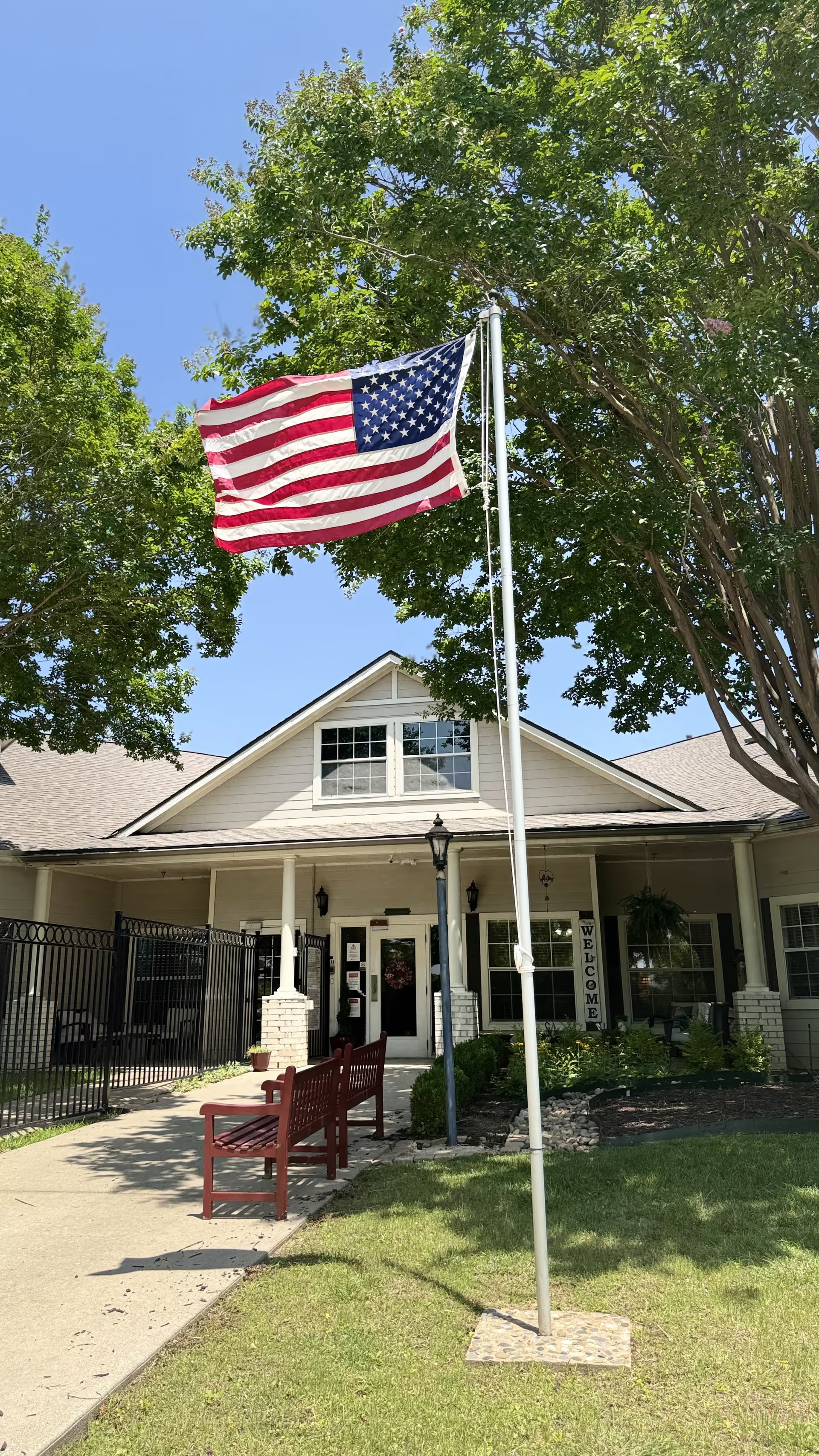
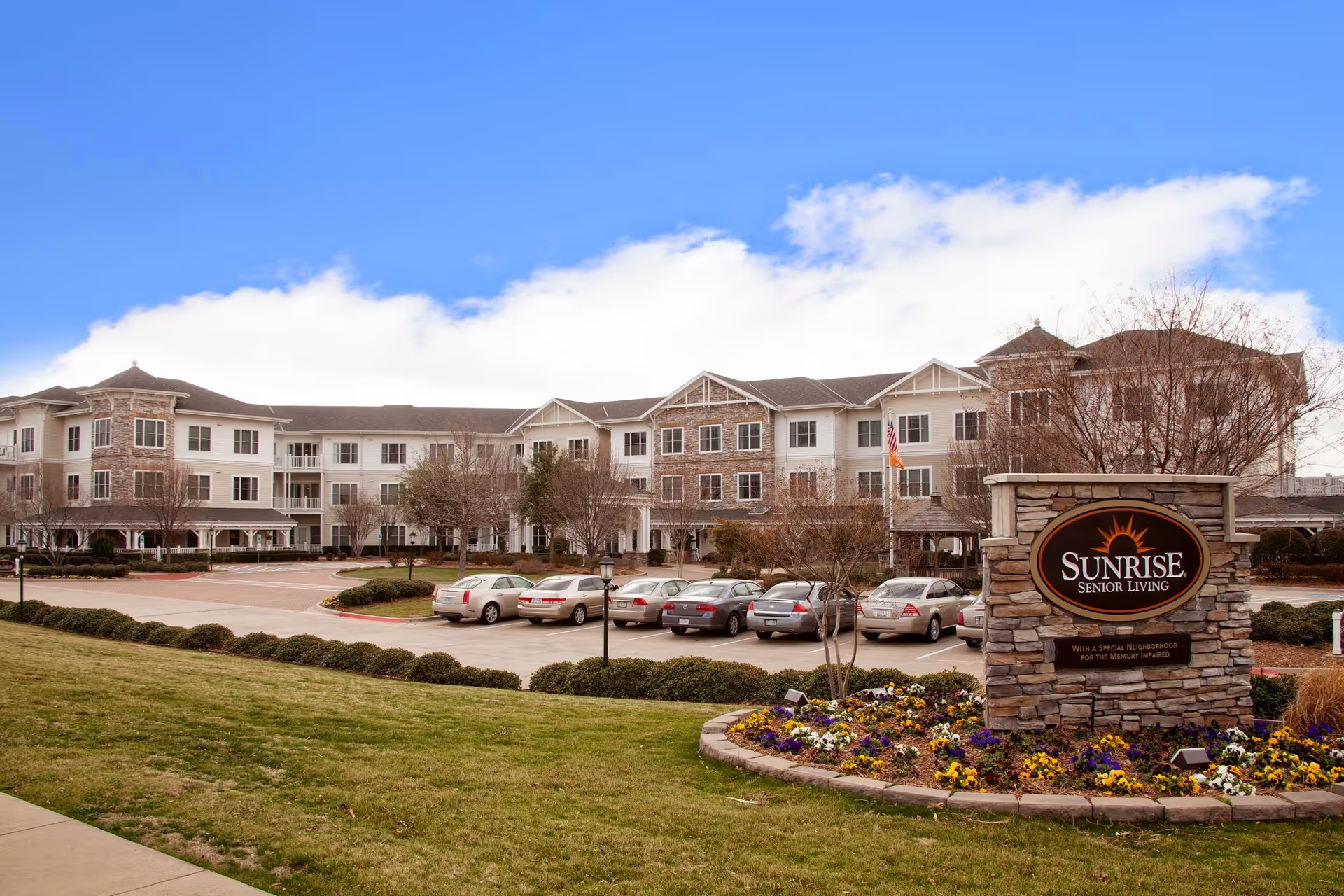
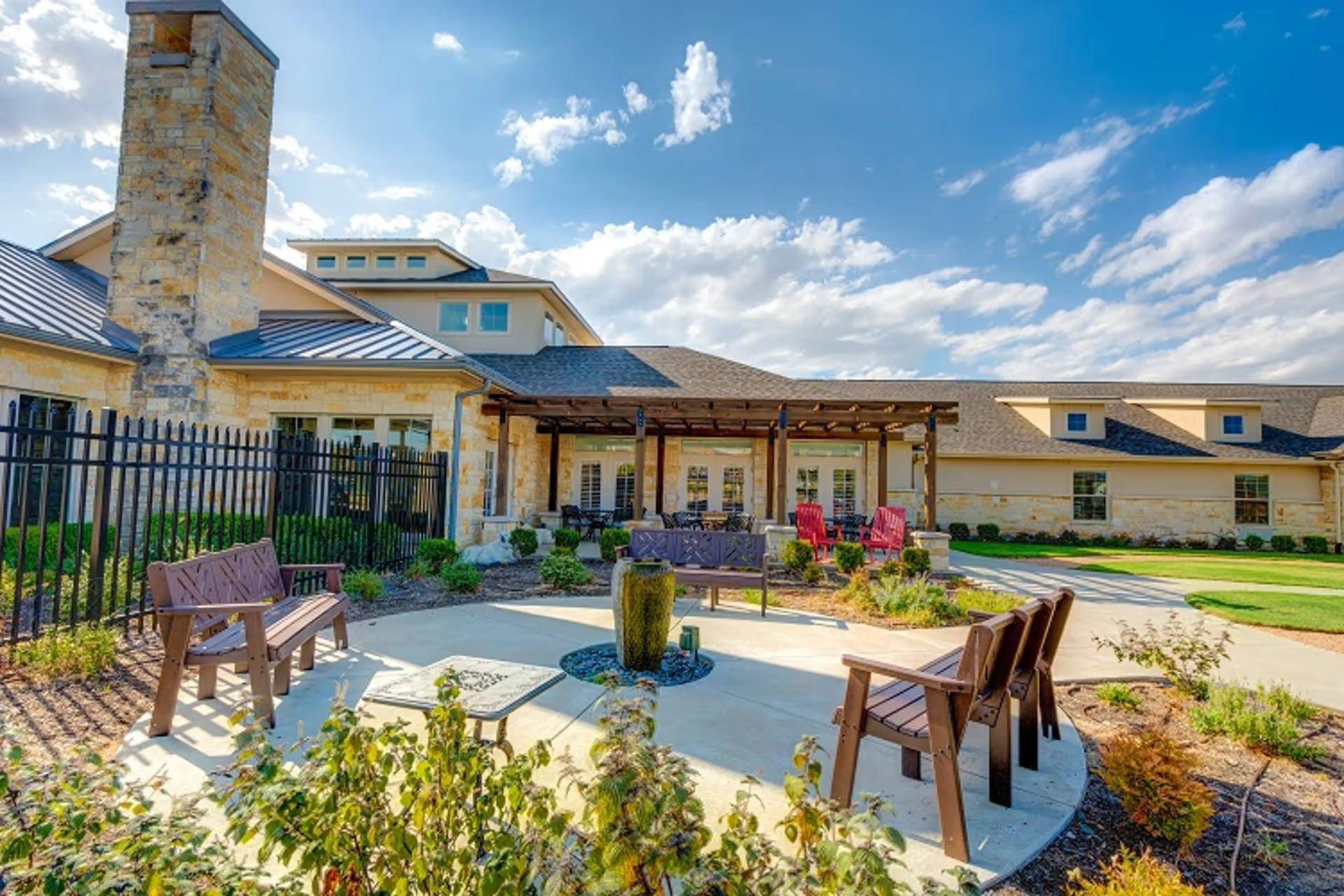
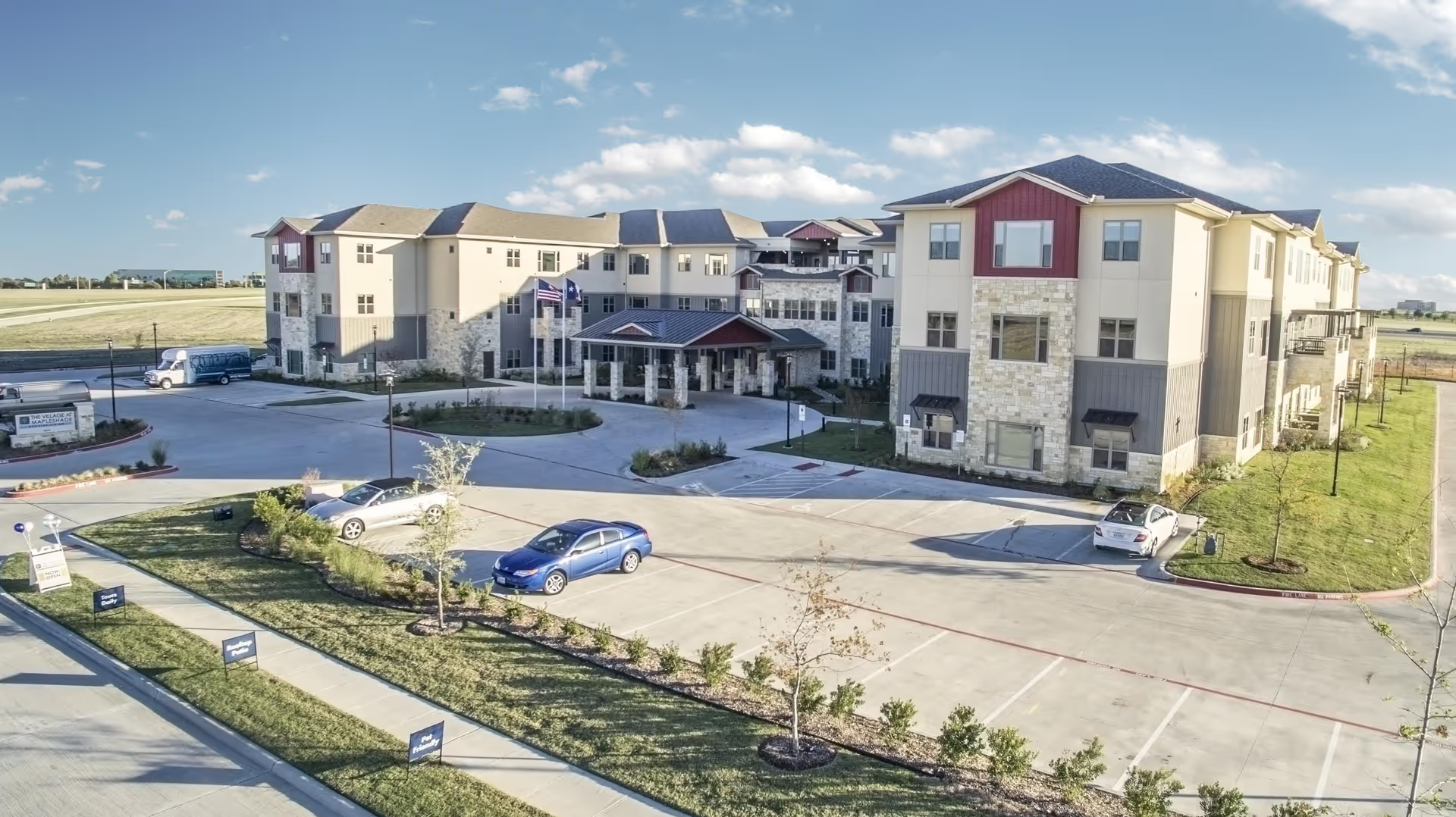
The Oaks at Plano presents as a community with strong strengths in hospitality, amenities, and social programming. Reviewers consistently describe a warm, family-like environment supported by staff who are frequently characterized as attentive and welcoming. The property is repeatedly praised for its landscaped, garden-like grounds, gated campus, and a wide range of on-site amenities — including a pool, dog park, restaurant, and comfortable communal spaces — that support active, social lifestyles. Dining is a commonly cited positive, with chef-prepared meals and a varied menu receiving many compliments. The activities program is extensive and organized, with resident-led clubs, frequent events, trips, and ceremonies that contribute to a lively atmosphere.
Staff and day-to-day operations show both notable strengths and important variability. Many families highlight individual staff members and maintenance personnel as professional, responsive, and helpful; the maintenance team and specific employees were praised for timely fixes and practical assistance. At the same time, reviewers describe substantial staff turnover and periodic management transitions, which appear to influence consistency of service. This variability is reflected in two operational areas: maintenance and program delivery. While some accounts note prompt repairs and improvements, others describe delayed maintenance, recurring HVAC problems, and occasional water leaks in units. Activity programming is robust but not always consistent — there are reports of cancellations or replacements for scheduled fitness and gym instruction that can reduce continuity for residents who rely on those services.
Management and financial practices are the most frequently recurring concerns. Several reviewers raised serious objections to billing policies, including nonrefundable deposits, community fees, late fees, and situations where charges were applied despite changes in move-in plans. These accounts point to an opaque fee structure and aggressive collections practices that created stress for some families. There are also mentions of billing errors and communication gaps around discounts and move-in dates. Separately, a few reviewers described dissatisfaction with how clinical or end-of-life situations were handled, noting gaps in communication and responsiveness to family concerns; these comments suggest opportunities to strengthen clinical incident response and family engagement protocols.
Overall pattern and suitability: The Oaks appears well suited to prospective residents prioritizing an active, social lifestyle with strong campus amenities and high-quality dining. The community atmosphere, location, and programming are consistent selling points. Prospective residents and families should, however, perform careful due diligence around contract terms, fee schedules, and billing practices, and inquire directly about staffing stability, maintenance plans for older units, and protocols for clinical communication and incident response. Visiting at different times of day, meeting current residents, and reviewing sample contracts and recent maintenance logs or capital-improvement plans will help families weigh the facility’s notable social and amenity strengths against the operational risks flagged in several reviews.