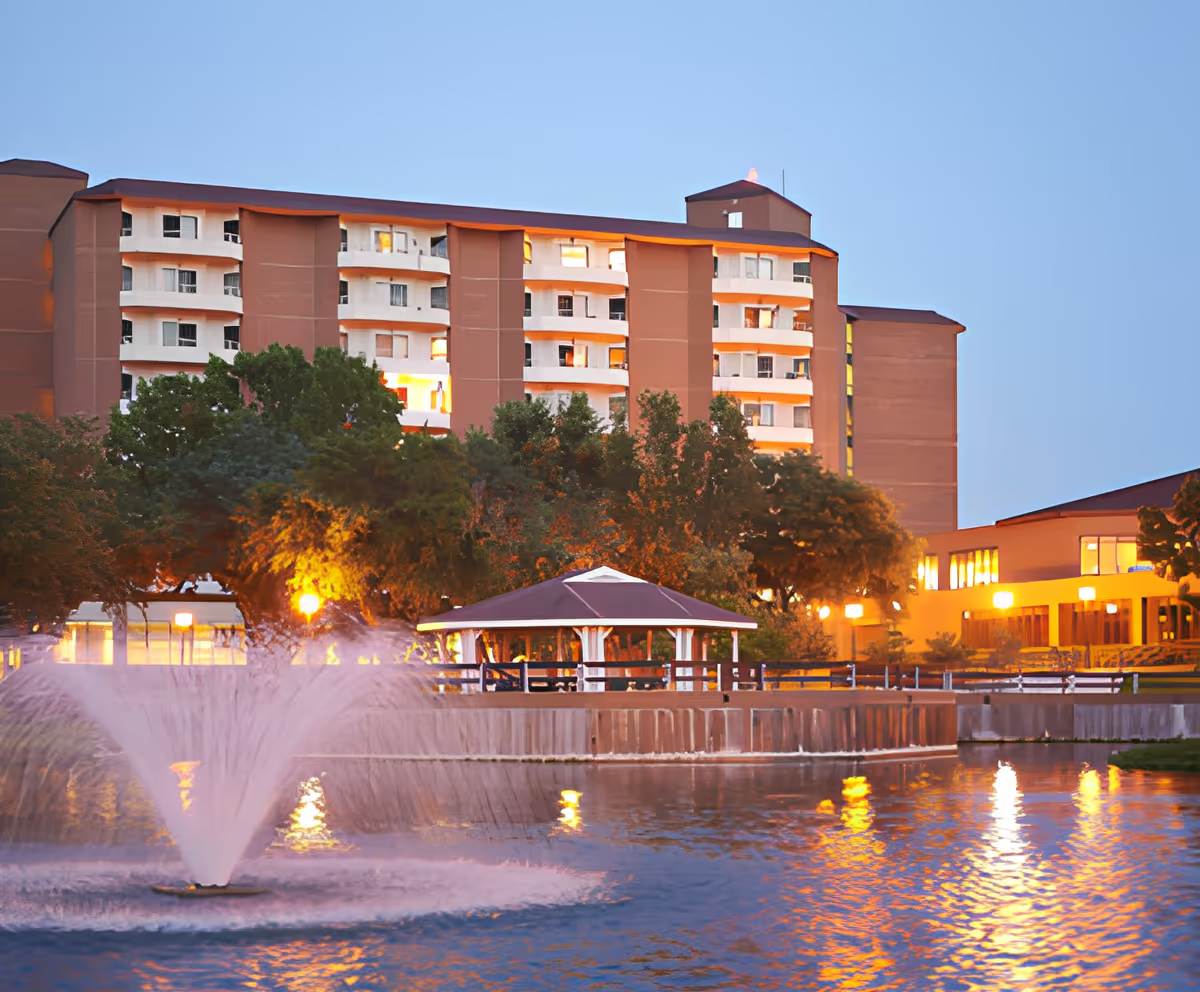
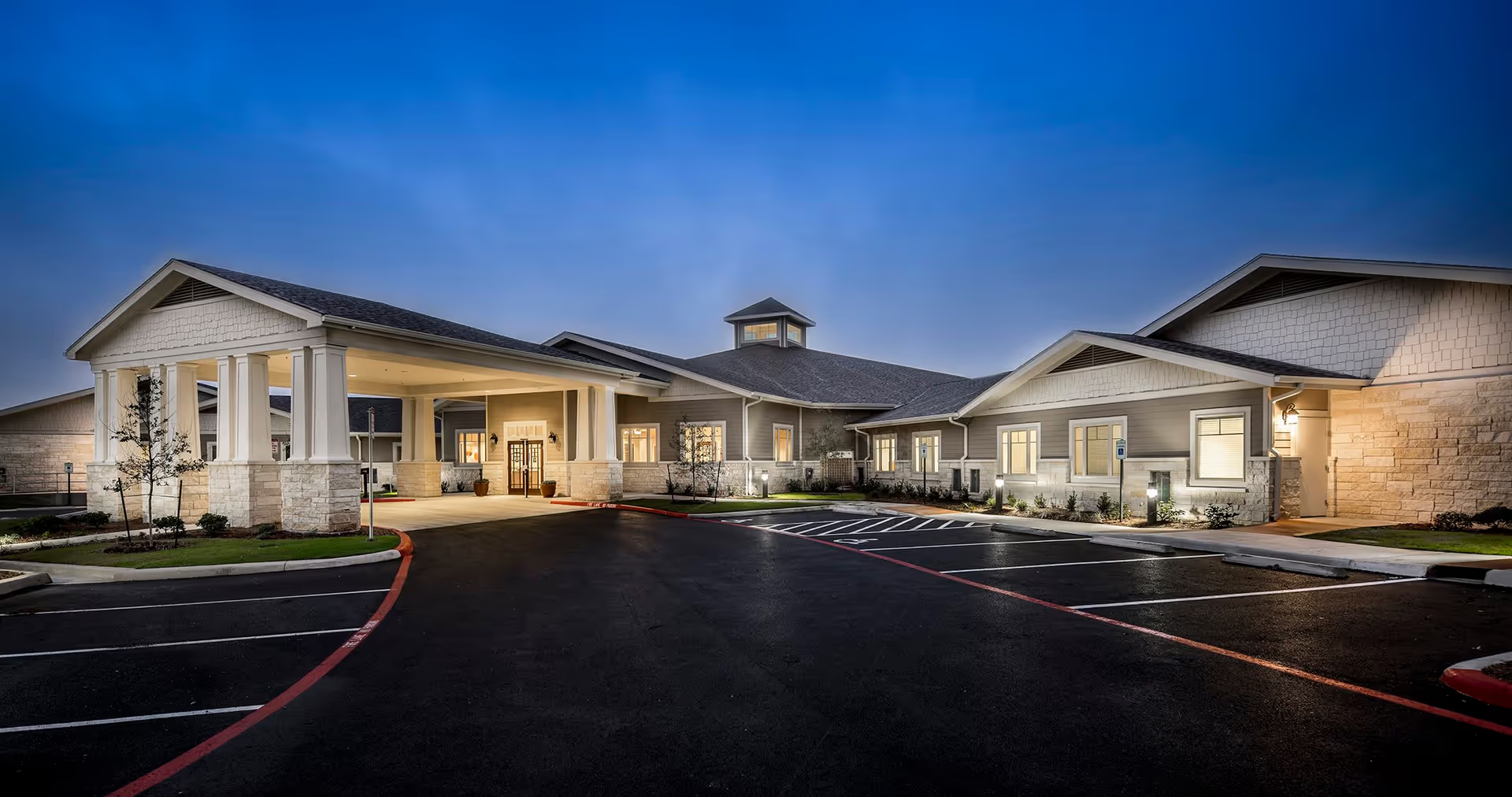
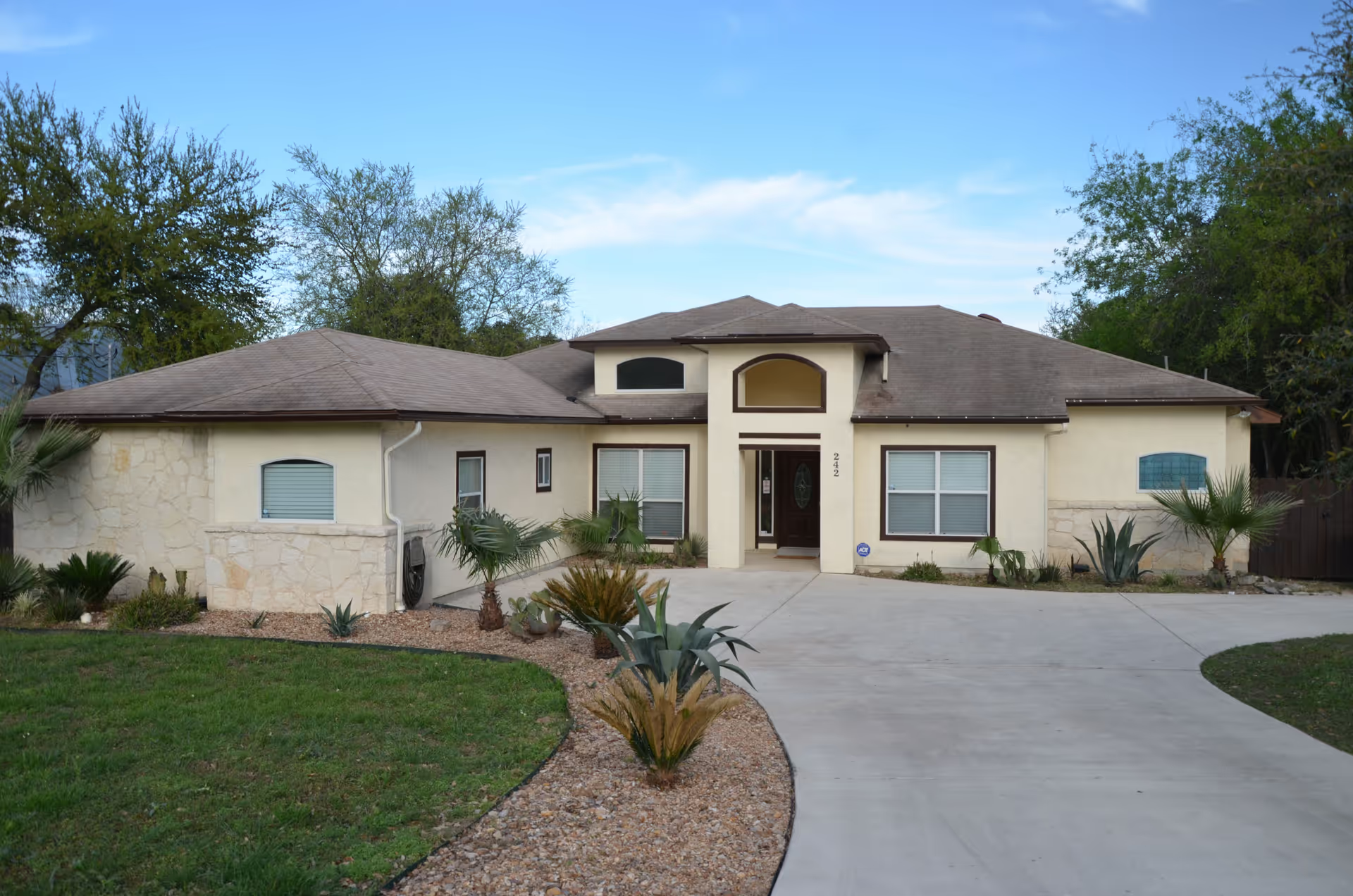
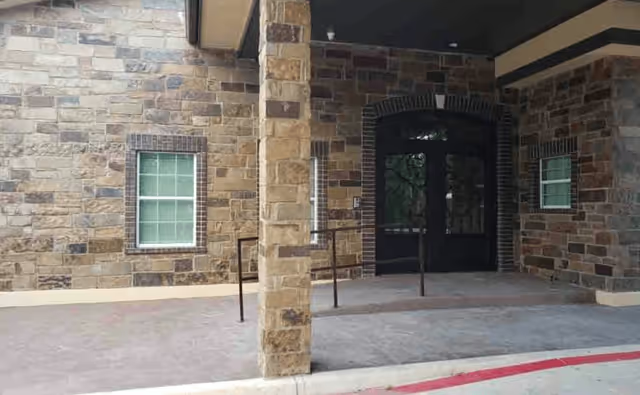
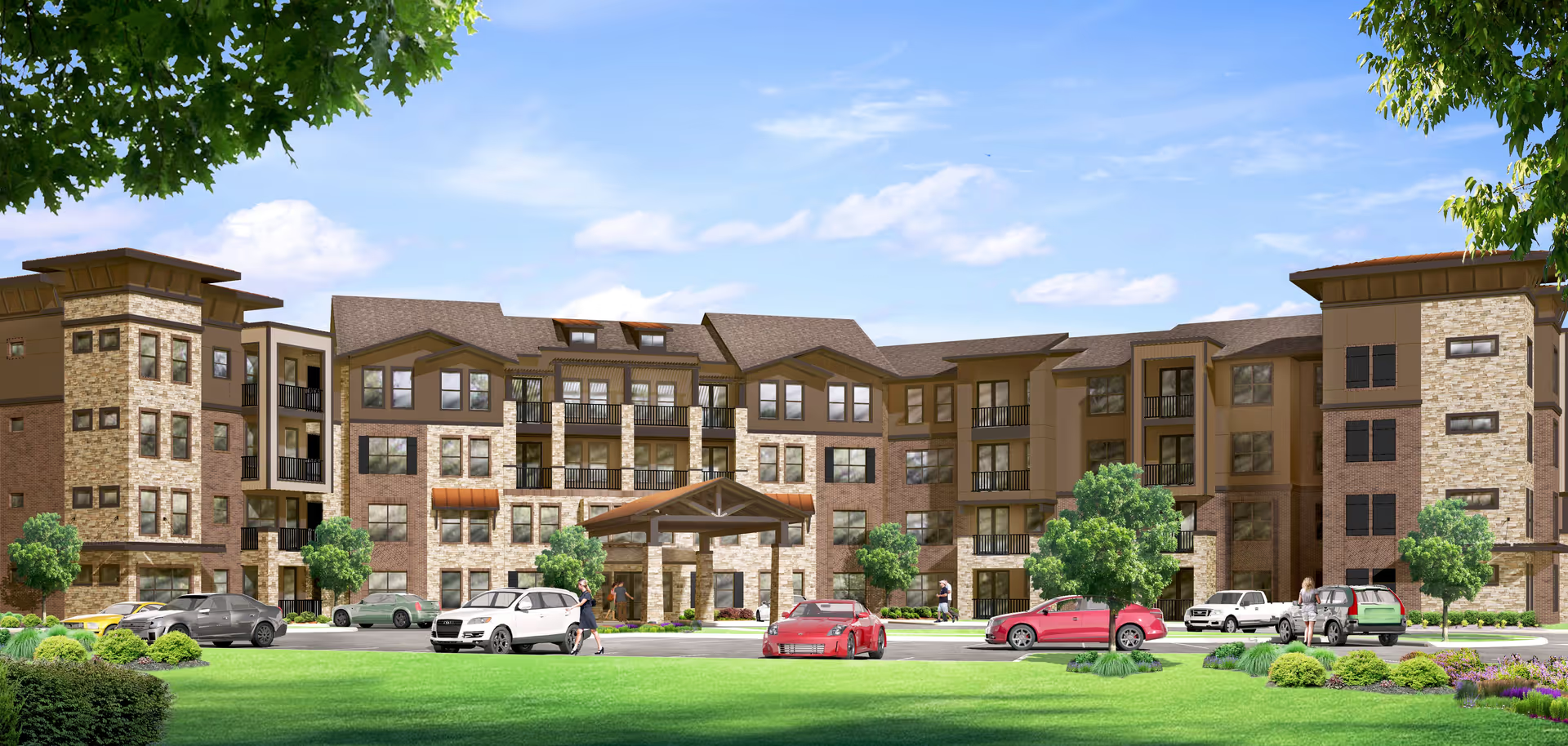
Blue Skies of Texas East presents a mixed but actionable profile for prospective residents and families. Many reviewers highlight strengths that are typical of a large continuing-care community: a broad continuum of care on a single campus (independent living through memory and skilled nursing), extensive on-site clinical and support services (doctor hours, pharmacy delivery, dental care, and strong rehab/therapy programs), and a wide selection of amenities. The campus is frequently described as attractive and well landscaped, with walking paths, a dog park, guest accommodations, multiple dining venues (including an upscale option), and fitness facilities that include a full gym and indoor therapy pool. Social programming is robust, spanning fitness classes, water exercise, card and bridge clubs, arts and crafts, weekly religious services, and scheduled transportation for shopping and outings.
Staffing and care quality are prominent themes with notable variability. Many accounts praise long-tenured, compassionate staff members, skilled therapists, and an inviting atmosphere that supports independence and peace of mind. Conversely, other accounts raise operational concerns: delays in assistance, inconsistencies in clinical care and medication processes, and communication gaps between staff and families. These contrasting impressions suggest that resident experience may depend significantly on specific units, shifts, or individual caregivers.
Dining and dining-safety are another area of mixed feedback. The community offers multiple dining options and has received strong compliments for food and the chef from a number of residents. At the same time, there are repeated concerns about inconsistent food quality, service continuity, long lines at mealtimes, and at least one cited food-safety incident tied to kitchen staffing—issues that indicate variability in kitchen operations and oversight.
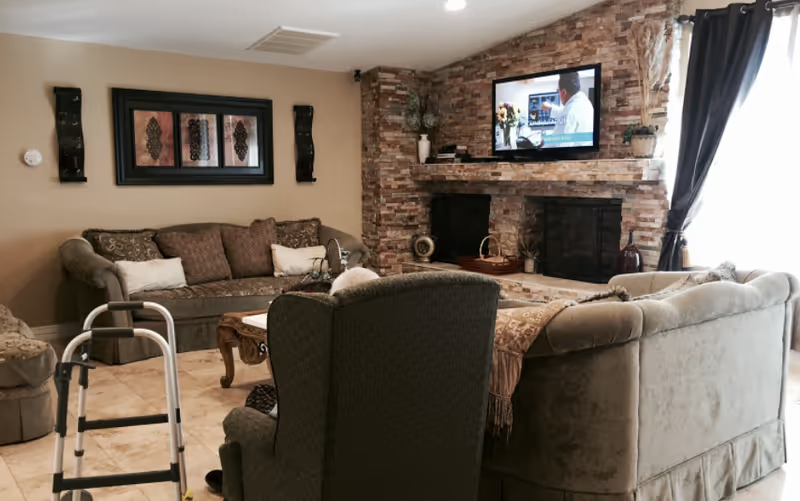
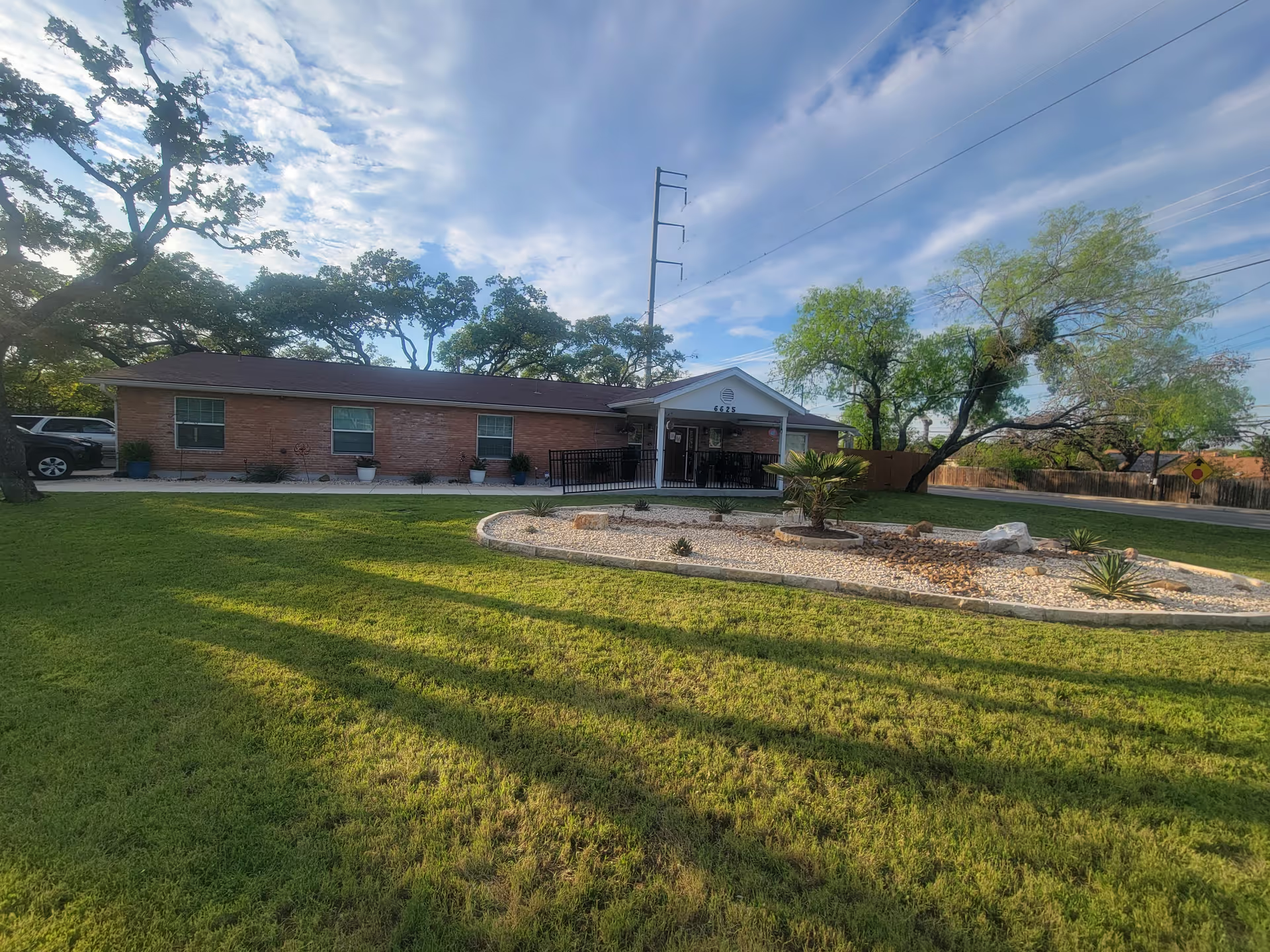
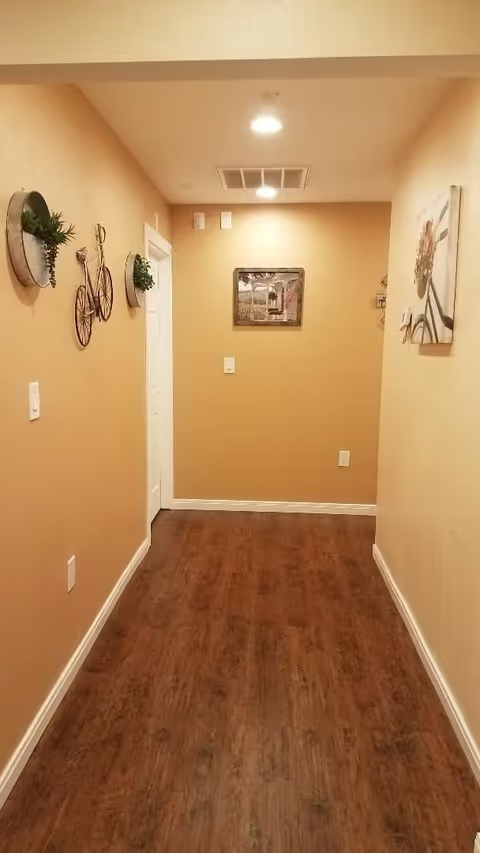
Facility condition and maintenance also show divergence. Several reviewers describe a hotel-like, recently renovated wing and attractive communal spaces, while others note dated areas, small apartment footprints in older units, and specific plumbing or HVAC problems. Limited maintenance availability and slower repair turnaround are mentioned as contributing factors to resident frustration.
Administrative and financial issues appear in multiple themes: complaints about billing practices, buy-in costs, extra fees for food, and occasional delays or disputes over refunds. Management responsiveness is likewise inconsistent in accounts—some describe quick resolution of issues and helpful administration, while others reference difficult interactions and inadequate communication during clinical or billing concerns.
Taken together, the pattern is one of pronounced strengths in amenities, social programming, and on-site clinical and therapy services, coupled with variability in day-to-day operational reliability—particularly around dining, maintenance, clinical communication, and billing. Prospective residents and families should consider a focused tour and direct inquiry into staffing levels, medication and clinical protocols, kitchen oversight and inspection records, maintenance response times, and contract/billing terms to assess whether the facility’s current operational performance aligns with their priorities.