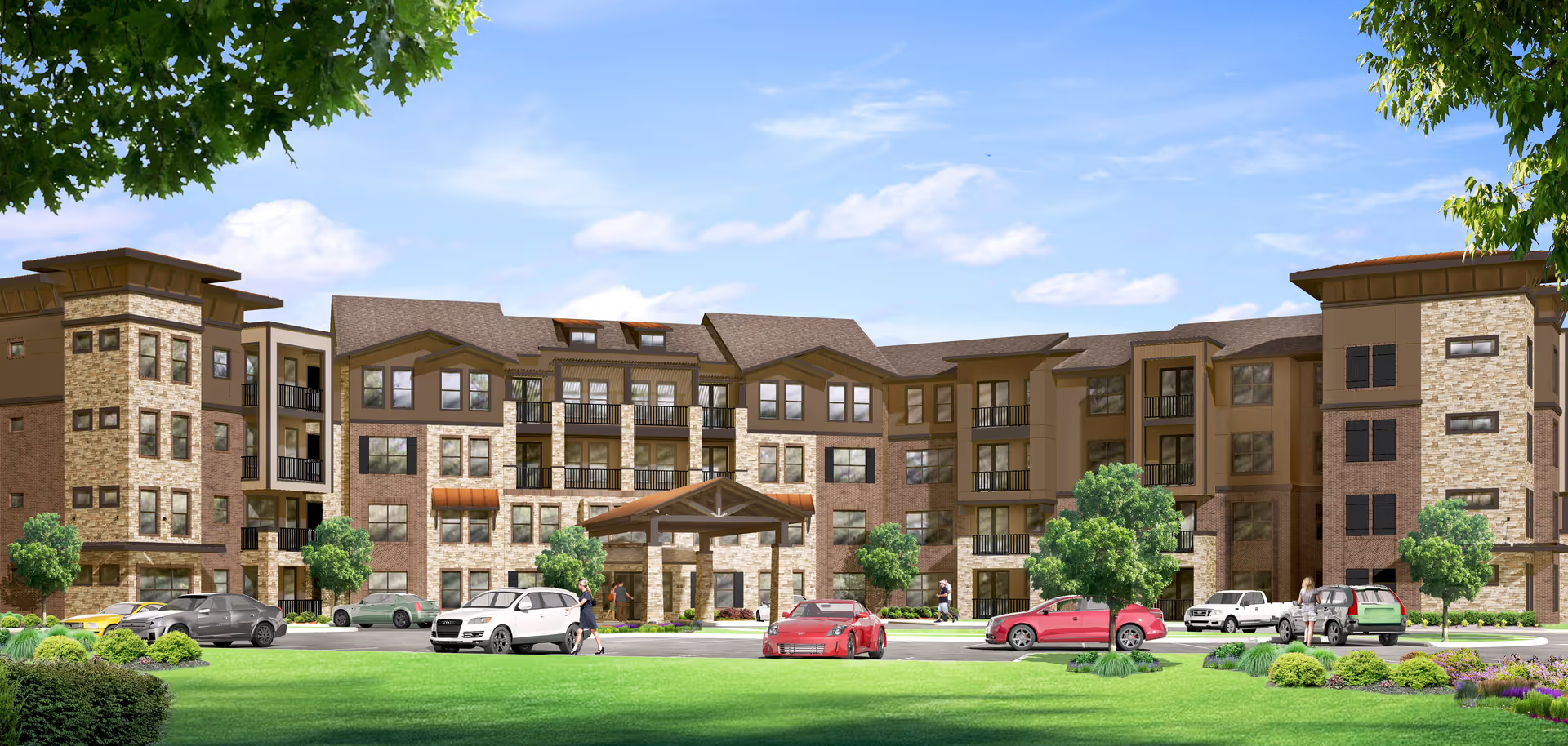
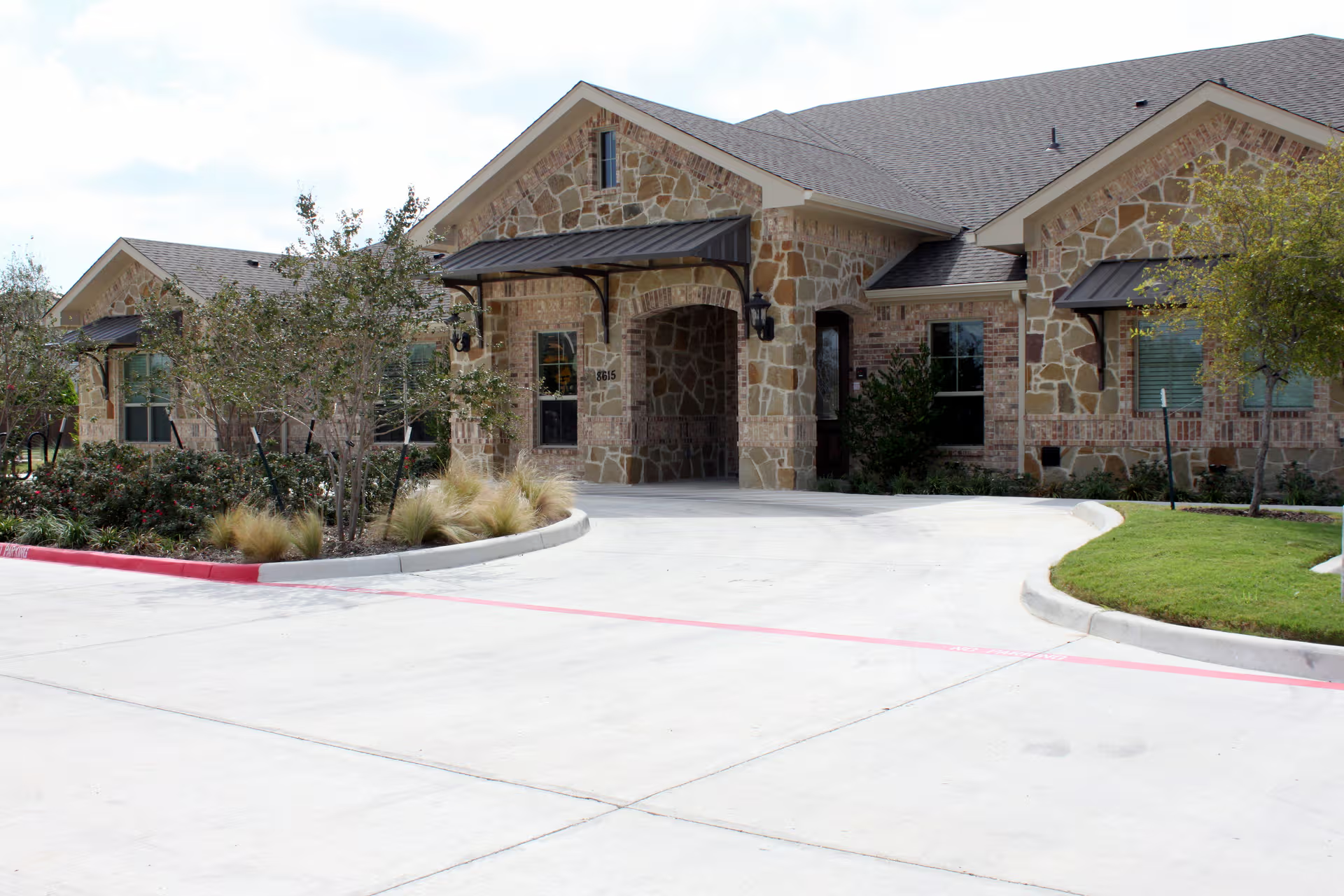
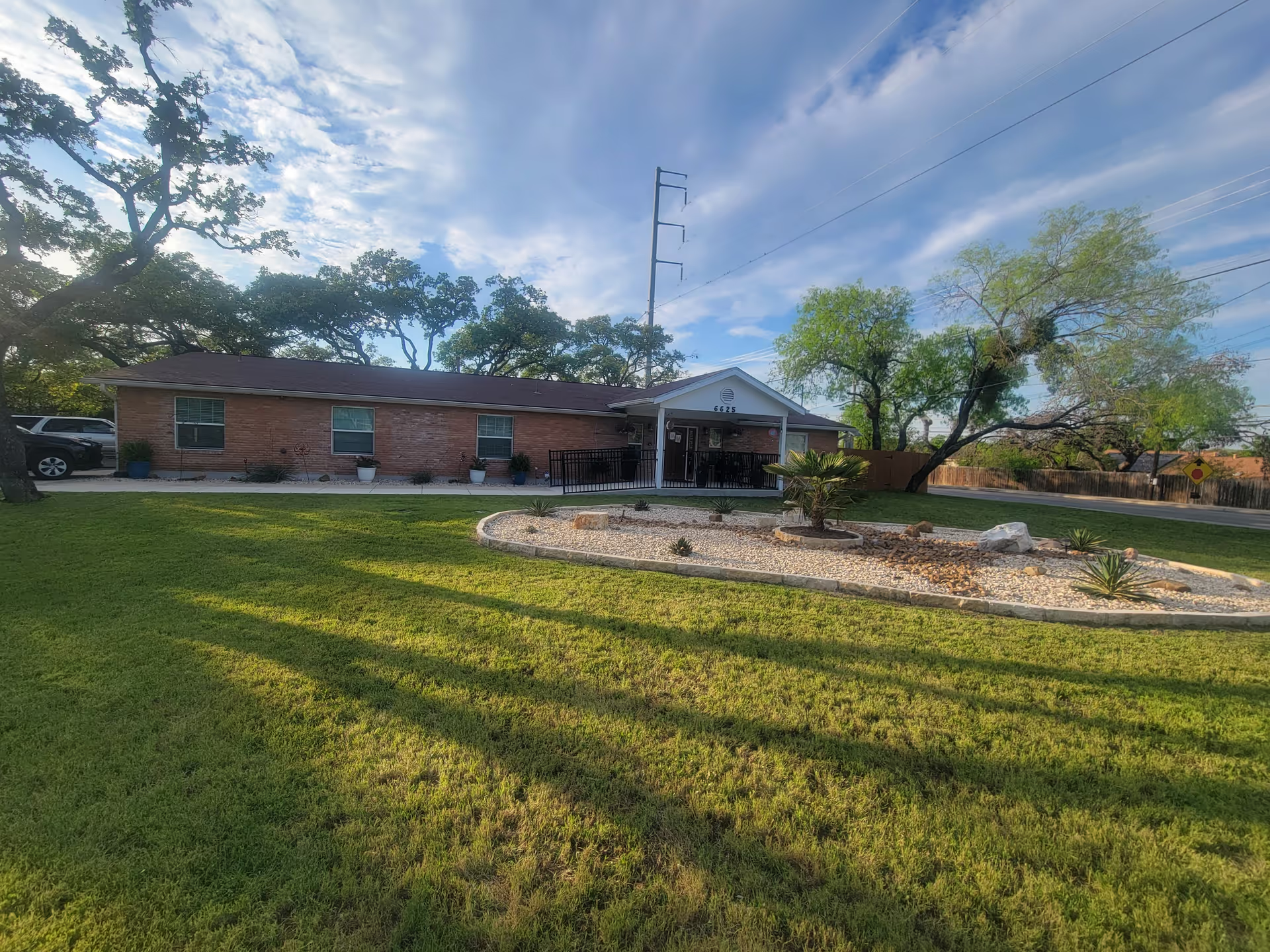
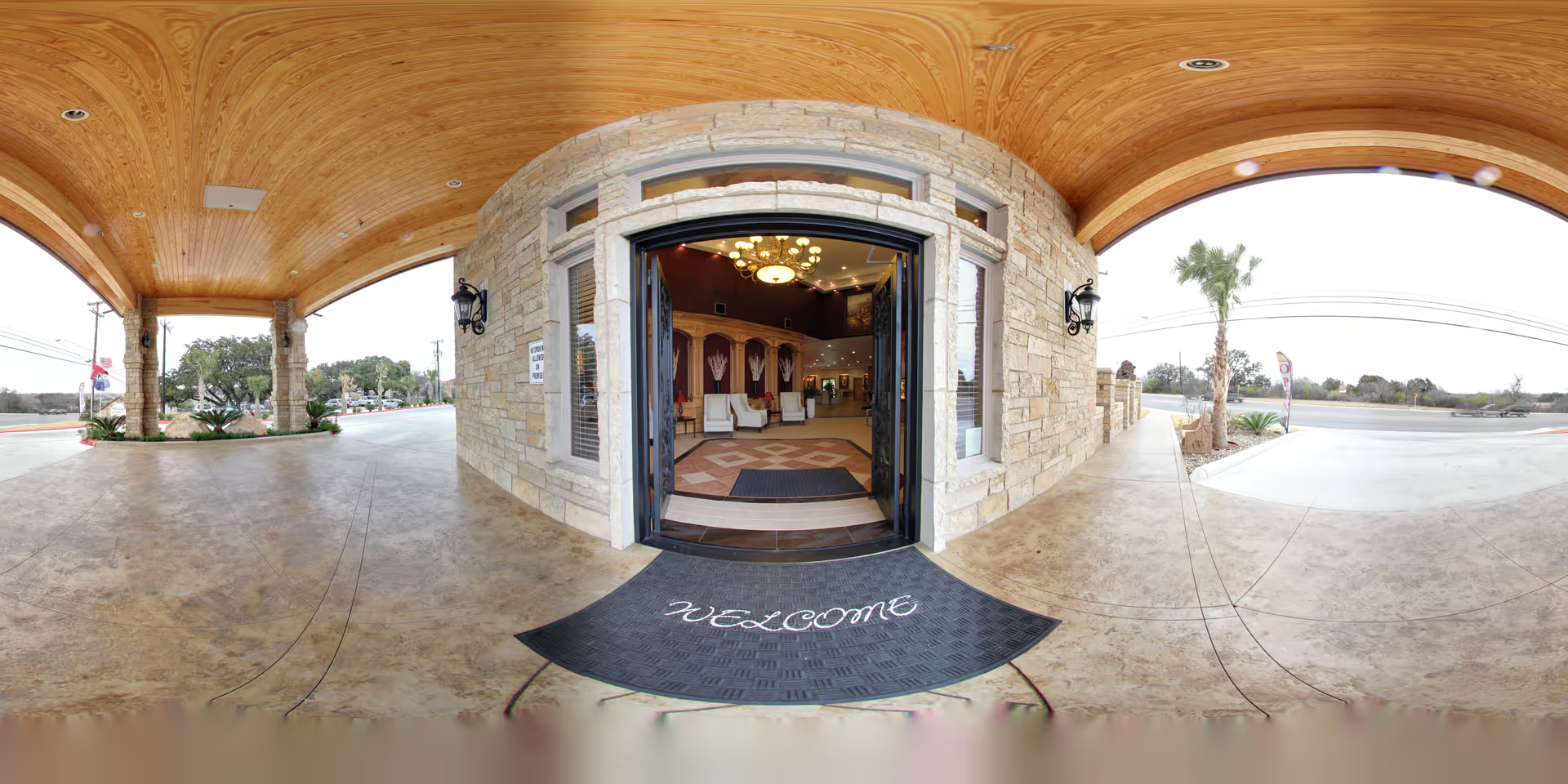
Chapters Living of San Antonio draws consistently strong praise for its dementia-focused clinical capabilities and person-centered atmosphere, while a subset of experiences raise operational concerns that prospective families should verify during a tour. Many families describe a warm, home-like environment with staff who know residents by name, compassionate caregiving, and nursing personnel skilled in memory-care protocols. The community's design elements—secure door locks, an enclosed courtyard, hotel-style lounges, and on-site amenities such as a salon, barbershop, massage room, and small fitness area—are frequently cited as contributing to resident comfort and safety.
Dining and activities are clear strengths. Reviews emphasize nutritious, varied menus and appealing meal presentation, along with a robust activities calendar that includes social, therapeutic, and spiritual options (bingo, crafts, movies, Bible study, group mini-therapy, and caregiver support groups). Families note that engaging programming and social opportunities support resident wellbeing and reduce family worry. Volunteer involvement and hospice coordination are additional service elements that reviewers found valuable.
At the same time, there are consistent operational concerns that recur in several accounts. These center on variable cleanliness and sanitation at the room or unit level and associated odor-control issues; delays or gaps in incontinence and hygiene management; and periodic lapses in housekeeping responsiveness. Some reviewers describe inconsistent staffing levels or attentiveness during certain shifts, which can translate into delays in assistance or limited engagement for particular residents. There are also recurring notes about property management gaps (missing personal items) and concerns about medication-management practices that prospective families should explore directly with clinical leadership.
Management and communication present a mixed picture. Many reviewers praise responsive, hands-on leadership, personalized move-in practices, and proactive outreach from directors and admissions staff. Conversely, other accounts describe inconsistent management decisions, harsh billing or discharge-notice practices, and communication breakdowns (difficulty reaching nurses or administrative lines). A few reviews raise issues about staff conduct and tone; while these appear isolated relative to the volume of positive feedback, they suggest a need to confirm staff-professionalism safeguards during a visit.
Recommendations for prospective families: conduct an in-person tour focused on cleanliness and sanitation practices, ask to speak with clinical leadership about medication protocols and staffing ratios, review the contract terms for billing and discharge notice, and request examples of activity schedules and family communication processes. The overall pattern indicates a community with many strong clinical and social supports for memory-care residents, paired with operational inconsistencies that merit direct verification before placement.