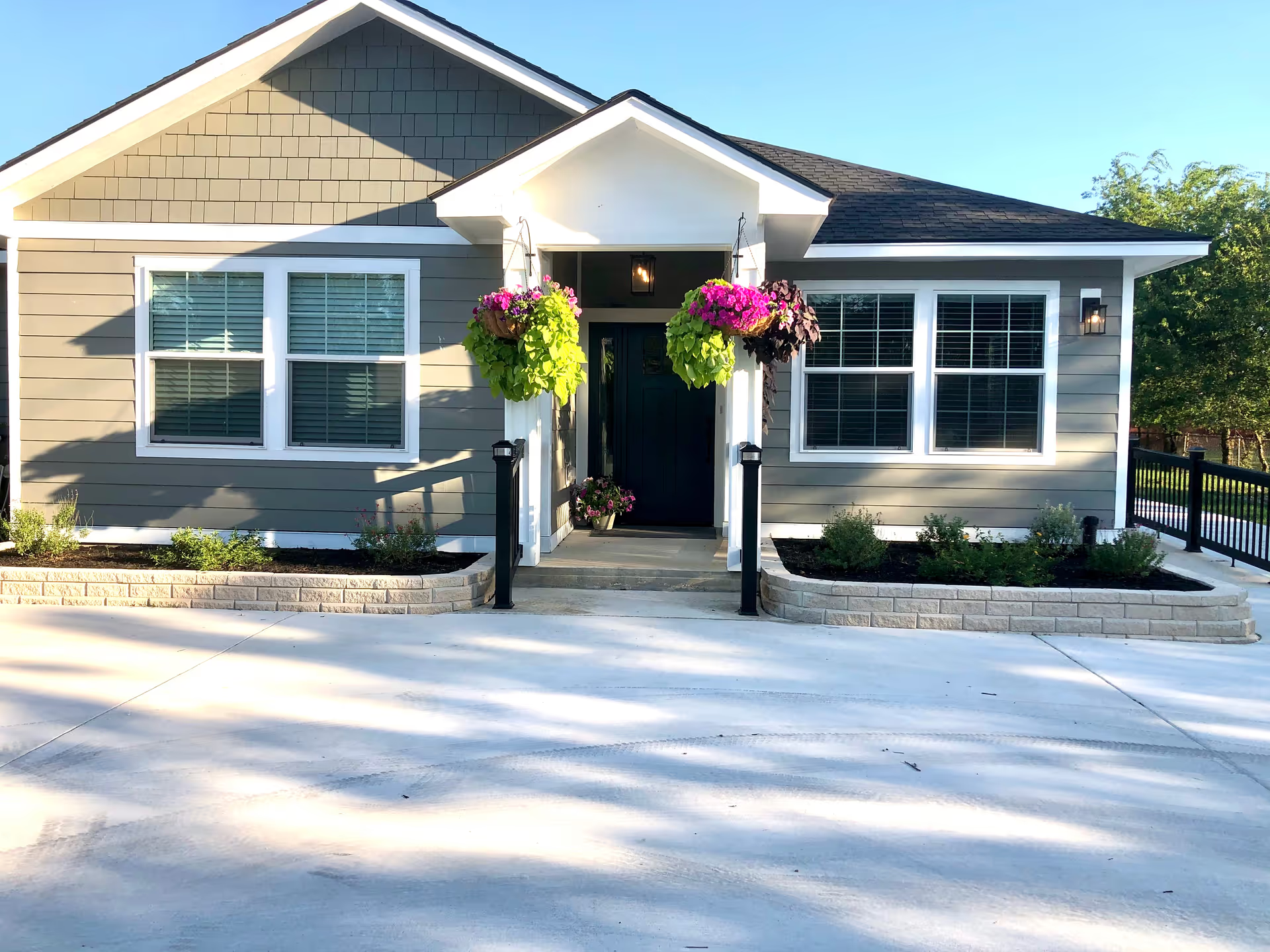
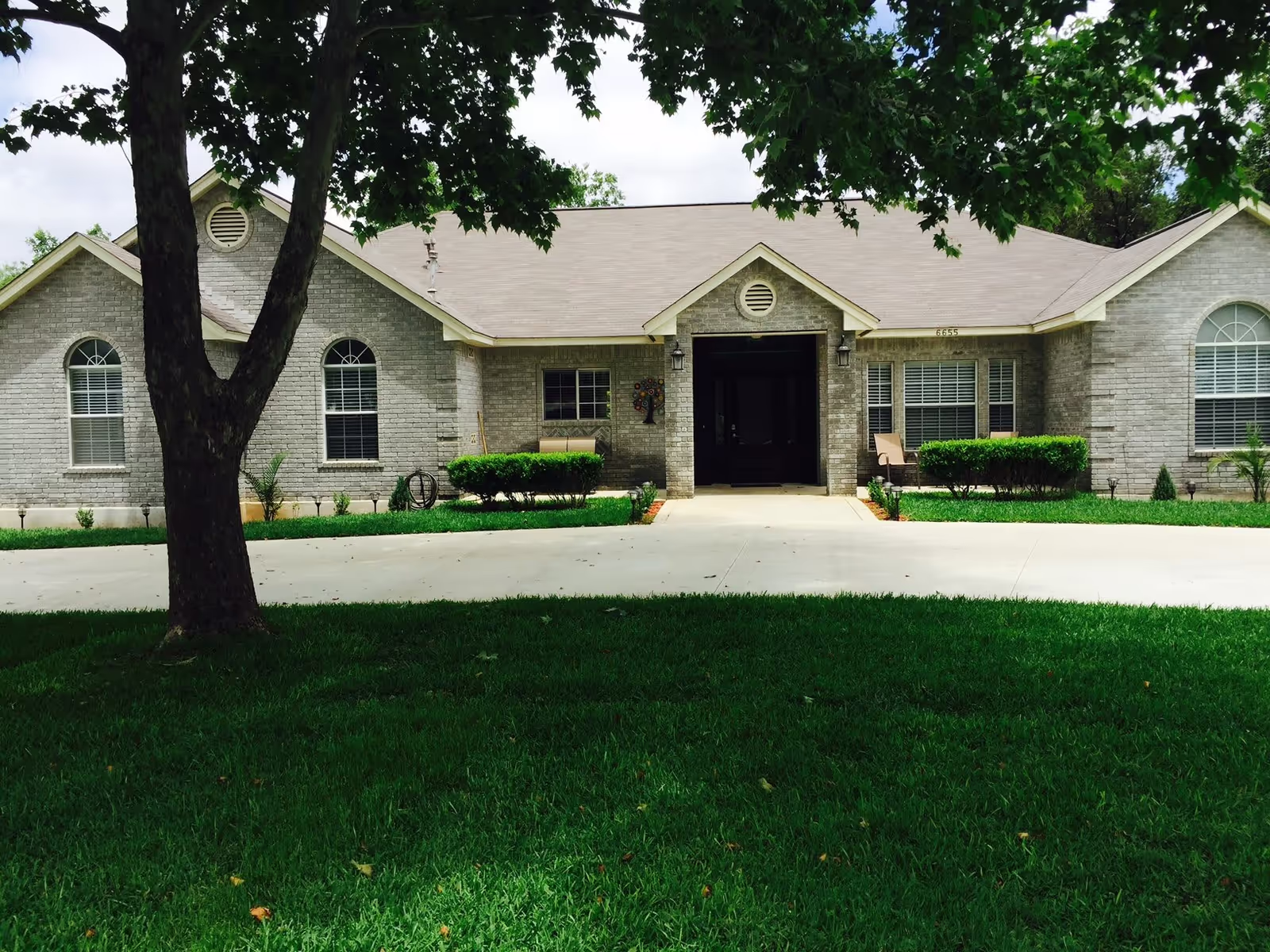
Avalon Memory Care is described overall as a small, home‑style memory‑care residence with a clear focus on dementia and Parkinson’s care. Many families praised the facility’s secure, non‑institutional atmosphere and the sense of individualized attention that comes from a limited census. Reviewers frequently noted improvements in resident wellbeing after admission, including increased appetite, social interaction, and reduced exit‑seeking behavior for some residents.
Care and staffing are commonly identified as strengths. Reviewers emphasize compassionate, attentive caregivers and an involved director who participates in hands‑on care. Families describe staff–resident interactions as respectful and dignified, and several accounts highlight proactive photo and update sharing that reassures relatives. Hospice coordination and responsiveness around end‑of‑life needs were also described positively. At the same time, a subset of reviewers raised concerns about inconsistent responsiveness from clinical staff or nurse practitioners; these accounts point to gaps in timely communication and follow‑up on specific clinical questions.
Dining and programming are areas of consistent praise. Avalon’s in‑house kitchen and home‑cooked, personalized meals were credited with improving resident nutrition and satisfaction, and staff have been noted to offer meals to visiting family members. Activity offerings include music, crafts, bingo, animal‑visitor events, and walks to a nearby park — programming that many families say promotes engagement and positive mood. However, because the community is small, reviewers indicate that programming intensity and social opportunities can vary with census and resident participation.
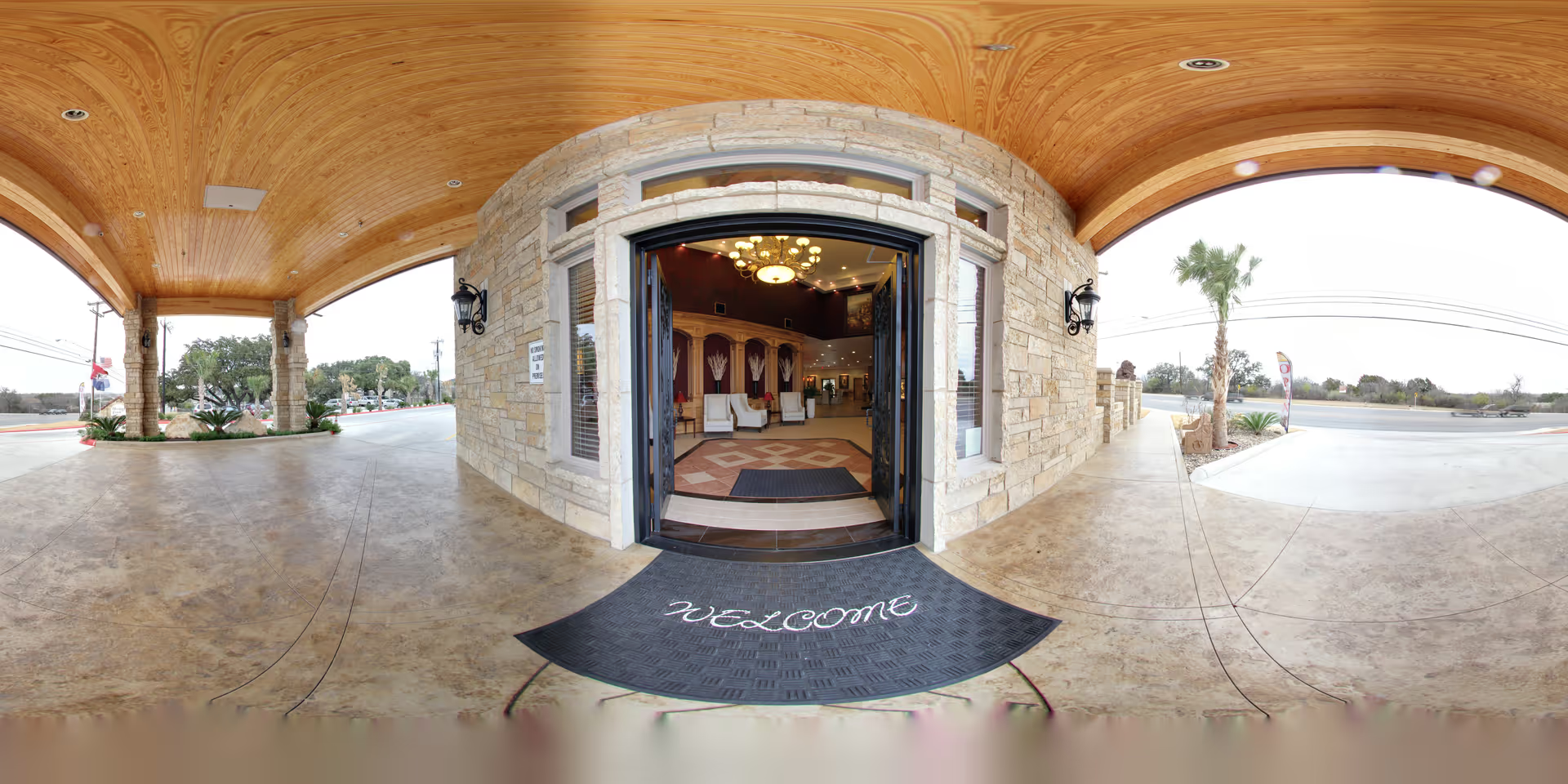
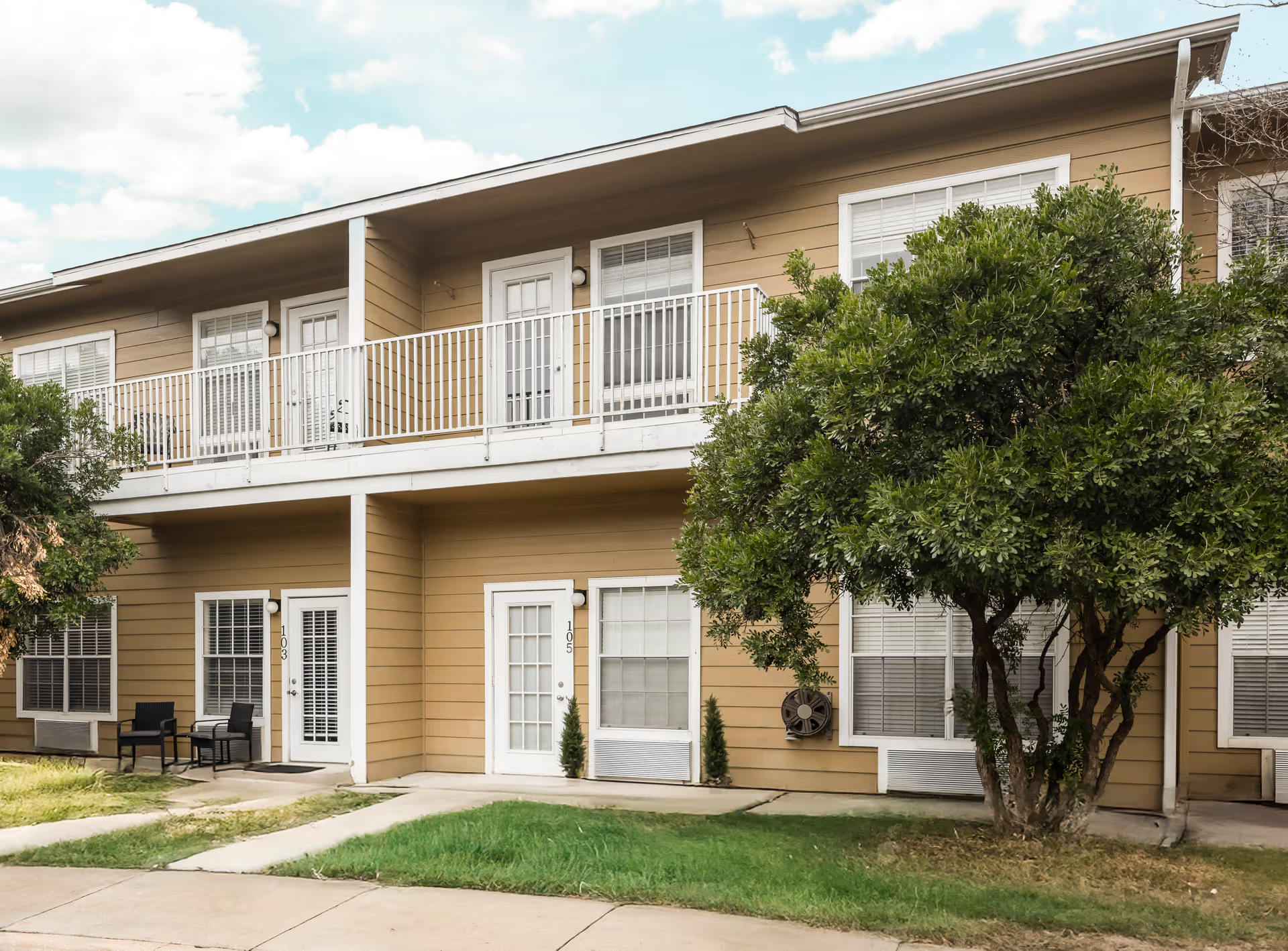
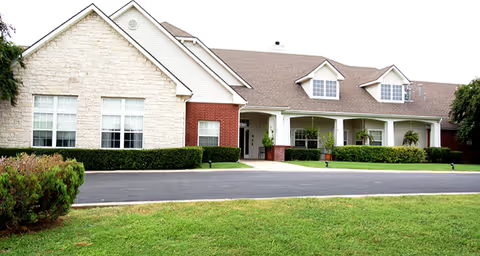
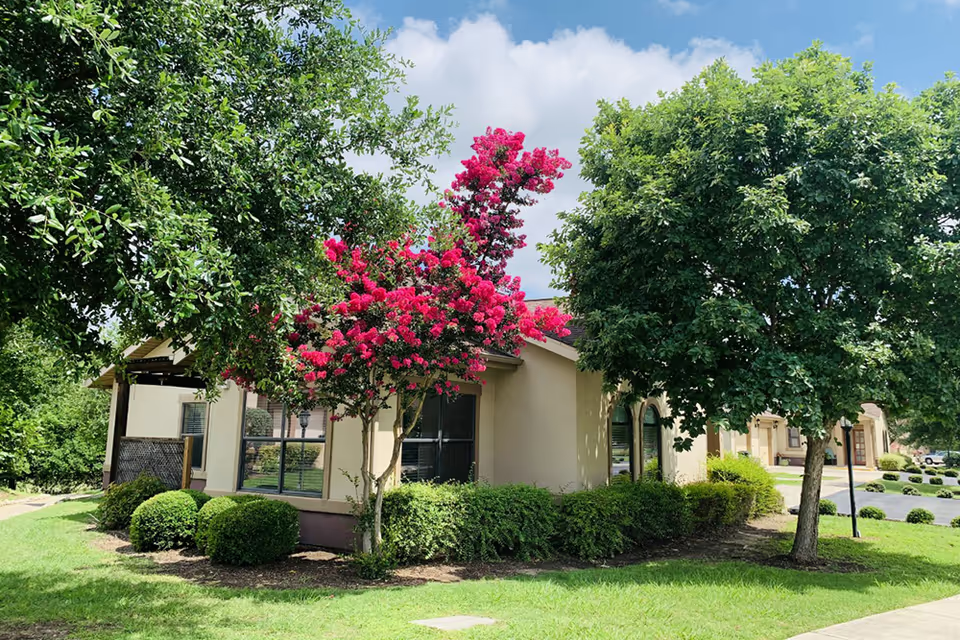
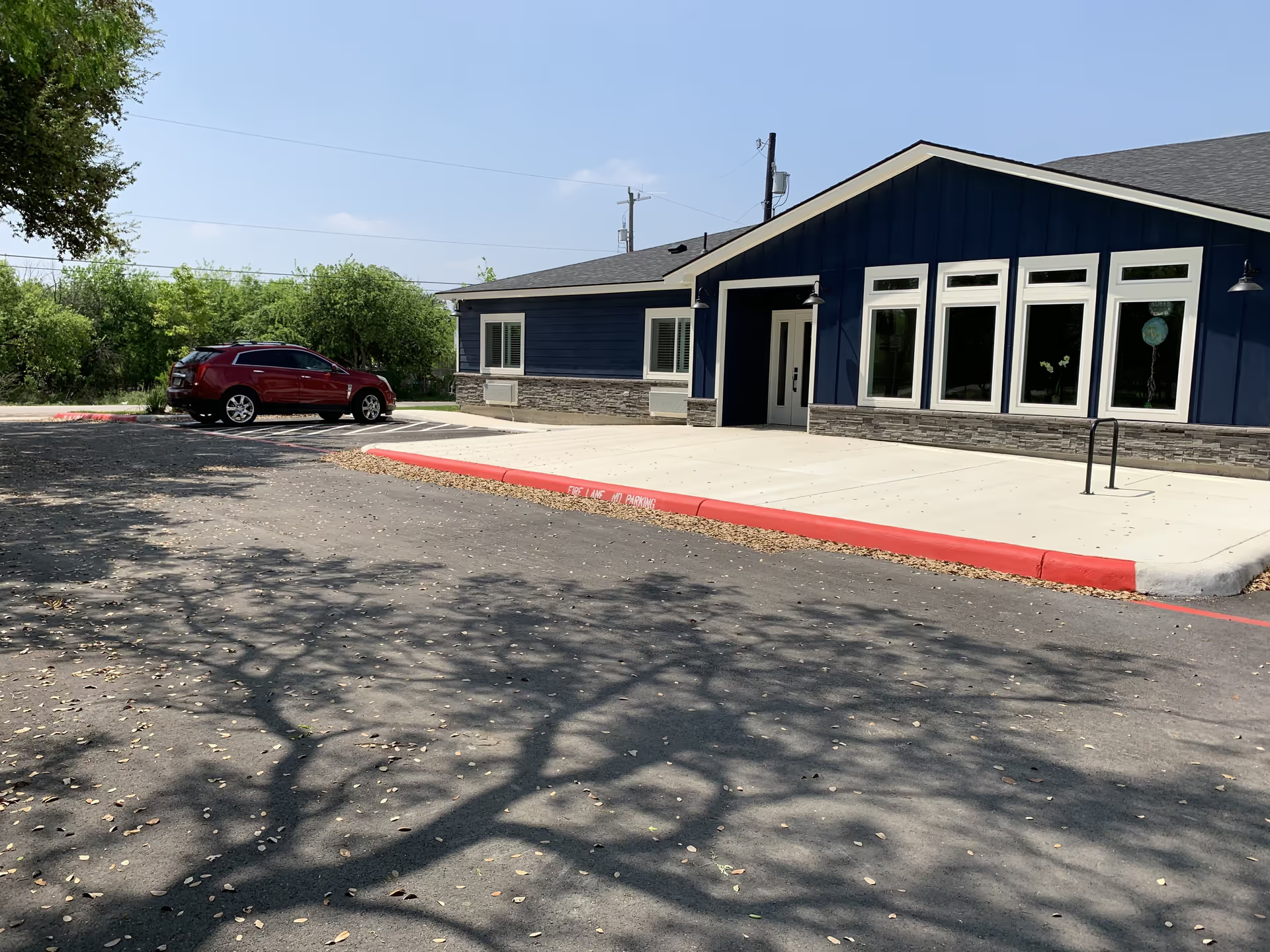
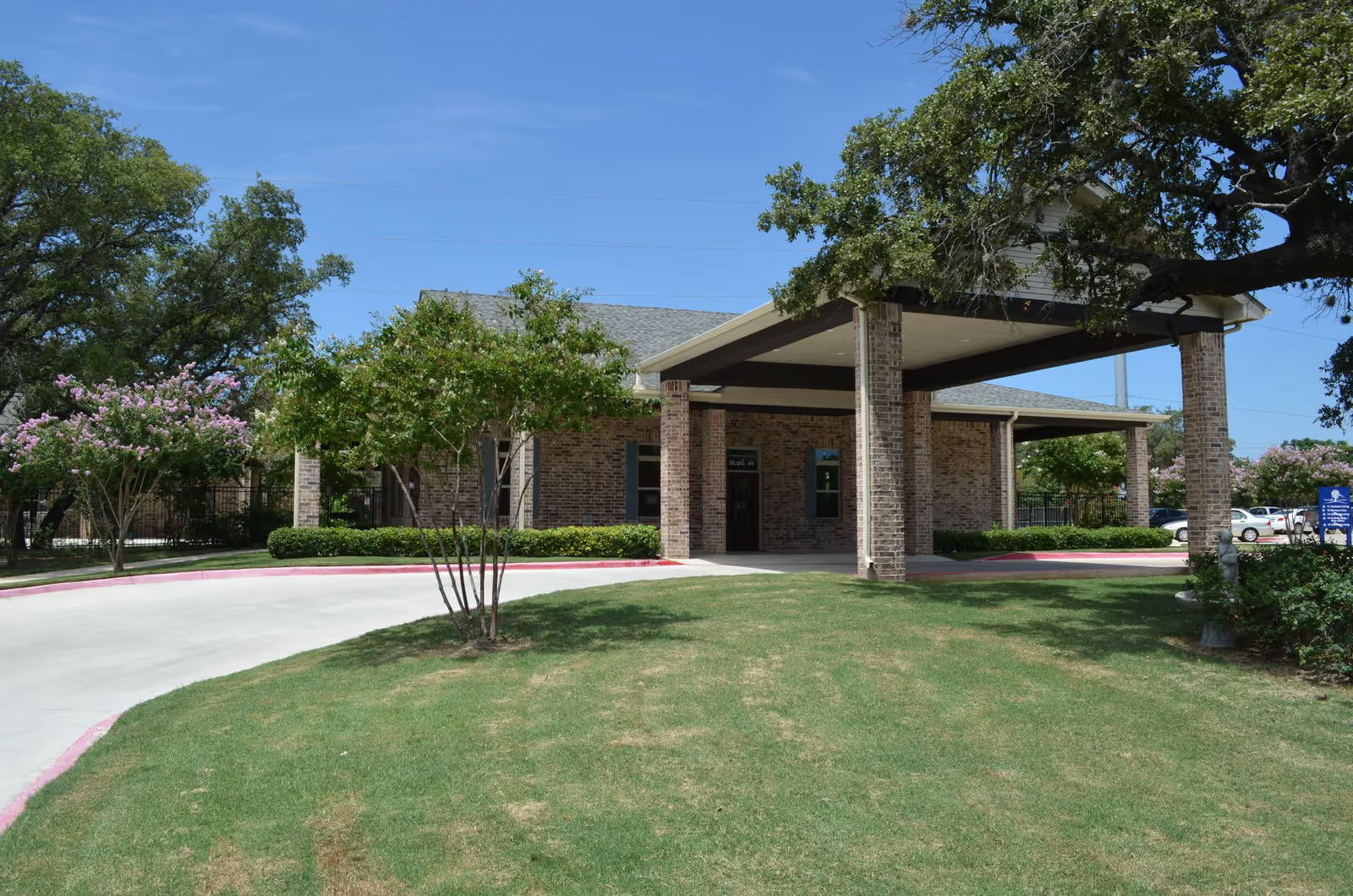
The physical environment is often described as warm and attractive, with highlights such as large private rooms, en‑suite bathrooms, ample closet space, and a non‑antiseptic, residential design. Several reviewers, however, raised facility‑level maintenance and sanitation concerns: inconsistent housekeeping, rooms not fully prepared at move‑in, and some worn furnishings. These operational issues were described alongside the facility’s small size, which reviewers see as both a strength (personalized care) and a limitation (fewer residents available for socialization and occasional resource constraints).
Management practices draw mixed impressions. Many families appreciate flexible visitation, accommodating staff, and visible leadership involvement. Conversely, some reviewers expressed stronger concerns about organizational priorities and operational transparency, including perceived emphasis on finances and, in a few more serious accounts, allegations of staff theft and information withholding. There are also indications that the facility may not be equipped to manage every higher‑acuity clinical need, so prospective families should evaluate clinical staffing and emergency response capability relative to a potential resident’s needs.
In summary, Avalon Memory Care presents as a small, person‑centered memory‑care option with pronounced strengths in compassionate caregiving, leadership engagement, home‑style dining, and meaningful activities. Prospective residents and families who value a warm, intimate setting may find it well suited to moderate memory‑care needs. At the same time, visitors should assess housekeeping and maintenance practices, clarify clinical communication protocols, and inquire about safeguards related to finances and information transparency during a tour and pre‑admission discussions.