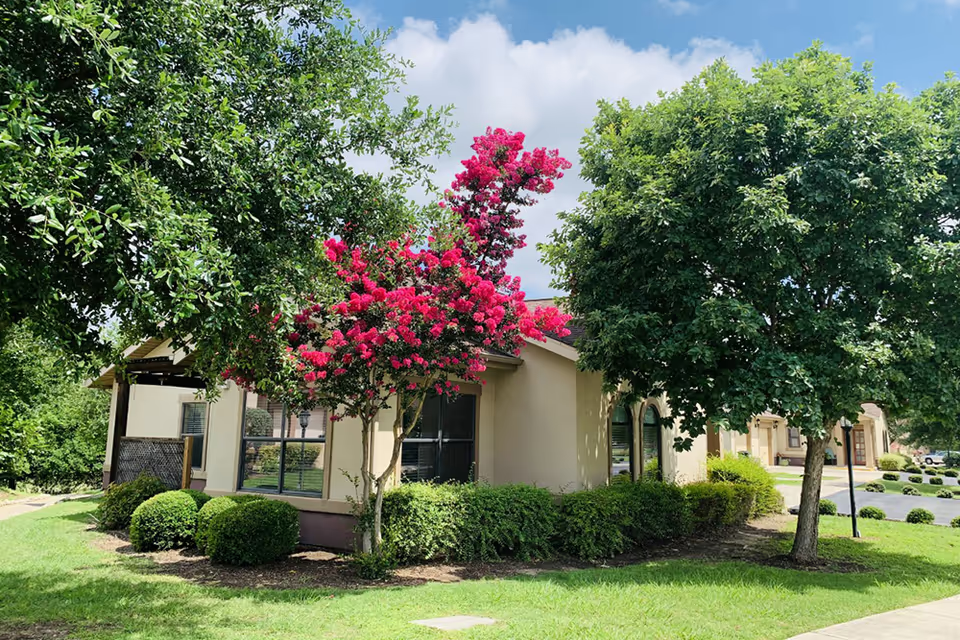
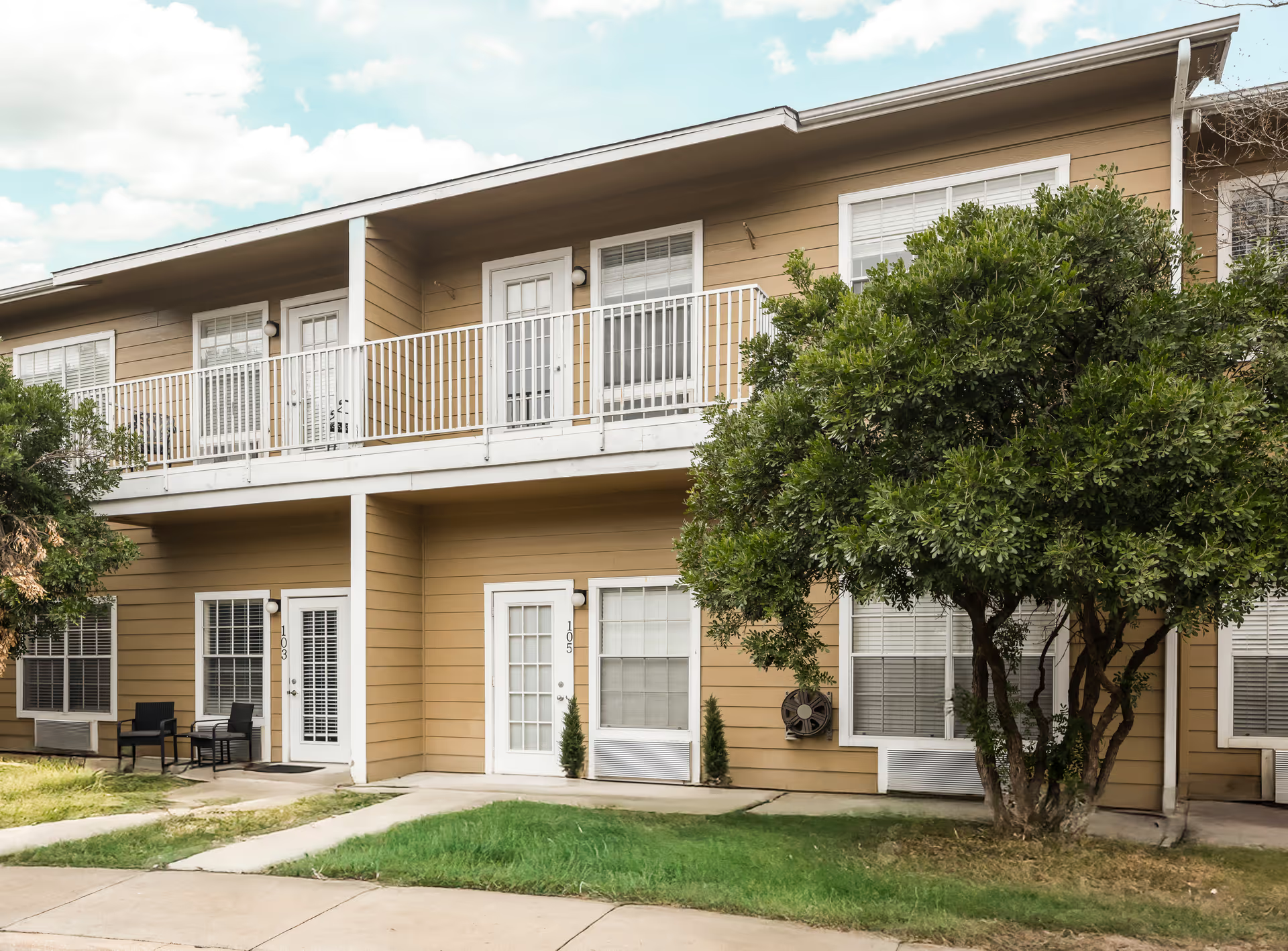
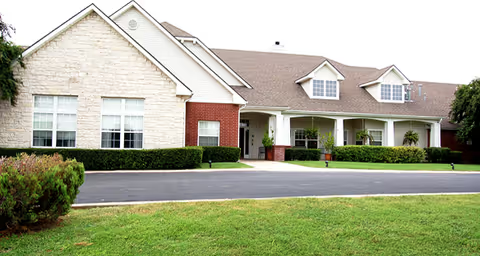
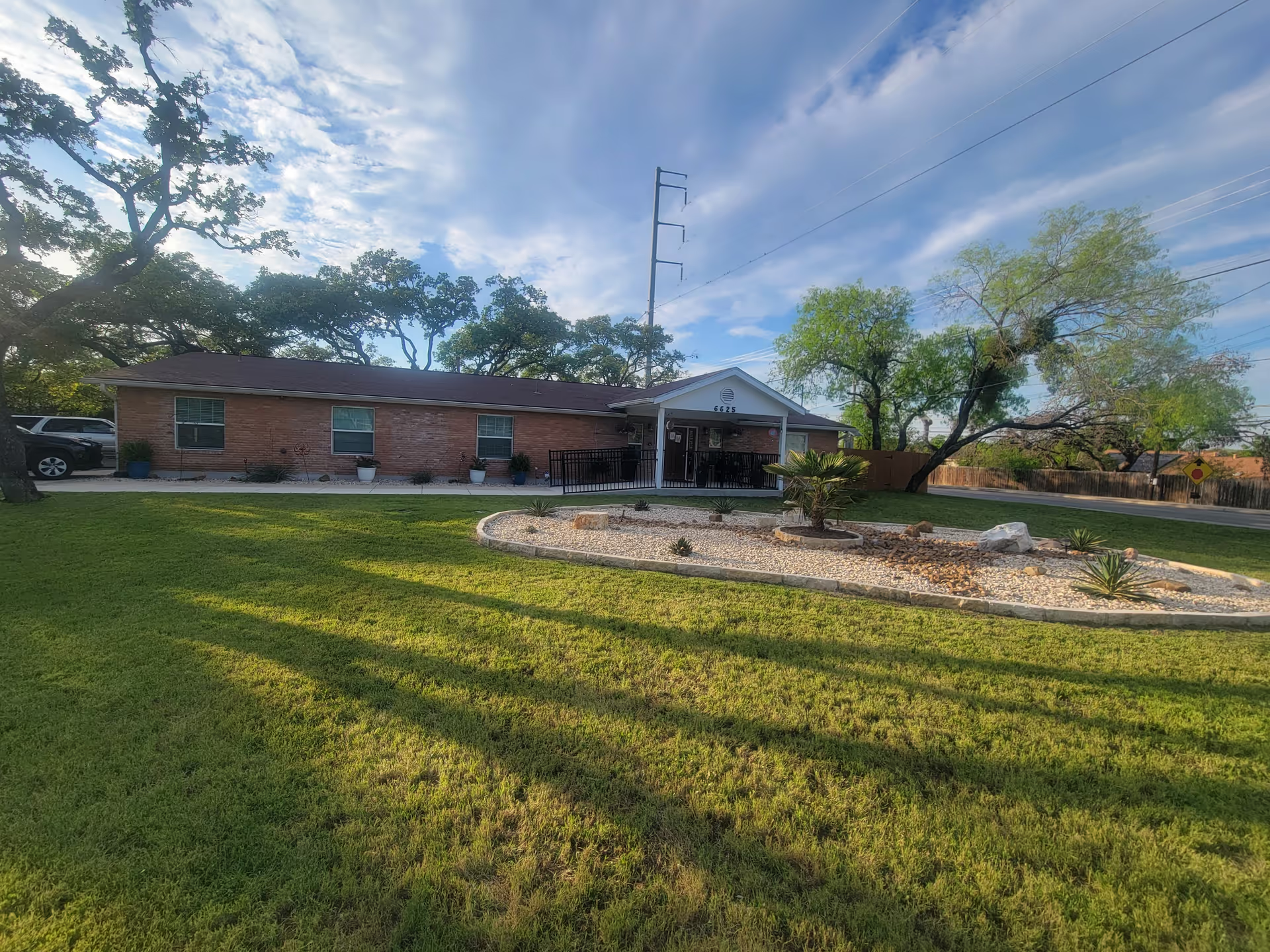
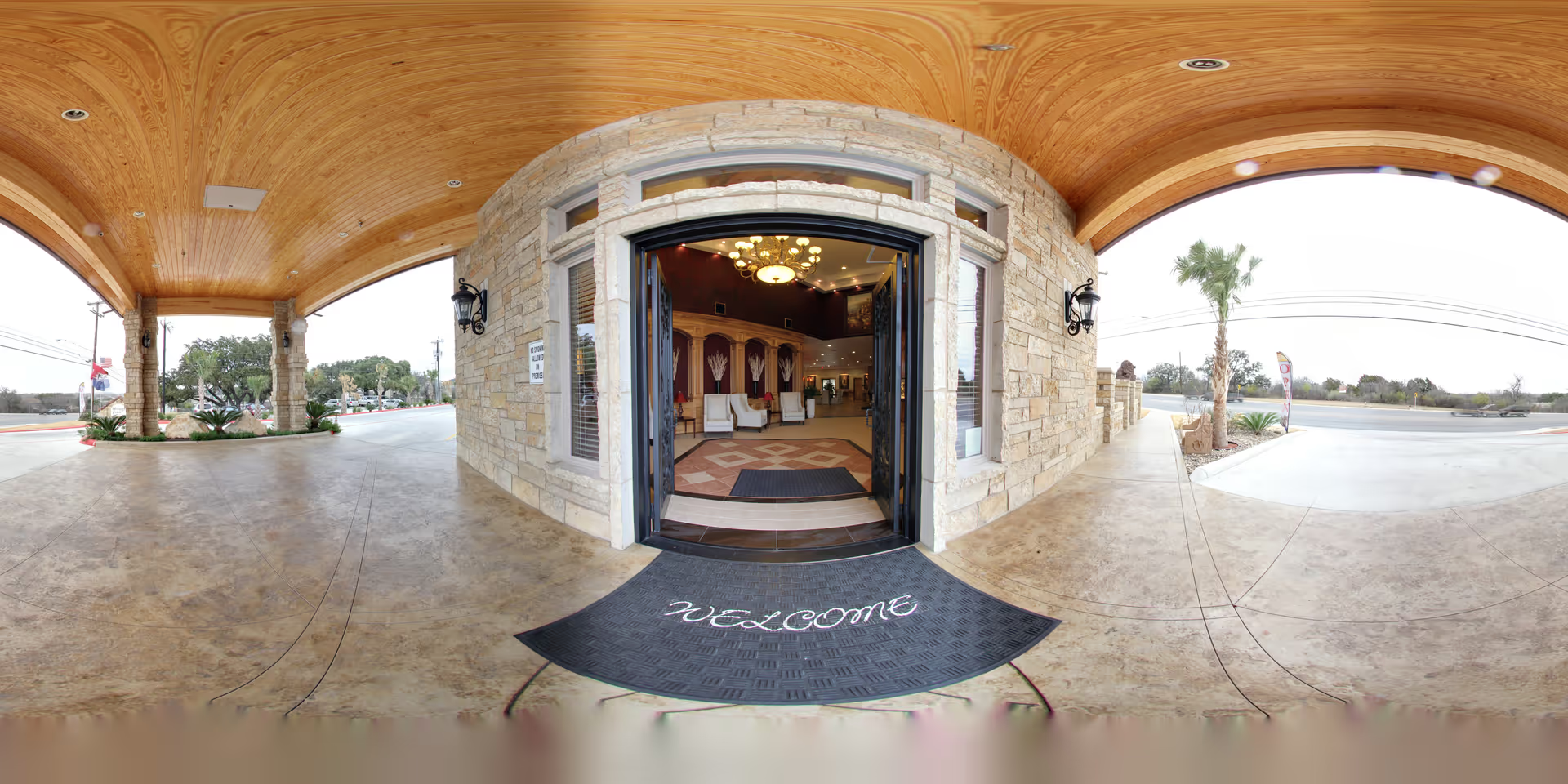
Overall impression: The Cottages at Danny Kaye is frequently described as a small, home-like senior living option with a warm, community-oriented culture. Many families highlight engaged leadership, hands-on admissions support, and caregivers who provide personalized attention. Cleanliness and well-maintained grounds are recurring positives, and the facility’s small scale is often cited as contributing to a family atmosphere and smooth transitions for new residents.
Care quality and clinical issues: Numerous accounts describe compassionate, attentive day-to-day caregiving, skilled nurses, and appropriate hospice support when needed. Several families reported that staff went above and beyond to make residents comfortable and respected. Counterbalancing those positives are recurrent operational concerns: medication-administration and inventory control gaps, inconsistent skin- and wound-prevention practices, and gaps in safety monitoring that have been linked to delayed responses after falls. These items point to uneven clinical safeguards rather than uniform standards of care.
Staff and management: Reviewers frequently praise the staff’s kindness, knowledge, and communication with families, and leadership is often noted as engaged and approachable. At the same time, there are reports describing unprofessional conduct and problematic communication tone from some staff members, and staffing levels are described as inconsistent—both of which can affect response times and resident experience. There are also isolated allegations of theft and questions about the authenticity of some public feedback; prospective families may wish to probe these topics during a visit.
Dining and activities: Dining impressions are mixed. Several reviewers praise meals, special dishes, and desserts; others felt the menu did not match resident preferences. Activity programming is another mixed area: the facility’s small size supports personalized engagement for some residents, but others describe limited activities with a reliance on passive options such as television. Memory-care programming receives praise from some families but is described as variable in scope and consistency by others.
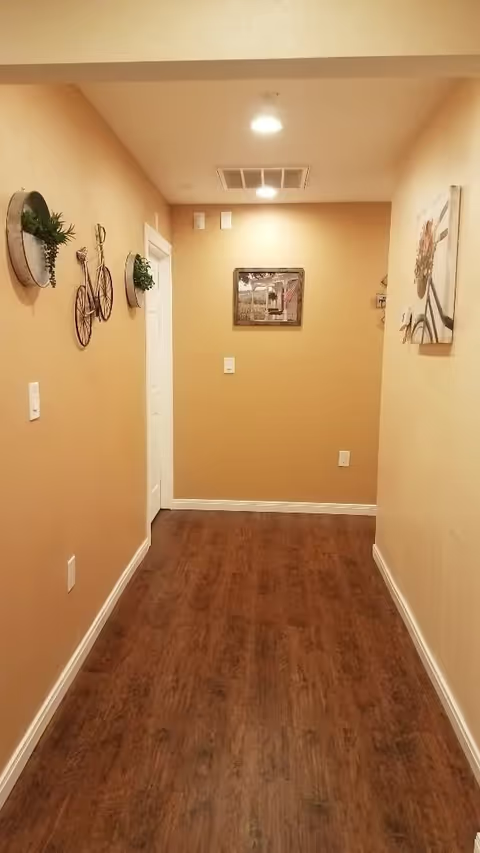
Facilities and accommodations: The facility’s small footprint and home-like layout are strengths for families seeking an intimate setting. At the same time, rooms are consistently described as small, sometimes dorm-sized, and some units have community bathrooms that limit privacy and resident independence. Cost is mentioned as a consideration; some families felt the pricing did not align with the fit for their loved one.
Notable patterns and considerations: The dominant theme is a caring culture led by involved staff and administrators, resulting in many positive family experiences. However, recurring operational weaknesses—particularly around staffing consistency, medication and inventory controls, incident response timeliness, and activity breadth—are important to weigh. Prospective residents and families should schedule a tour, ask targeted questions about staffing ratios, medication administration and inventory procedures, fall-monitoring and incident-response protocols, skin- and wound-prevention practices, activity schedules (including memory-care programming), and room layouts and bathroom arrangements to determine whether the facility’s strengths match their needs.