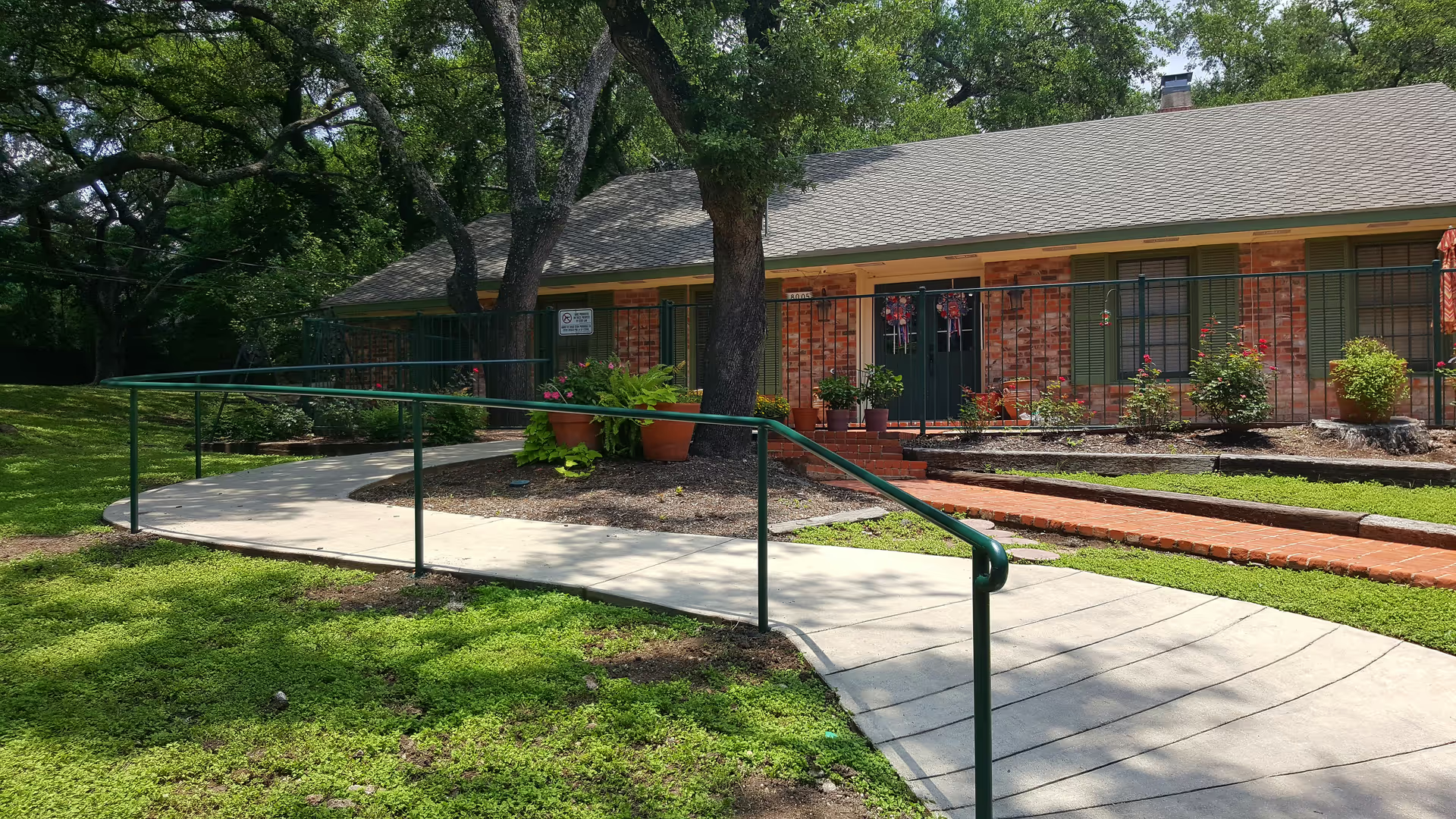
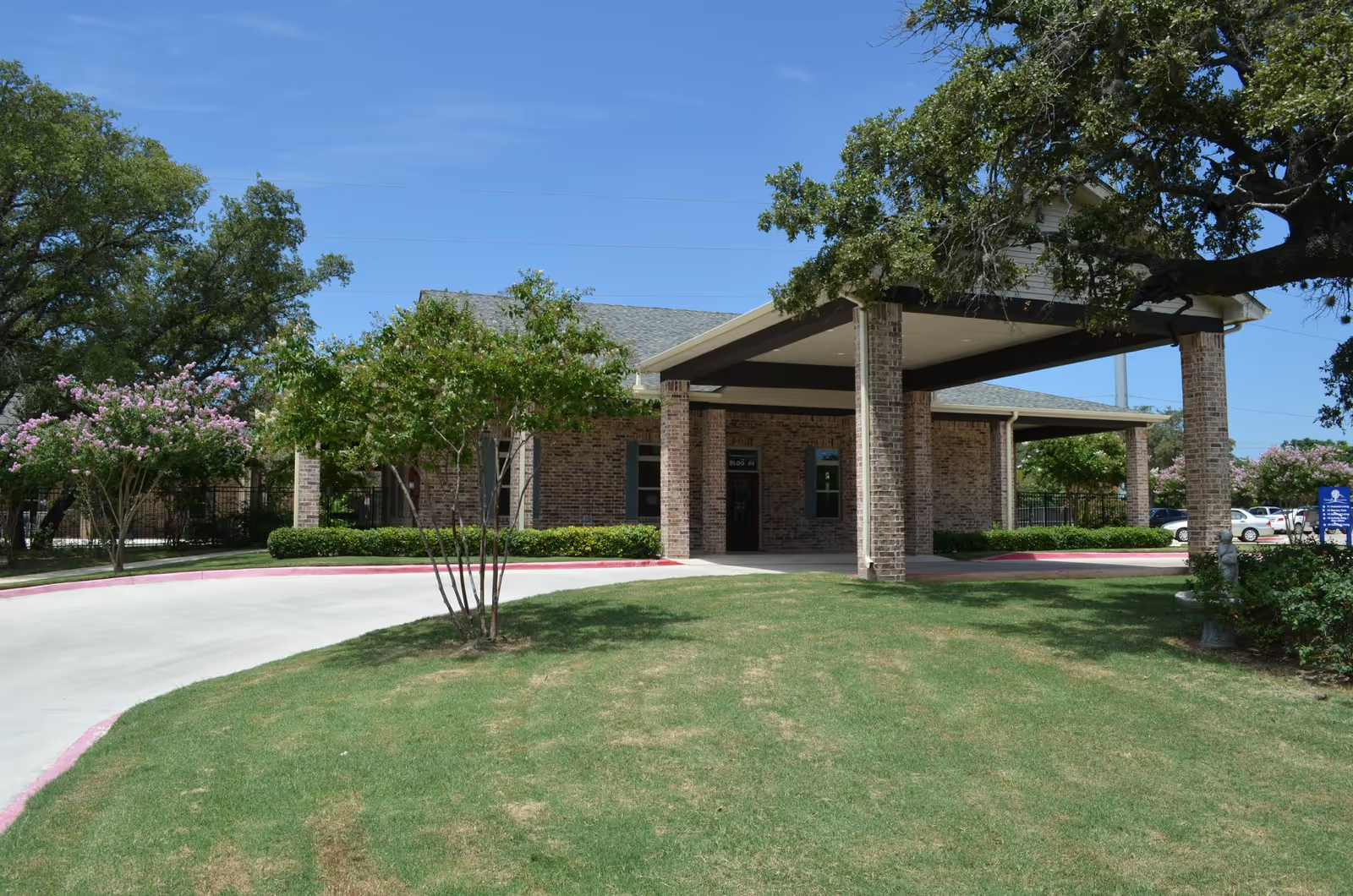
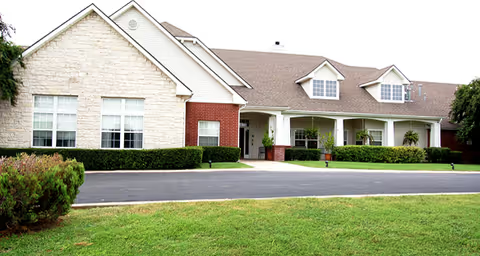
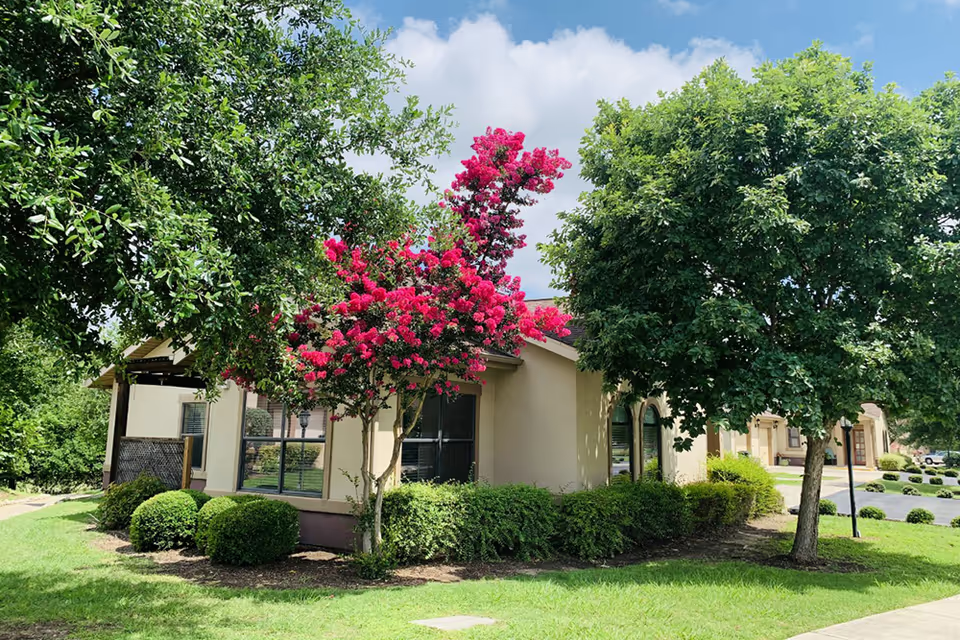
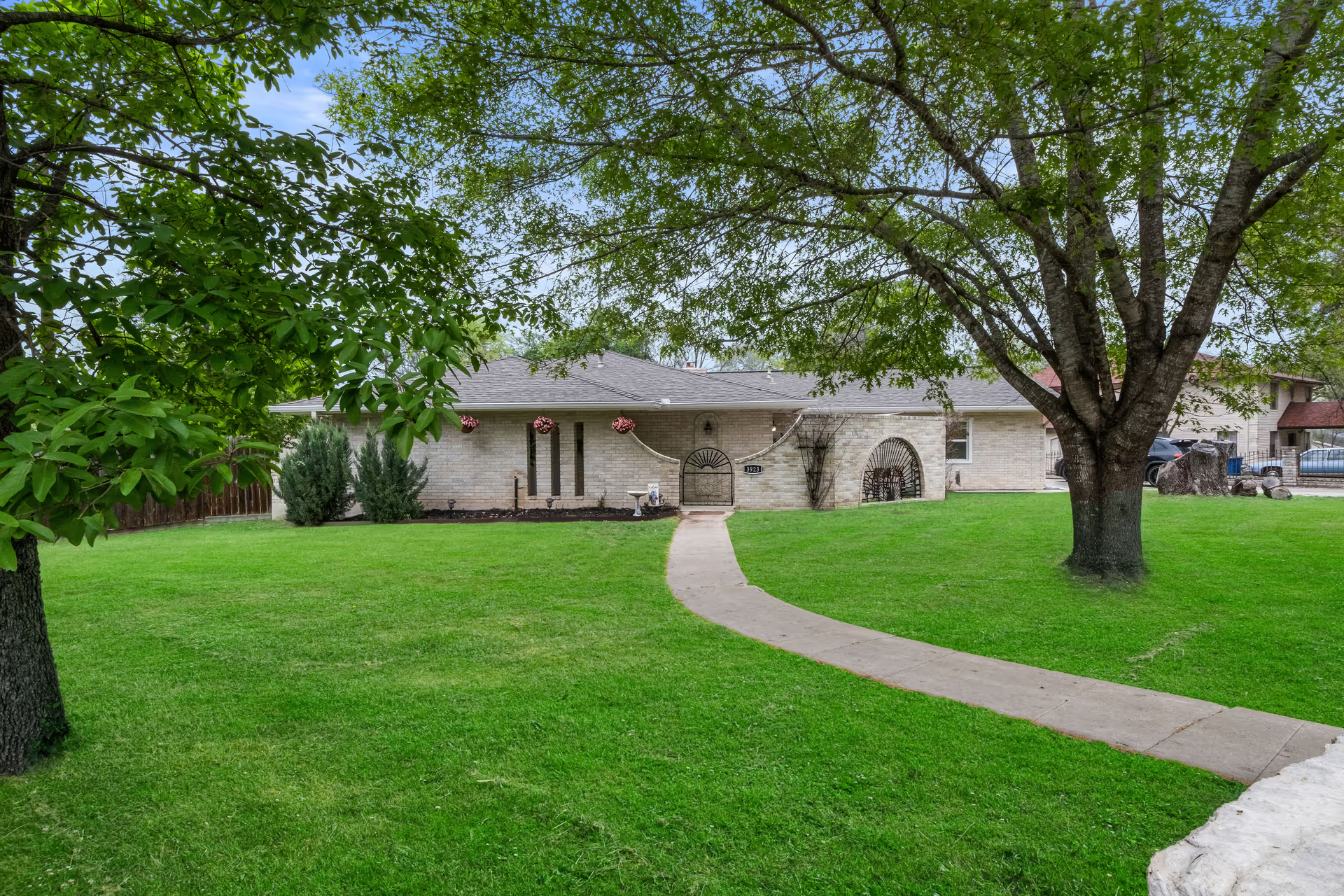
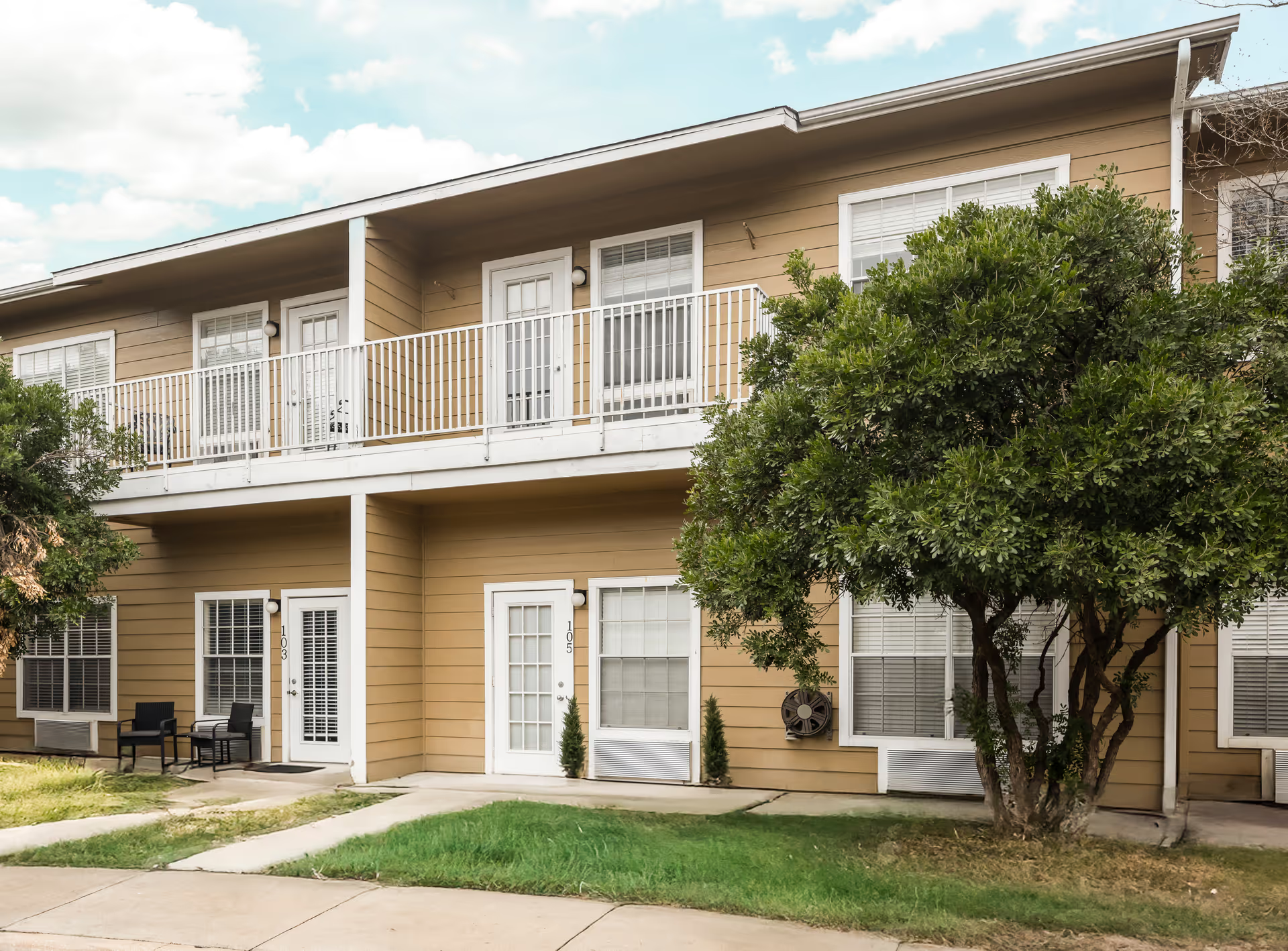
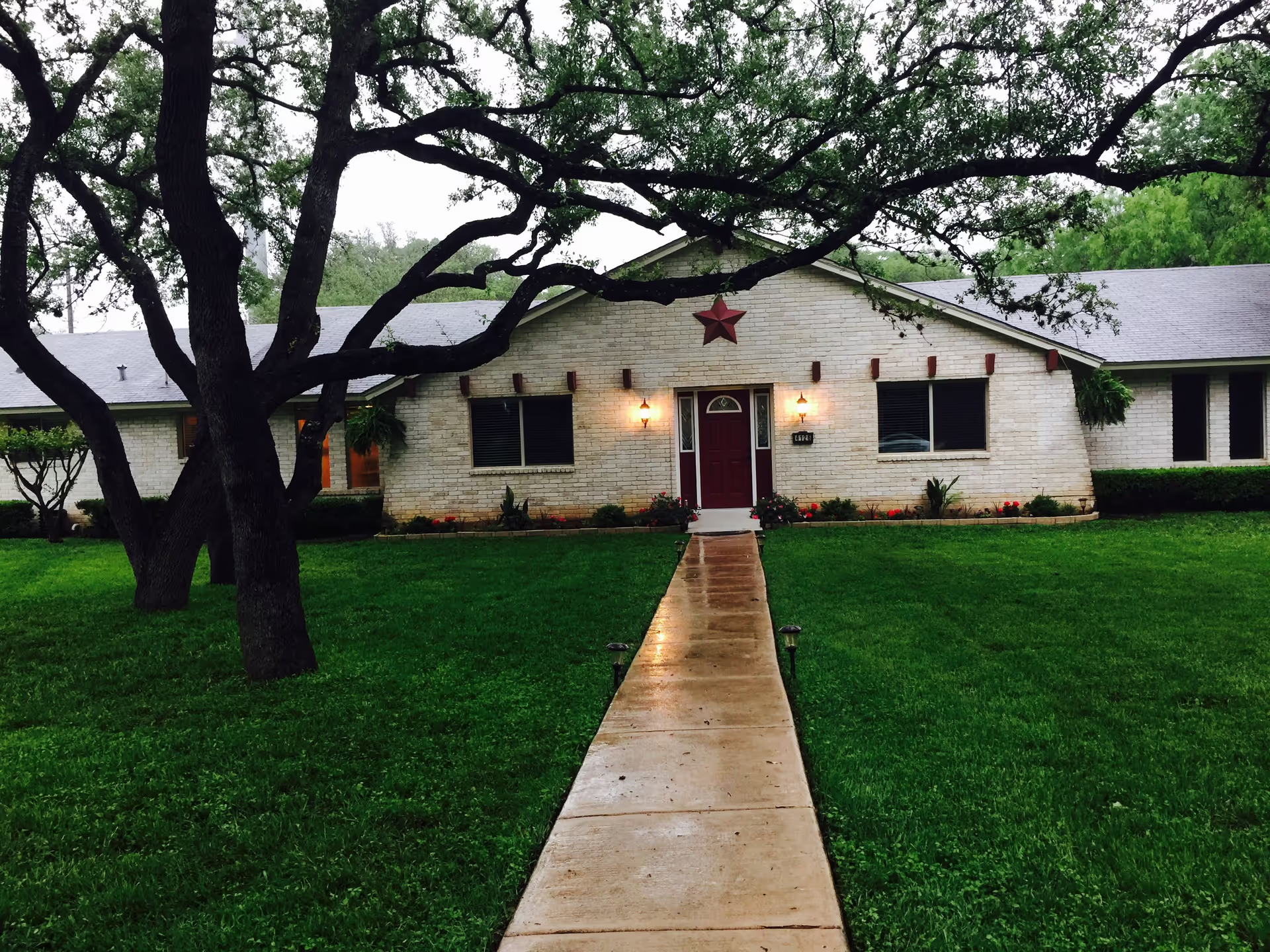
WestMark Senior Living elicits a mix of consistently positive and operationally inconsistent impressions. Strengths that repeatedly surface include a staff culture described as compassionate and attentive, attractive common areas that are generally clean, and a dining program that benefits from a dedicated chef and a pleasant dining environment. The community offers practical supports often valued by families: on-site physical therapy, transportation to medical appointments and stores, private wheelchair-accessible rooms with grab bars, and outdoor courtyard and garden spaces that contribute to a small-community feel and easy navigation on a single level.
Care quality and staffing present a nuanced picture. Many reviewers praise individual caregivers, memory-care staff, and activity directors for personalized attention and responsiveness; specific staff members and leaders are repeatedly highlighted for positive engagement. At the same time, families describe inconsistent staffing levels across shifts—weekends and night coverage are the most frequently cited gaps—which can lead to delays in assistance, slower response after falls, and a sense that aides are overwhelmed when acuity increases. Clinical follow-through also appears uneven: physical-therapy referrals and rehab promises are sometimes not completed to family expectations, and there are isolated concerns about medication delivery timing and pharmacy coordination.
Dining and activities are strengths for some residents but variable for others. The facility's chef and some families report good meals and well-balanced offerings; others describe bland preparation, small portions, or late meal service. Activity programming ranges from robust—live entertainment, holiday parties, bridge and themed events—to limited or repetitive for residents with higher engagement needs. Families should review the current activity calendar and observe participation levels to determine fit for the prospective resident's social and cognitive needs.
Facility condition and operations show areas for improvement. The building is characterized as older but generally well maintained; however, reviewers note cosmetic wear, occasional maintenance backlogs, and specific accessibility barriers such as heavy doors or non-automatic entries. Housekeeping quality is uneven in some rooms and bathrooms, with sanitation and pest-control concerns mentioned in certain units. Administrative processes also draw mixed feedback: there are examples of helpful, proactive admissions and move-in assistance, but recurring issues with paperwork delays, unclear respite policies, billing and refund handling, and occasional difficulty reaching managers or nursing staff.
Safety, property controls, and communication are important patterns to consider. Alongside many positive accounts of safe, caring memory-care units, there are serious individual claims that families should verify during a tour: concerns about missing personal items and at least one high-severity allegation of staff theft have been raised, prompting questions about employee screening and inventory controls. Communication gaps—slow callbacks, inconsistent updates to families, and variable follow-through on requested care plans—are also commonly cited and can compound operational concerns when resident needs escalate.
Overall, WestMark may be a good fit for residents seeking a community with a warm staff culture, accessible rooms, on-site therapy, and active social programming. Prospective residents and families should schedule an in-person visit that includes mealtime observation, review of the current activity calendar, confirmation of staffing ratios for the specific unit and shifts of concern, verification of background-check and property-inventory procedures, and a clear written explanation of billing, respite policies, and promised clinical services. Doing so will help match the facility's strengths to the prospective resident's care needs and clarify areas where families may need additional assurances or contractual protections.