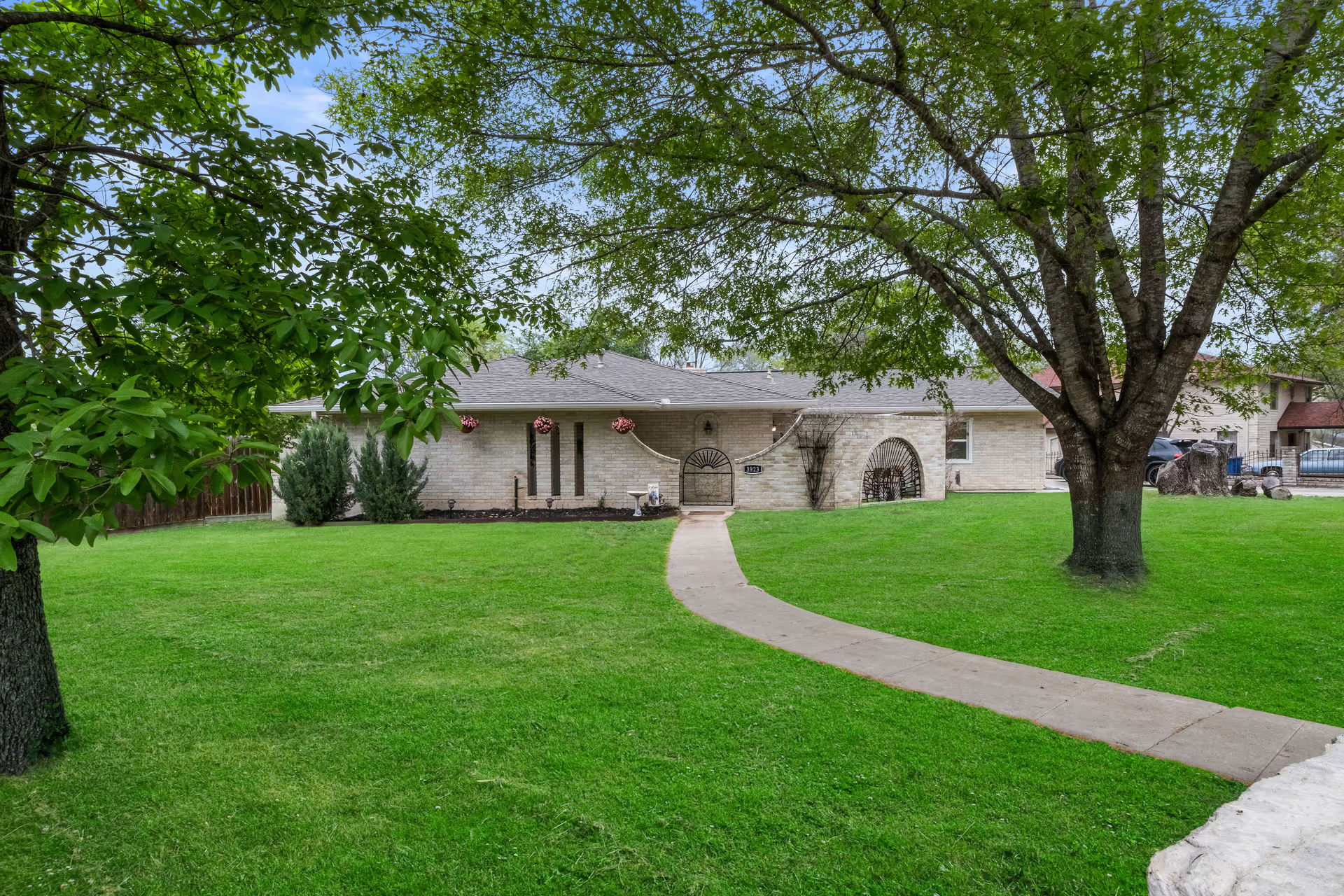
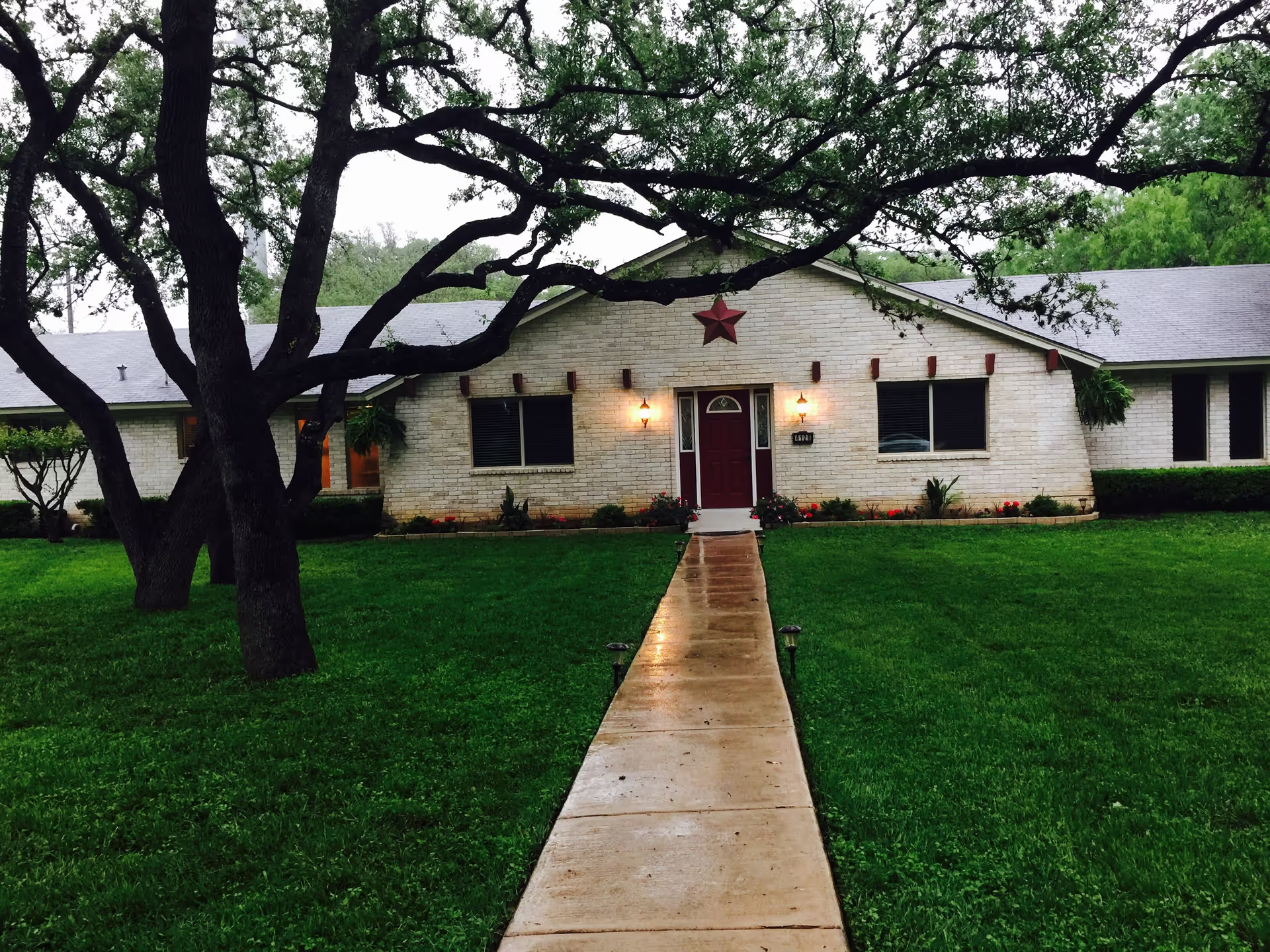
Carol Ann's Home Assisted Living is consistently described as a small, family‑run residential setting that emphasizes a home-like atmosphere and personalized caregiving. Reviewers frequently highlight compassionate, attentive staff and low staff turnover, which families link to continuity of care and individualized attention. The facility’s small census (around 15 residents) and family-style routines allow staff to provide bedside assistance, medication security, and regular family communication, including photo updates.
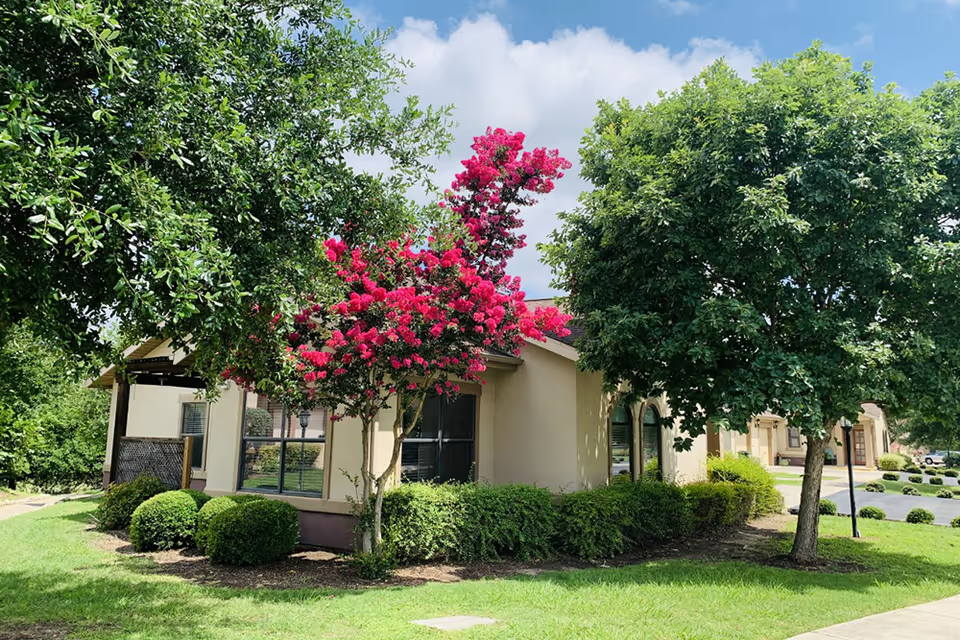
Dining and daily living are notable strengths. Multiple accounts describe varied, home-cooked menus prepared by an on-site cook or chef several days a week, buffet-style offerings with fruits and salads, and large dining-room gatherings. Food quality, presentation, and family-style service are cited as contributors to residents’ enjoyment. Outdoor amenities such as a well-kept garden, walking areas, and views (including golf-course vistas) are repeatedly mentioned as positive features that support residents’ quality of life.
Activity programming includes music, exercise, games, reading and holiday events; families appreciated social interaction, seasonal celebrations, and meaningful engagement. That said, reviewers also suggested areas for enrichment—examples include more consistent afternoon/snack offerings and more frequent or varied activities for some residents. A few reviews indicated staff were sometimes occupied with phones during shifts, which can limit spontaneous engagement.
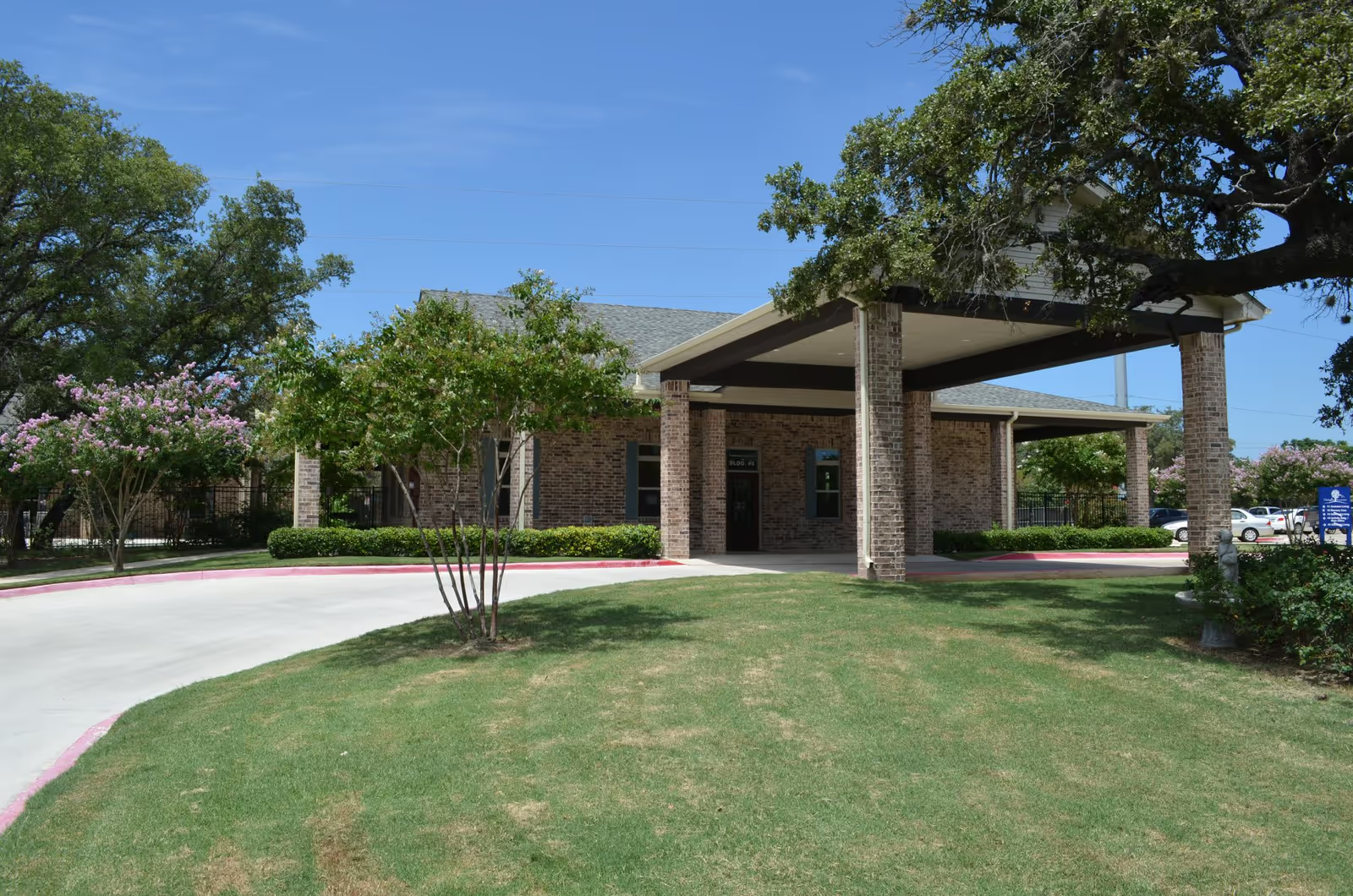
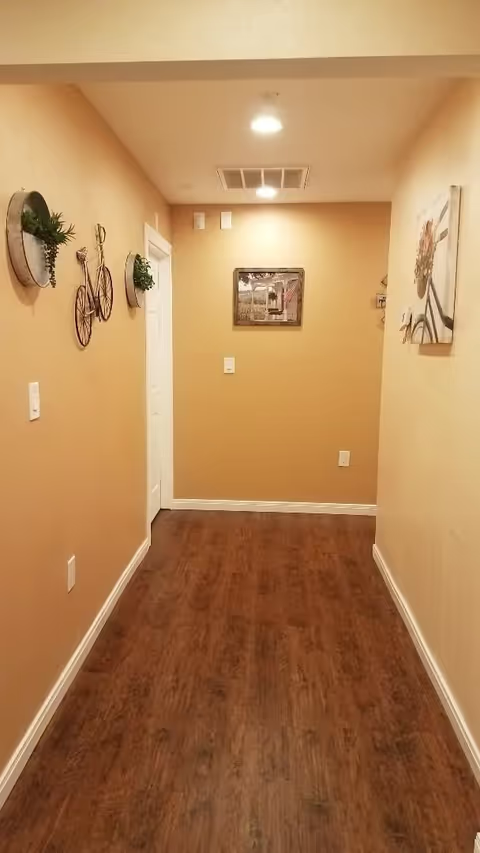
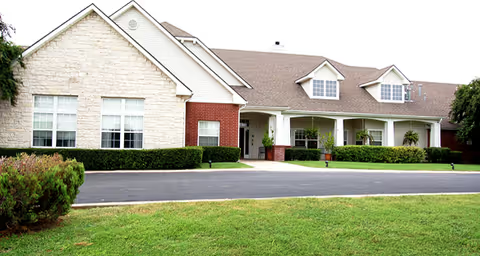
Facility and room characteristics are generally described as clean and well maintained, with comfortable common areas and personalized resident rooms. The home offers a mix of private and semi-private accommodations; however, room sizes and private-room availability are variable, and some families noted smaller room dimensions or limited private outdoor yard space. The property’s residential character—older house layout and some uneven lighting—contributes to the home-like feel but may not suit families seeking a bright, institutional-style facility.
Management and administrative patterns show both strengths and inconsistencies. Many families praise owner involvement, a supportive manager, reasonable all-inclusive pricing, and helpful admissions support. At the same time, there are recurring concerns about inconsistent responsiveness to phone calls and voicemail, limited transparency around budgeting and financial details during intake, and occasional brusque interactions from administrative staff. Availability constraints and the potential for a waitlist were also mentioned as operational realities.
Overall, Carol Ann's Home Assisted Living appears well suited to families seeking a small, non‑corporate residence with attentive caregiving, home-style meals, meaningful social activities, and strong end-of-life/hospice support. Prospective residents and families should verify room configuration and size, clarify financial and admissions details up front, discuss the fit for residents with significant dementia-related needs, and confirm current activity schedules and outdoor access during a tour.