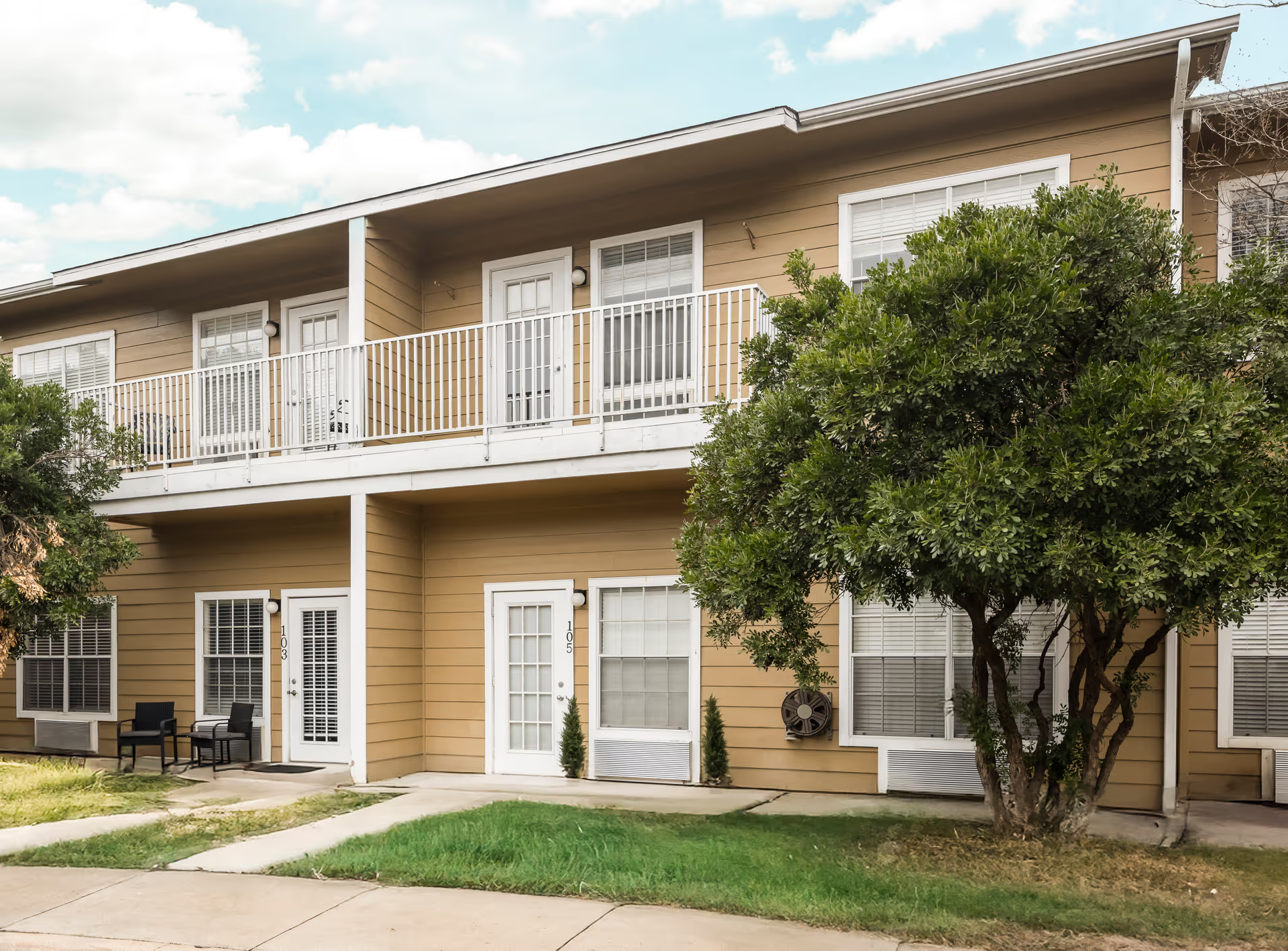
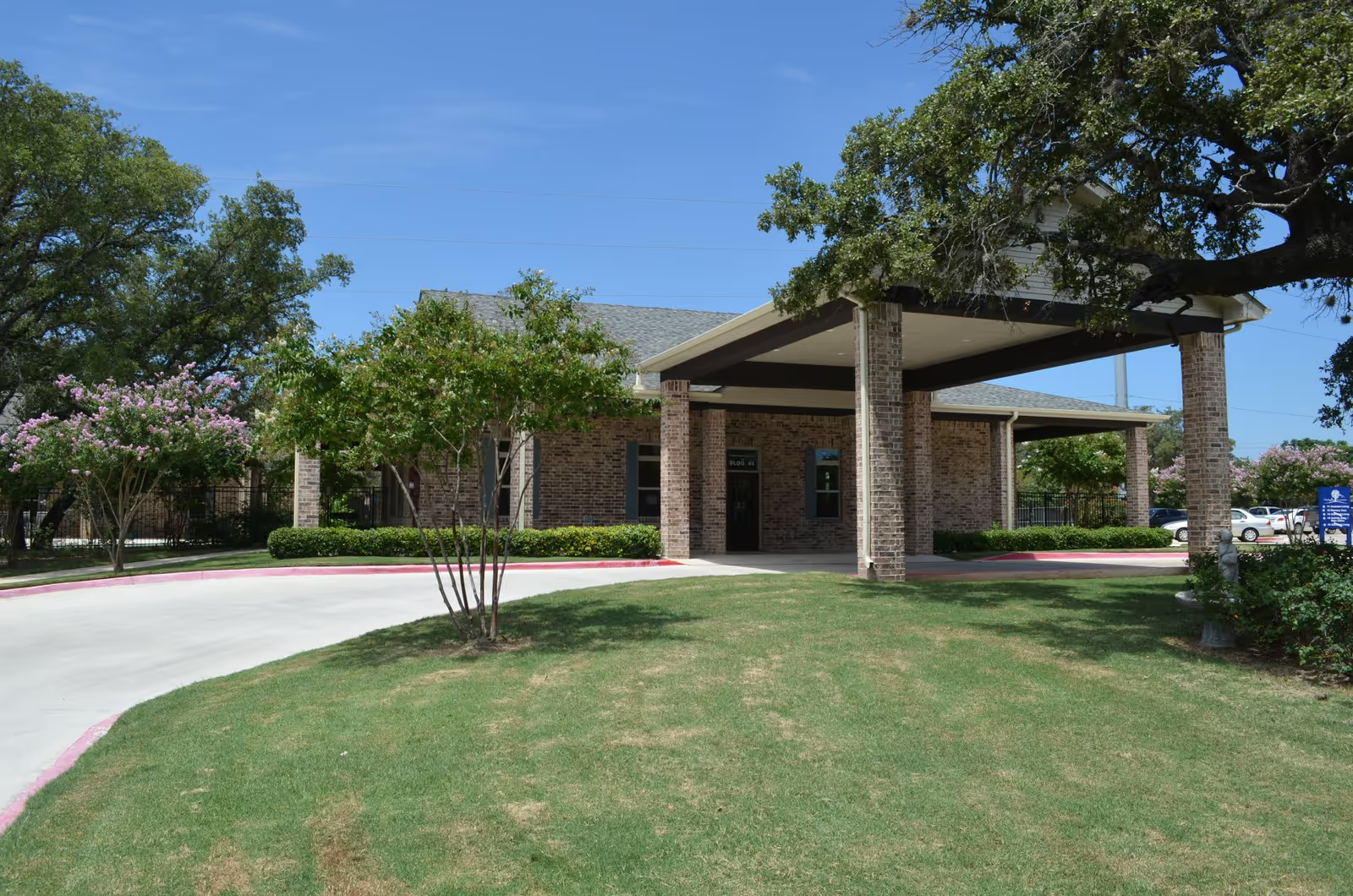
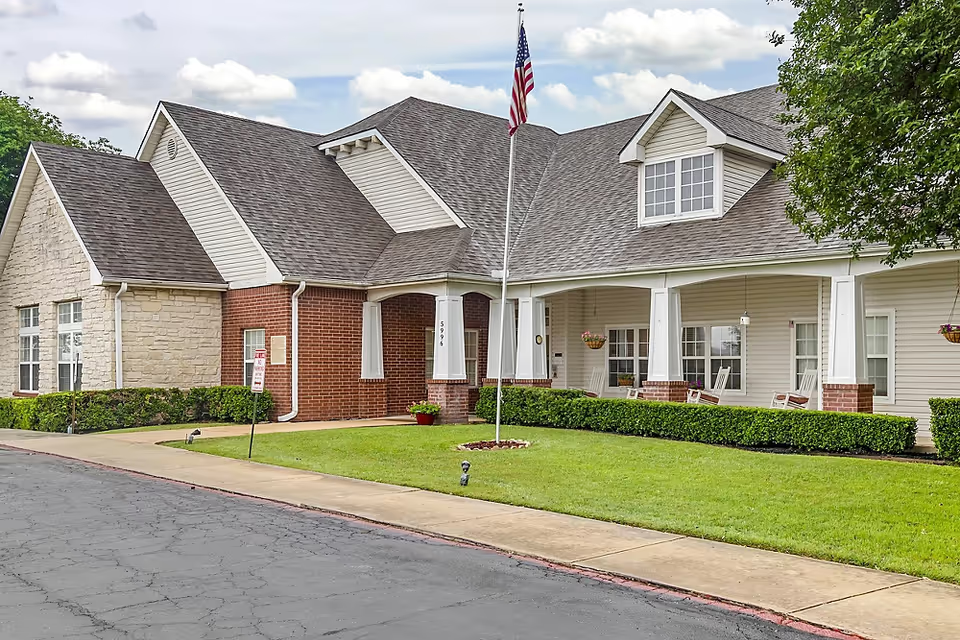
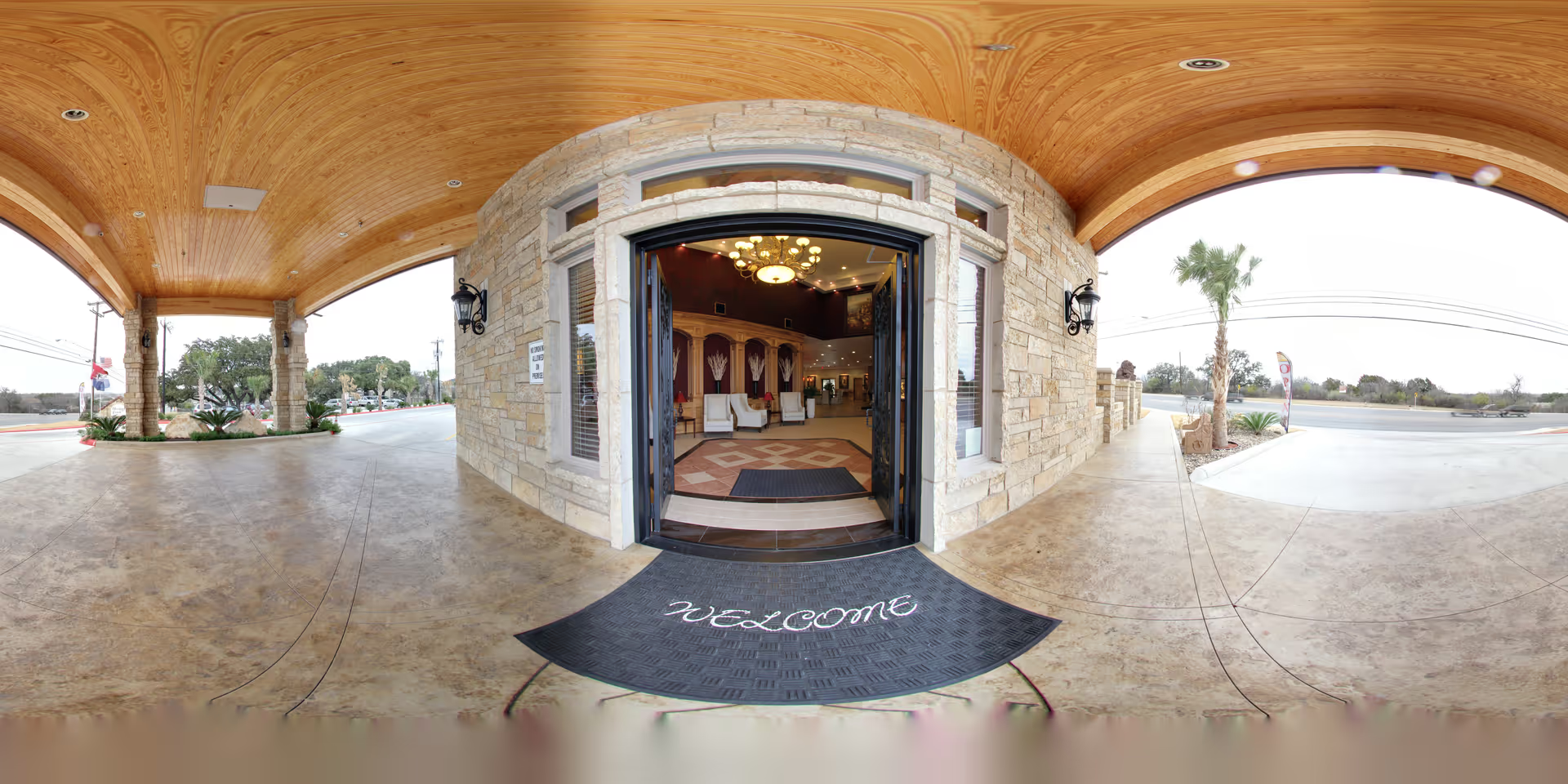
Villa de San Antonio presents as a large, resort-like retirement community that consistently earns strong marks for dining, social programming, and front-line staff engagement. Reviewers frequently describe chef-prepared, restaurant-style meals with varied menus, special brunches, and courteous dining service; many residents value the culinary program as a primary amenity. The community offers an extensive activities calendar (games, choirs, exercise, arts, regular outings) and provides transportation for appointments and trips. On-site spiritual programming, including a chapel and daily Mass, is a noted feature, and the facility includes multiple amenity spaces—pool, theater, salon, gym, bistro—that support an active social environment.
Care and staffing impressions are mixed but generally positive at a day-to-day level: many accounts emphasize compassionate, attentive caregivers, responsive front-desk staff, and employees who personalize attention and know residents by name. These strengths reinforce a family-like, social atmosphere for independent and lower-acuity assisted living residents. At the same time, reviewers raised operational concerns that affect clinical suitability for higher-acuity needs: several accounts point to delays or communication gaps during clinical incidents and situations where residents required more advanced medical support than the community can consistently provide. Prospective residents who anticipate progressive care needs should verify current aging-in-place policies, scope of clinical services, and the timeline for any planned memory-care additions.
Facility and operations patterns merit careful inquiry before a decision. While common areas and grounds are widely described as well maintained and hotel-like, reviewers cite inconsistent housekeeping in individual apartments, occasional sanitation and odor concerns in specific areas, and variable maintenance follow-through for repairs (e.g., plumbing, HVAC leaks, elevator reliability, internet downtime). There are multiple mentions of infrastructure reliability issues—elevator outages, generator and backup concerns, long repair times for washers/dryers—that suggest asking for maintenance logs and service-response metrics. Dining quality is a pronounced strength overall but is also described as inconsistent at times, with turnover or menu-rotation issues noted by some residents.
Management and administrative themes appear polarized. Many reviewers praise tours, move-in assistance, and day-to-day staff kindness; others raise concerns about sales pressure, move-in billing clarity, move-in readiness of units, and perceived profit-driven decisions. There are a few serious, individual-level allegations (including concerns following a resident's death and billing disputes) that families should assess directly; these seem isolated in the context of many positive accounts but warrant a review of contract terms, refundable/deposit policies, and escalation procedures.
Recommendation: Villa de San Antonio is likely to appeal to prospective residents seeking a socially active, dining-focused, amenity-rich environment with a strong hospitality feel. Families evaluating the community should (1) confirm clinical capability and aging-in-place pathways if higher-acuity support may be needed, (2) review maintenance and emergency-response records and ask about recent infrastructure incidents and resolutions, (3) inspect unit-level housekeeping standards and clarify housekeeping/deep-cleaning schedules, and (4) read contract and billing provisions carefully—especially around move-in fees, deposits, and service guarantees. These checks will help align the community’s clear social and dining strengths with an individual resident’s clinical and financial needs.