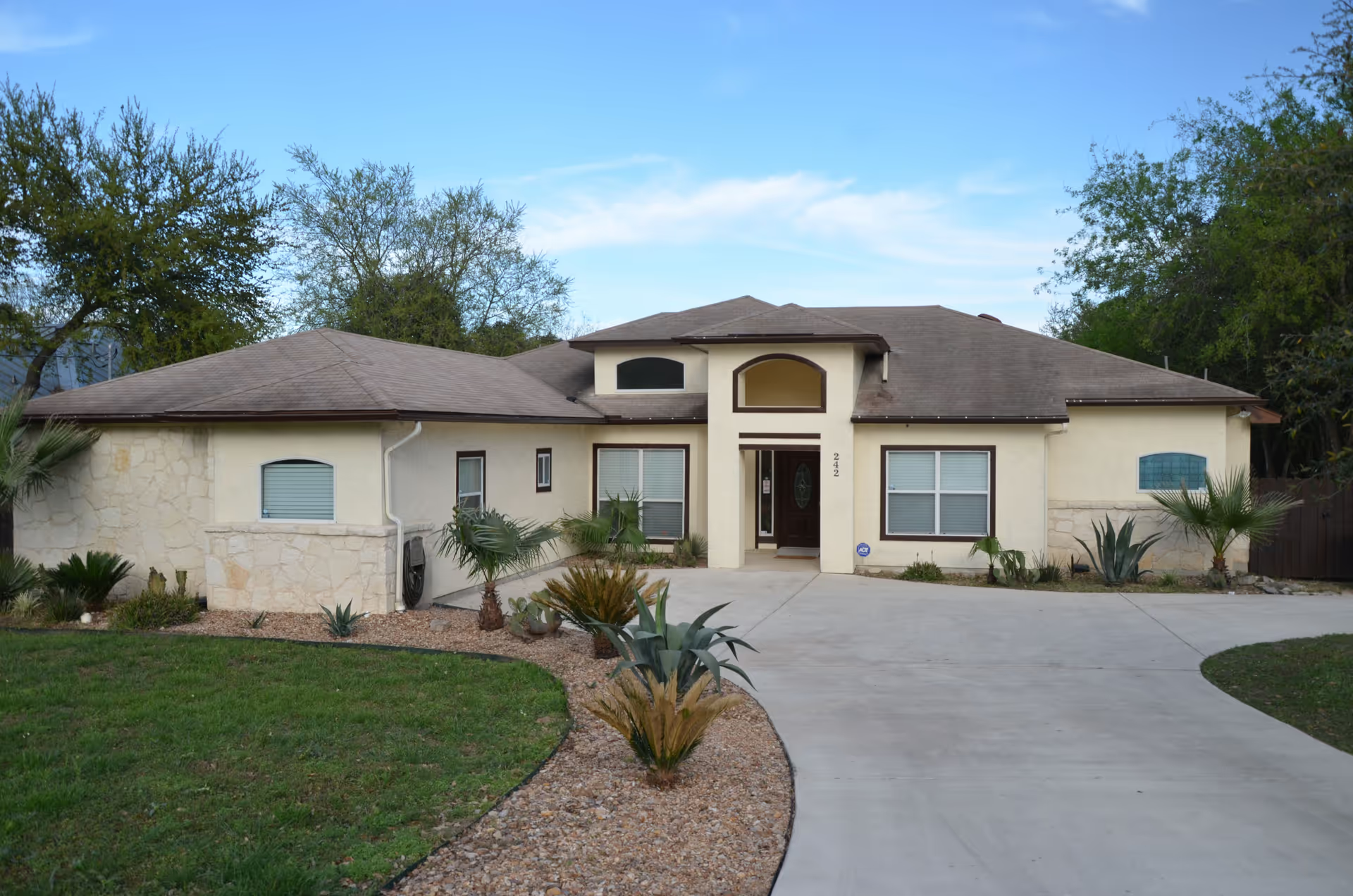
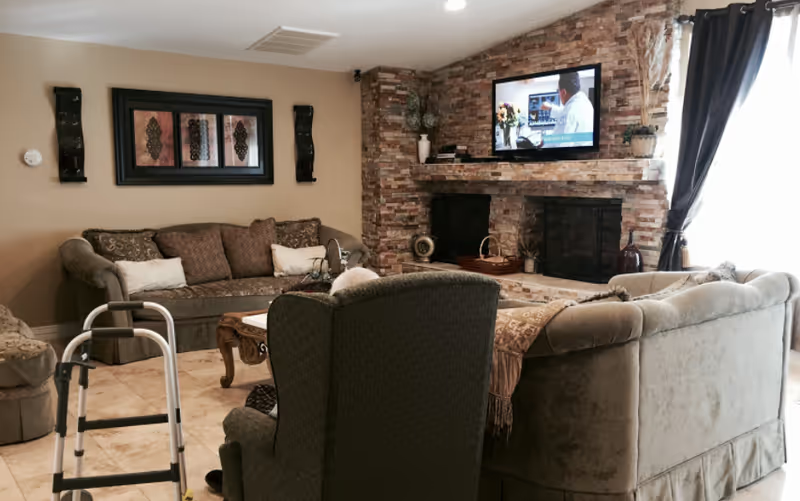
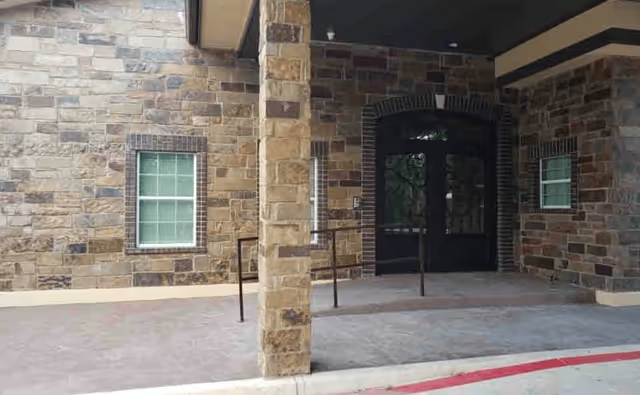
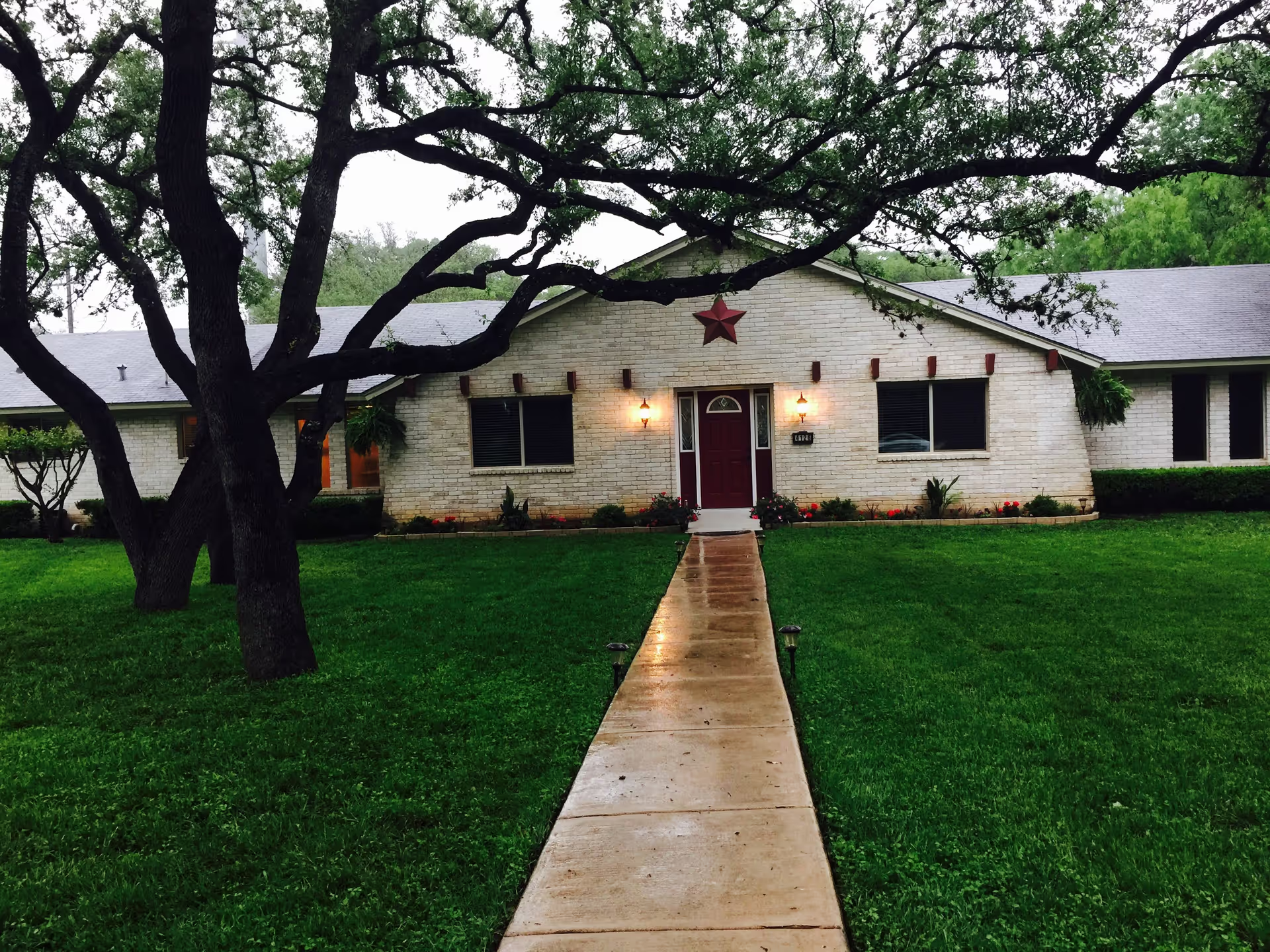
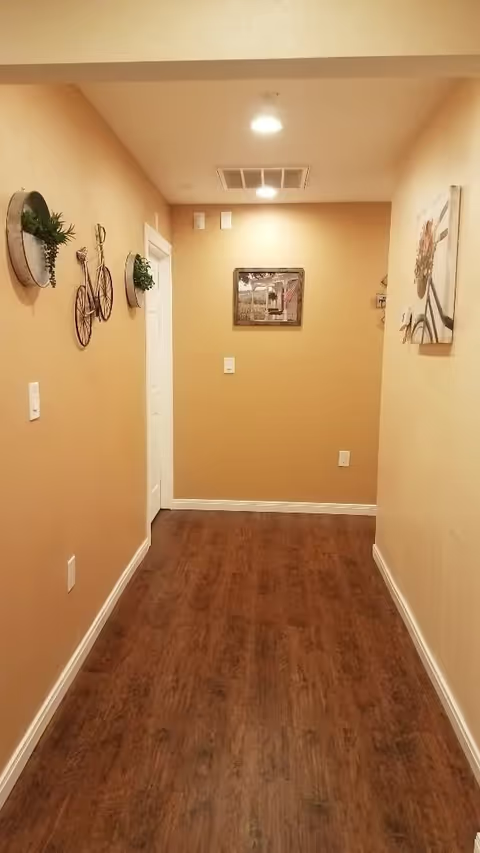
Hunter's Pond presents a mixed picture in these reviews. Many families and patients describe strong clinical strengths: a skilled rehabilitation team, a large therapy gym, and therapists who are proactive in restoring function. Numerous comments praise individual nurses and CNAs for compassionate, attentive care and highlight a clean, bright facility with private bathrooms and in-room showers that support dignity and independence. Activity programming, from bingo to visiting DJs, and an active housekeeping/kitchen staff contribute to a pleasant communal environment for many residents. Several reviewers also noted smoother operations and morale after recent management or ownership changes.
Alongside positive accounts, a recurring pattern of operational weaknesses emerges. Staffing levels and coverage are frequently characterized as inconsistent, which reviewers link to delayed responses to call buttons, prolonged waits for assistance with personal care, missed or late medication administration, and uneven bathing schedules. These staffing gaps are also tied to concerns about monitoring: some families described missed wound checks, slow pain-management follow-up, and limited physician or nurse-practitioner presence for clinical oversight. Recordkeeping and administrative documentation lapses were noted, contributing to confusion about medication timing, therapy reports, and discharge planning.
Dining and nutrition feedback is mixed. Some reviews praise customized meals and attentive kitchen staff, while others describe limited portioning, poor preparation of specific items, and a lack of consistent light or therapeutic meal planning for residents with conditions such as diabetes. Activities and communal amenities are generally viewed positively; the facility’s therapy resources and social programming are frequently cited as strengths that support recovery and quality of life.
A subset of reviews raises more serious concerns about transparency and property handling. There are allegations regarding withholding information from next of kin, restrictions on retrieving personal items, and missing or unaccounted-for valuables. There are also pest-control and sanitation concerns reported in some units. These claims are serious and distinct from routine operational criticisms; families considering placement should inquire specifically about property-handling policies, documentation procedures, and pest-control protocols.
Overall, Hunter's Pond appears to offer substantial rehabilitative resources and many staff members who provide compassionate care in a well-maintained environment. However, recurring themes of inconsistent staffing, medication- and monitoring-related lapses, communication failures with families, and isolated but serious allegations about transparency and property warrant careful inquiry. Prospective residents and families would benefit from in-person visits, direct questions about staffing ratios and on-call clinical coverage, review of medication administration processes, and clear policies about personal property and family notification to determine whether the facility’s strengths align with their needs.