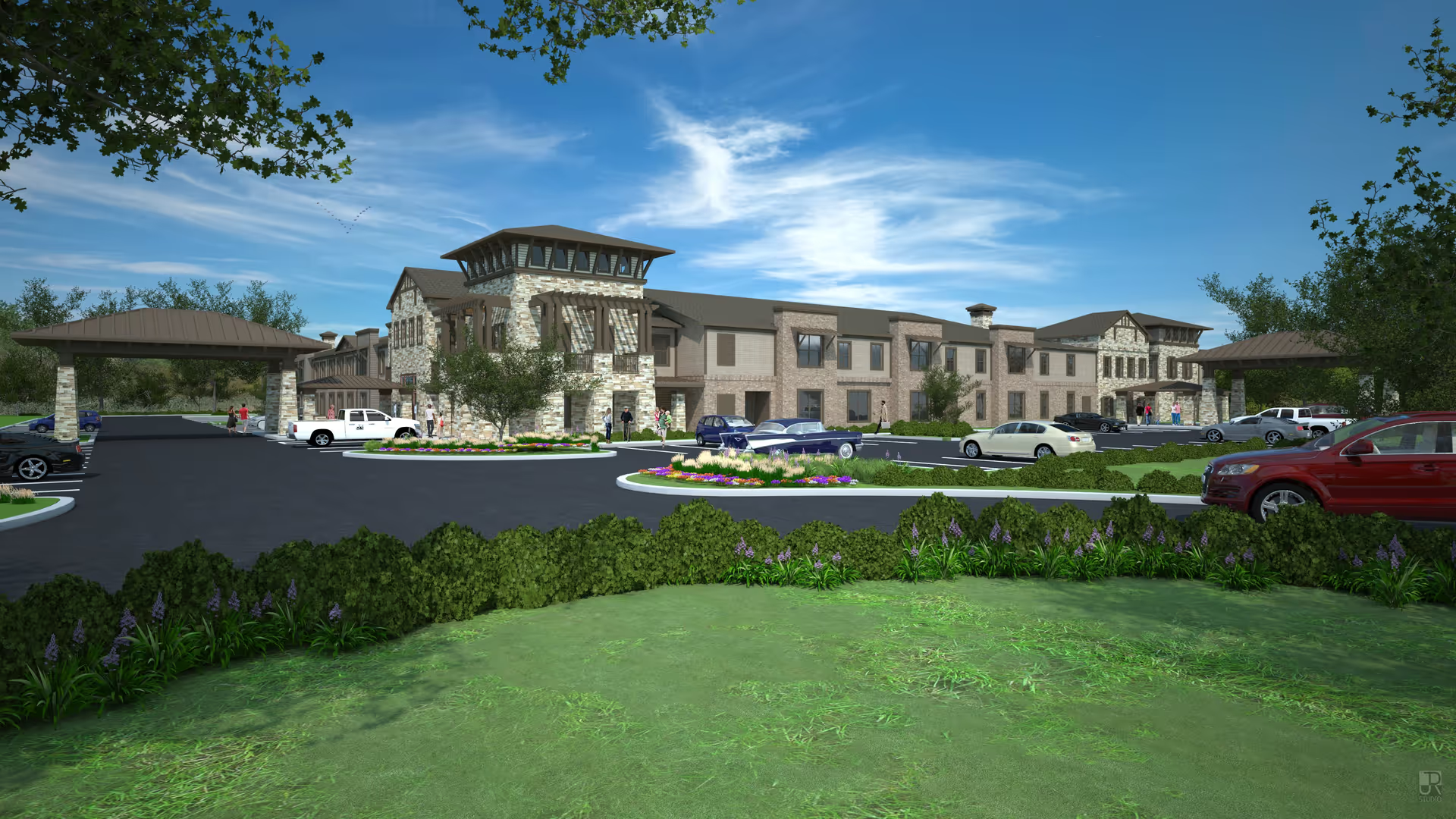
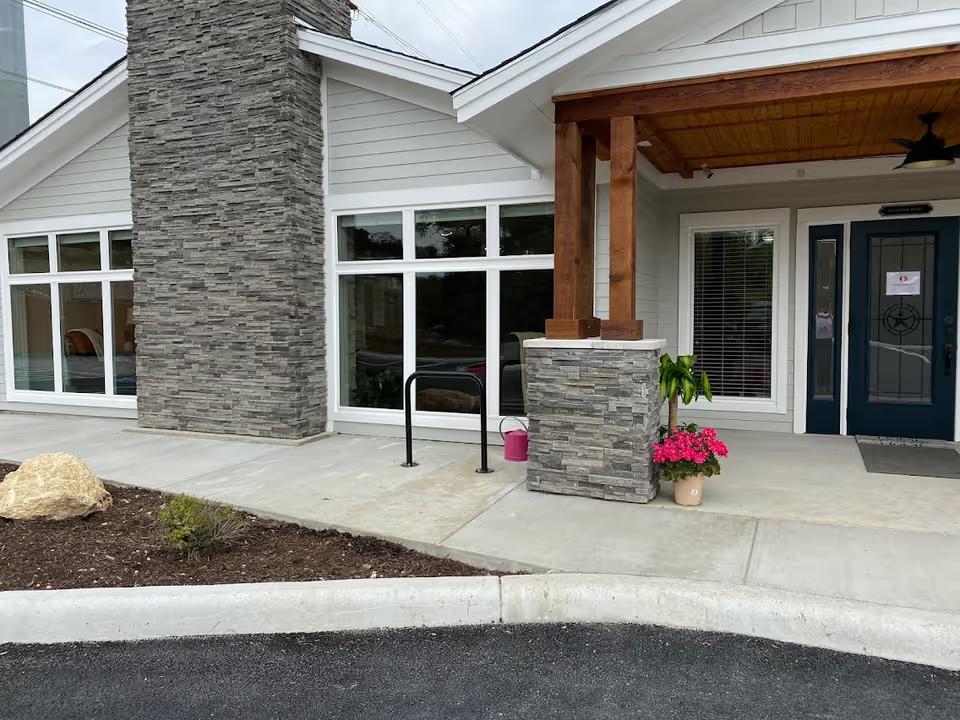
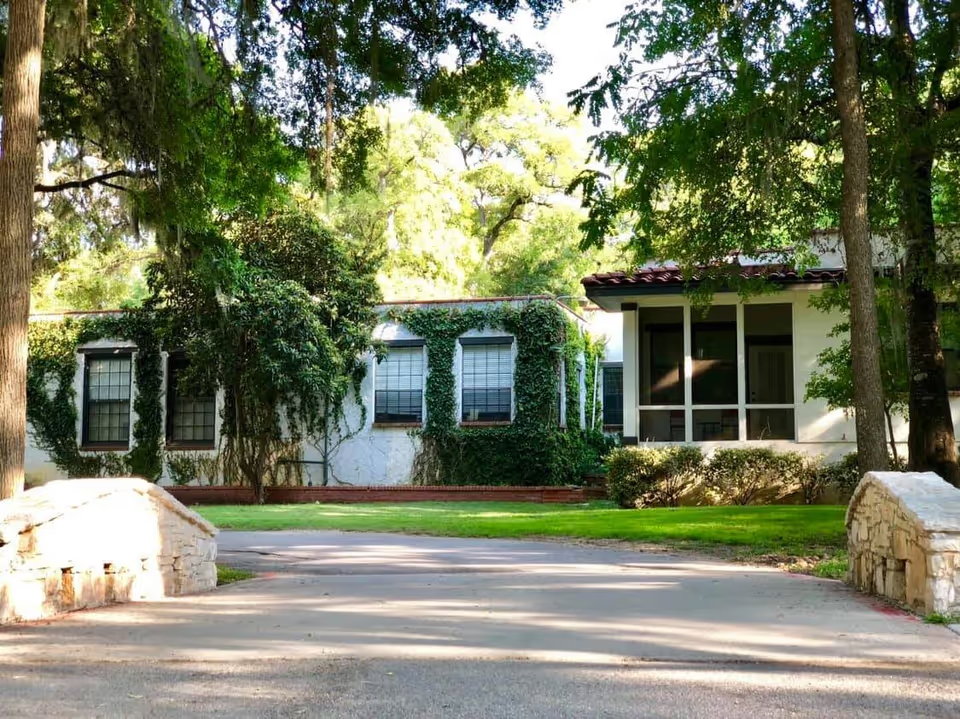
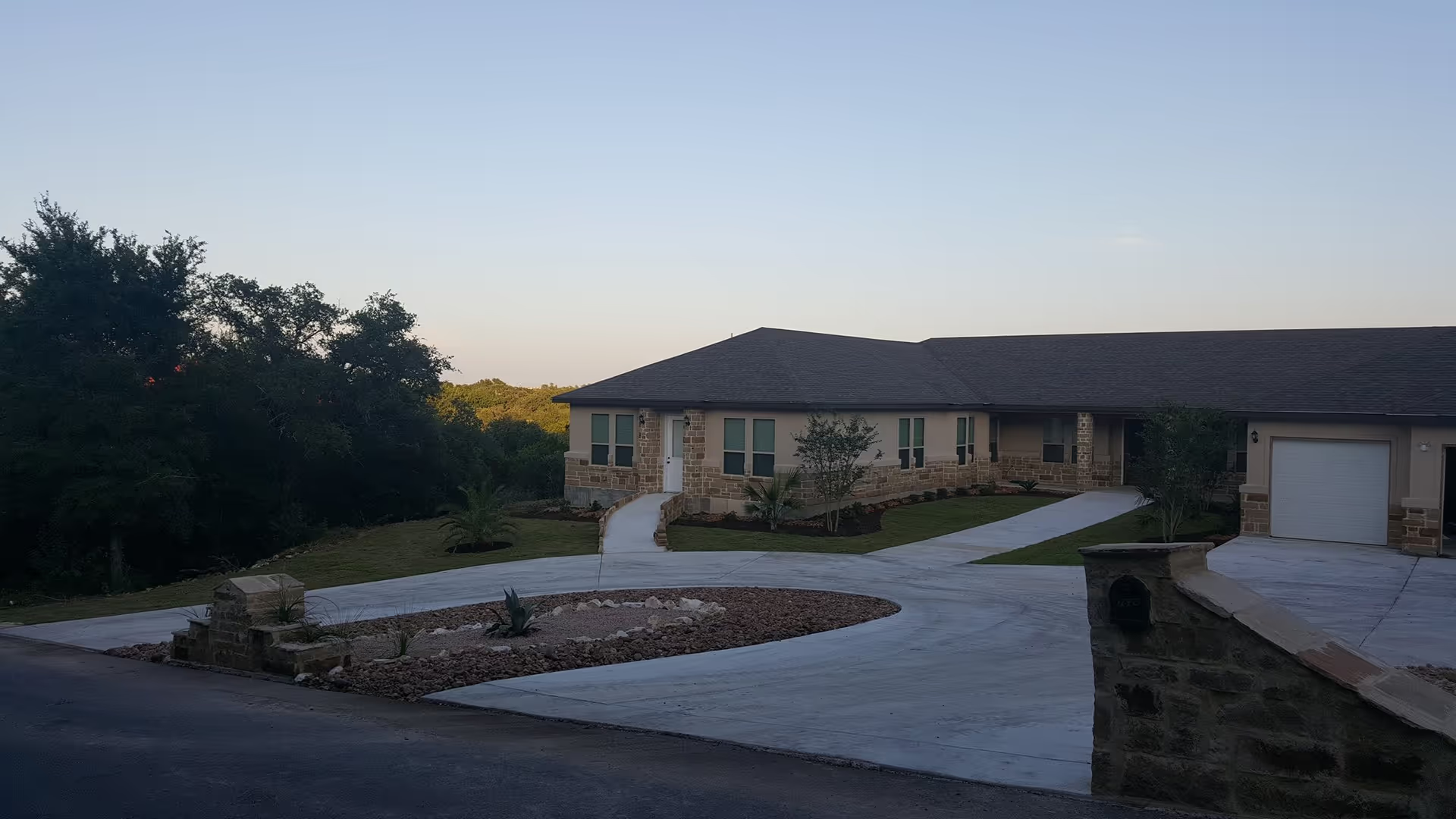
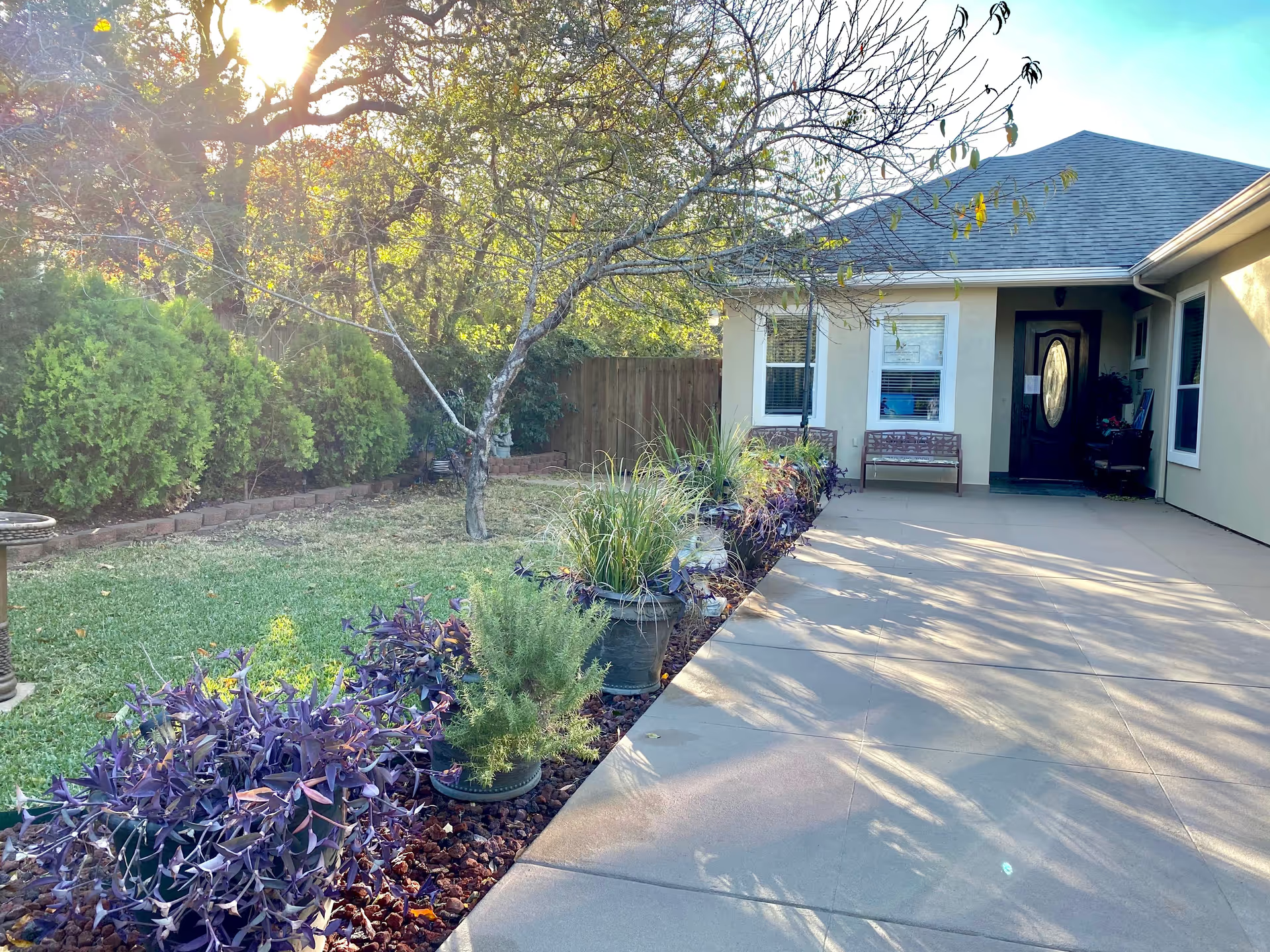
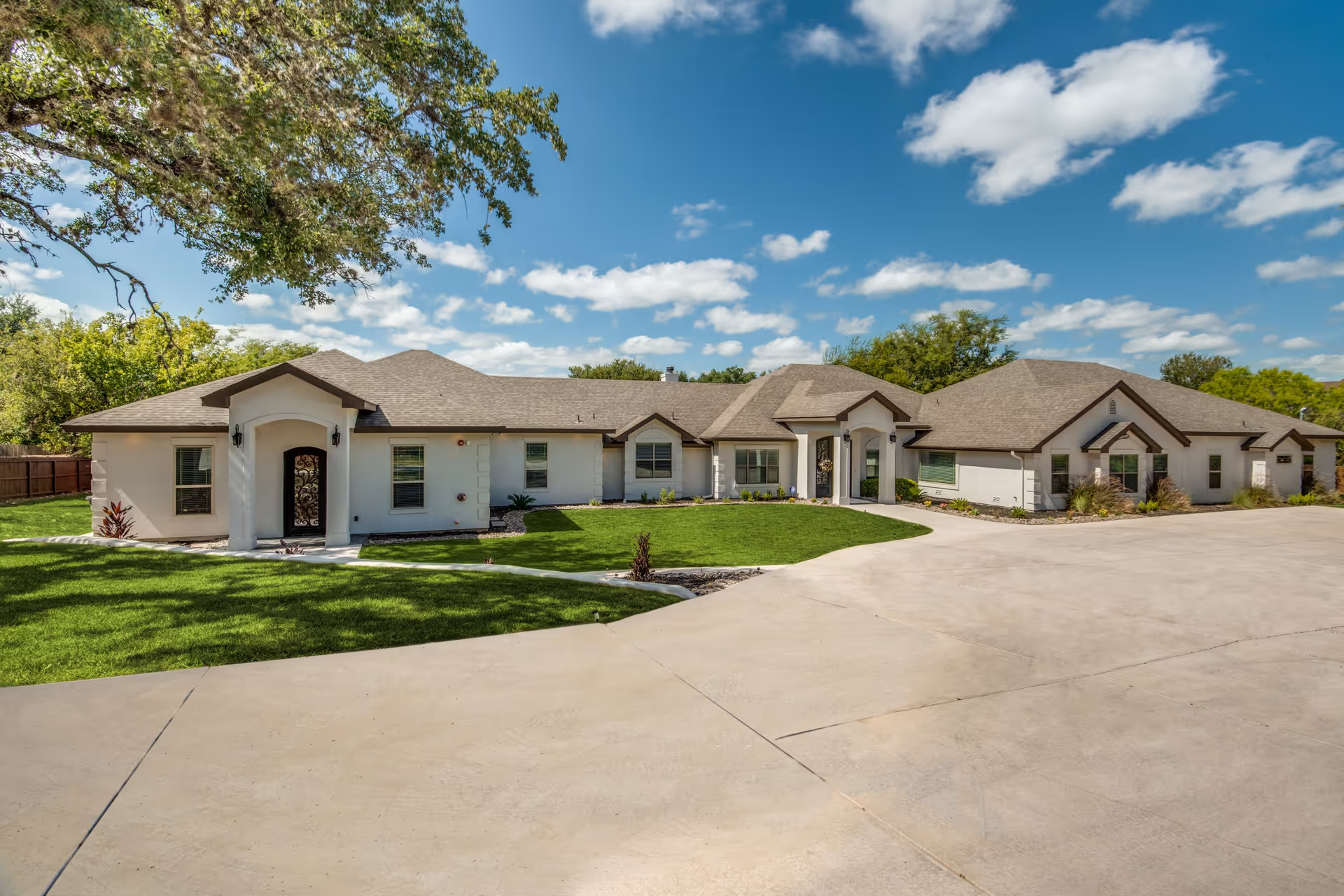
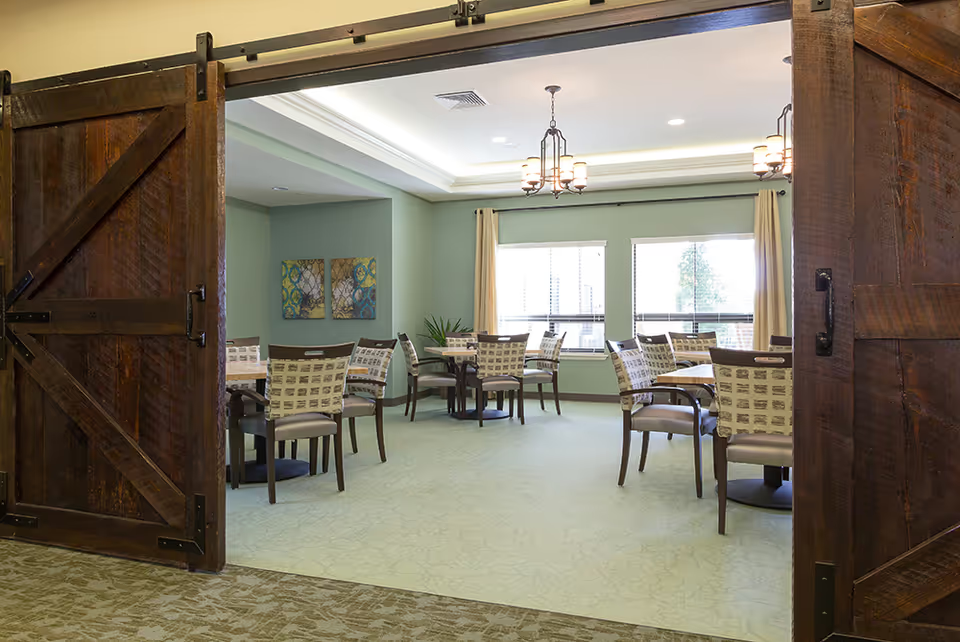
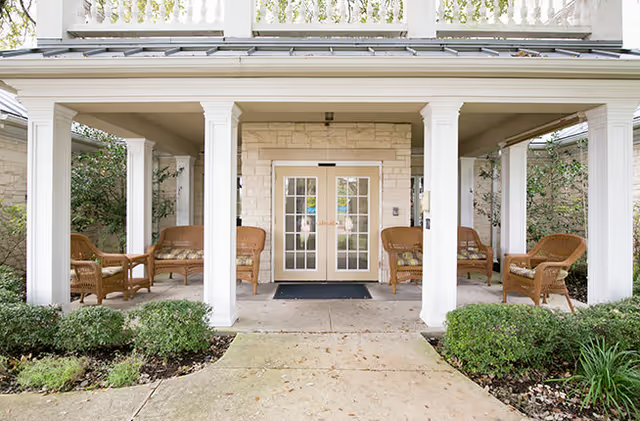
Reviews for Isle at Watercrest Dominion present a mixed picture: the property and many front‑line caregivers receive consistent praise, while several operational and clinical concerns recur across accounts. The community’s exterior, interiors and common areas are described as well maintained and clean. Dining receives generally positive comment, and a number of families highlighted individual caregivers as polite, compassionate and effective. There are also mentions of strong assisted‑living amenities and instances of high-quality, attentive care.
At the level of clinical operations, reviewers indicate wide variability. Positive accounts describe compassionate, competent staff and superior levels of care for some residents. Contrasting accounts, however, raise concerns about staffing consistency—examples include limited nurse coverage, unattended nurse stations, and insufficient assistance during higher‑need periods. Those operational patterns are associated with delays in responding to medical needs, inconsistent follow‑through on care plans, and specific wound‑care management concerns that families linked to poorer outcomes. The pattern suggests that quality may depend heavily on shift, unit, or individual caregiver rather than being uniformly applied across the facility.
Communication and management practices are another recurring theme. Families reported difficulties reaching staff by phone, limited follow‑up after significant clinical events (including end‑of‑life situations), and challenges with corporate processes such as billing and account closure. Several accounts also describe lost personal items and problems with laundry/property handling. There are remarks about discrepancies between representations made during tours and the actual level of care received, prompting advisories to prospective residents to probe memory‑care specifics and staffing during tours.
For prospective residents and families, the salient pattern is one of contrast: an attractive, generally clean environment with many caregivers who provide excellent, compassionate care, alongside operational weaknesses that can affect clinical responsiveness and family communication. When evaluating the community, it is advisable to ask specific, concrete questions about staffing ratios and nurse coverage by shift, emergency response protocols, how individualized care plans are enforced, wound and skin‑care practices, property and laundry handling procedures, and the processes for billing and account changes. Those inquiries can help clarify whether the facility’s strong aspects align with an individual resident’s needs and risk profile.