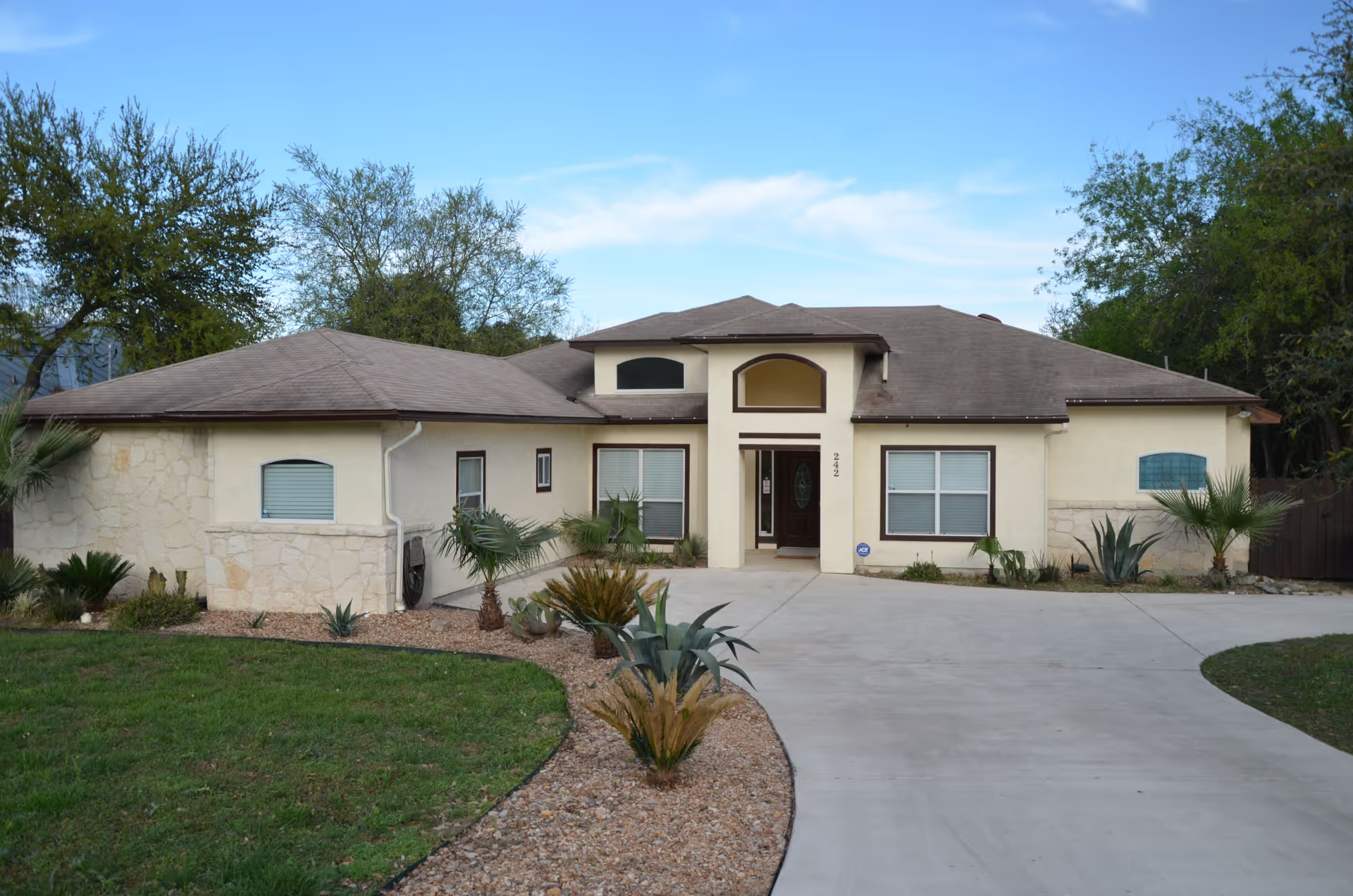
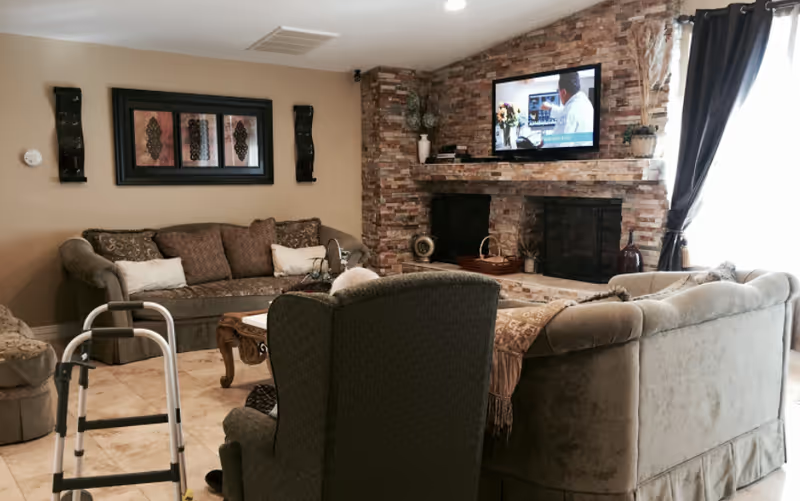
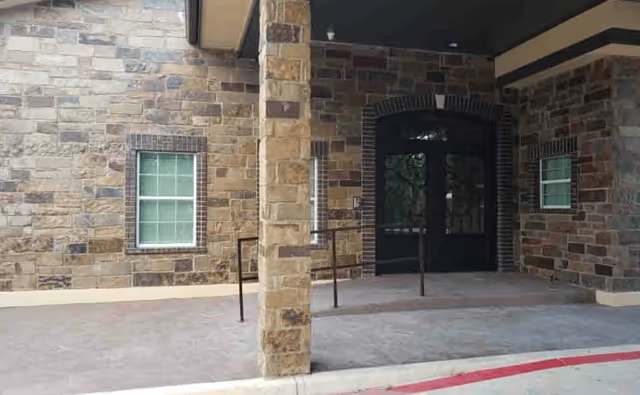
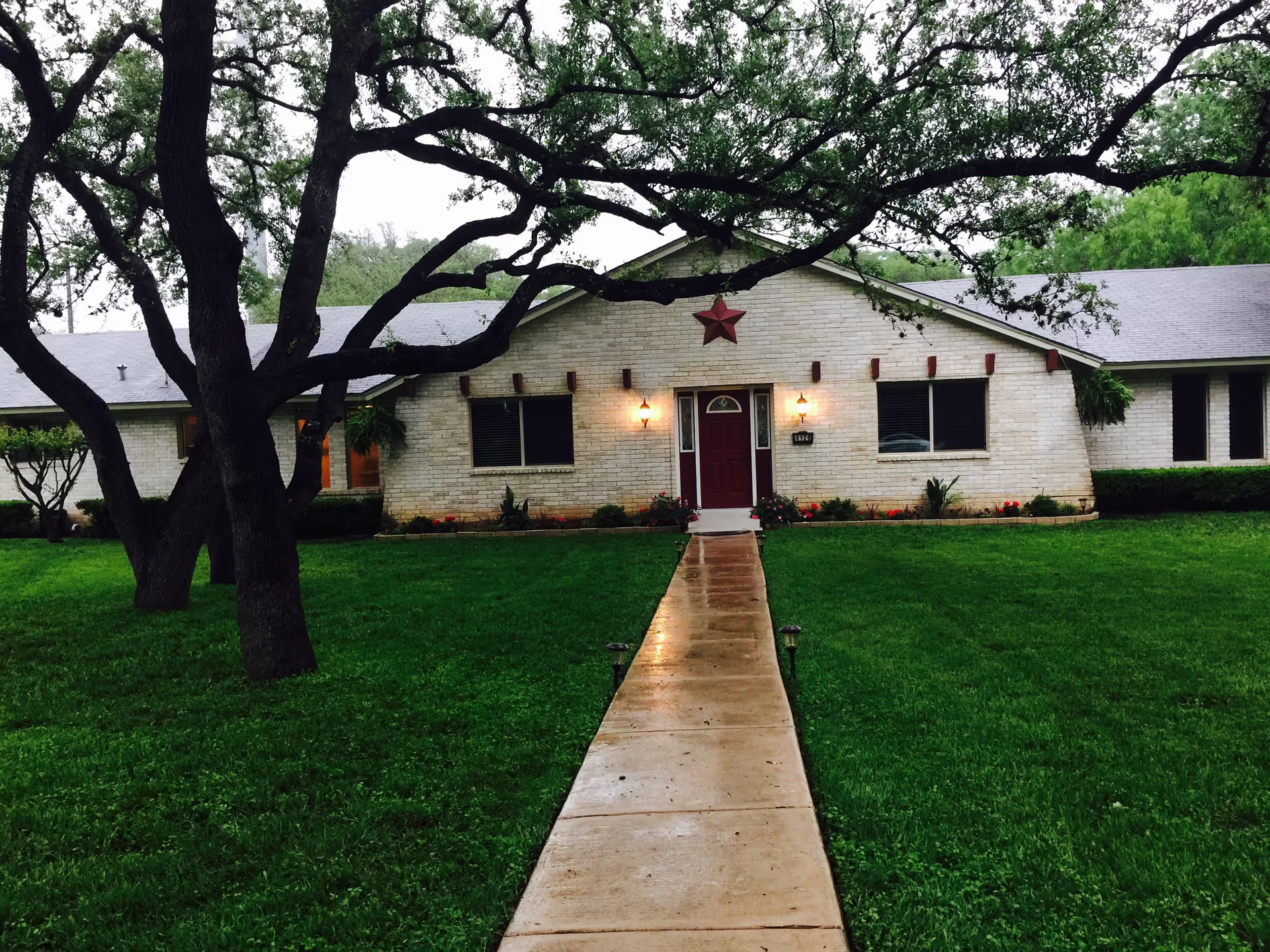
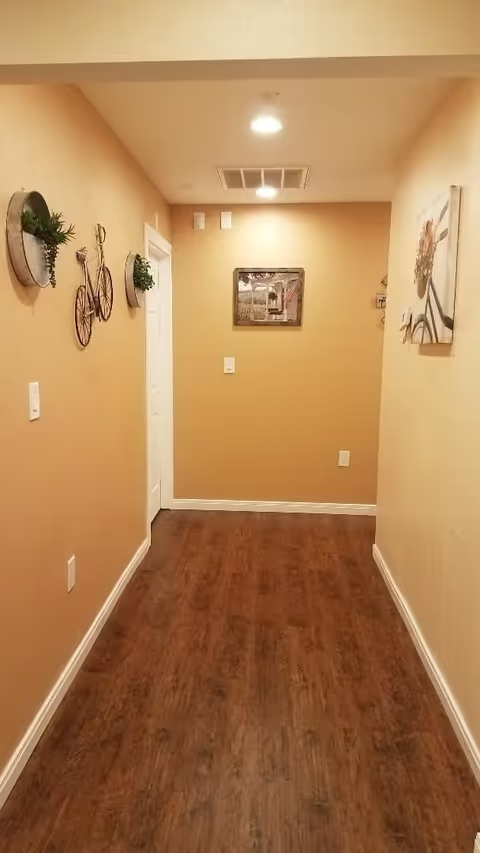
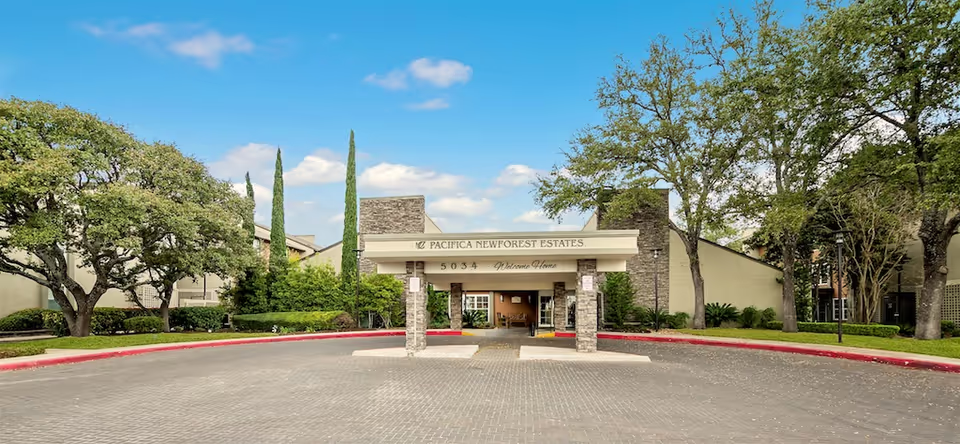
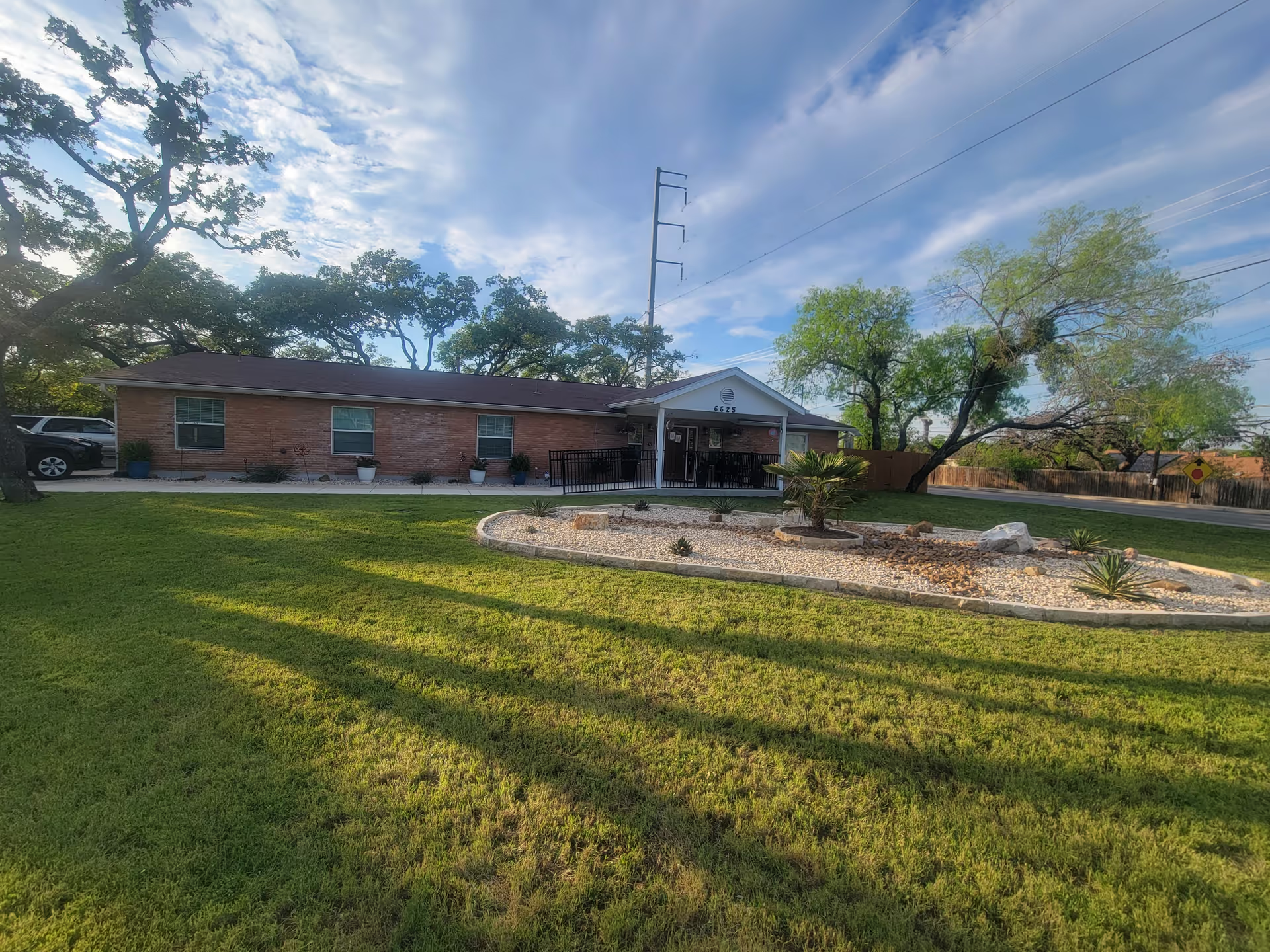
Legend Oaks Healthcare and Rehabilitation presents a mixed but instructive profile. Strengths are concentrated in direct care and rehabilitation: many families and residents describe compassionate, attentive caregivers and an experienced therapy staff that delivers effective physical and occupational therapy, often producing measurable functional improvements and successful discharges home. Housekeeping and facility maintenance are recurrent positives—many reviews describe a clean, bright building with pleasant common areas and a home‑like atmosphere. The community also offers a range of social and recreational programming (games, movie nights, manicures, newsletters) that contribute to resident engagement.
At the same time, reviewers note operational inconsistencies that merit careful evaluation by prospective residents and families. Staffing levels and shift coverage appear uneven; understaffing is associated with slow call‑bell responses, delays in personal assistance, and variability in mealtime service. Medication administration and supply management are other recurrent concerns: missed or delayed medications, lapses in ordering supplies, and occasional discontinuities at admission or transfer suggest gaps in clinical handoffs and inventory practices. Several accounts point to safety oversight issues for high‑risk residents (e.g., those with cognitive impairment or mobility limitations), indicating a need to confirm fall‑prevention and wandering‑risk protocols.
Dining and activities show both strengths and variability. The kitchen accommodates special diets and many reviewers praise meal variety and preparation; however, there are repeated mentions of inconsistent meal temperature and occasional unappealing items. Activities programming is consistently cited as a positive element—staffed activity rooms, group therapies, and family‑friendly events are valued by residents. Facility amenities and cleanliness are generally praised, although isolated sanitation and pest‑control concerns have been raised and should be assessed during a tour.
Management, communication, and administrative processes are mixed. Positive interactions with front‑desk personnel, case managers, and certain administrators are noted, yet others describe poor communication about clinical changes, delayed callbacks, and billing or Medicaid account difficulties. Visitation policy enforcement and family communication during clinical incidents appear inconsistent; some families describe restrictive access or inadequate updates during emergencies. There are also serious individual claims—including allegations of theft and unresolved financial complaints—that prospective families should investigate through direct questioning of leadership and review of grievance resolution procedures.
Overall, Legend Oaks demonstrates clear strengths in hands‑on caregiving, rehabilitation outcomes, facility upkeep, and resident activities. However, patterns around staffing consistency, clinical handoffs, medication and supply management, family communication, and certain safety and sanitation areas suggest the need for due diligence. Prospective residents and families should tour the unit, ask about current staffing ratios and supervision practices, review medication‑administration and wound‑care protocols, inquire about visitation rules and grievance processes, and request recent inspection or complaint resolutions to balance the facility’s rehabilitative strengths against its operational variability.