Overall impression: Reviews present a polarized picture. Many families and residents describe a modern, well-kept facility with a strong rehabilitation focus and a large number of staff who are described as caring, knowledgeable, and accessible. At the same time, there is a recurring set of operational concerns that indicate variability in day-to-day clinical execution and communication.
Care quality: The facility’s rehabilitation services are a frequent strength — reviewers commonly cite effective PT/OT/speech therapy that helped residents regain function and return home. Nursing and CNA care are often described as compassionate and attentive, with multiple mentions of specific staff who provided consistent support. Conversely, several accounts raise concerns about clinical consistency: wound-care follow-up, post-surgical pain control, and medication administration are areas where outcomes appear uneven. There are also descriptions of delays attending to call-button requests and inconsistencies in incontinence-related care and bathing schedules, indicating variability in responsiveness across shifts.
Staff and case management: Admissions staff, social workers, and some members of administration receive positive mentions for being communicative and helpful, and for facilitating smooth transitions from hospital to facility. However, reviewers also describe gaps in staffing levels, scheduling, and day-shift/night-shift oversight. Case-management performance is mixed: some families found social workers to be strong advocates, while others experienced limited advocacy or poor coordination around discharge planning and physician communication. The pattern suggests that care experience may depend on specific teams or shifts.
Dining and activities: The activities program is an institutional strength — a broad range of programming (group exercise, games, socials, music, arts and crafts, birthday events, and faith accommodations) is described frequently and appears to support resident engagement. Dining impressions are mixed: some families praise the food and menu variety, while others describe inconsistent meal quality and handling practices. Prospective residents should ask about current meal plans and accommodations for special diets.
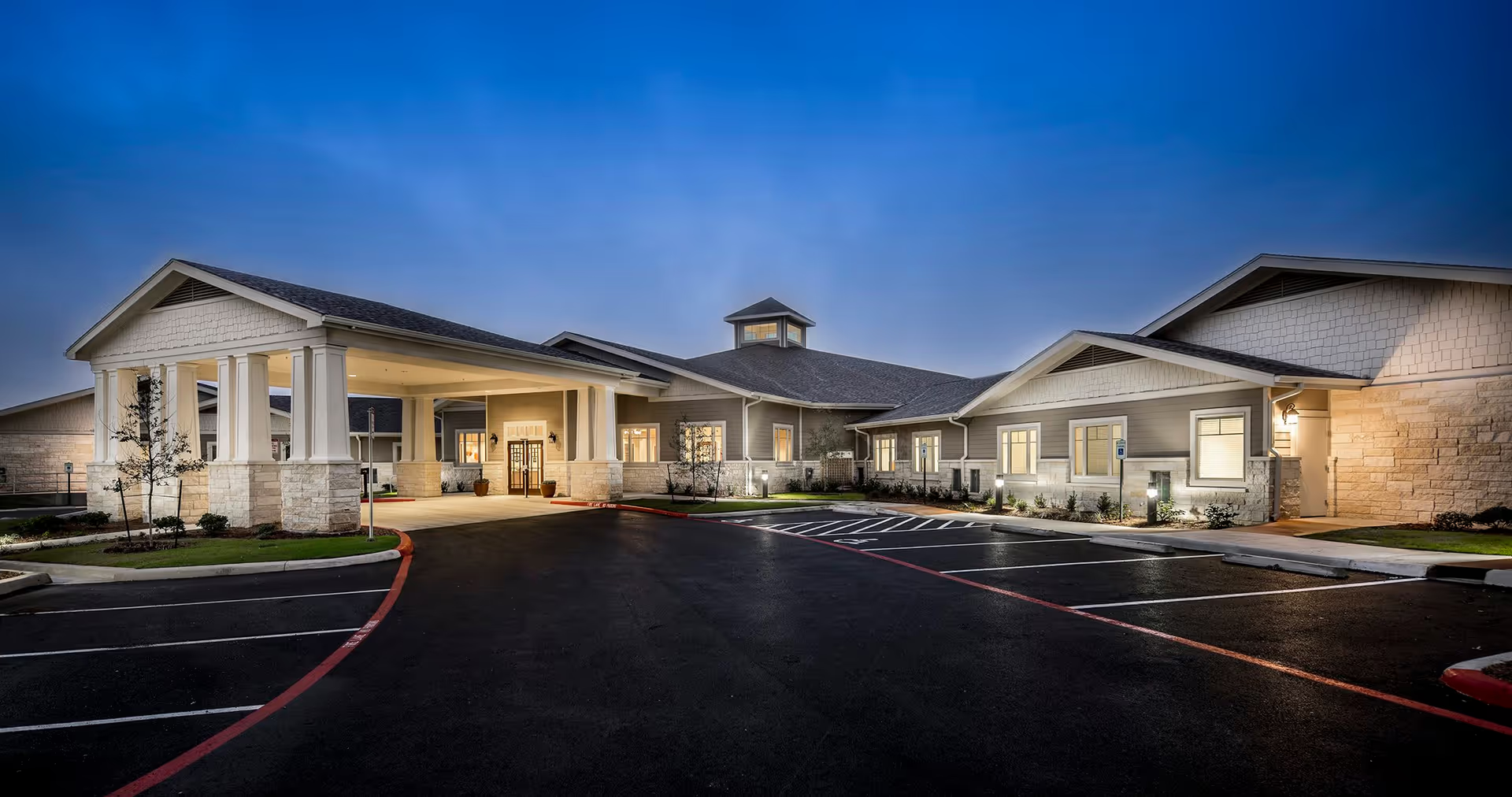
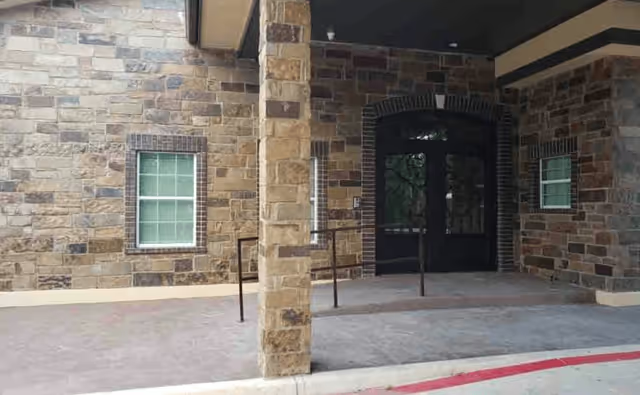
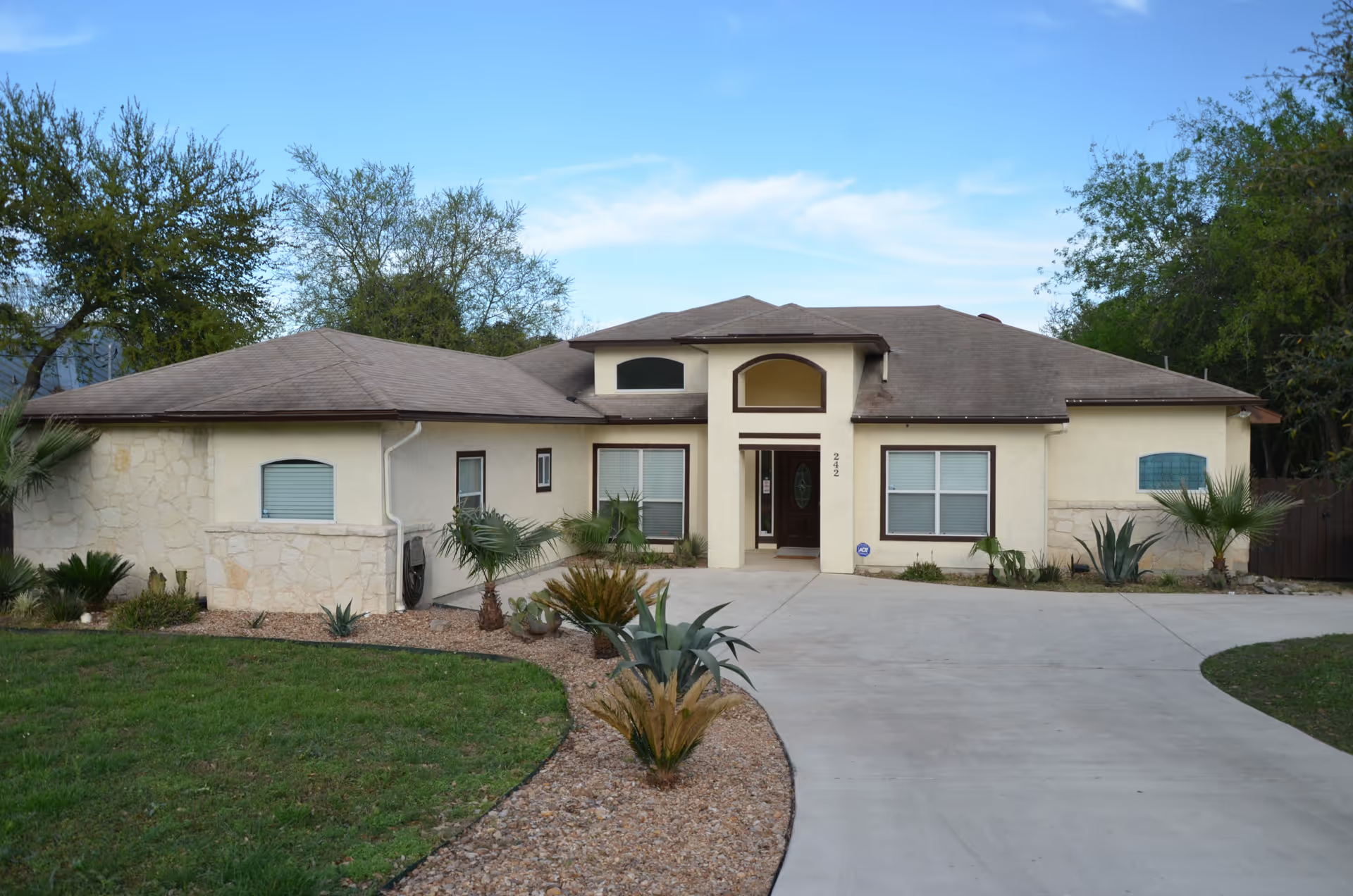
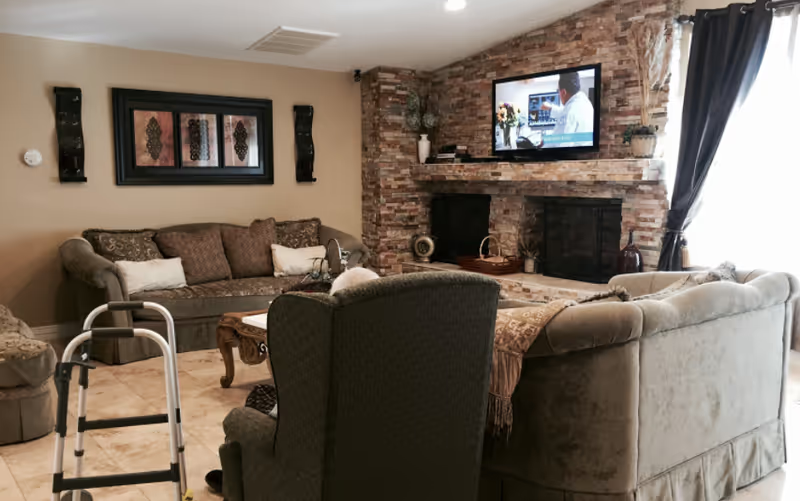
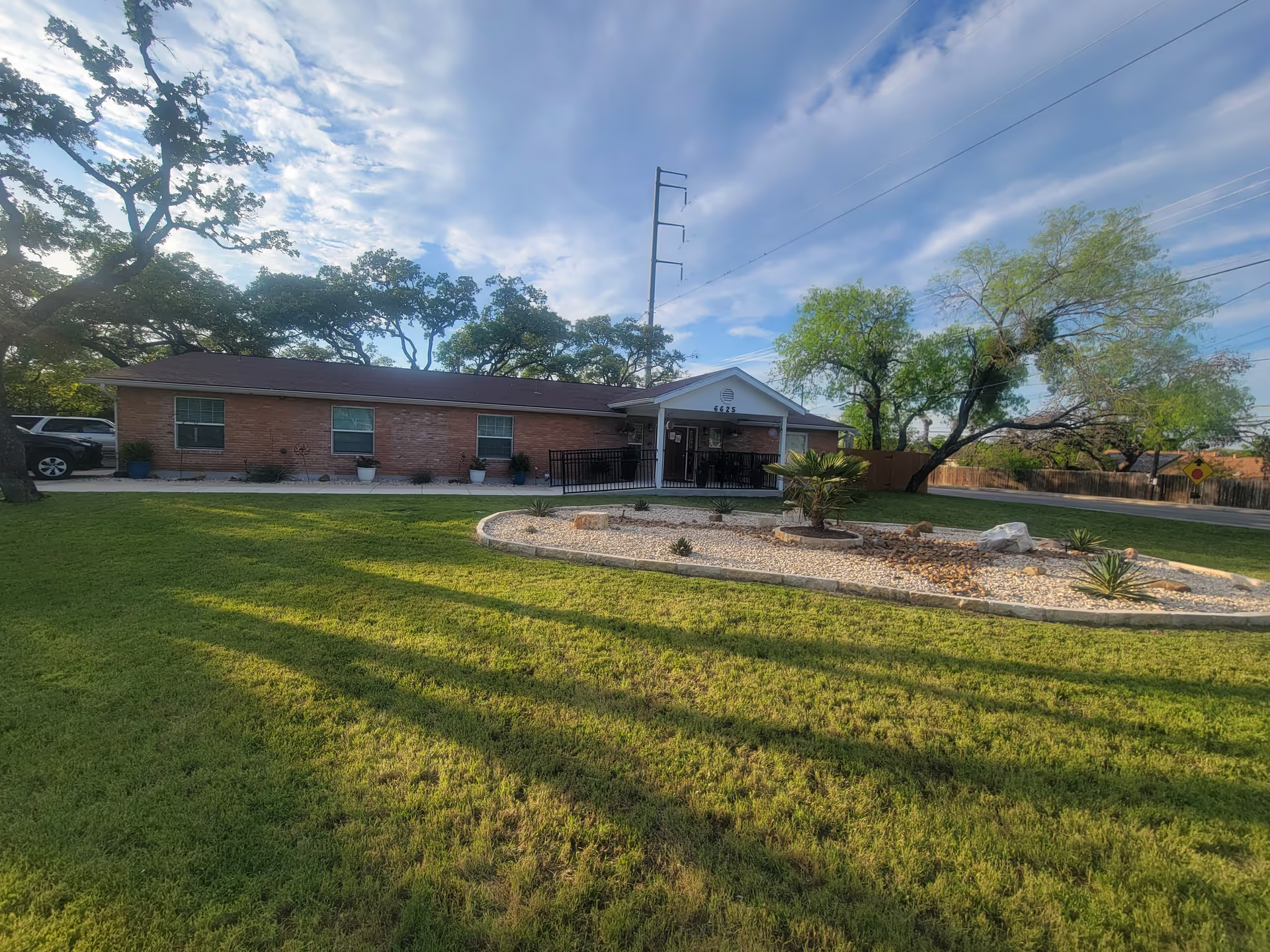
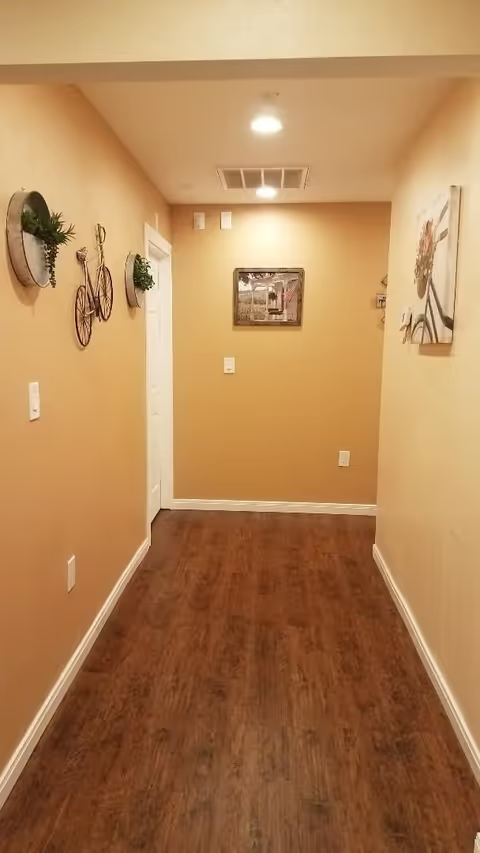
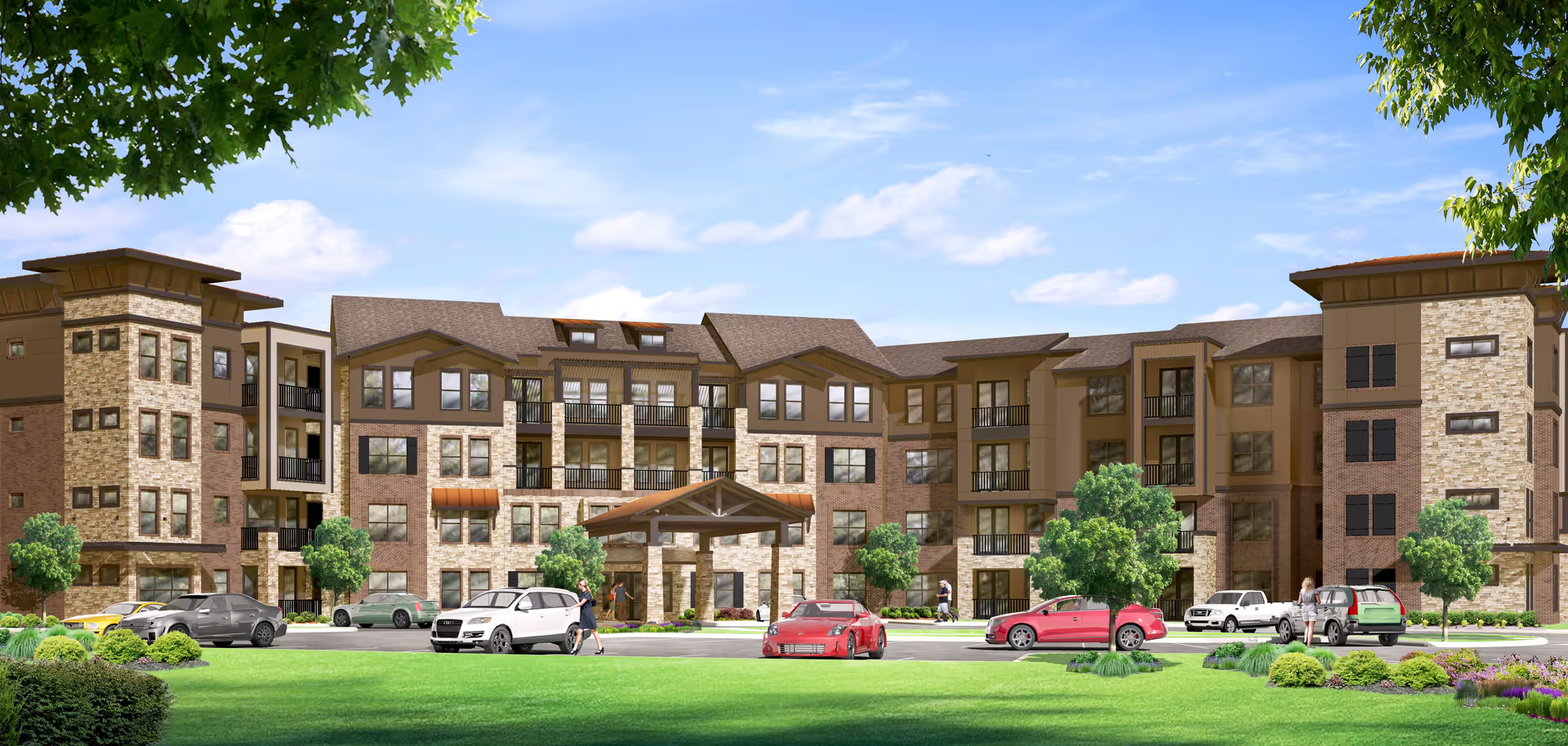
Facilities and amenities: The building, grounds, and many resident rooms are consistently described as clean, modern, and well maintained, with useful amenities such as a beauty salon, library, courtyard, and private-room options. At the same time, several reviewers noted uneven cleanliness between units, occasional odor concerns in common areas, and intermittent maintenance issues (room temperature controls, TVs, or common-area lighting) that suggest patchy environmental consistency.
Management, communication, and notable patterns: Admission and intake procedures are often smooth and well communicated; the admissions team and front desk are repeatedly highlighted. Yet there is a countervailing pattern of communication breakdowns around scheduling, family notification for transfers or discharges, and misplaced personal items. There are also isolated but serious allegations involving restrictive visitor practices and failures in consent/advance-directive communication; these individual claims merit follow-up with the facility and, if applicable, the resident’s legal representative. Overall, the dominant pattern is one of pronounced variability: when staffing, clinical coordination, and management presence align, residents and families report positive rehabilitation outcomes and a family-like atmosphere. When those elements are inconsistent, families report significant care, communication, and sanitation concerns.
Recommendation: Prospective residents and families should weigh the facility’s clear rehabilitation strengths and robust activities against the documented inconsistencies in clinical coordination, responsiveness, and communication. Practical due diligence items include asking about current staffing ratios, wound-care and medication protocols, call-button response times, discharge-communication procedures, and how the facility escalates and documents concerns. A short observational visit during different shifts may help assess whether the facility’s operational consistency meets the prospective resident’s needs.