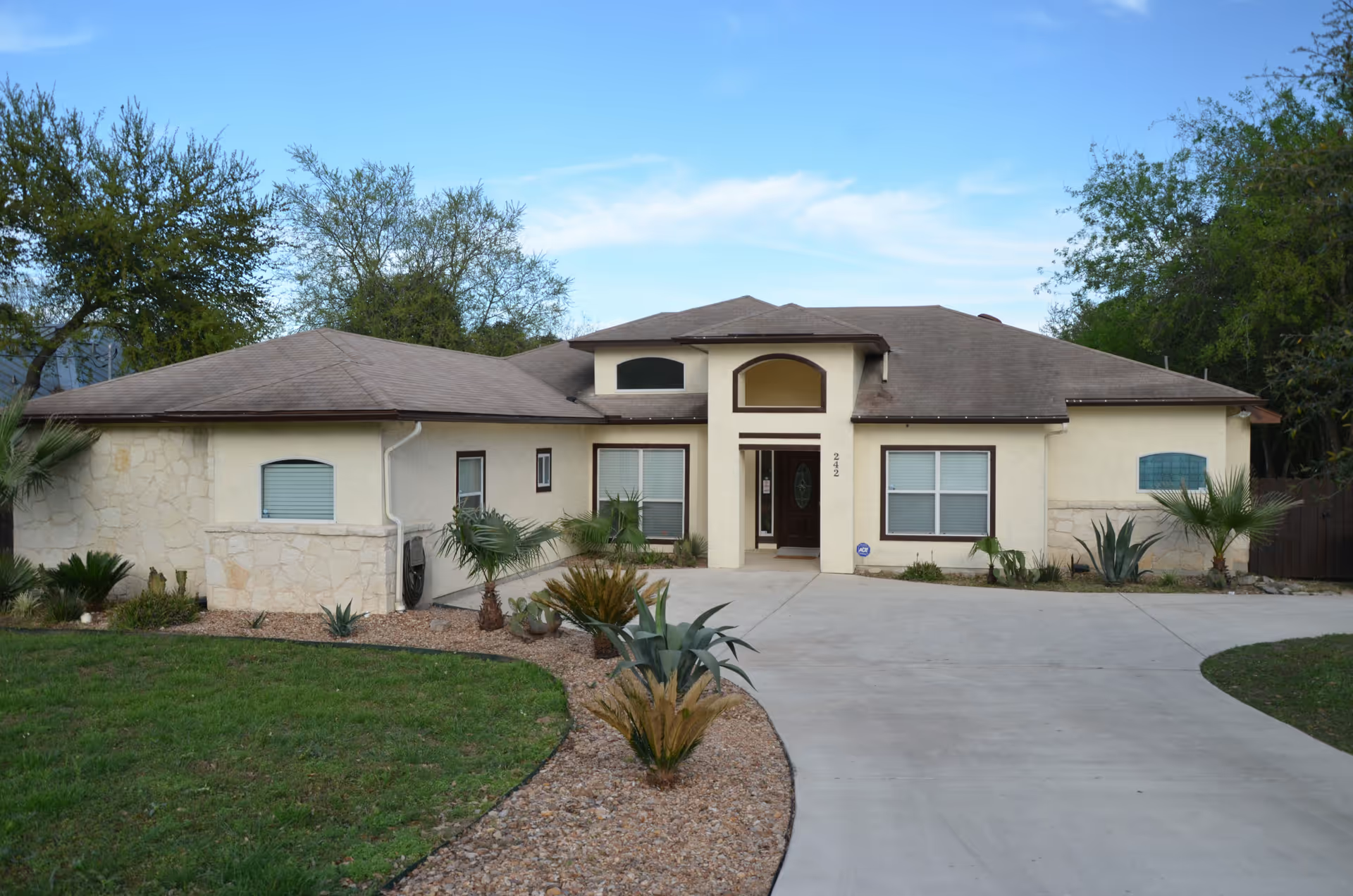
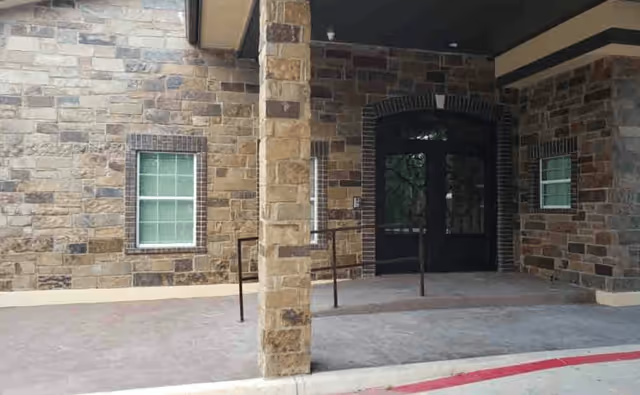
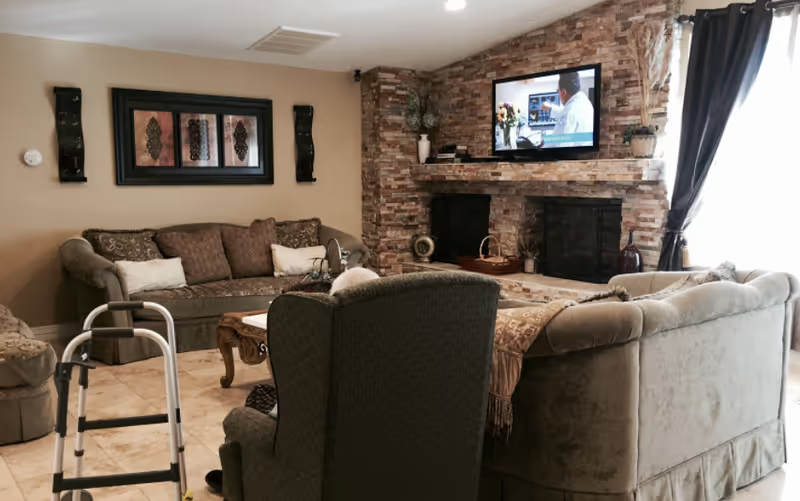
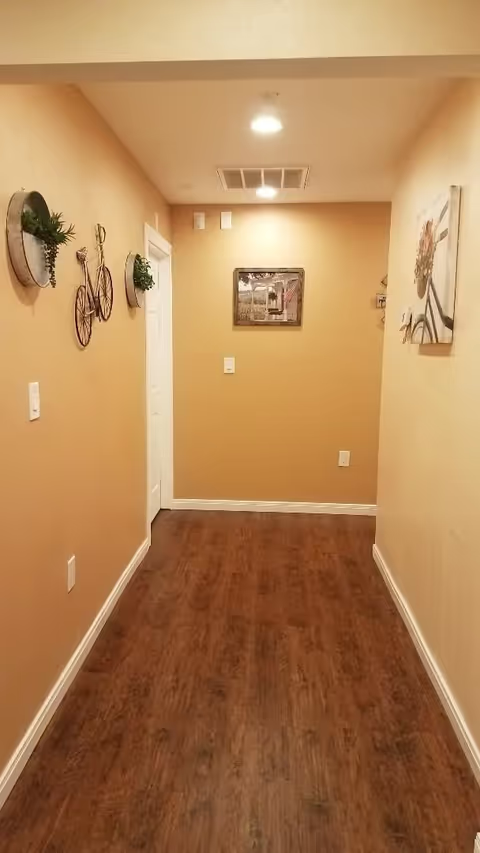
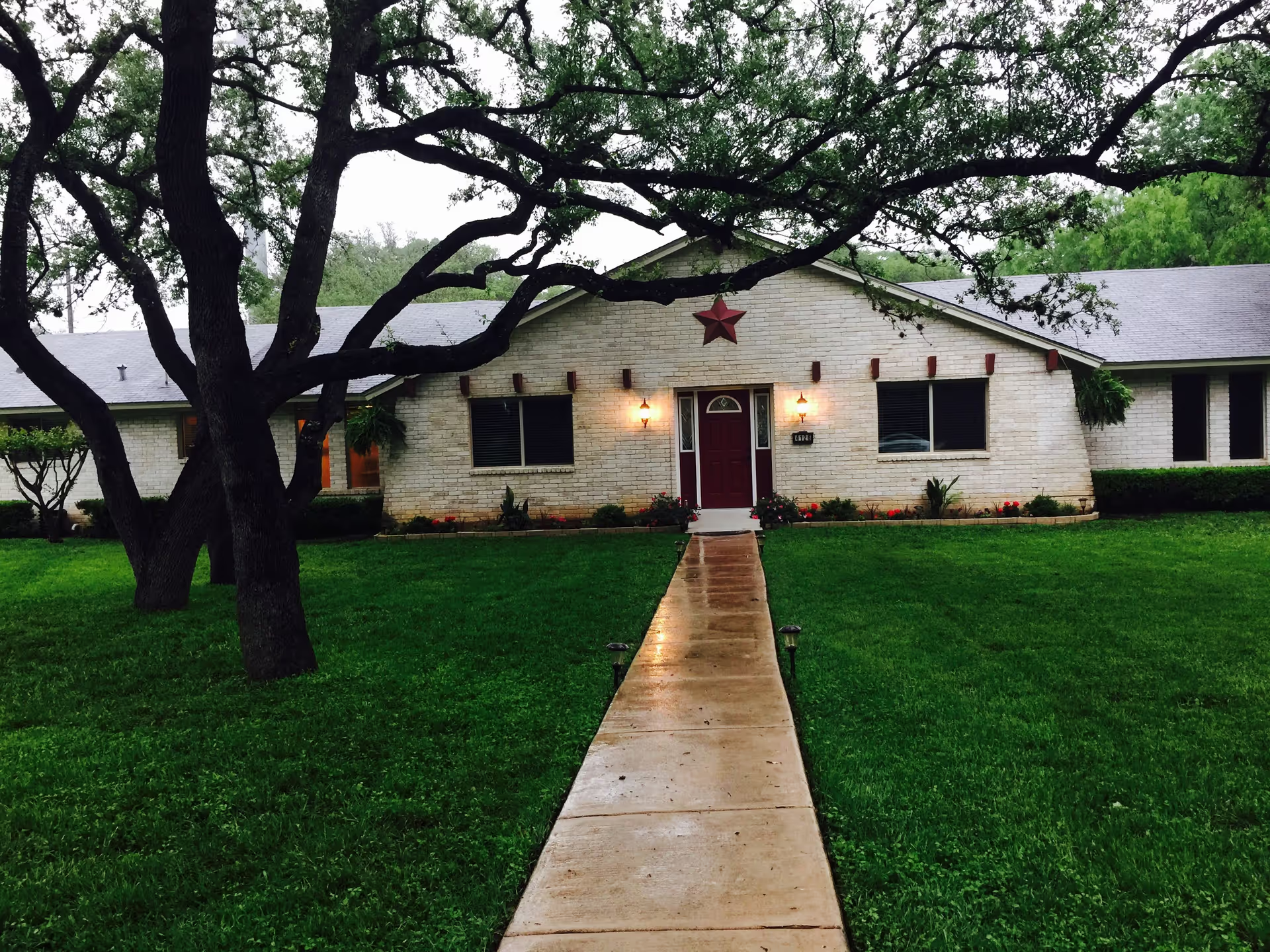
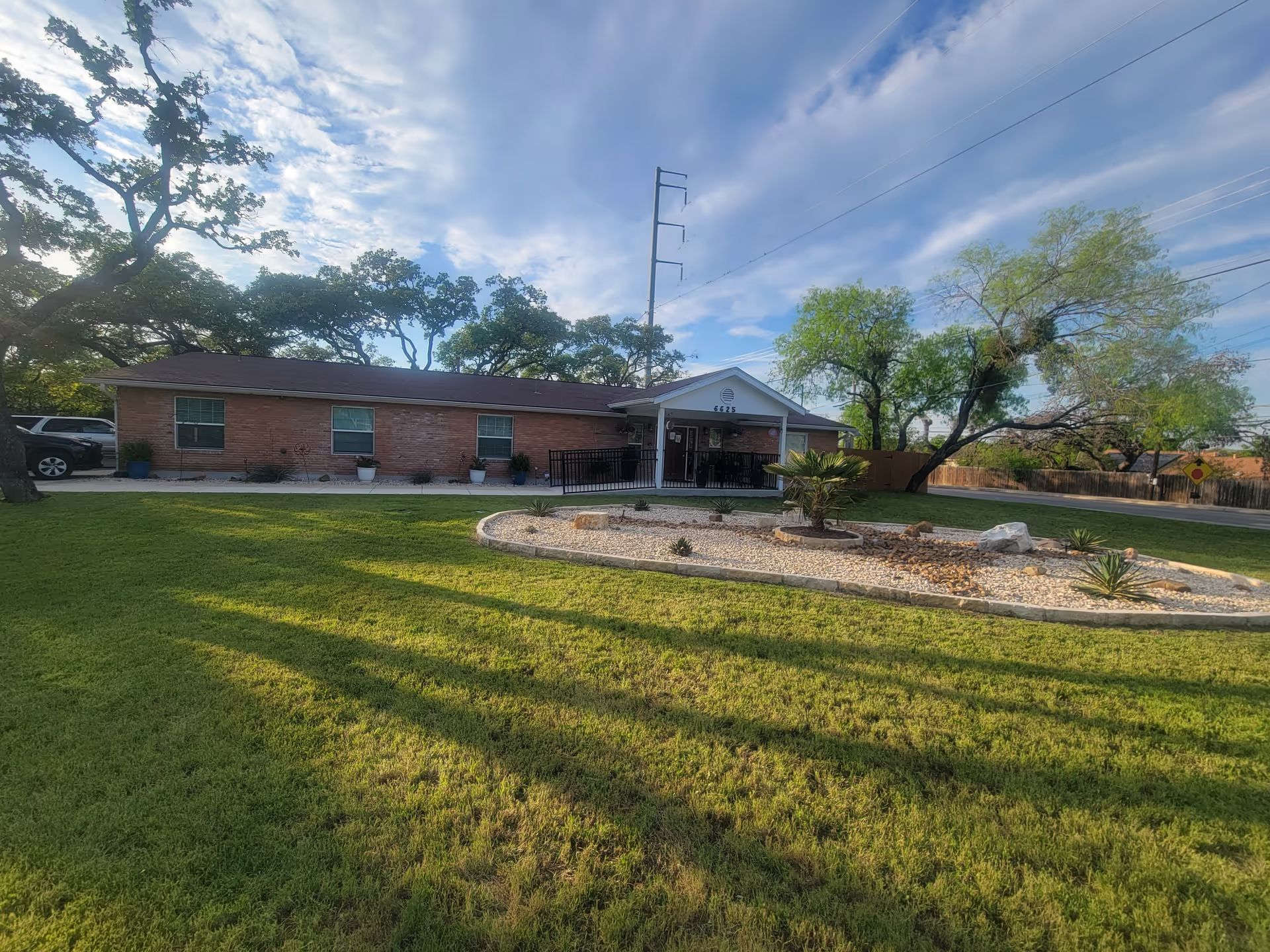
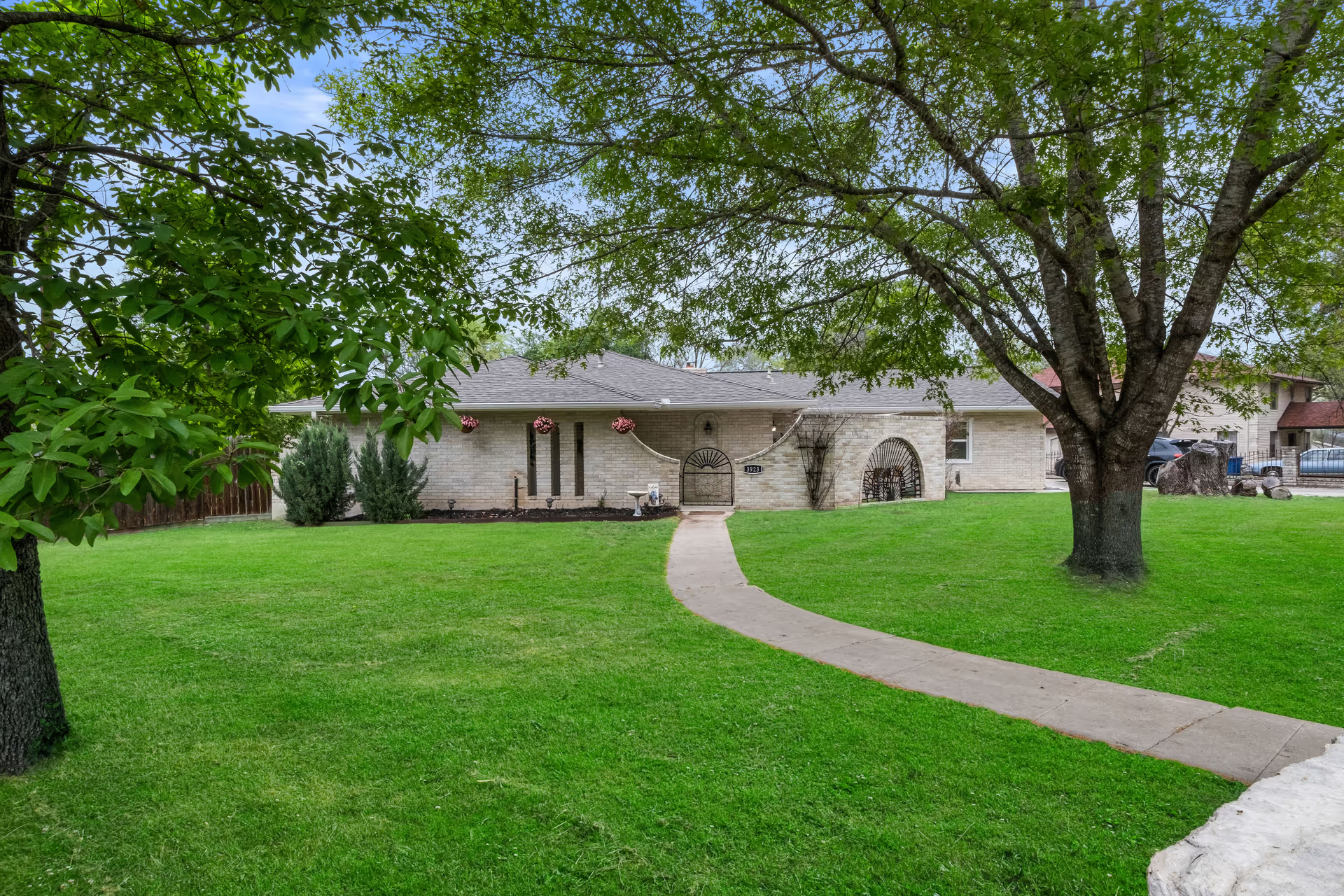
The reviews present a mixed but specific picture of Mendoza #2 Assisted Living. Strengths repeatedly described include a small, cozy environment with a multicultural resident population and Spanish-speaking staff. Many accounts emphasize courteous, professional caregivers, a clean and well-kept facility, spacious walker‑friendly rooms with televisions, and outdoor shaded seating. The community offers daytime activities and organized events, on-site physical therapy and physician visits, and a dedicated dining area with menus that some residents find varied and satisfying. For prospective residents seeking an affordable, smaller-scale setting that supports independence and social engagement, these attributes are notable.
Care quality is where the most notable variability appears. Several accounts describe attentive caregiving, positive clinical outcomes (for example, improved appetite and weight gain), and helpful staff responsiveness. Conversely, other accounts describe poor experiences, characterizing care as inadequate and pointing to lapses in routine attention. This divergence suggests inconsistent staffing practices or uneven care processes; families should verify current staffing levels, shift coverage, and care-plan continuity when evaluating the community.
Dining is another area of contrast. Some reviewers praise the menu variety and pleasant dining area; others describe limited or repetitive meal offerings and express concerns about nutritional adequacy and allocation practices. A few comments imply that staff meal practices or meal distribution priorities disadvantage residents. These observations point to operational gaps in meal-service consistency and nutrition oversight rather than a universal condition.
Communication and language access are mixed: the presence of Spanish-speaking staff is an advantage for Spanish-fluent residents, but other comments indicate family‑communication gaps and language barriers in some interactions. Management-related patterns also appear uneven. While some reviewers highlight attractive, budget-friendly pricing (including mentions of rates under $2,000/month), others perceive the cost as high relative to the care they experienced, and some feel the facility places greater emphasis on aesthetics than on clinical attention. Availability is sometimes constrained and depends on unit openings.
In summary, Mendoza #2 shows clear operational strengths for families prioritizing affordability, a small bilingual community, accessible activities, and on-site therapy services. However, the facility exhibits variability in care consistency, meal-service practices, and communication. Prospective residents and families should tour during mealtime, meet caregiving staff across shifts, ask for current staffing ratios and sample menus, confirm language-support arrangements, and obtain references from current families to assess whether the facility’s operational practices align with their care expectations.