Reviews reflect a facility with clear strengths at the point of direct care and notable operational weaknesses. Many families describe caring, familiar frontline staff and therapy teams who provide hands-on assistance and measurable functional gains. On-site licensed nurses and therapists, an active activities department, and instances of prompt emergency attention are consistently identified as positive elements of the resident experience. Changes in leadership were also described as producing visible improvements in responsiveness and morale by some family members.
Care quality is mixed. Positive accounts emphasize compassionate CNAs and nurses who provide regular updates and personalized interactions. Conversely, several families described clinically important inconsistencies: delays in medication delivery, uneven management of oxygen and medical equipment, and interruptions in routine clinical monitoring. There are also concerns following certain adverse outcomes and hospital transfers that have led families to question clinical responsiveness and follow-up processes.
Staffing and communication present a bifurcated picture. Frontline caregivers and certain nurses and activity staff are praised for warmth and engagement, while other reviewers described unhelpful or brusque interactions with nursing leadership, front-desk staff, or phone support. Long hold times, lack of return calls, and inconsistent family communication were recurring operational complaints. These communication gaps extend to coordination of transfers and responses to urgent needs.
Dining and activities vary across reports. The kitchen and dietary leadership receive positive mention for specific meals and for addressing feedback, and therapy-driven programs appear to improve some residents' outcomes. At the same time, reviewers noted inconsistent meal quality, occasional service interruptions, and uneven availability of group activities or meaningful programming for residents.
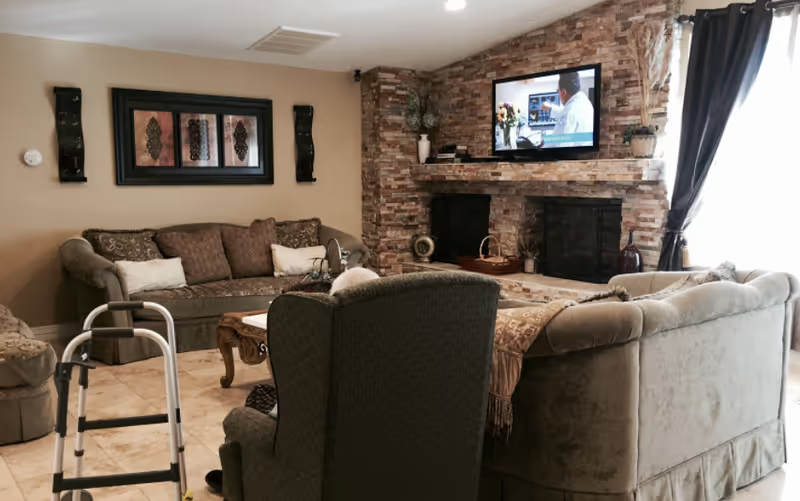
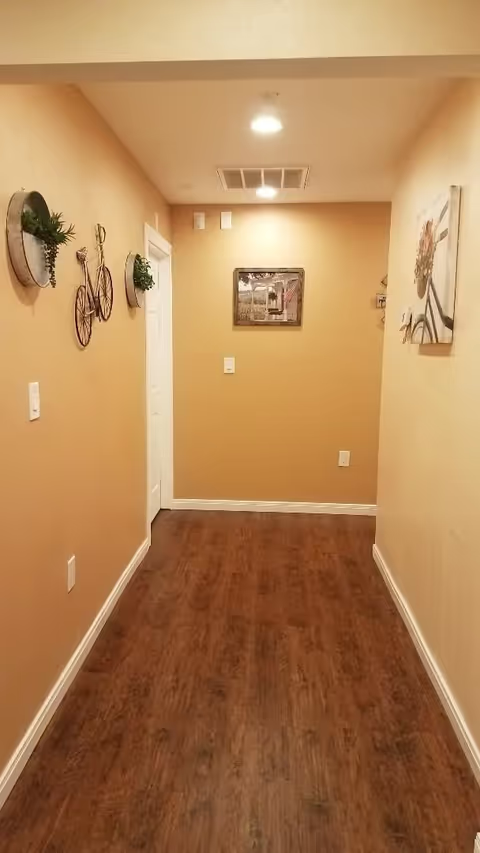
Facility condition and safety raise practical concerns. Multiple accounts cite sanitation and pest-control issues, odor concerns in common areas, cramped double-occupancy rooms, and accessibility problems such as hard-to-reach call buttons and bed controls. There are also allegations regarding missing personal items and questions about security of residents' belongings. Ongoing construction and disorganization in some public areas were noted as factors that may affect resident comfort and safety.
Overall, the facility appears to offer valuable hands-on caregiving and therapy services with strengths in personalized interaction and some administrative efforts to improve. However, operational problems — notably inconsistent staffing, medication and equipment management, communication gaps, and environmental sanitation — create variability in resident experience. Prospective residents and families should tour the building, ask specifically about staffing ratios, medication and oxygen-management protocols, infection-control and pest-control measures, property-security policies, and the current activities schedule. Checking recent inspection citations and speaking directly with nursing leadership about care processes will help clarify whether the facility’s strengths align with a family’s priorities.