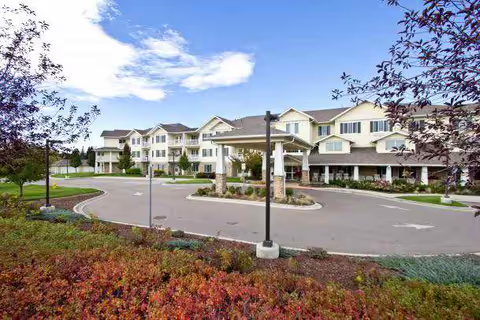
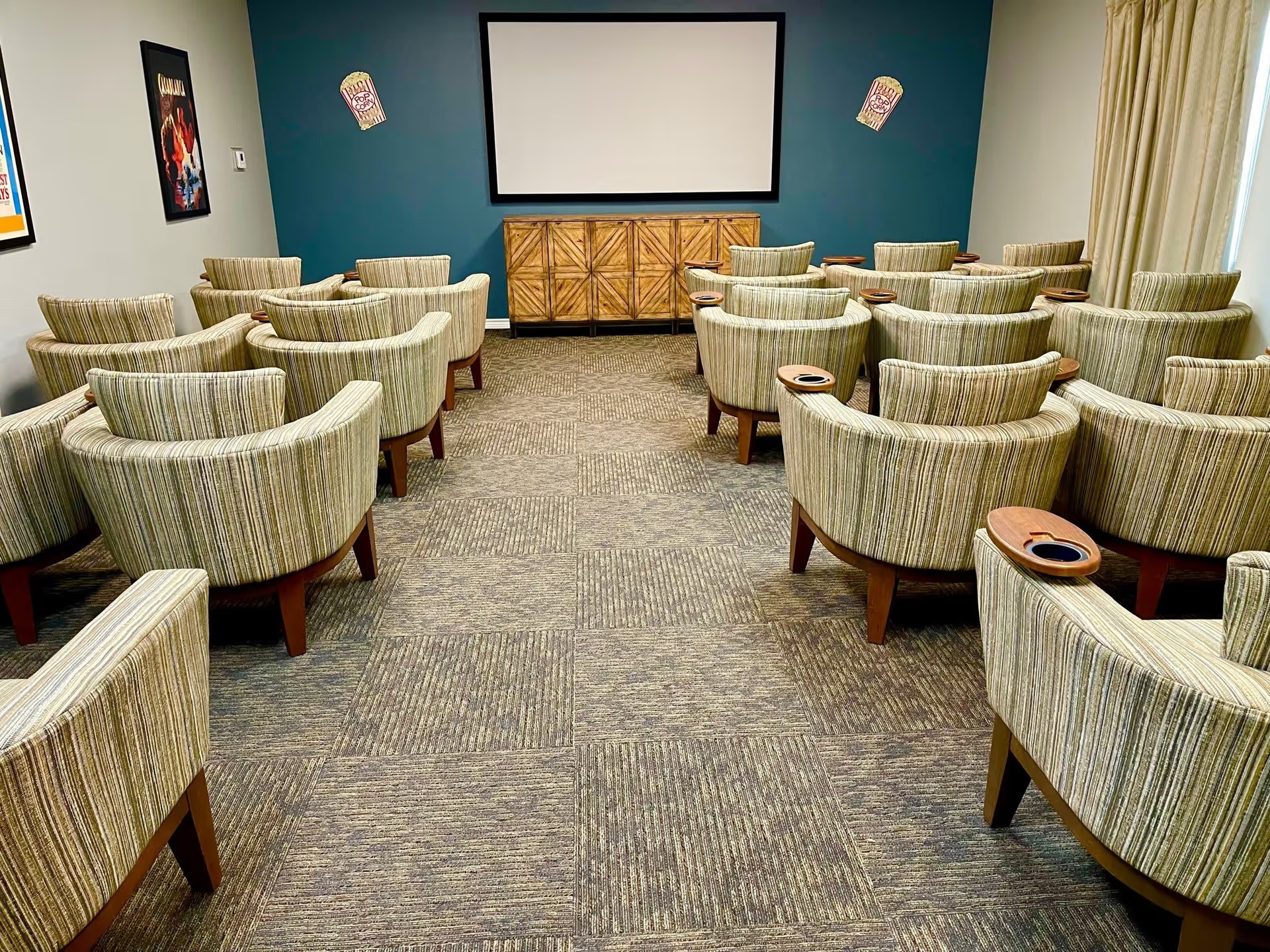
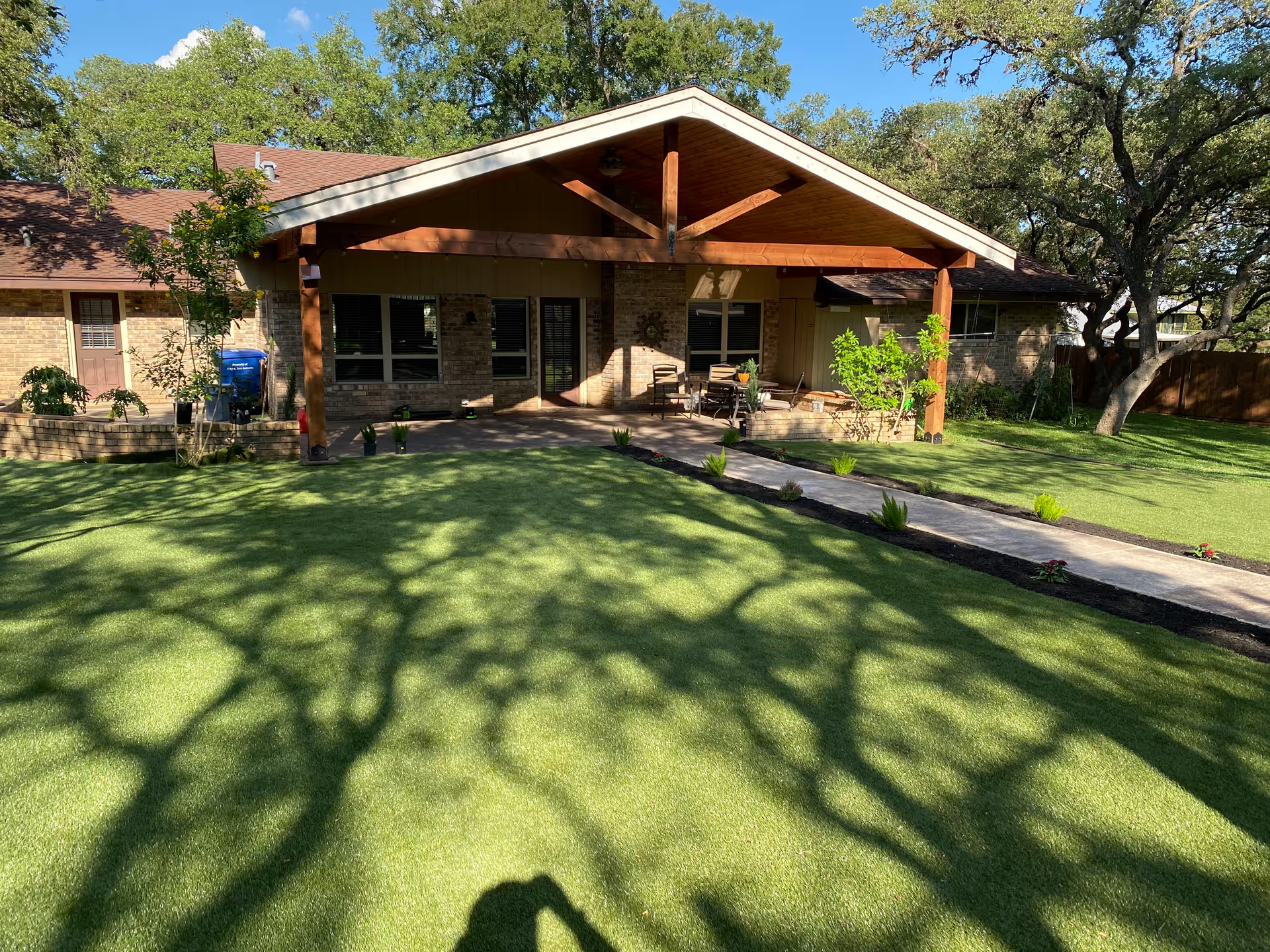
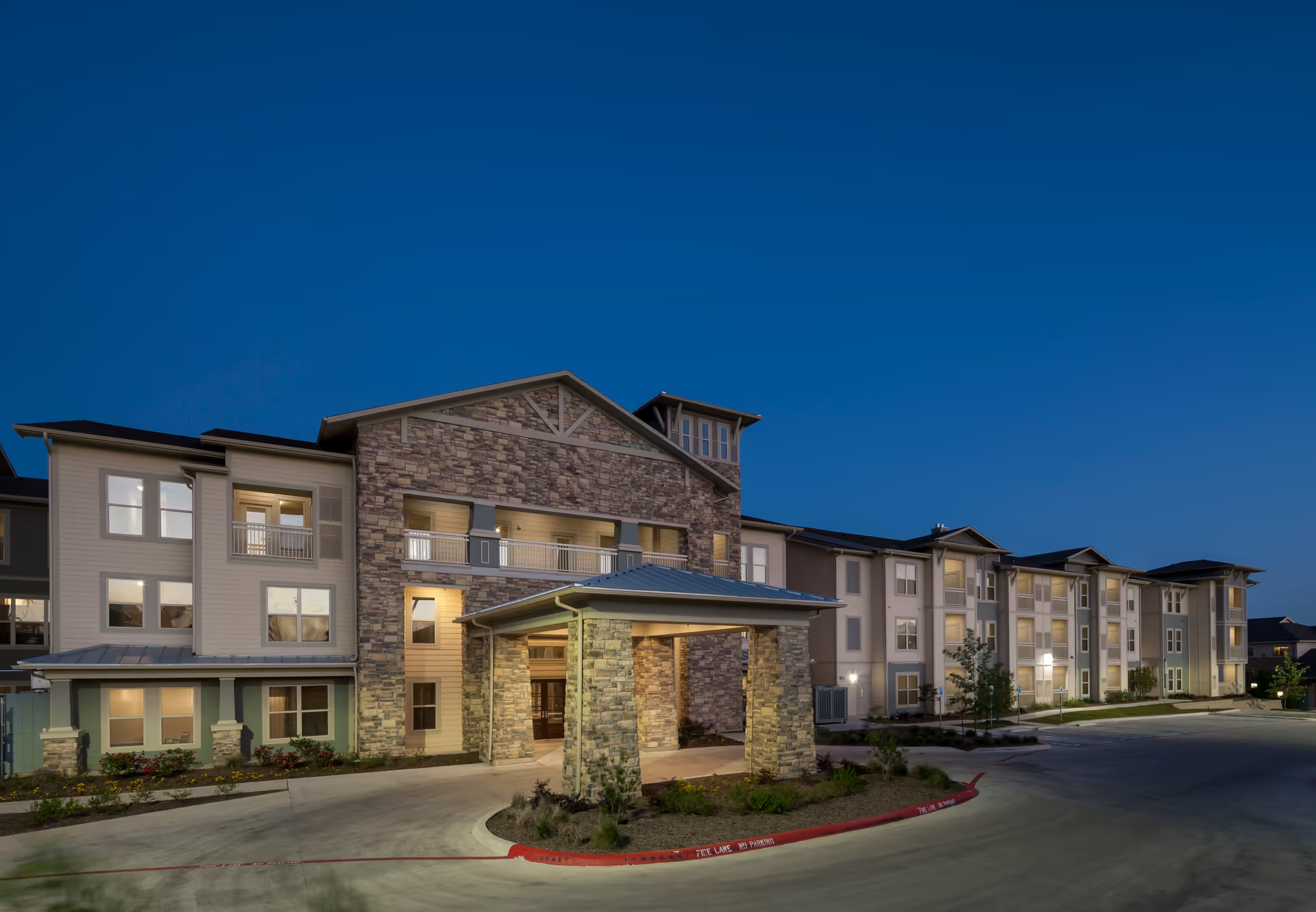
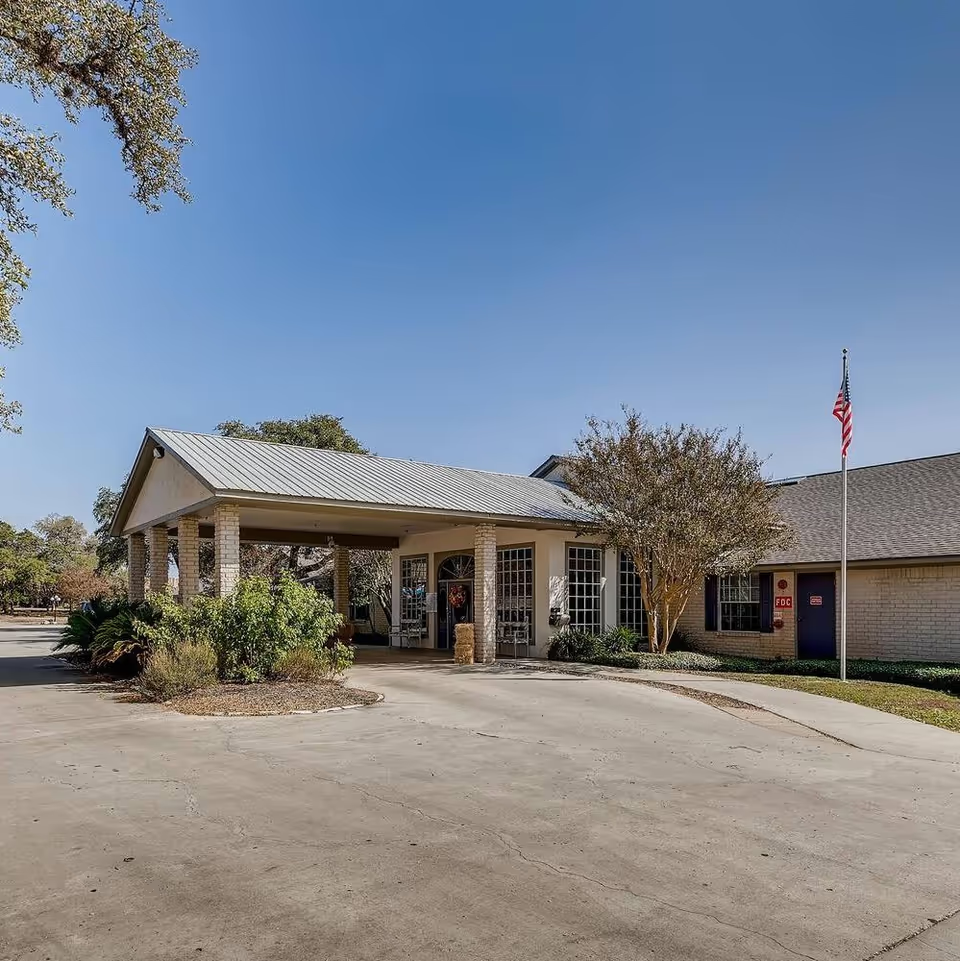
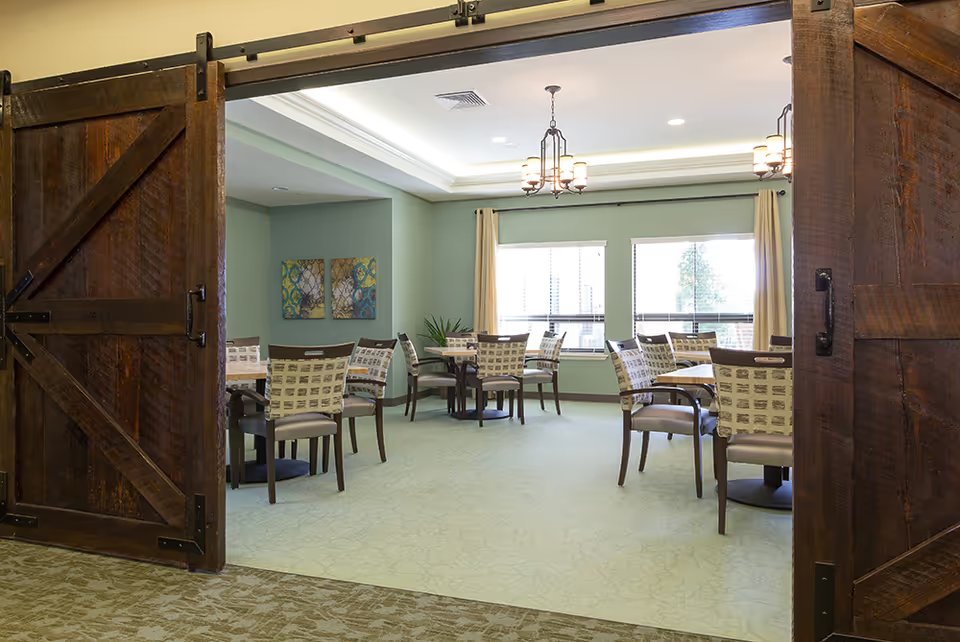
Across the combined reviews the facilities are consistently praised for a clean, well-maintained physical environment, attractive decor, and neighborhood-style layouts that many families find easy to navigate. Common strengths include secure, dedicated memory-care neighborhoods, 24/7 licensed nursing coverage and emergency pendant systems, and suites that are generally described as spacious and inviting. Both communities are favorably located near medical centers, and reviewers often highlight convenient access, landscaped courtyards, and pleasant common spaces.
Staff quality is a frequent positive: reviewers describe caregivers, nurses, and front-desk personnel as attentive, compassionate, and responsive. Many families reported clear, helpful communication from staff and appreciated individualized attention during transitions and admissions. At the same time, a recurrent operational pattern is inconsistent staffing levels and notable turnover; reviewers linked those staffing issues to supervision gaps, shift-to-shift miscommunication, and periods when families perceived reduced responsiveness—particularly overnight and during certain shifts.
Dining and programming are important differentiators. Multiple dining formats, restaurant-style meals, continual snacks, and a hardworking culinary team earn praise; several reviewers described nutritious, appealing meals and an active dining culture. However, dining quality and variety were described as uneven in some accounts, with menu repetition and limited evening meal choices noted. Activities are a strong point overall: lively calendars, frequent outings, animal visits, exercise classes, and thematic common areas were frequently mentioned. That said, activity staffing and coverage appear variable by time of day—evening programming and weekend structure were cited as areas needing strengthening, and activity-director turnover has affected continuity in some instances.
Facility features and layout present mixed observations. Reviewers praised courtyard spaces, walking paths, and specialty neighborhoods, but also described variability in unit layouts, small walk-in showers lacking benches, hard flooring that may increase fall risk, and locked or limited outdoor areas that reduce free access. Some parts of the properties were described as dated or dimly lit; prospective residents should note that appearance and furnishings can vary across wings and building models.
Management and operational transparency show both strengths and weaknesses. Families often commended staff for supportive transitions, hospice coordination (including facilitating hospice changes when needed), and helpful admission processes. Conversely, several reviewers reported inconsistent tour experiences, unclear pricing details (including extra charges for memory care, pet rent, meal delivery, and respite minimums), and occasional lapses in caregiver continuity tied to leadership and staffing changes. These patterns suggest it is productive for prospective families to ask specific, current questions during tours about staffing ratios by shift, evening activity schedules, sample menus, in-unit bathing options, outdoor access policies, and any additional fees.
Overall, these facilities present as well-maintained, activity-rich communities with strong elements of clinical coverage and family-oriented care. The primary operational risks to evaluate further are staffing consistency, evening programming depth, and variability in dining and unit configurations. Families seeking placement should validate current staffing levels, observe an evening or weekend activity period if possible, and confirm fee structures and in-unit amenities during the tour to ensure alignment with their expectations and care needs.