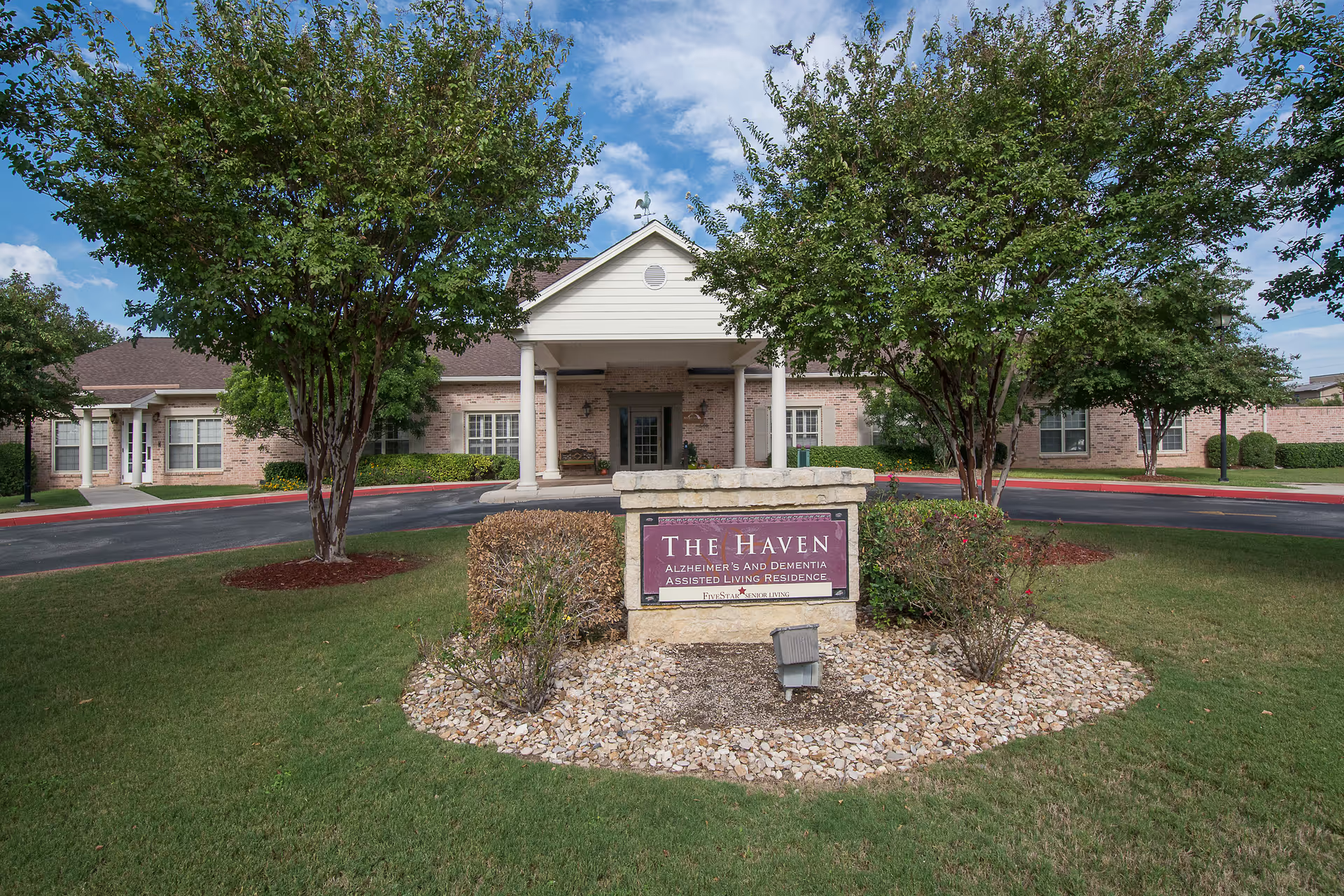
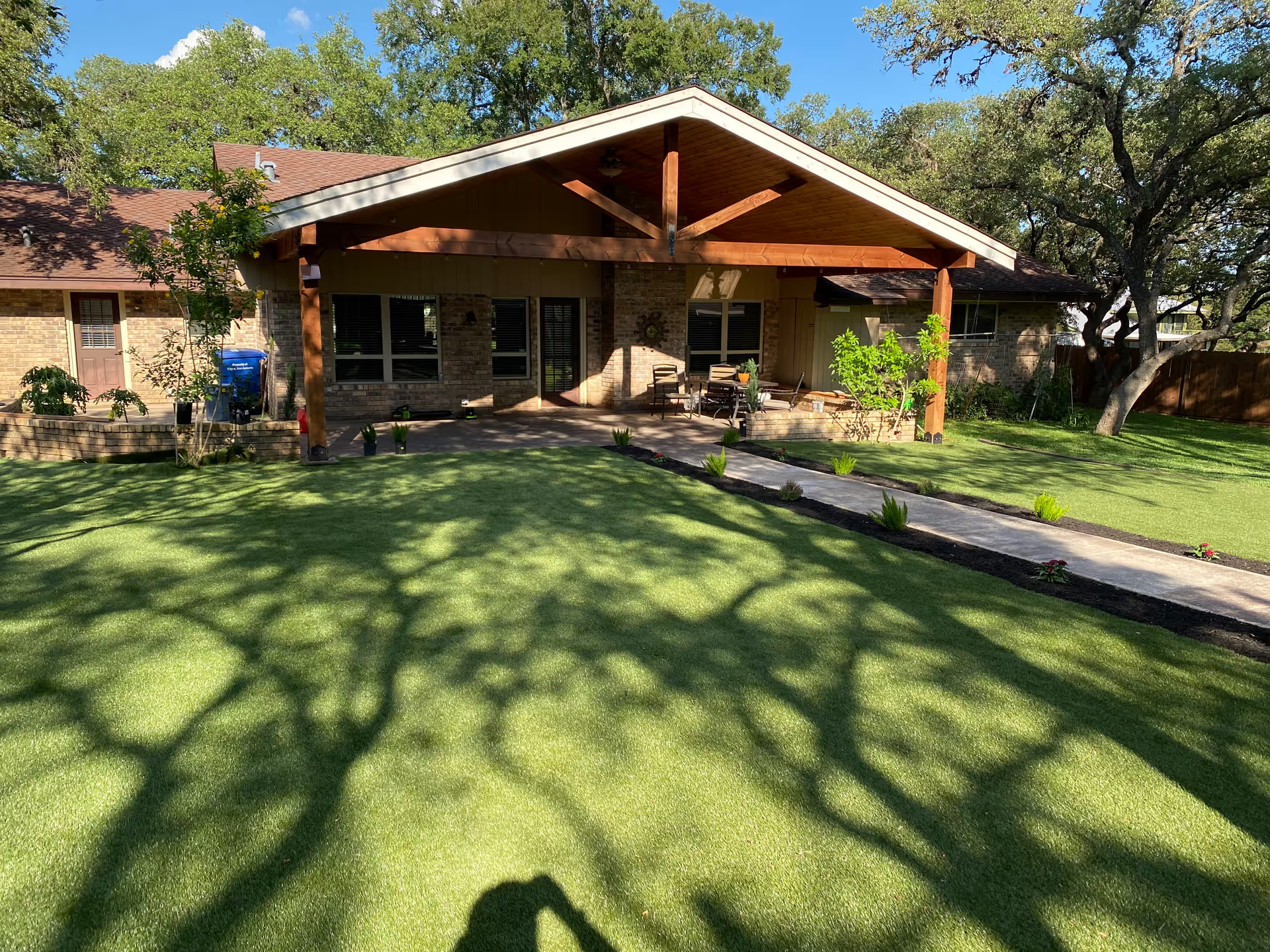
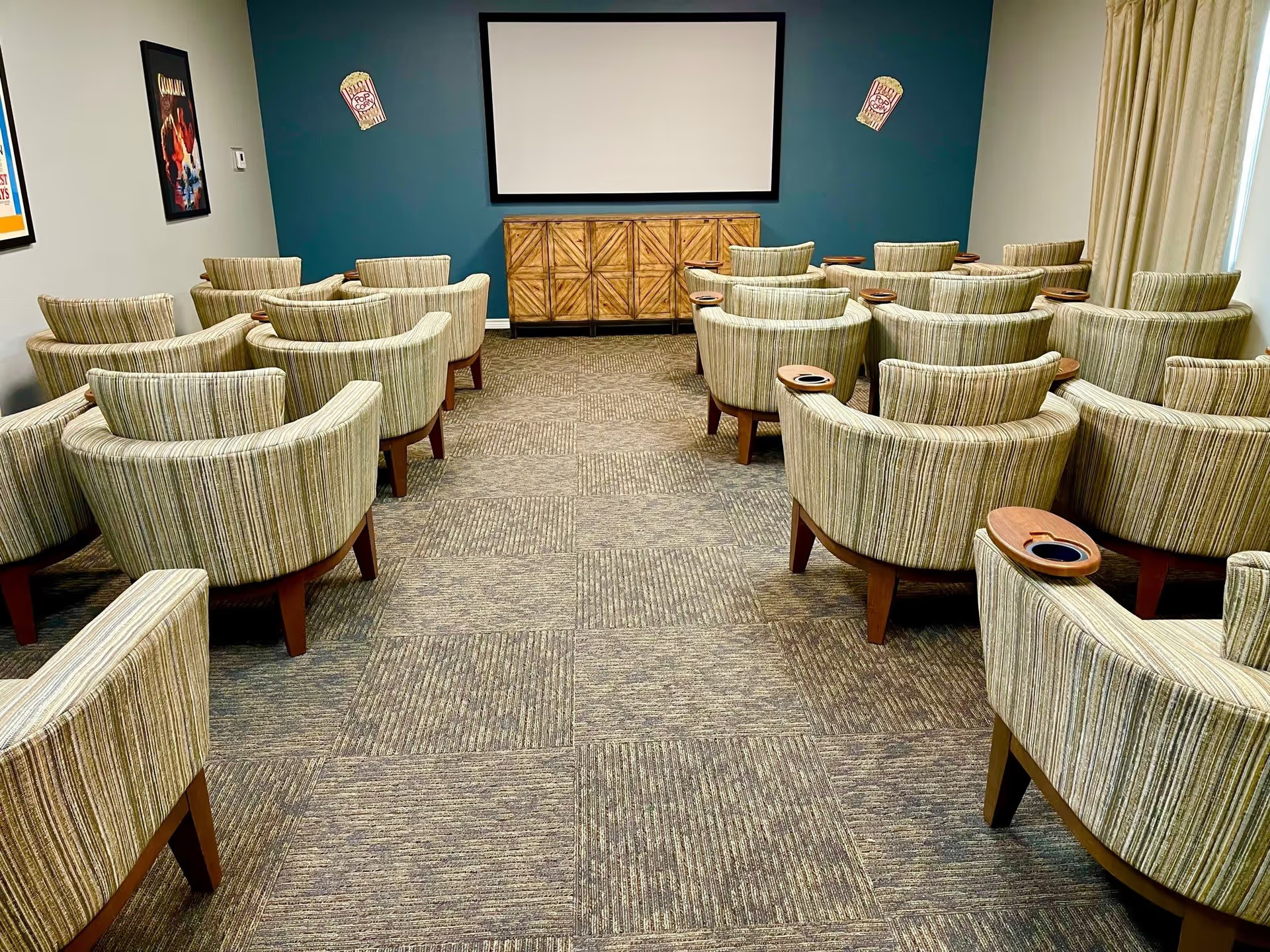
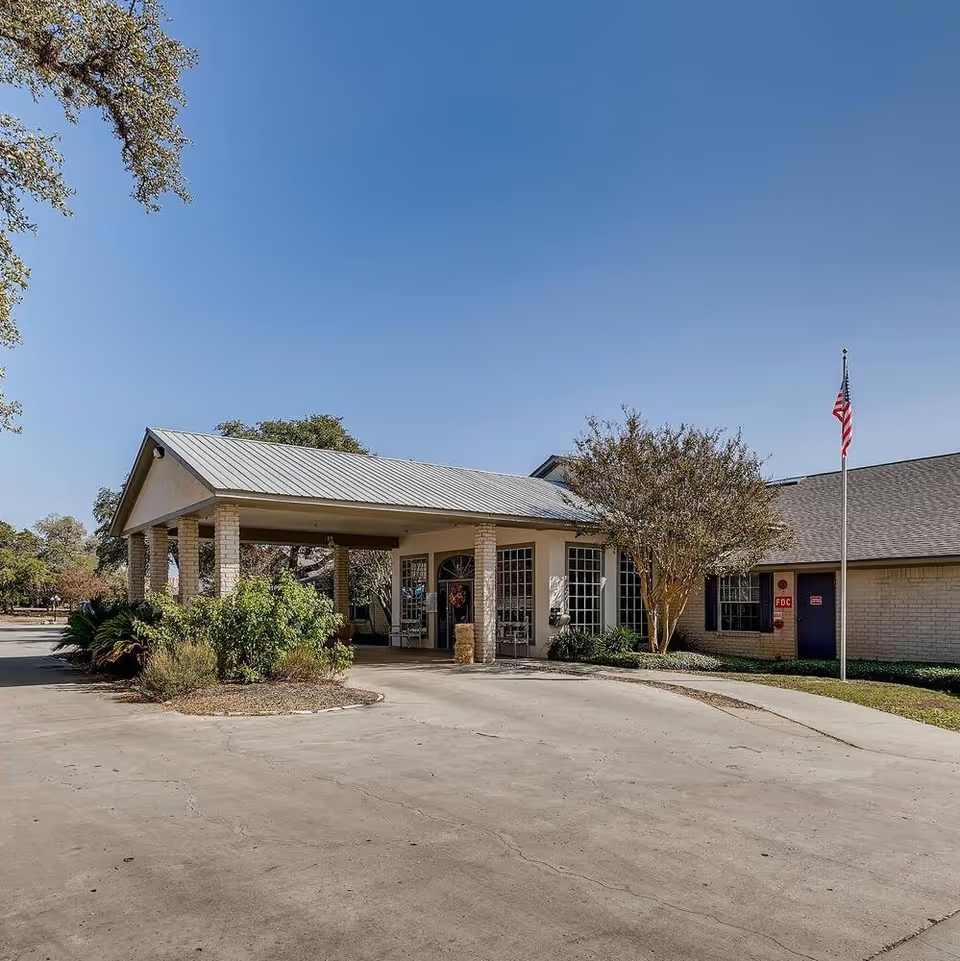
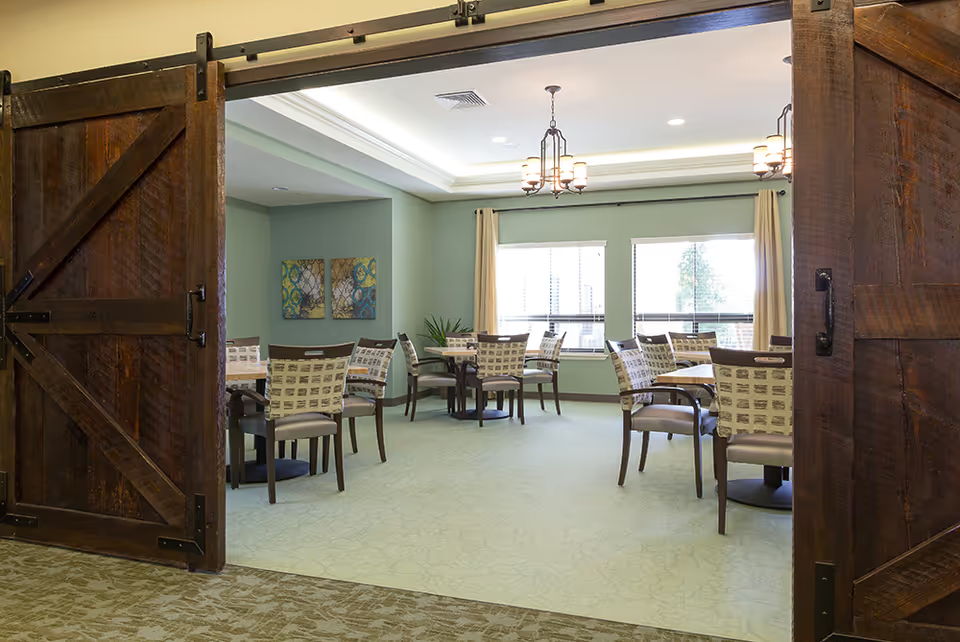
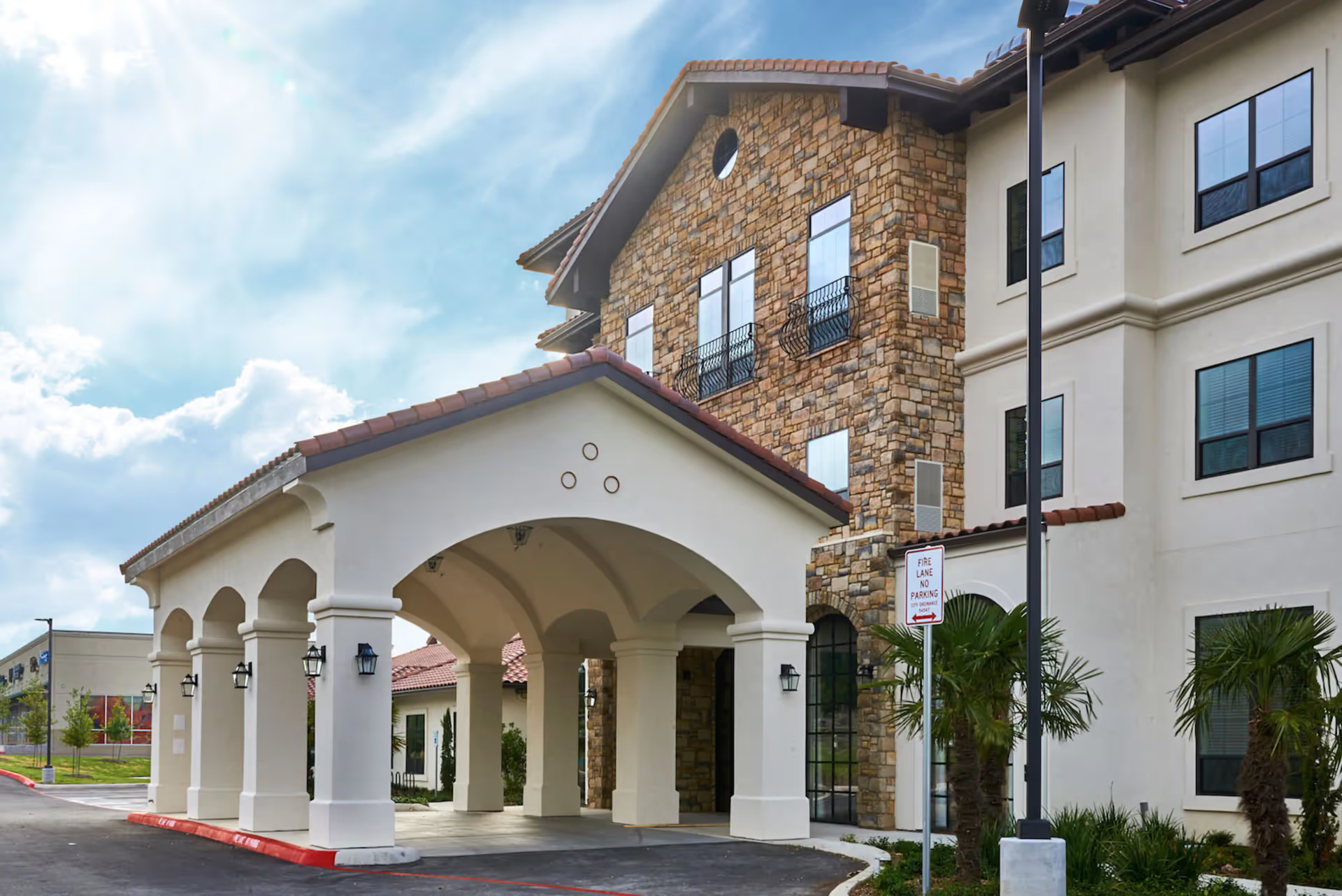
The Landing at Stone Oak Memory Care elicits strongly polarized impressions. Many families highlight warm, compassionate caregiving, a family-like atmosphere, and a Montessori-style memory-care approach supported by 24/7 nursing. Reviewers commonly praise the facility’s physical environment — clean, well-maintained common areas, inviting outdoor courtyard, comfortable resident rooms, and restaurant-style dining — as well as robust engagement programming (art, exercise, themed events, and regular outings) and on-site therapy/rehabilitation services.
At the same time, a substantial set of concerns recurs across reviews. Staffing inconsistency and turnover are frequently mentioned as underlying contributors to problems: when staffing or handoffs falter, families describe delays in personal care (bathing/shaving schedules), incontinence-care delays, and slow response to assistance requests. Several accounts point to shortcomings in medication administration and monitoring (missed evening doses, documentation gaps), and some describe clinical instability after admission that required emergency care; these indicate gaps in medication-administration controls and post-admission clinical follow-up.
Dining and nutrition are another mixed area. Some families applaud the meals, dietary accommodations, and restaurant-style presentation; others raise concerns about menu quality, high use of starches and processed items, and inconsistent adherence to prescribed texture-modified/mechanical diets. Where diet protocols are not consistently followed, reviewers expressed worry about choking risk and weight loss, suggesting uneven implementation of individual care plans.
Operational and administrative weaknesses appear repeatedly: problems with shift-to-shift communication, record-keeping, billing or admissions paperwork delays, and occasional lapses in personal-property tracking. Safety-related patterns include fall-prevention and transfer-safety weaknesses and instances where access-control practices were unclear or interfered with family access. While some reviewers credit management and the executive director with responsiveness and marked improvement under new leadership, others describe slow or inadequate follow-up on serious concerns — a variability that signals uneven leadership continuity.
Overall, the facility delivers many elements families value in memory-care communities: an engaging activity program, a secure and pleasant environment, therapy services, and a team that, at its best, provides compassionate, individualized care. However, prospective families should be mindful of documented variability in staffing, medication protocols, personal-care consistency, administrative processes, and sanitation practices. Verifying current staffing levels, medication-administration safeguards, diet-adherence procedures, property-handling policies, and recent regulatory or inspection outcomes will help assess whether the program’s strong features are reliably in place at the time of admission.