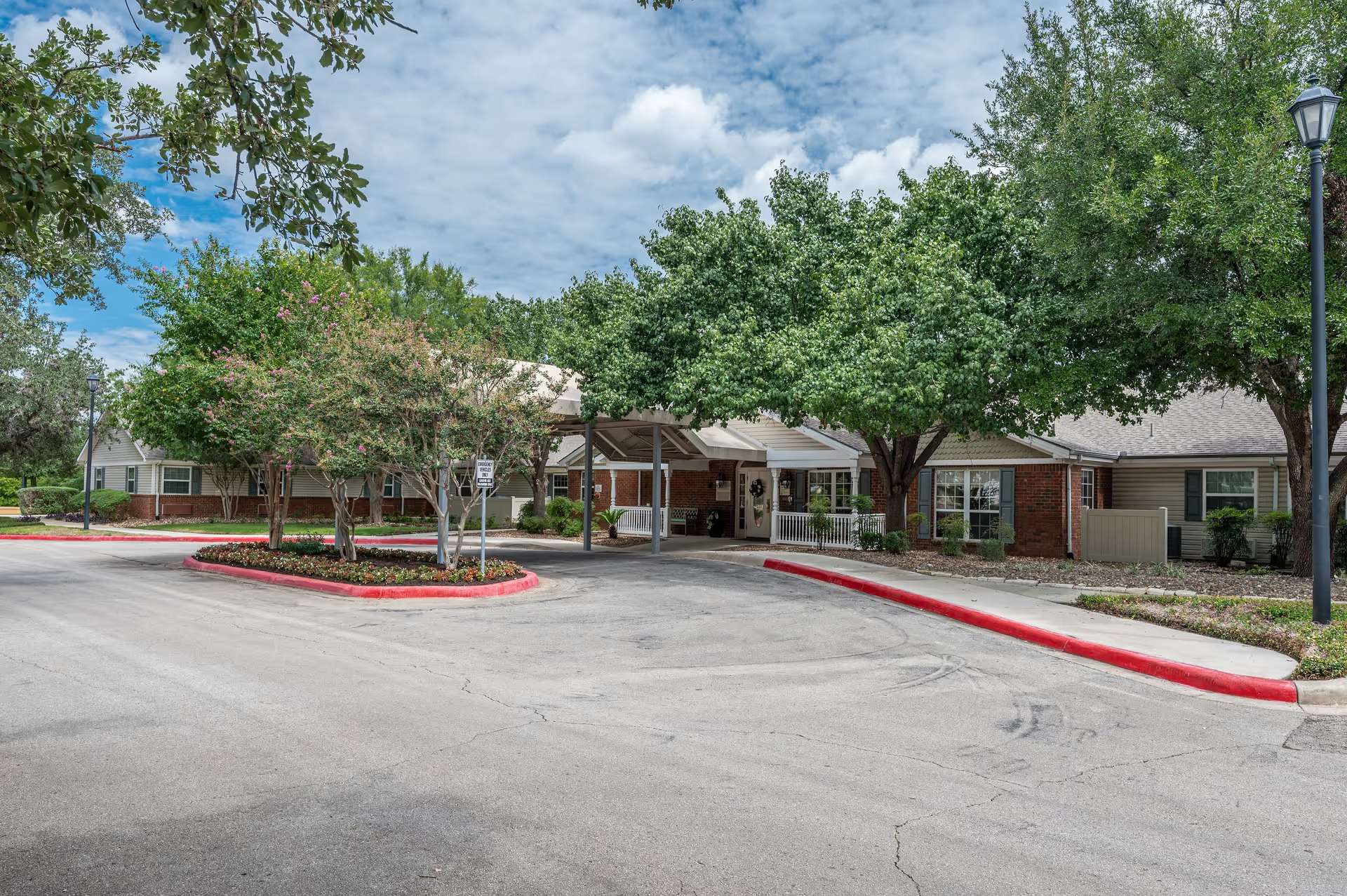
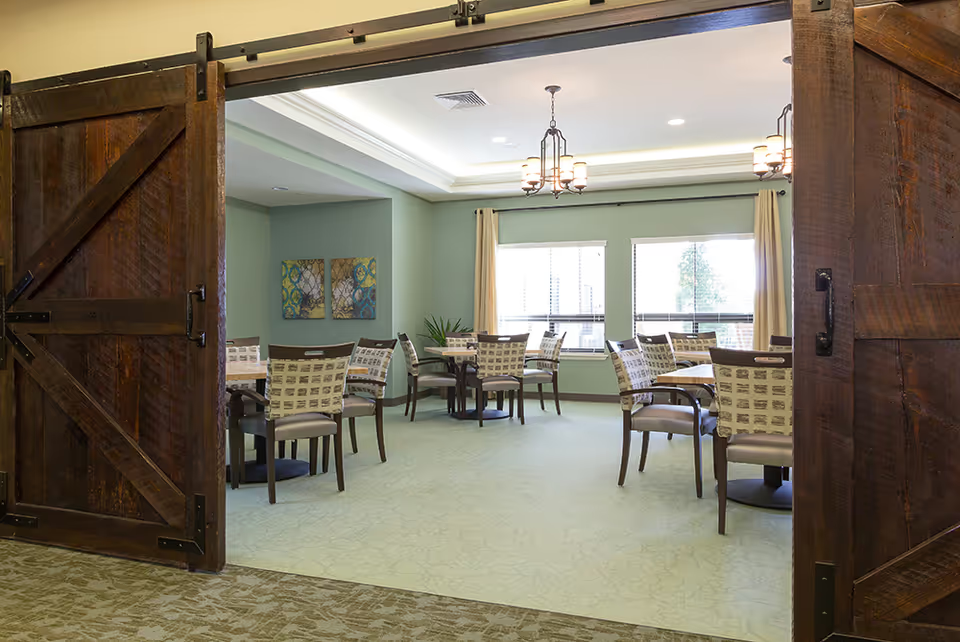
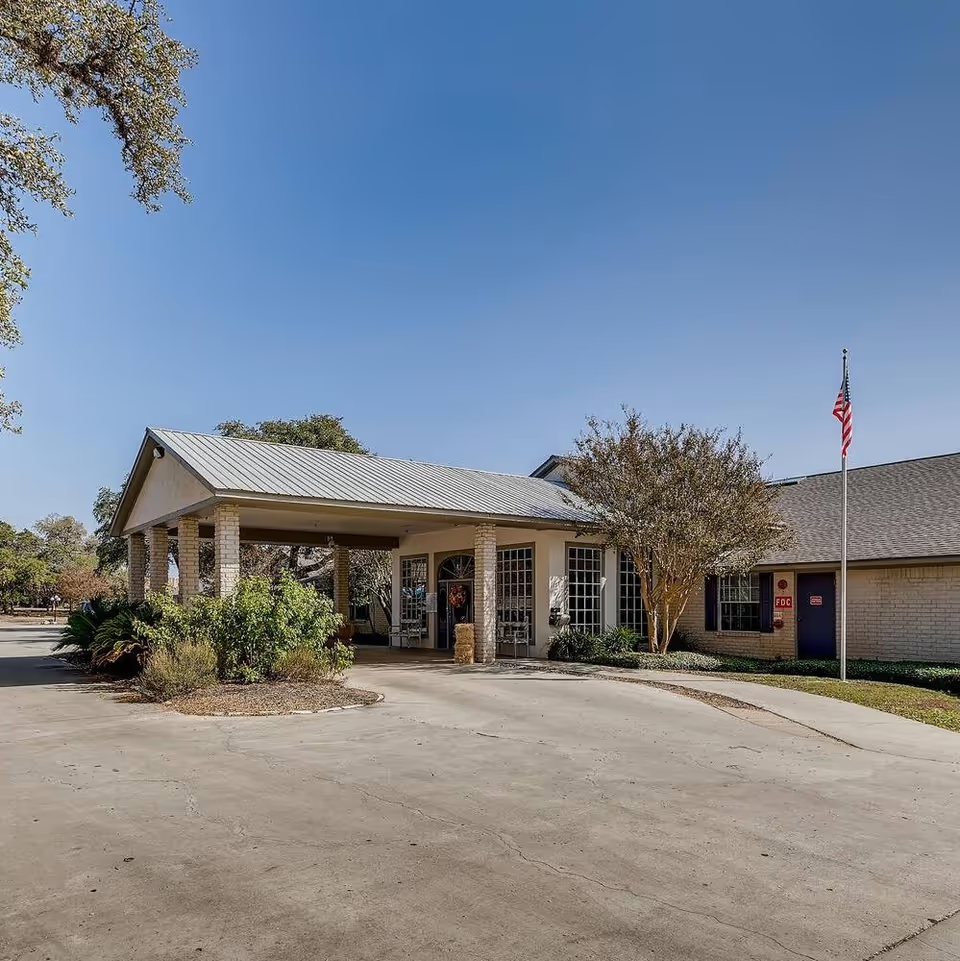
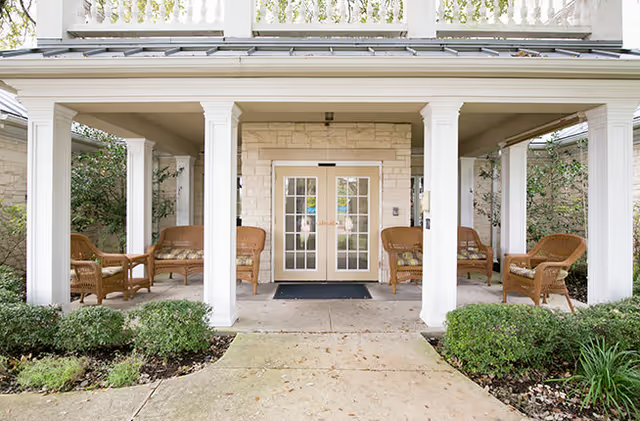
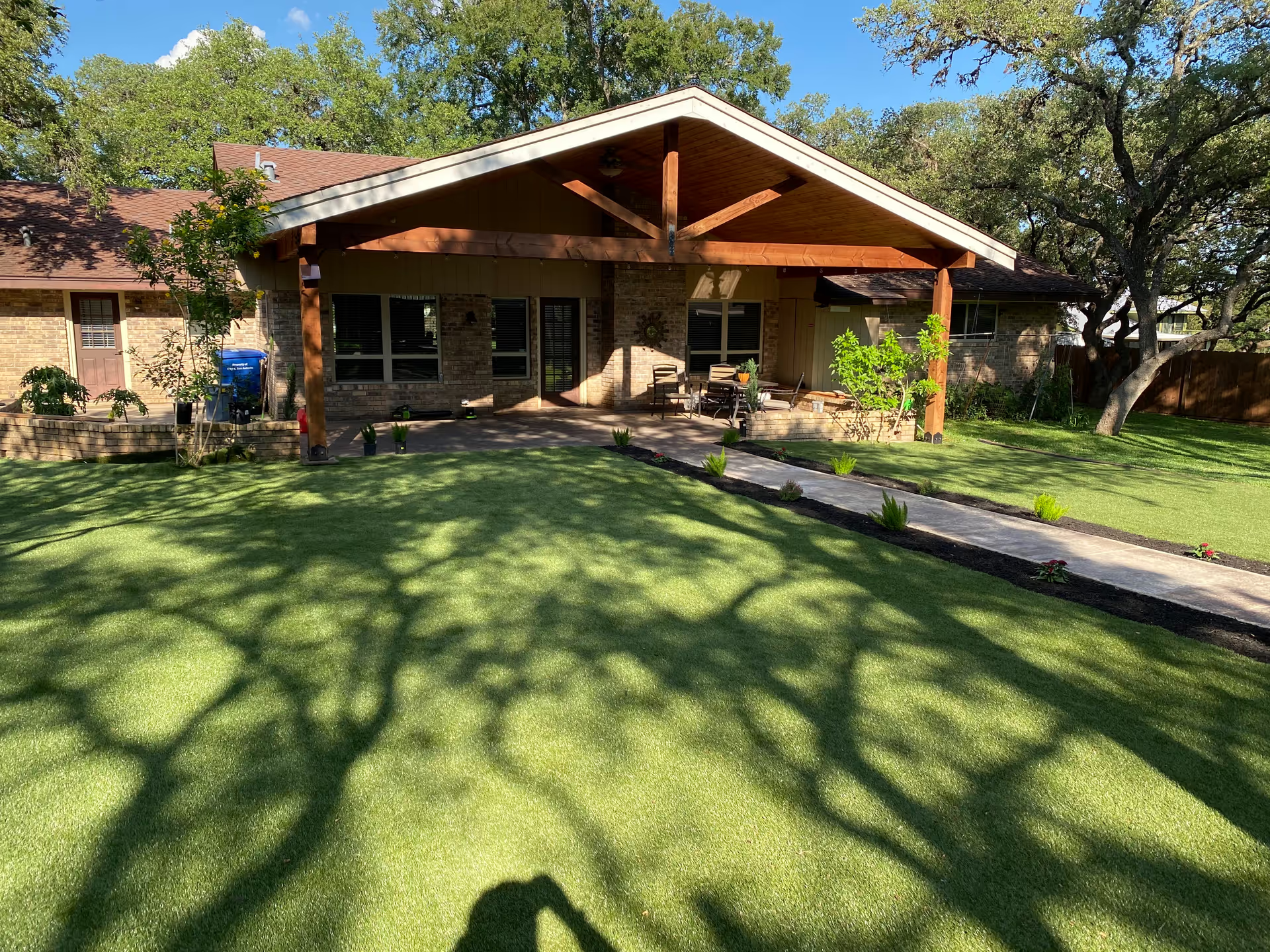
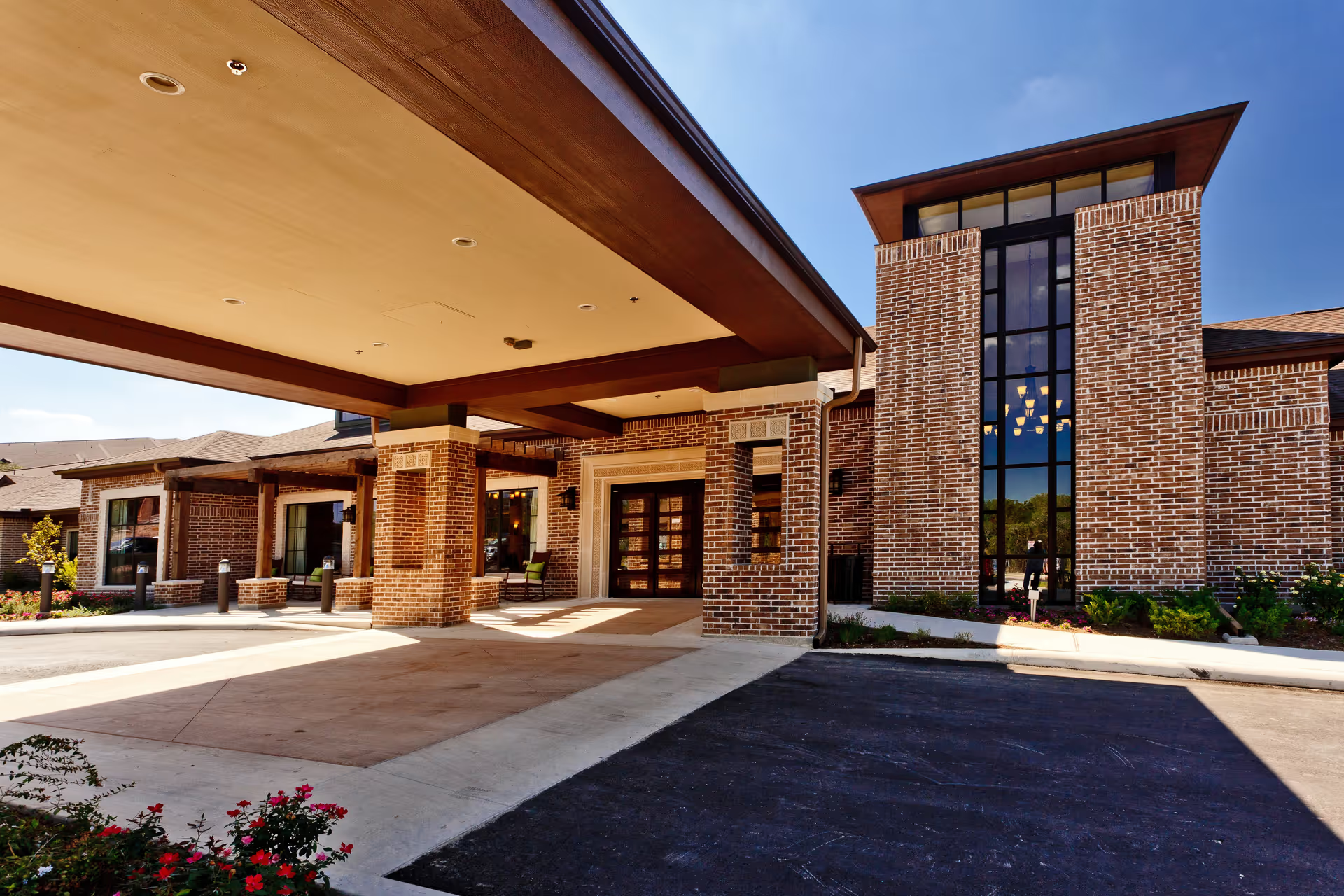
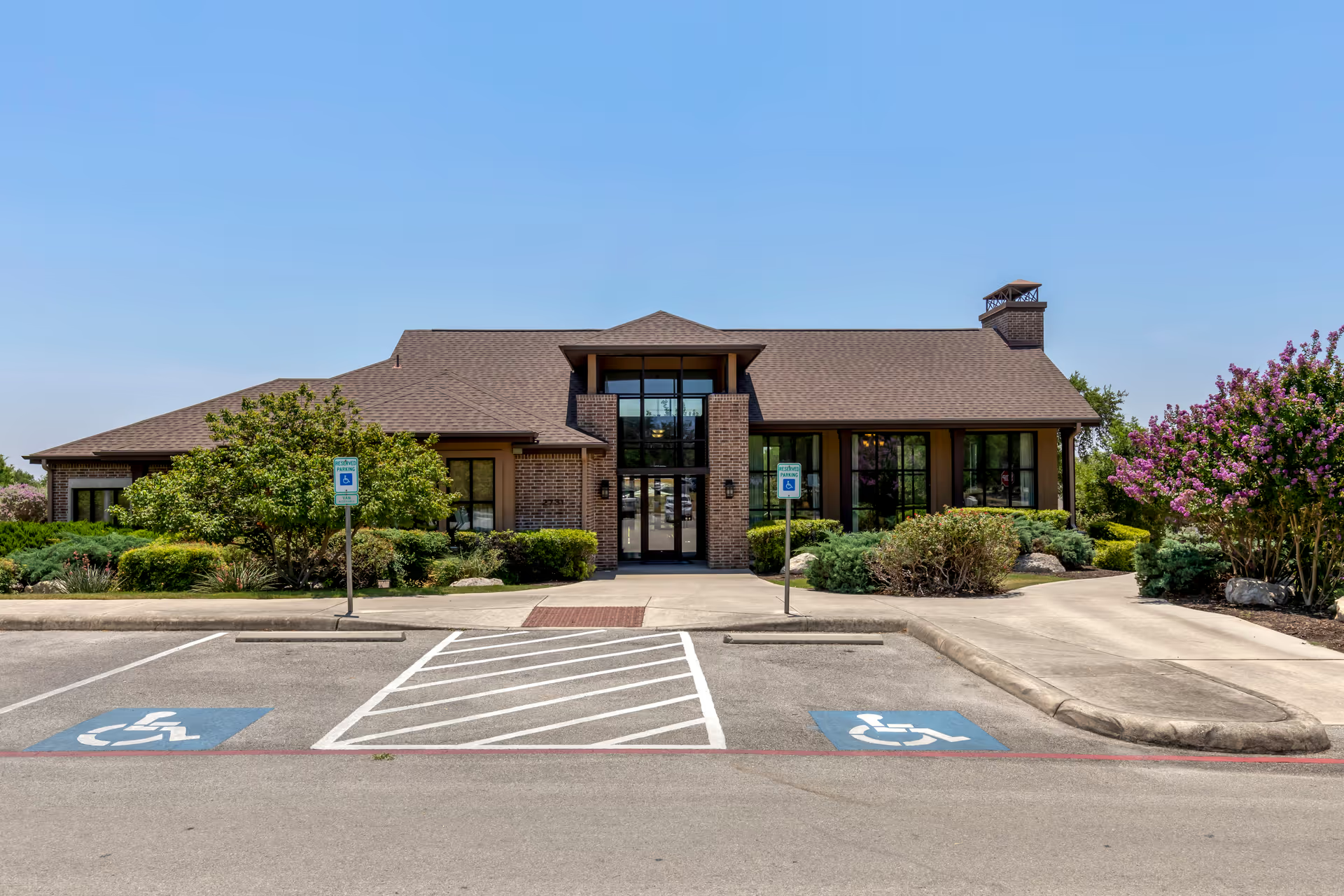
Reviews of Lynridge of San Antonio / Heartis San Antonio present a strongly mixed picture in which the facility’s physical environment and certain staff consistently earn high marks while operational and consistency issues recur. Many families and residents praise the building, grounds and interior design: common areas are described as bright and well kept, apartments as comfortable and modern, and outdoor courtyard/garden spaces are valued. On the services side, the community offers on‑site therapy (PT/OT), nursing coverage, salon and podiatry visits, hospice coordination, and an extensive activity calendar; those elements contribute to a home‑like environment for a large number of families.
Care quality and staff behavior are described in both positive and negative terms. Numerous reviewers commend caregivers, med‑techs and named leaders for compassionate, resident‑centered care, individualized attention, and proactive communication. At the same time, recurring operational themes include inconsistent staffing levels, frequent turnover, and periods when family members felt clinical follow‑through was lacking. Specific operational patterns inferred from reviews include inconsistent personal‑care delivery (for example, irregular bathing schedules and missed check‑ins), gaps in medication management and missed physician orders, and variability in staff responsiveness and communication tone.
Dining and activities are another area of divergence. The community’s chef‑driven approach, themed events and restaurant‑style dining receive strong praise: many reviewers note creative plating, popular menu items, and flexible snack/dining hours. Conversely, other reviewers report uneven meal quality, problems with meal‑service continuity, and occasional issues with temperature or seasoning. Activity programming is broad and includes cooking, music, painting, dancing, outings and vendor entertainment; however, several families observed that programming is not always adjusted to residents’ cognitive levels or that engagement fell when key activity staff changed.
Facilities and housekeeping are generally viewed positively, though cleanliness and sanitation practices are cited as inconsistent in some accounts. While many residents describe clean, odor‑free common areas and well‑maintained rooms, others reported lapses in housekeeping schedules, trash removal delays, and pest‑control concerns that warrant inquiry during a tour. Management and administrative practices show similar polarization: some families highlight accessible, hands‑on directors with open‑door policies and helpful billing/navigation, while others experienced communication lapses, leadership turnover, and concerns about deposit or billing handling. These financial and administrative issues — including at least one allegation regarding deposit refund delays — are notable and should be clarified in advance.
Taken together, the pattern that emerges is one of a well‑appointed community with many strong individual caregivers and good programming, but with operational variability that can affect the resident experience. Prospective residents and families should schedule an in‑person visit, ask for specifics about current staffing ratios, dementia‑care training, medication‑administration protocols, housekeeping schedules, pest‑control measures, and written policies on deposits and refunds. Asking to meet the current director, dining and activities staff, and the clinical lead can help determine whether the community’s strengths are being consistently delivered for a particular unit or level of care.