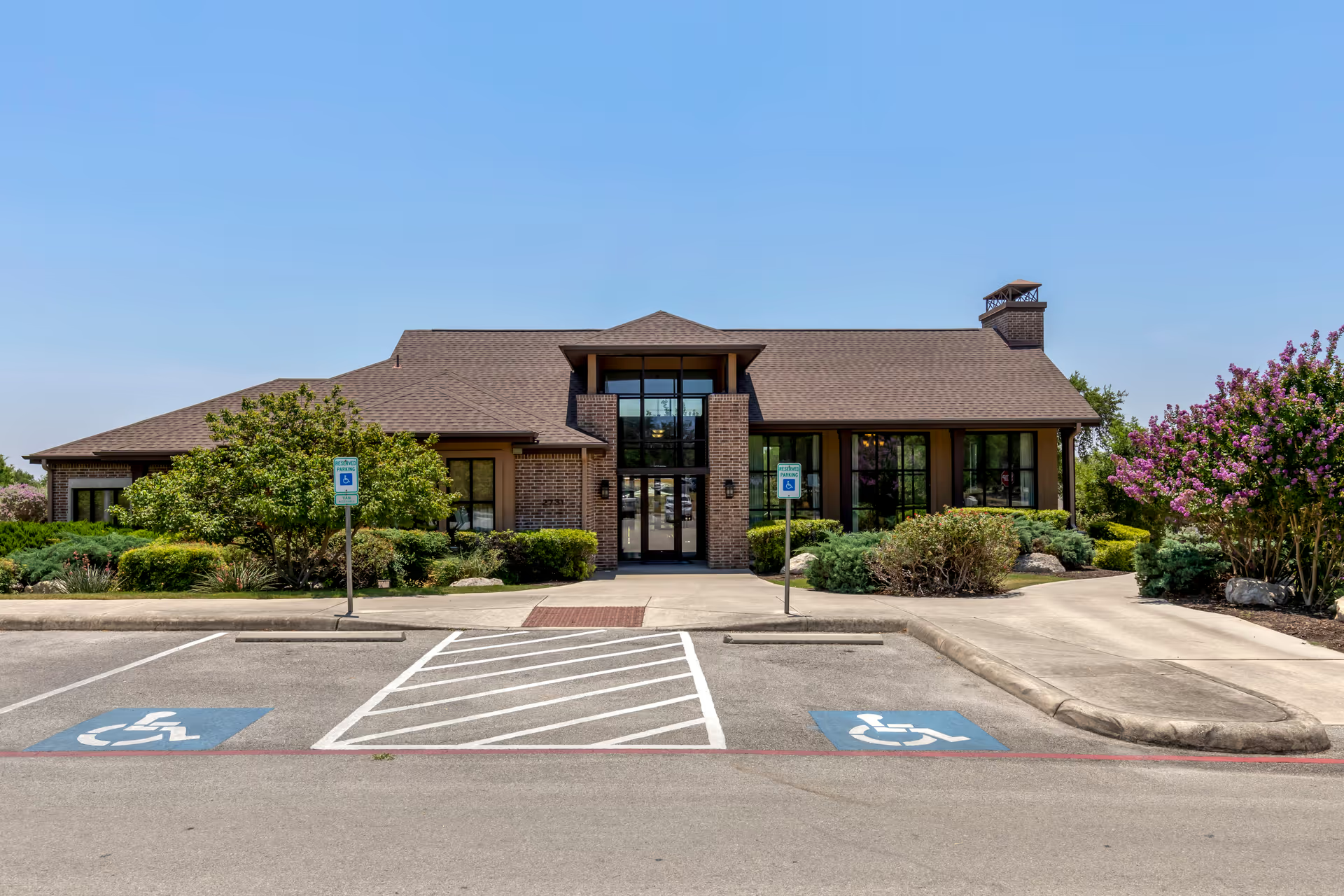
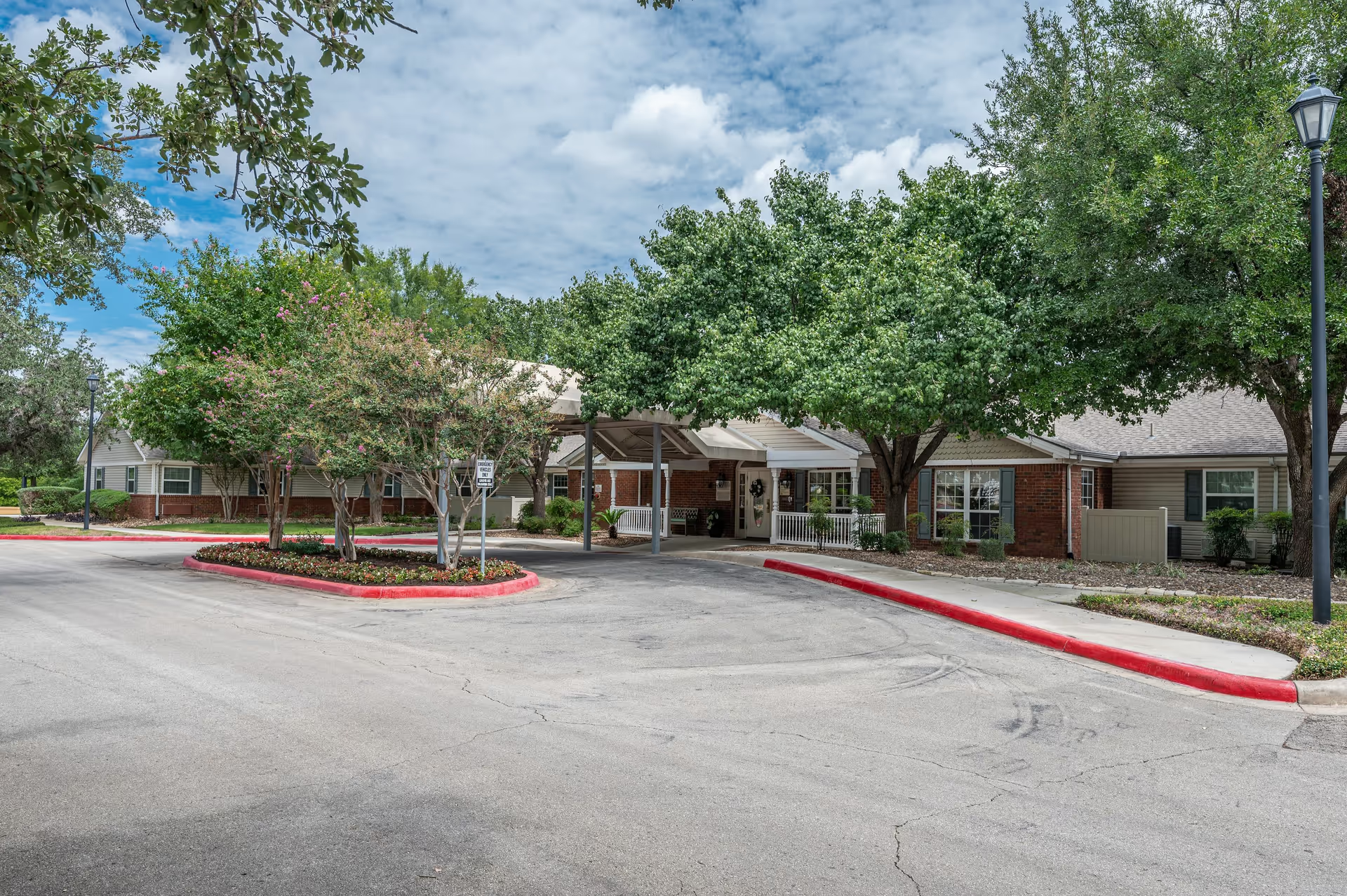
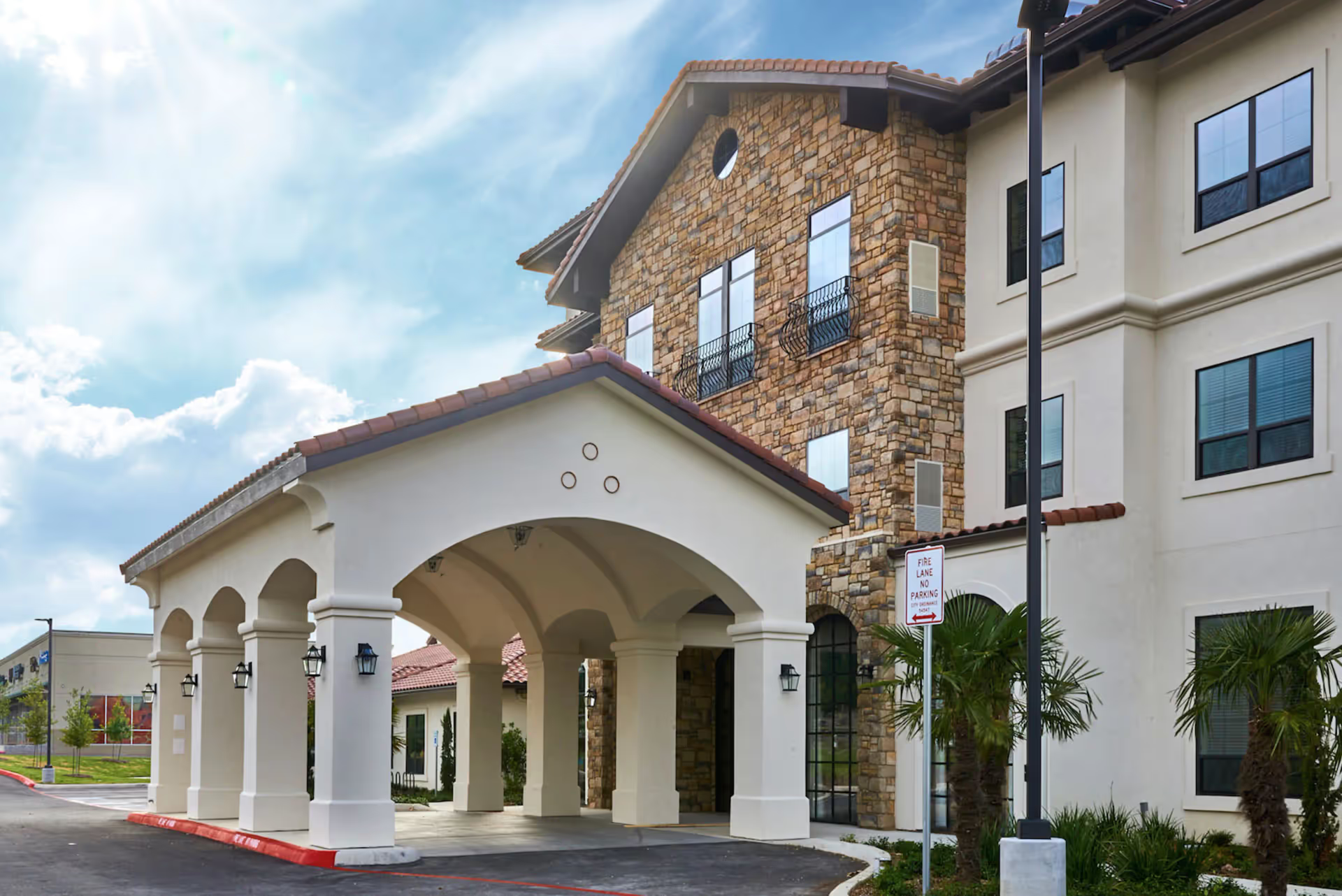
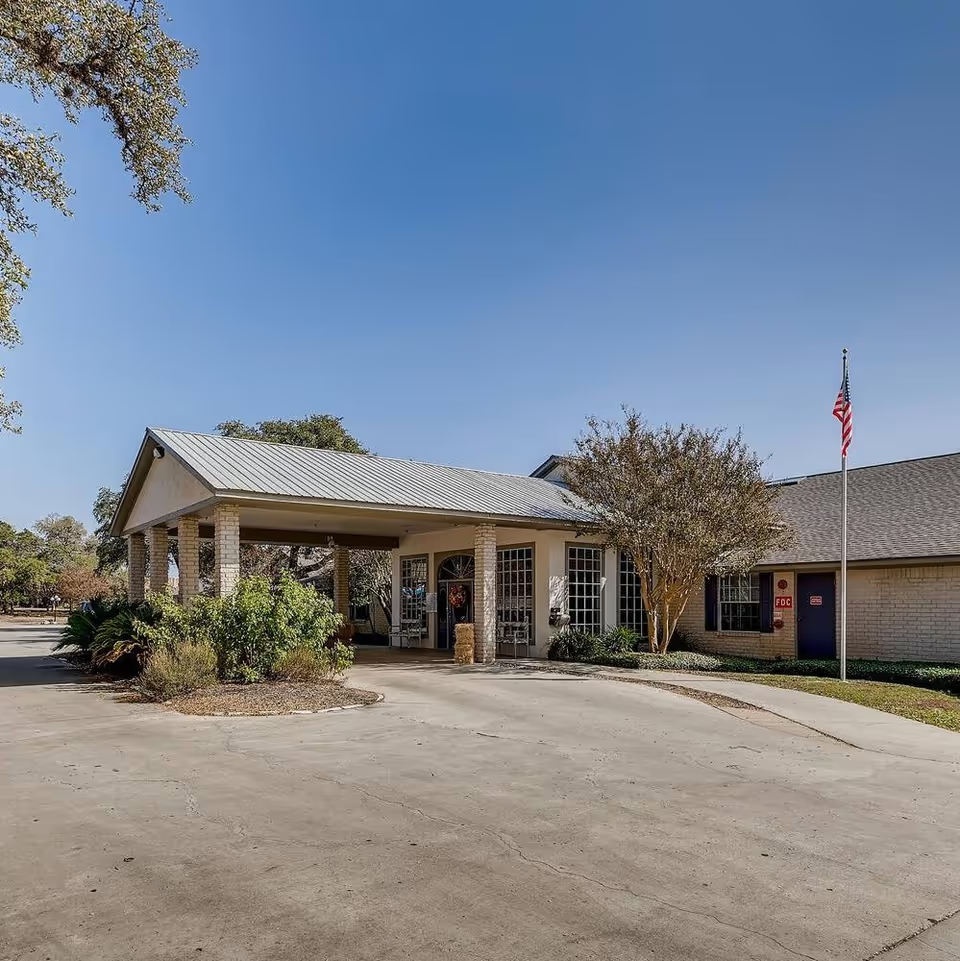
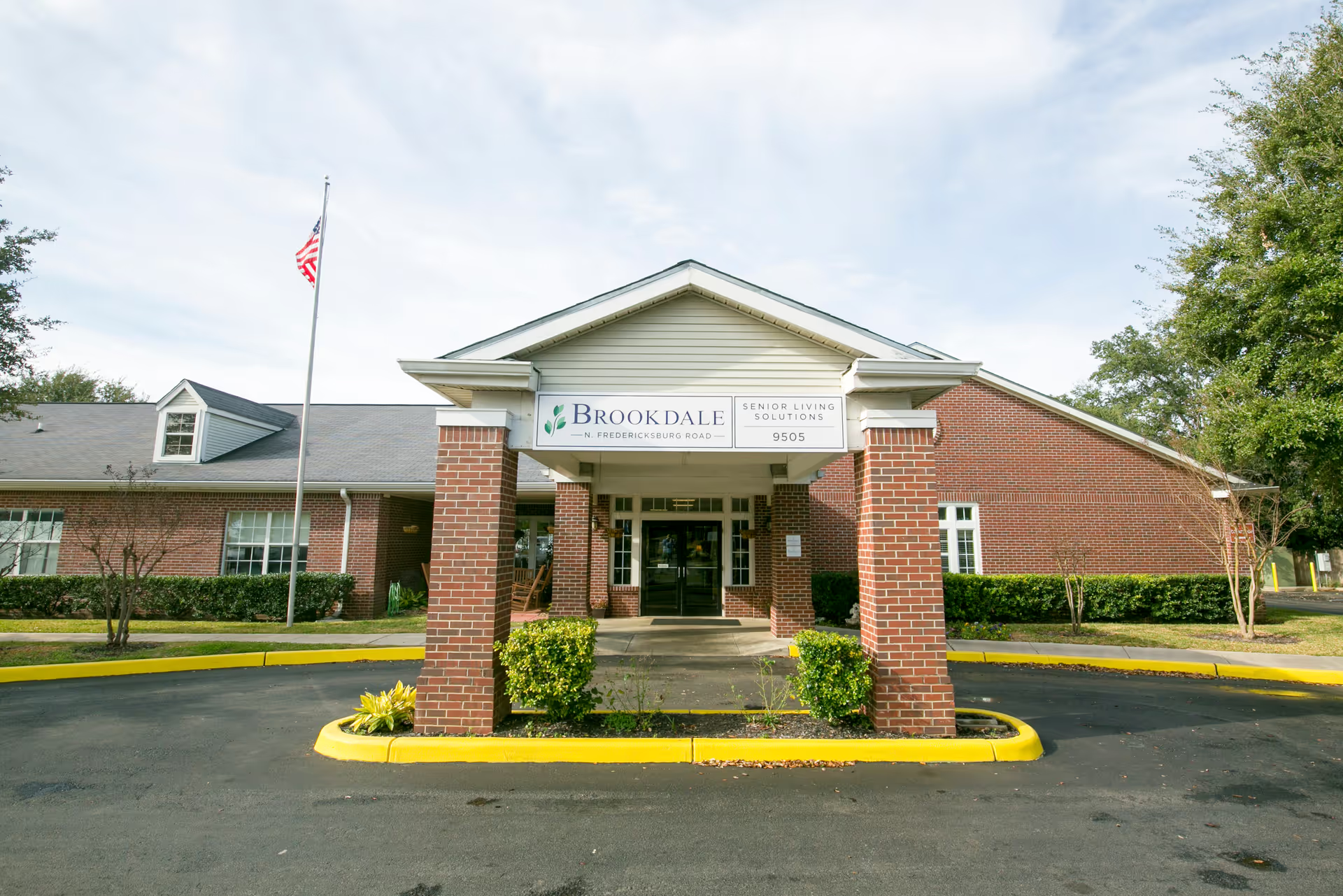
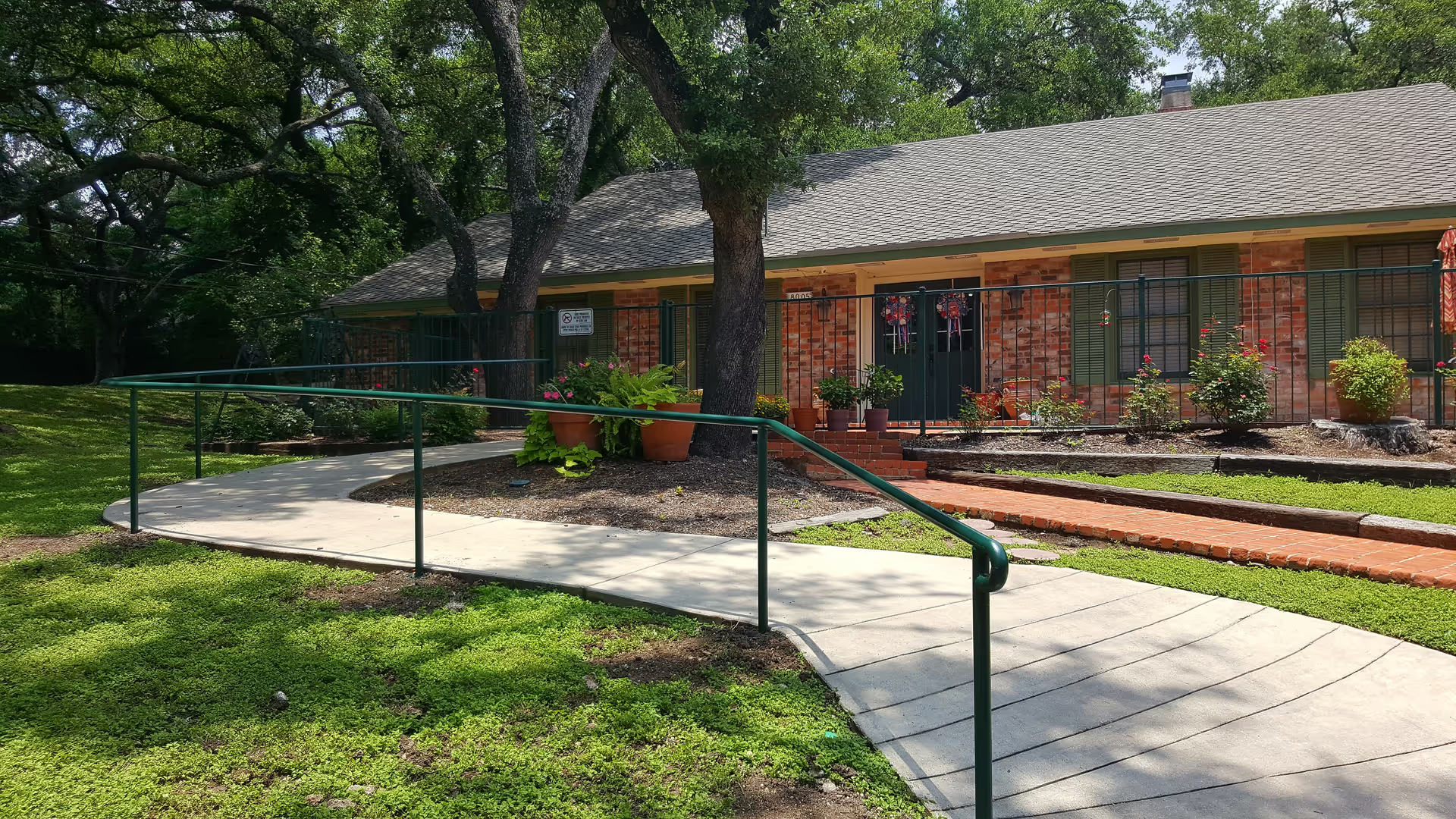
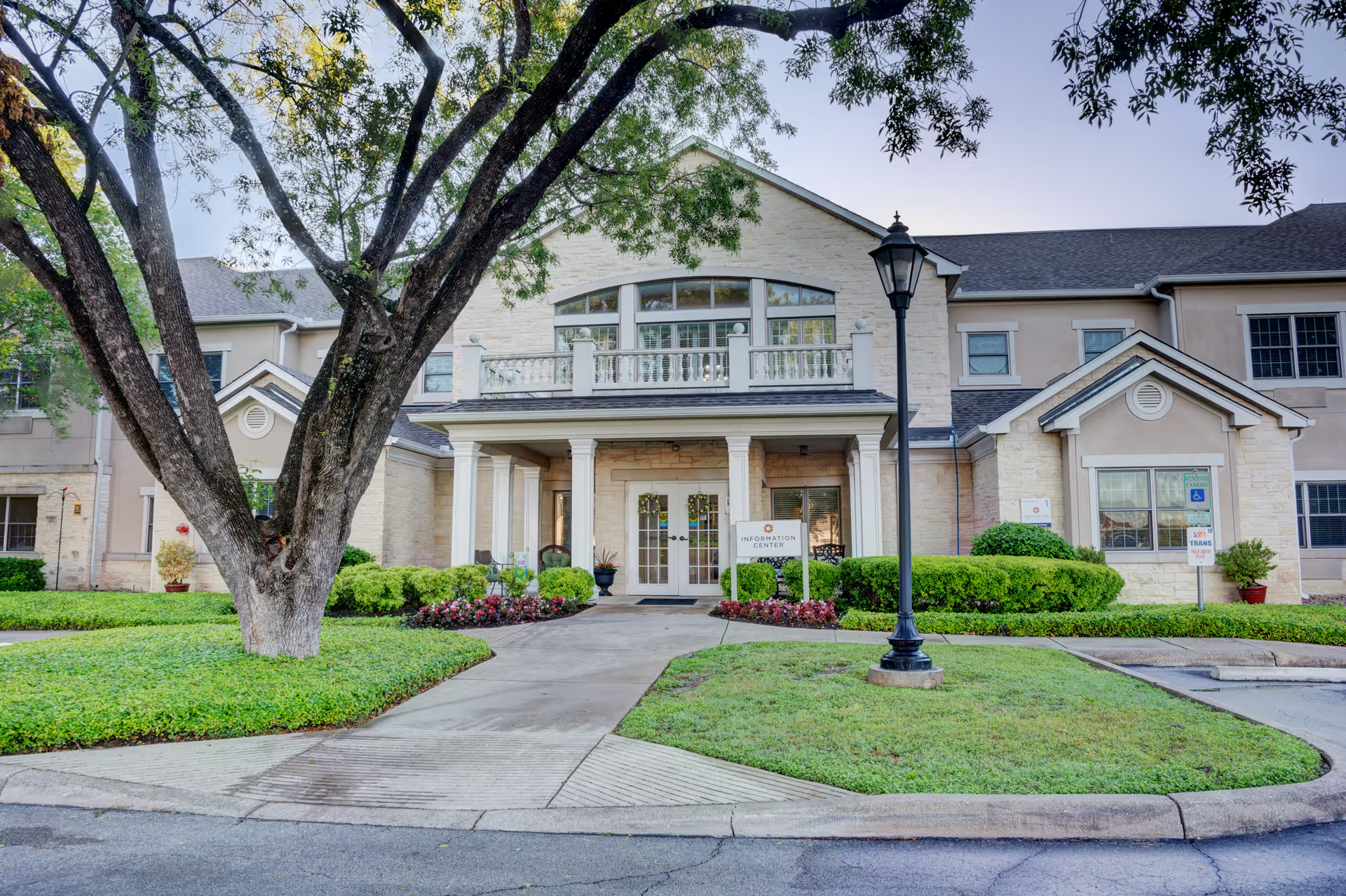
Adante presents a mix of clear strengths and recurring operational concerns. Strengths center on a strong hospitality model: reviewers consistently note a well-appointed, resort-like campus with spacious apartments and cottages, numerous on-site amenities (theater, chapel, salon, library, fitness areas), and well-maintained grounds. The community offers multiple levels of care—independent living, assisted living and a dedicated memory-care unit—and many families praised smooth transitions between levels and structured memory-care programming.
Care quality and staff: Many families described caregiving staff as compassionate, personable, and resident-focused. Nursing and caregiving teams are often characterized as attentive and willing to go beyond expectations, and staff-resident rapport is frequently cited as a core strength. At the same time, there is a pattern of variable staffing and turnover that some reviewers linked to slower responses, gaps in coverage (including limited RN presence at times), and uneven experience among front-line workers. Several reviewers also expressed concerns about staff conduct, privacy controls, and the need for clearer training and supervision in specific situations.
Dining and nutrition: Dining is a prominent positive in most accounts. The community emphasizes varied menus, made-from-scratch meals, visual meal displays, frequent snacks and flexible meal options. Chefs and dining staff received repeated praise for quality and variety. However, there are also serious food-safety and kitchen oversight concerns described by multiple families; these point to inconsistent food-handling controls and a need for stronger kitchen monitoring and verification of safety protocols.
Activities and community life: Adante is described as having a lively activity calendar with many programs—from quiet study groups to dances, bingo, exercise classes and outings. Residents often report feeling socially engaged and describe a welcoming community atmosphere. A minority of visitors, however, observed limited programming during their visits or questioned the qualifications of some activity staff; this suggests variability in program delivery between units or across times.
Facilities and operations: Physically the campus is generally praised: roomy apartments, accessible design, wide halls, and plentiful common areas. Housekeeping and groundskeeping are often noted as thorough. Operational weaknesses raised include delayed maintenance response times, occasional sanitation and odor concerns in specific areas, and inconsistent availability of hot water or prompt plumbing repairs in isolated cases. Families also mentioned extra charge practices and situations where rate increases or billing items were disputed, indicating a need for clearer fee policies and communication.
Management and notable patterns: Reviewers report mixed experiences with management. Positive comments describe engaged executive leadership, a Residents-First orientation, and hands-on directors. Contrasting accounts emphasize leadership turnover, governance inconsistencies, and breakdowns in family communication. There are also allegations of retaliatory behavior and concerns about conflict-of-interest or favoritism; these are serious governance issues that prospective families should investigate directly.
Recommendations for prospective residents and families: Given the variability in experiences, an in-person tour and targeted questions are advisable. Ask for documentation of kitchen food-safety inspections and sanitation protocols; clarify staffing ratios, RN coverage and emergency-response procedures; request examples of recent maintenance-response timelines; review the written fee schedule and policy on rate changes; and inquire about staff training, turnover statistics, and privacy safeguards. If memory-care placement is being considered, request specifics on programming, staff qualifications, and transition procedures.
Overall, Adante demonstrates many attributes of a high-quality senior community—particularly in hospitality, dining, amenities and a strong resident culture—but the pattern of operational inconsistencies (staffing, kitchen oversight, maintenance and management stability) warrants careful, document-backed evaluation during the decision process.