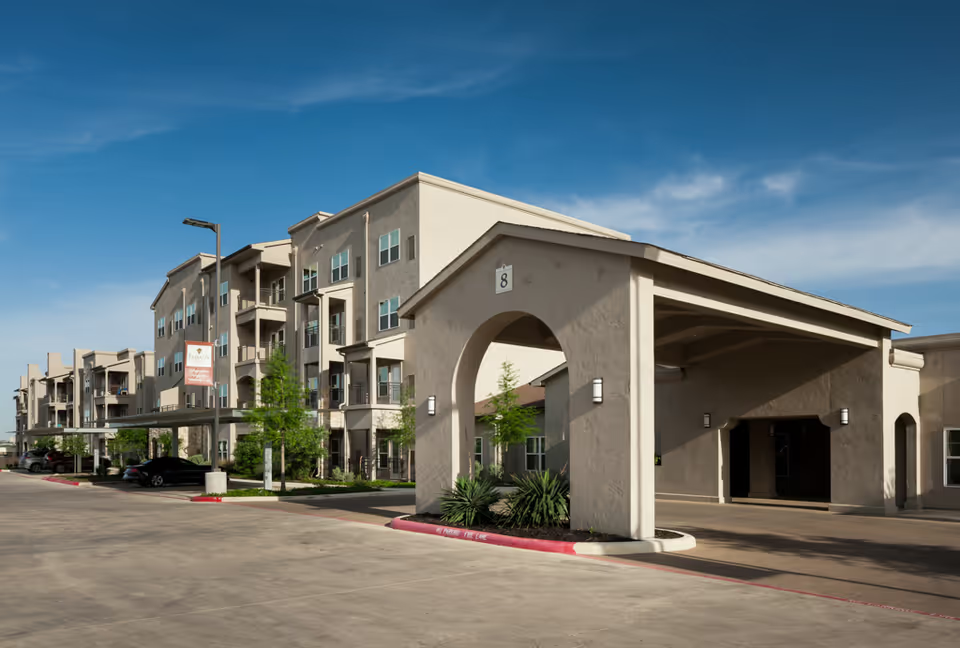
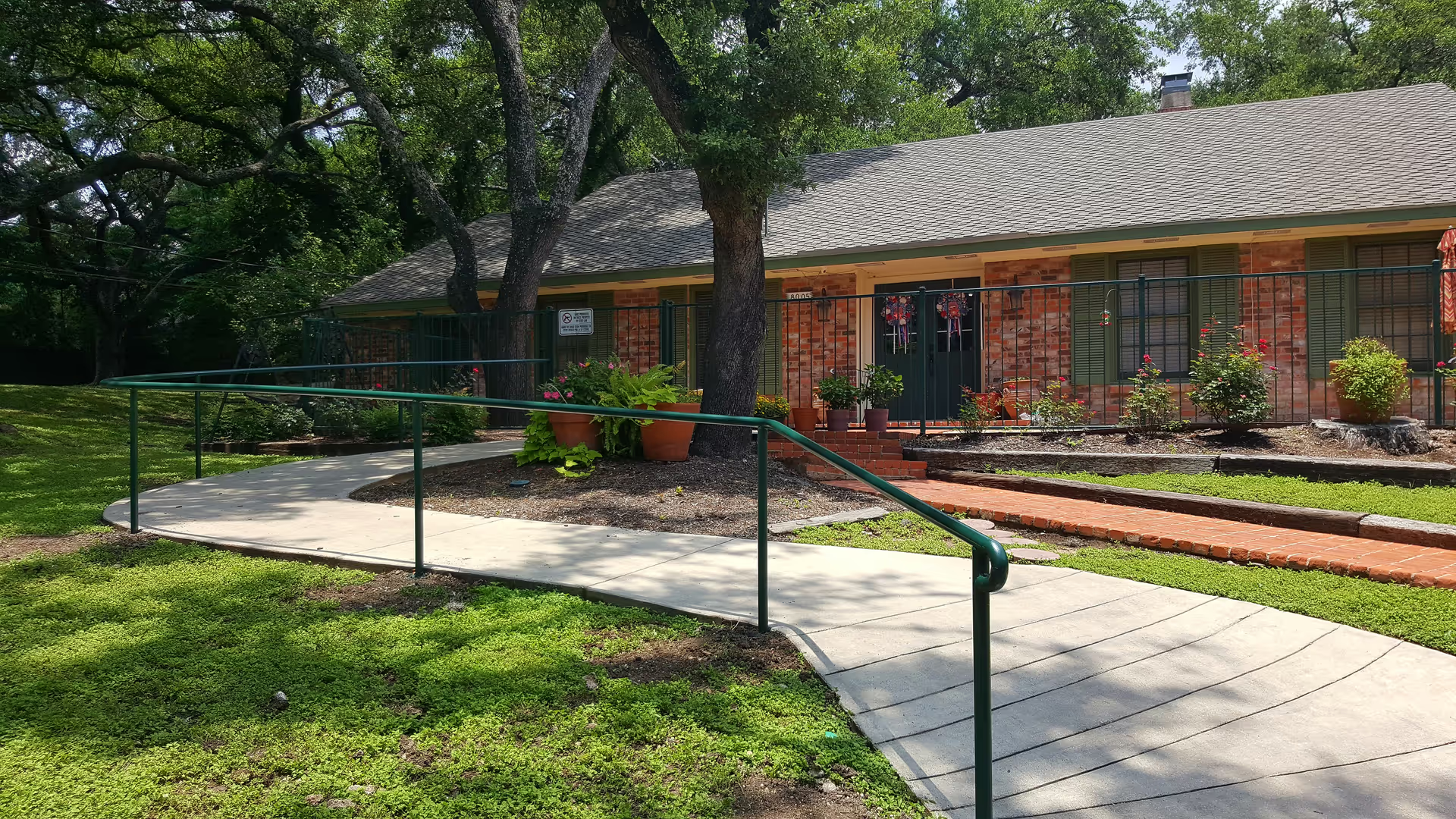
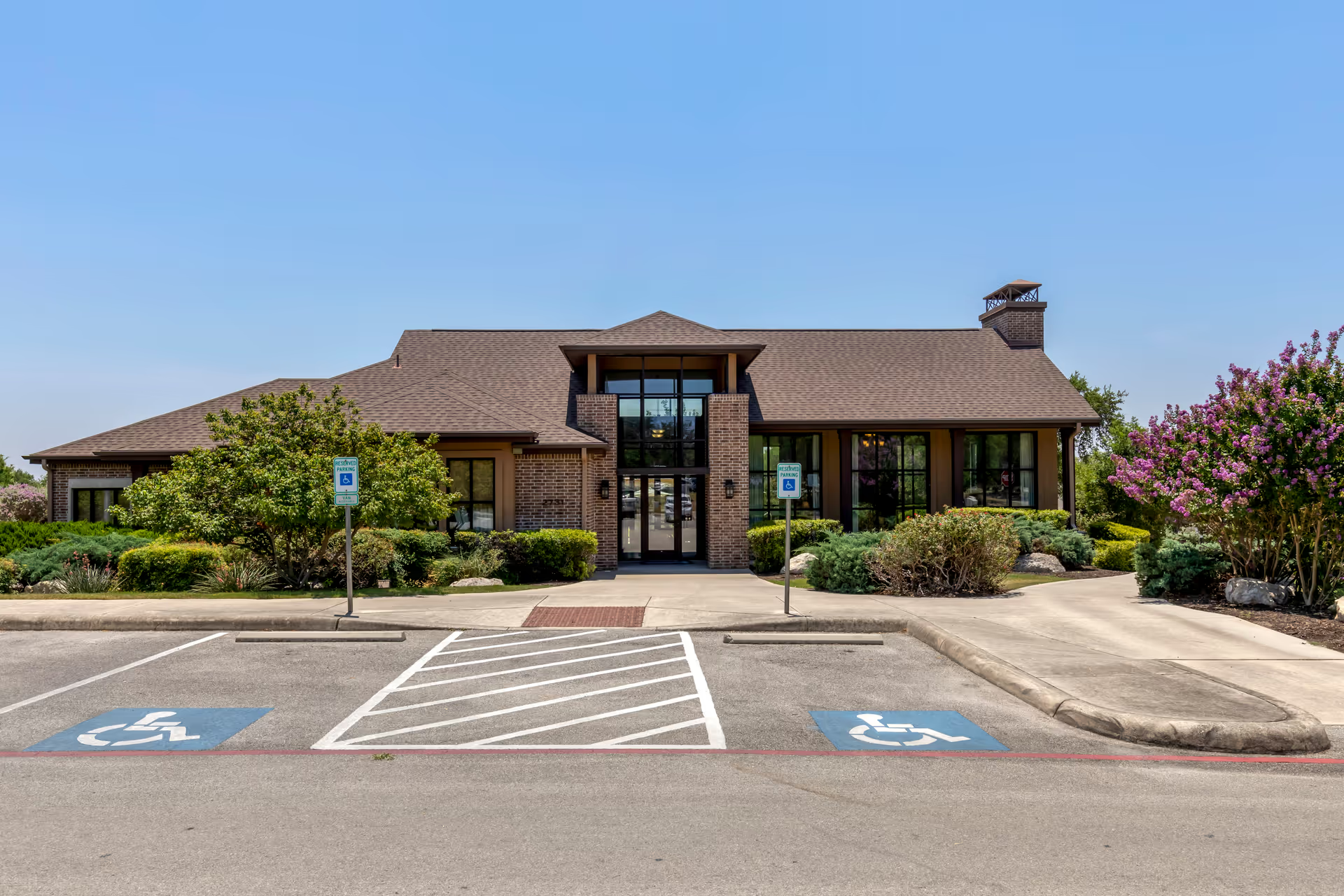
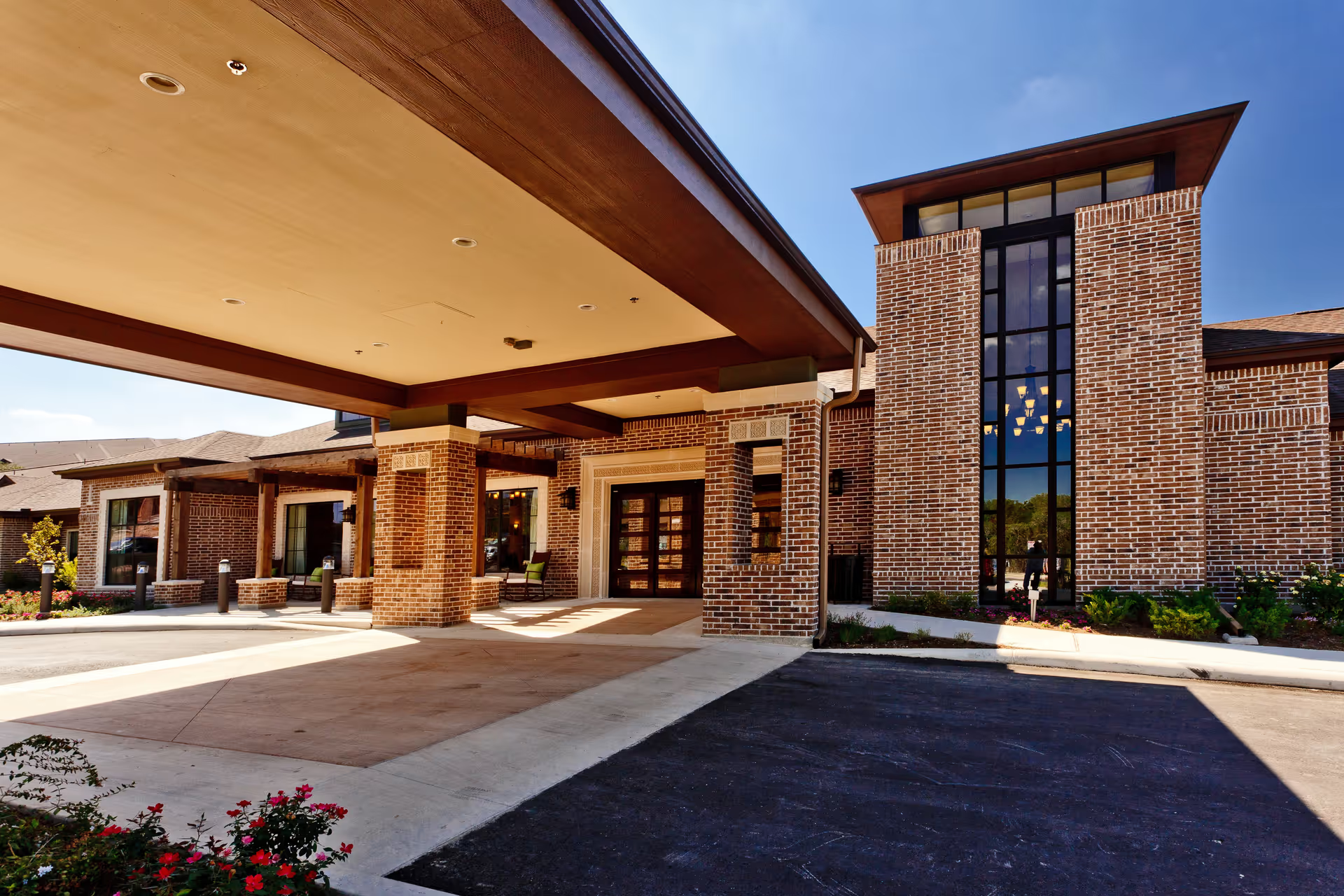
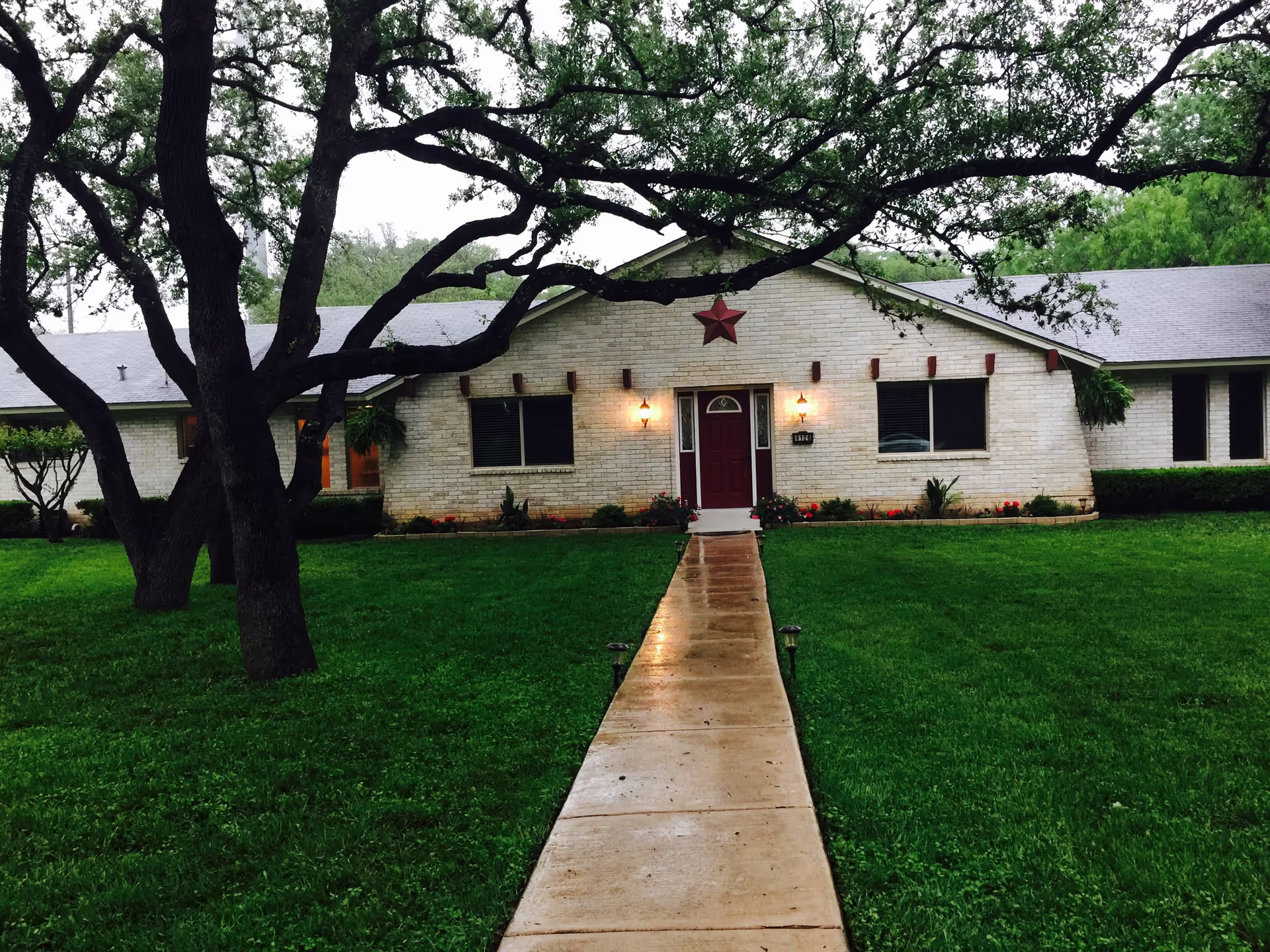
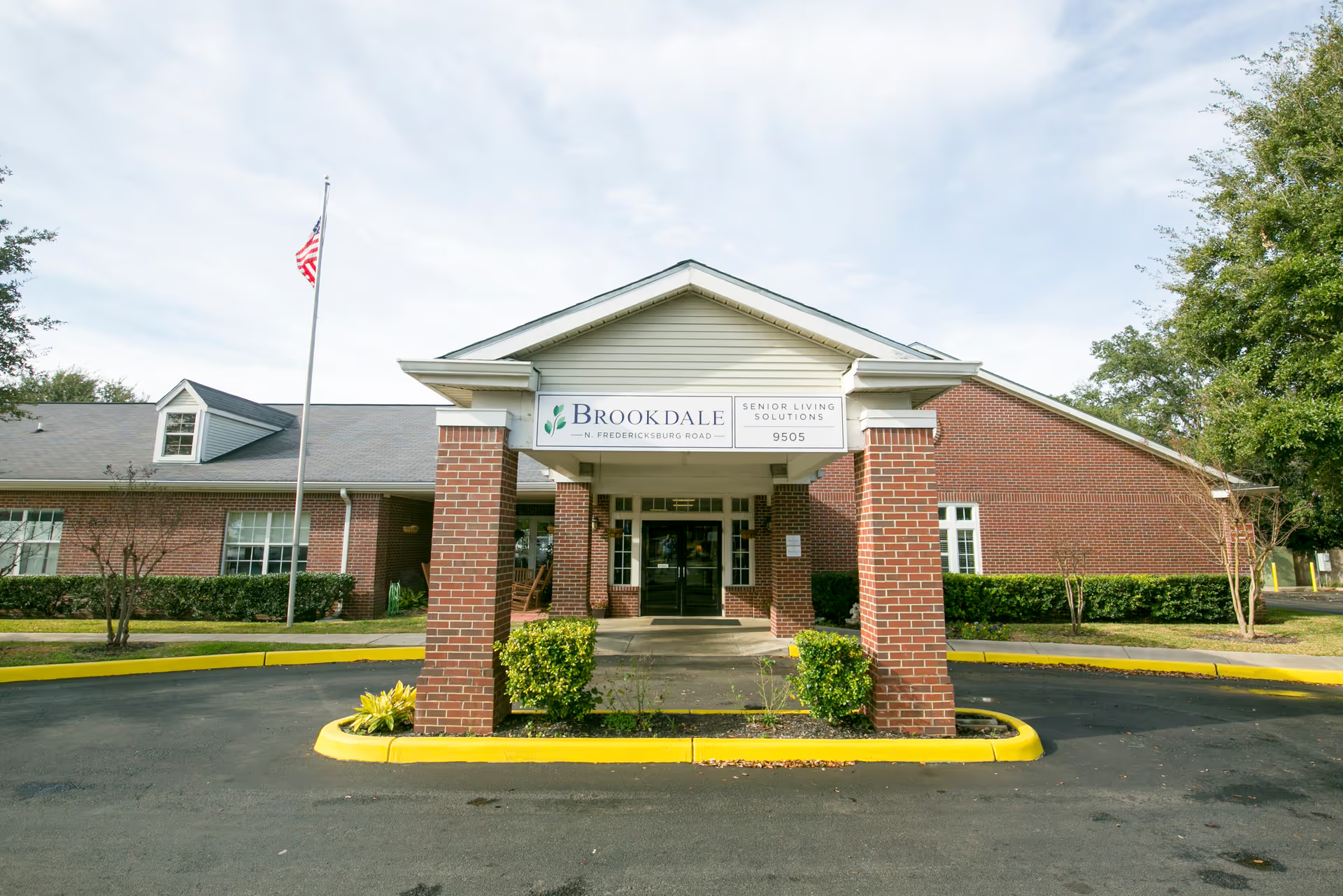
Gemstone Senior Living at Castle Hills presents a mixed but informative profile. Many families emphasize a warm, family-like culture with consistently compassionate and accessible direct-care staff. The community offers strong dining credentials—chef-prepared meals, an experienced dining director, careful presentation and special-event menus—and multiple comments describe meals as a highlight. Grounds and common areas are frequently described as clean and well maintained, with spacious apartment options and onsite amenities such as transportation, visiting medical/therapy services, and a dedicated respite room.
Care quality is a central strength in several accounts: caregivers are described as attentive and patient, memory-care leadership has been actively strengthened in recent periods, and ownership or management presence on-site is cited as a positive influence. That said, there are consequential operational concerns that recur across reviews. Several families raised issues related to medication administration and the facility’s clinical-incident response, including delays in assistance after falls and perceived gaps in overnight monitoring. Staffing levels and available clinical coverage are described as variable, which reviewers link to slower response times and occasional reductions in routine medical support.
Programming and social engagement receive praise for breadth—bingo, exercise classes, trips, movie nights, and frequent special events—but engagement and consistency appear uneven. Some families describe an active calendar and high resident participation, while others describe an environment that felt underprogrammed and contributed to resident disengagement. Dining is widely praised for quality and variety, but isolated comments note variability in meal appeal or personal preferences; families should confirm menu accommodation capabilities during a tour.
Facility-operations concerns include intermittent maintenance and infrastructure reliability (examples cited include water damage, elevator outages, and generator issues), pest-control concerns in individual units, and several serious administrative issues such as billing or refund delays and allegations of missing personal items. These latter items point to the need for clear security, documentation, and administrative protocols. There are also occasional reports of confusing placement between assisted living and memory care, suggesting that intake communication and level-of-care assessment could be clarified.
Overall, Castle Hills offers many features that prospective residents and families value—compassionate staff, strong dining, pleasant grounds, and improving memory-care leadership—balanced against operational weaknesses that merit specific inquiry. Recommended next steps for families touring the community include asking about current staffing ratios and on-call clinical coverage, medication-administration and incident-response protocols, overnight monitoring practices, security measures for resident belongings, pest-control and recent maintenance work, and written policies for billing and refunds. Verifying these items and observing activity participation during a visit should help families determine whether the community’s strengths align with an individual resident’s needs.