Overall feedback is strongly positive, especially regarding staff warmth, community life, food, and the range of services available. Residents and families across independent living, assisted living, memory care, rehabilitation, and skilled nursing often describe staff as kind, attentive, and helpful. Several families value the ability to move between levels of care while remaining on the same campus, and some describe clear communication and supportive coordination during hospital transitions and recovery. However, experiences with clinical care are not uniformly positive, and the concerns raised are concentrated in skilled nursing and memory care.
Dining is a consistent strength in many accounts: reviewers praise the menu variety, restaurant-style service, and food quality, with some particularly appreciating the chef’s meals. A few residents describe uneven preparation, including overcooked vegetables, sauces or gravies that could be served separately, and less appealing breakfast options. Activities are another frequently praised feature, ranging from music, happy hours, and games to exercise classes, gardening, outings, and memory-care programming. The activity calendar appears broad, though one memory-care account describes limited engagement for residents.
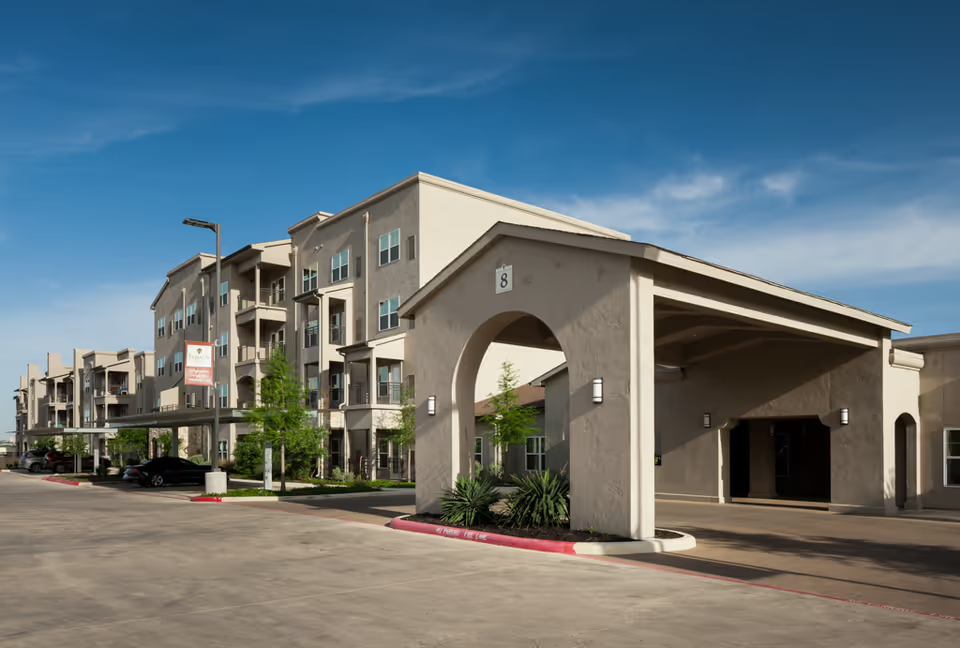
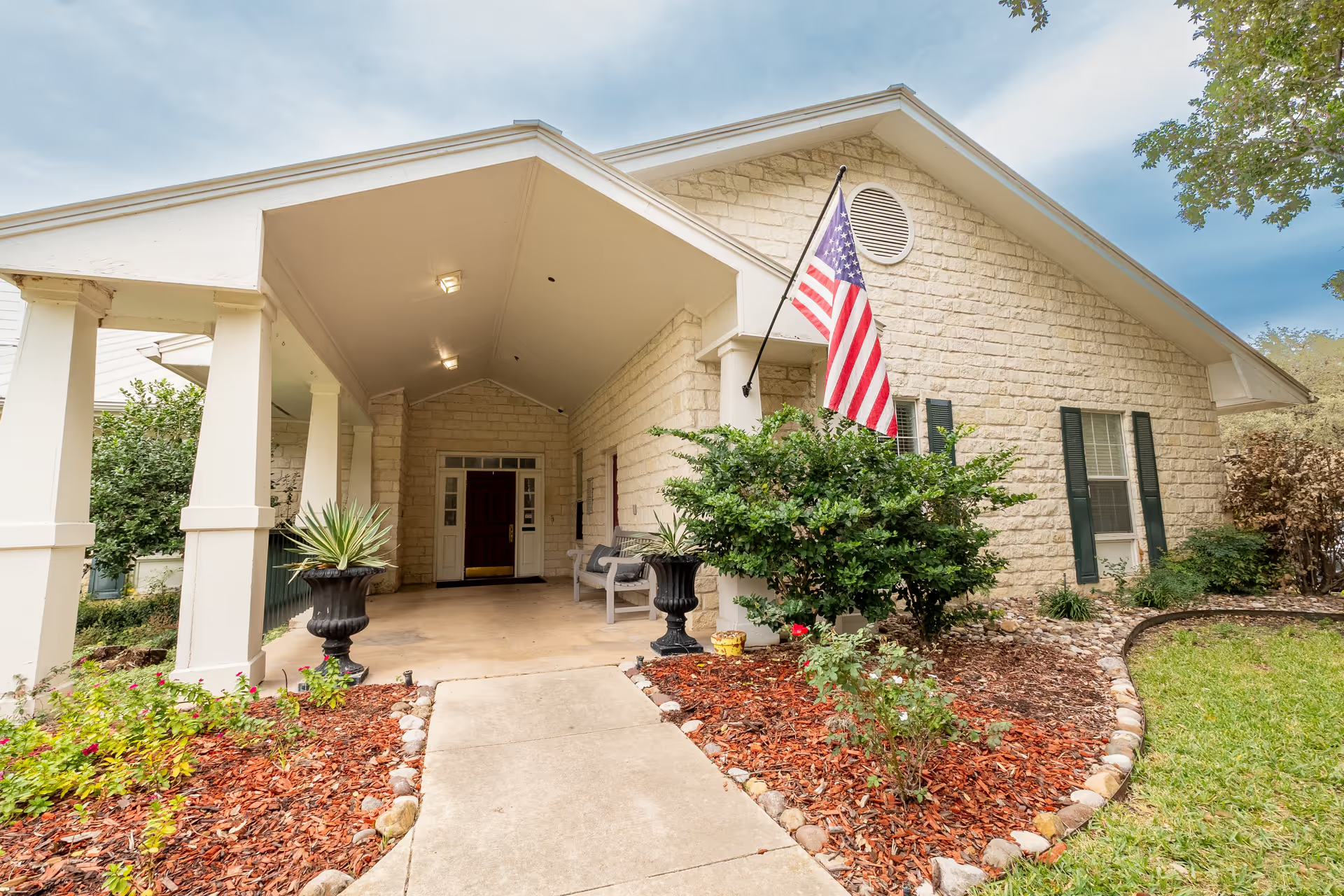
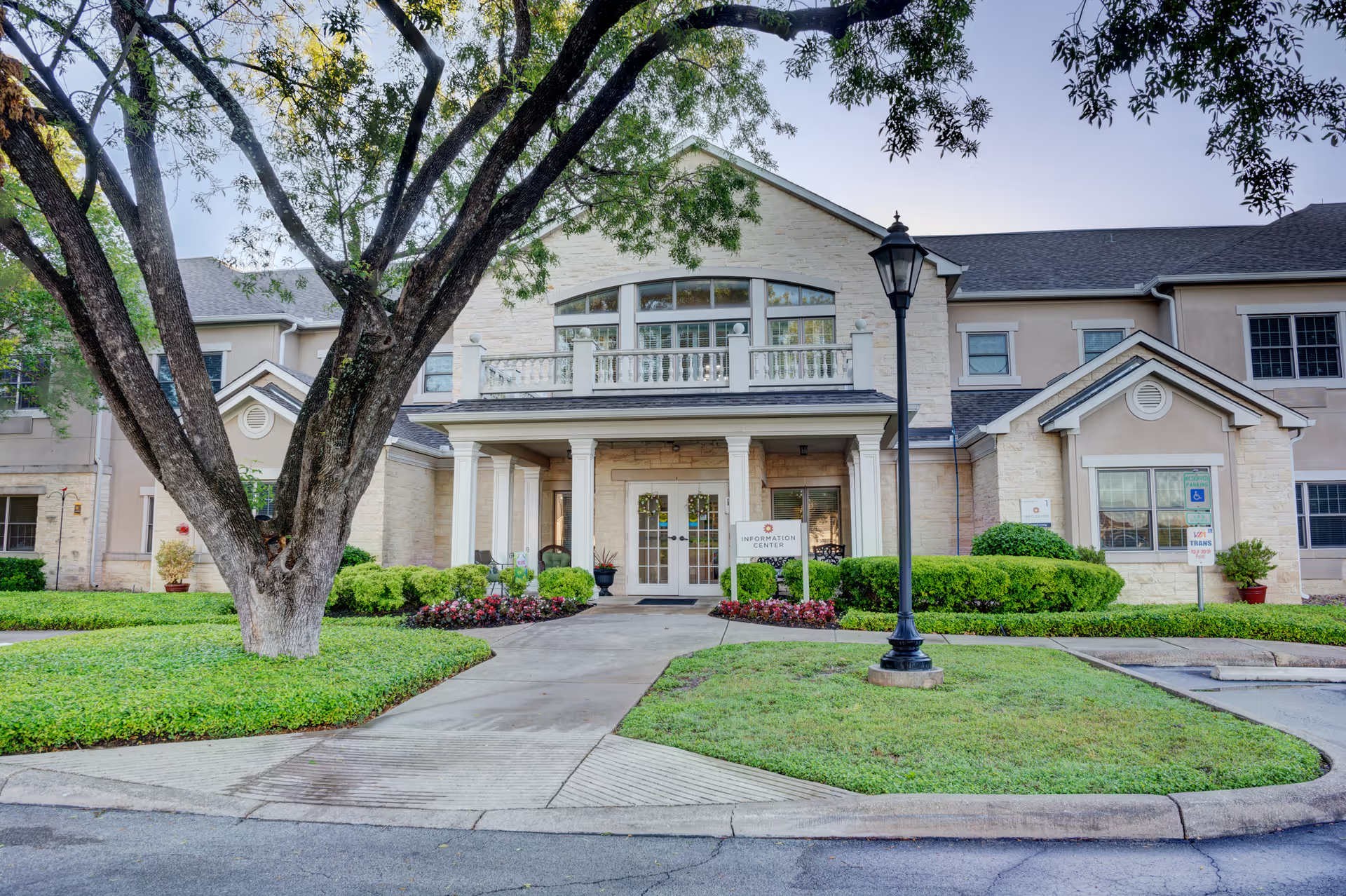
The property is commonly described as clean, orderly, attractive, and well maintained. Independent-living apartments are often praised for renovations, natural light, kitchens, and useful layouts; grounds and amenities such as the pool, library, and outdoor areas also receive positive comments. Some prospective residents found portions of the older building dark or dated, noted limited space or a layout that could feel overwhelming, or encountered renovation work during a visit. Cost is a meaningful consideration, with some families viewing the community as substantially more expensive than nearby alternatives. The formal atmosphere may also be a better fit for some residents than others.
Clinical-care feedback is mixed. Many families report good rehabilitation, attentive nursing, and positive recovery experiences. In contrast, individual accounts describe delayed pain medication, difficulty reaching nursing staff or a physician, medication-management concerns, and shortcomings in personal care and activity engagement in memory care. One former nurse alleged inappropriate physical conduct toward a memory-care resident and questioned the facility’s response; this serious account conflicts with other positive descriptions of memory-care staff and programming. Another family described an equipment-safety concern associated with an injury. These accounts warrant direct questions about medication procedures, staffing access, safety oversight, and how concerns are investigated. Management impressions are also mixed: some residents praise leadership’s responsiveness, while a few families report unclear points of contact or an inconsistent tour experience.