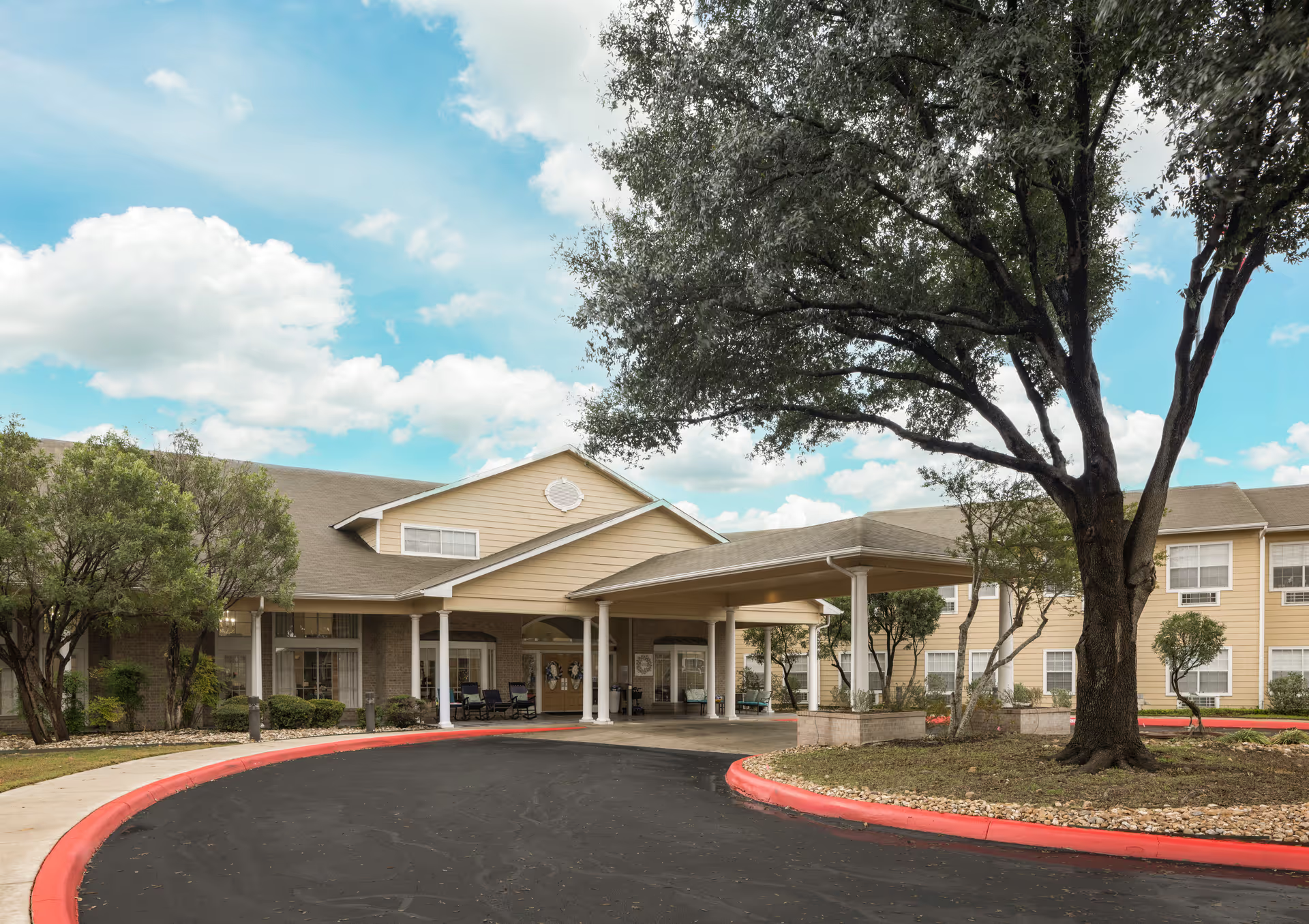
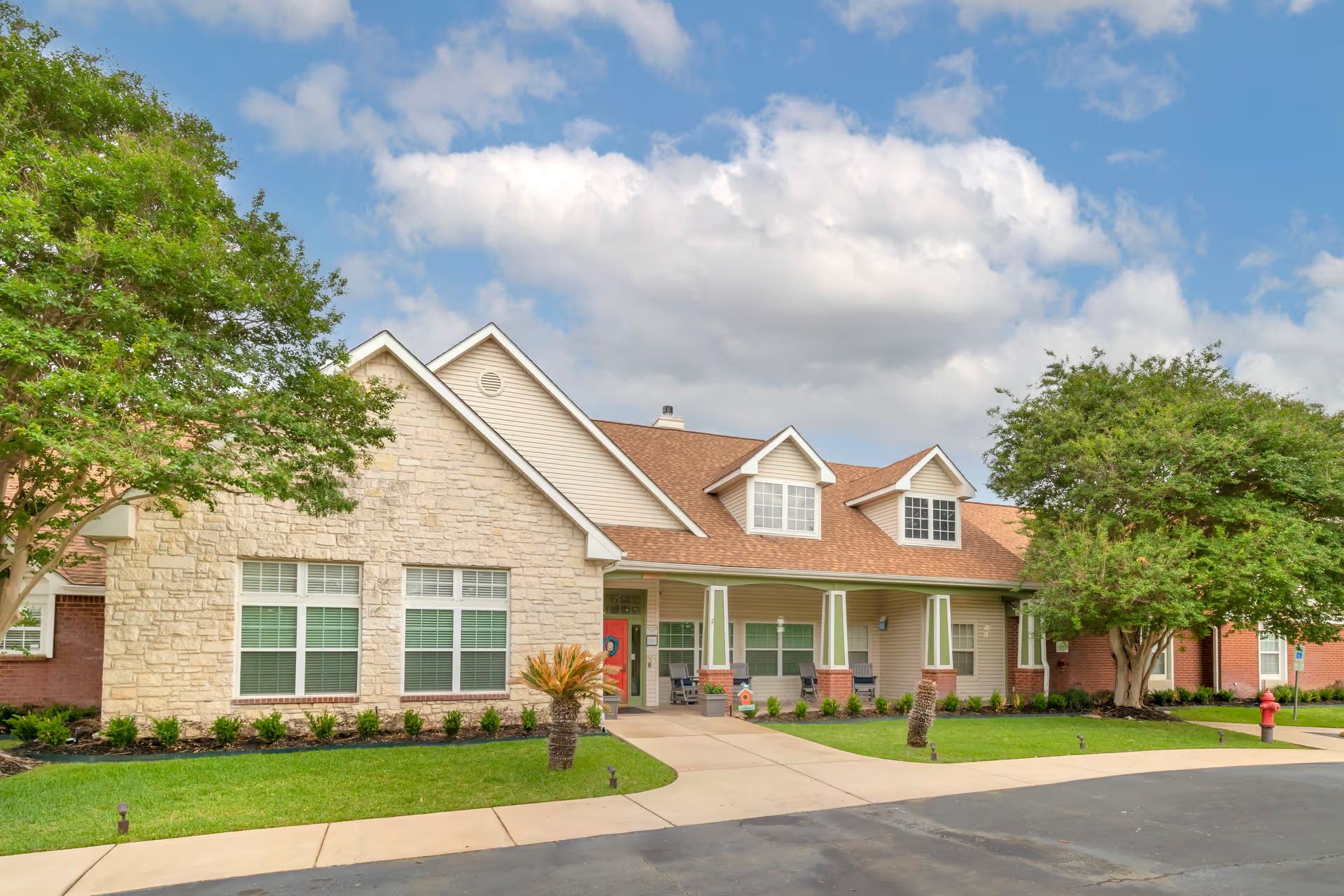
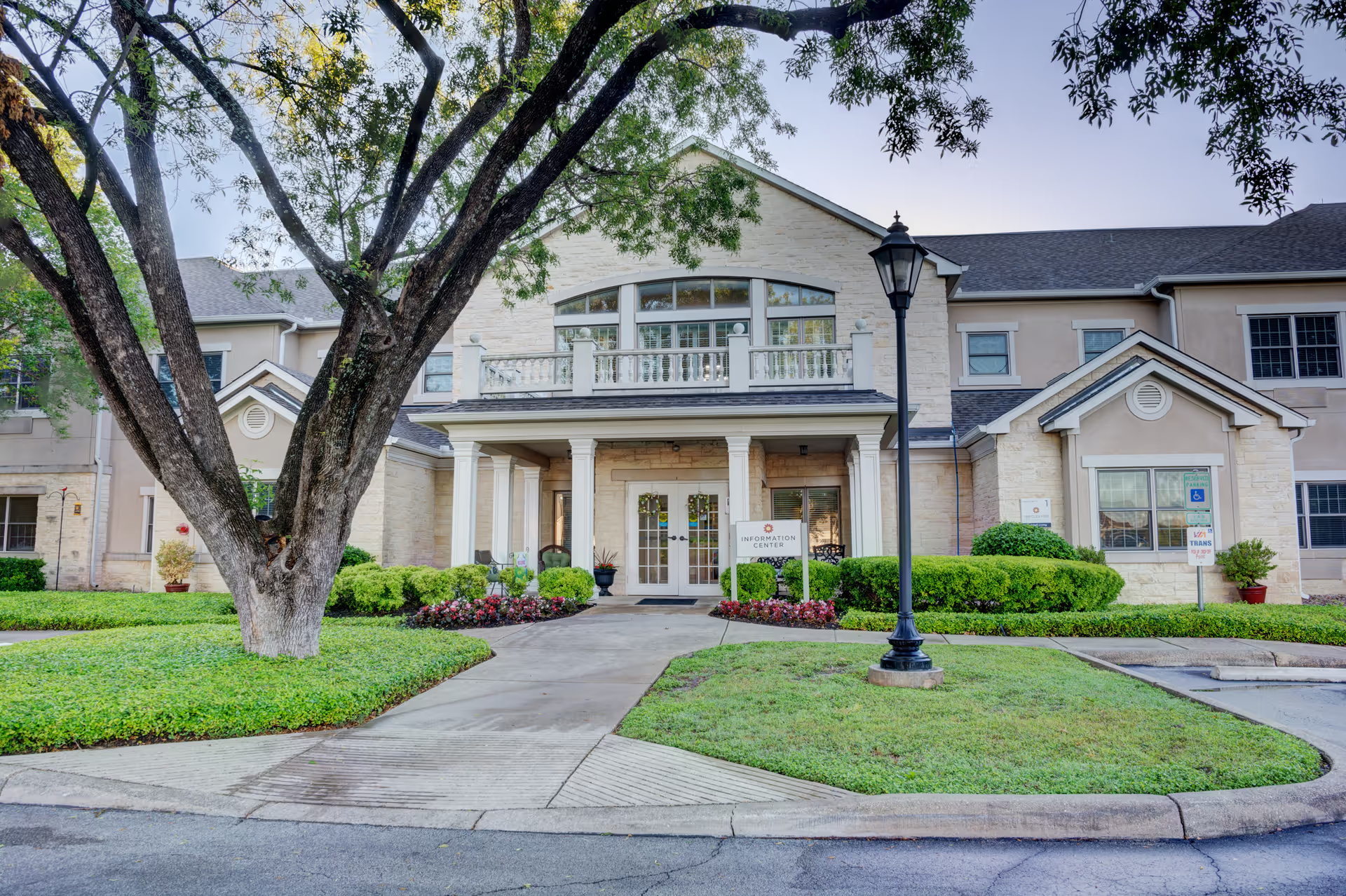
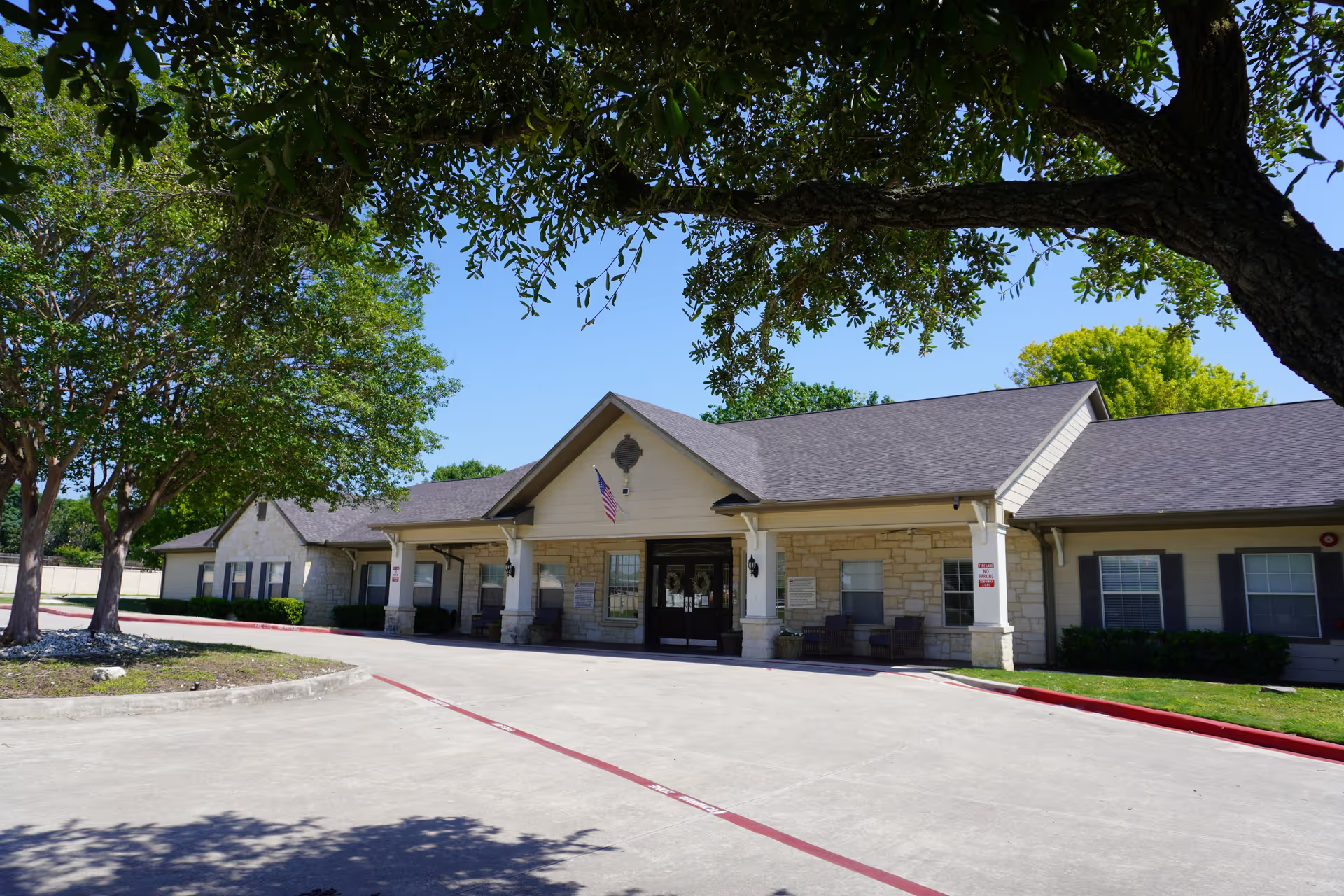
Overall impression: Feedback indicates a facility with a clear emphasis on dementia-focused, person-centered care delivered in a small, home-like setting. Many accounts highlight staff who are compassionate, familiar with dementia care principles, and willing to form personal relationships with residents. The property’s outdoor spaces, homey décor, private rooms with private baths, and small-community model are repeatedly cited as strengths that contribute to resident comfort and family confidence.
Care and staff: The caregiving team is generally described as attentive and caring, with several mentions of long-tenured employees and managers who are proactive and involved. Activity coordinators receive frequent praise for creative, individualized programming that helps residents engage. At the same time, an important pattern emerges around inconsistent staffing levels and periodic turnover, which reviewers link to gaps in nursing oversight, variable hands-on attention, and occasions when mealtime or activity support is delayed. There are also noted concerns about medication-management practices and handling of residents’ personal property; these are serious operational issues that families should discuss directly with management during a tour.
Dining and housekeeping: Opinions about dining are mixed. Some families praise clean kitchens and enjoyable meals, while others report inconsistent food temperature and quality, limited accommodation of dietary restrictions, and an overreliance on repetitive menu items or sweets. Housekeeping and laundry processes are generally positive in many descriptions, but recurring mentions of clothing mix-ups, linen issues, and spot-cleaning or sanitation concerns in certain areas suggest variability in these services.
Activities and programming: Activity programming is a clear strength when the activity director is present and engaged; reviewers describe holiday events, crafts, music nights, faith services, and one-on-one interactions. However, activity availability can be inconsistent when leadership or dedicated staff are absent, and families note adjustment periods and variability in resident participation depending on staffing.
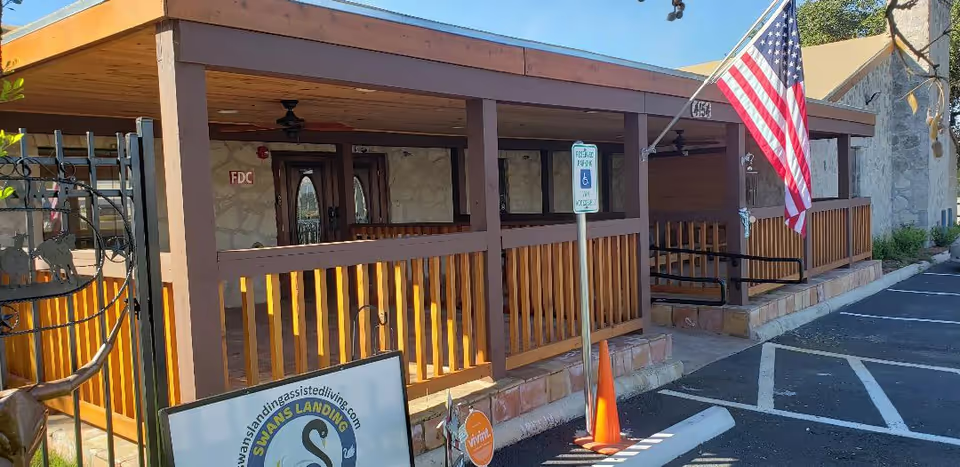
Facilities and amenities: The facility is frequently described as clean, well-maintained, and comfortable, with pleasant common areas and well-kept outdoor spaces that support walking and supervised outdoor time. The small size and cottage-style layout are viewed positively for creating a family atmosphere. Practical issues reported include small resident rooms, thin mattresses in some units, and intermittent HVAC/temperature-control problems.
Management and communication: Several accounts credit on-site managers and directors with improving care, maintaining open communication, and taking responsive action. Conversely, other accounts identify periods of weak family communication, phone-answering delays, and rapid leadership changes that affected continuity. There are also allegations concerning restricted access and mishandling of personal items; these raise governance and policy questions that should be clarified with administration and inspected in contract and visitation policies.
Notable patterns and guidance for families: The aggregate pattern is one of a facility that provides compassionate, dementia-capable care in a small, home-like environment, with standout activity leadership and engaged managers at times. Simultaneously, operational weaknesses — especially inconsistent staffing, gaps in clinical oversight, variable dining and housekeeping consistency, and concerns about medication and personal-property controls — recur enough to warrant direct inquiry. Prospective residents and families should tour more than once, ask for staffing ratios and turnover data, review medication and property-handling protocols, observe meal service and activity schedules, and request references from current families to confirm how the facility is performing on the specific dimensions most important to them.