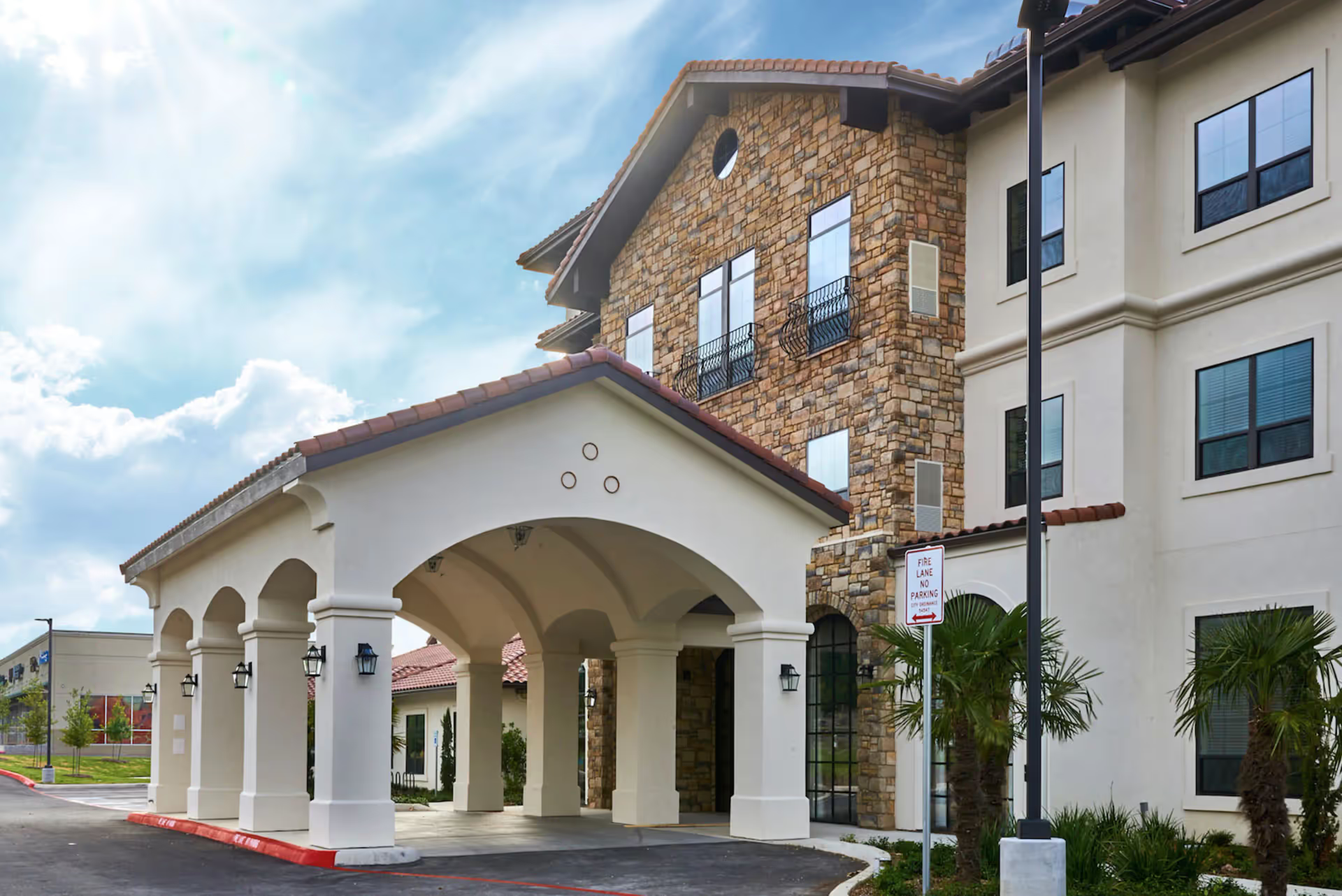
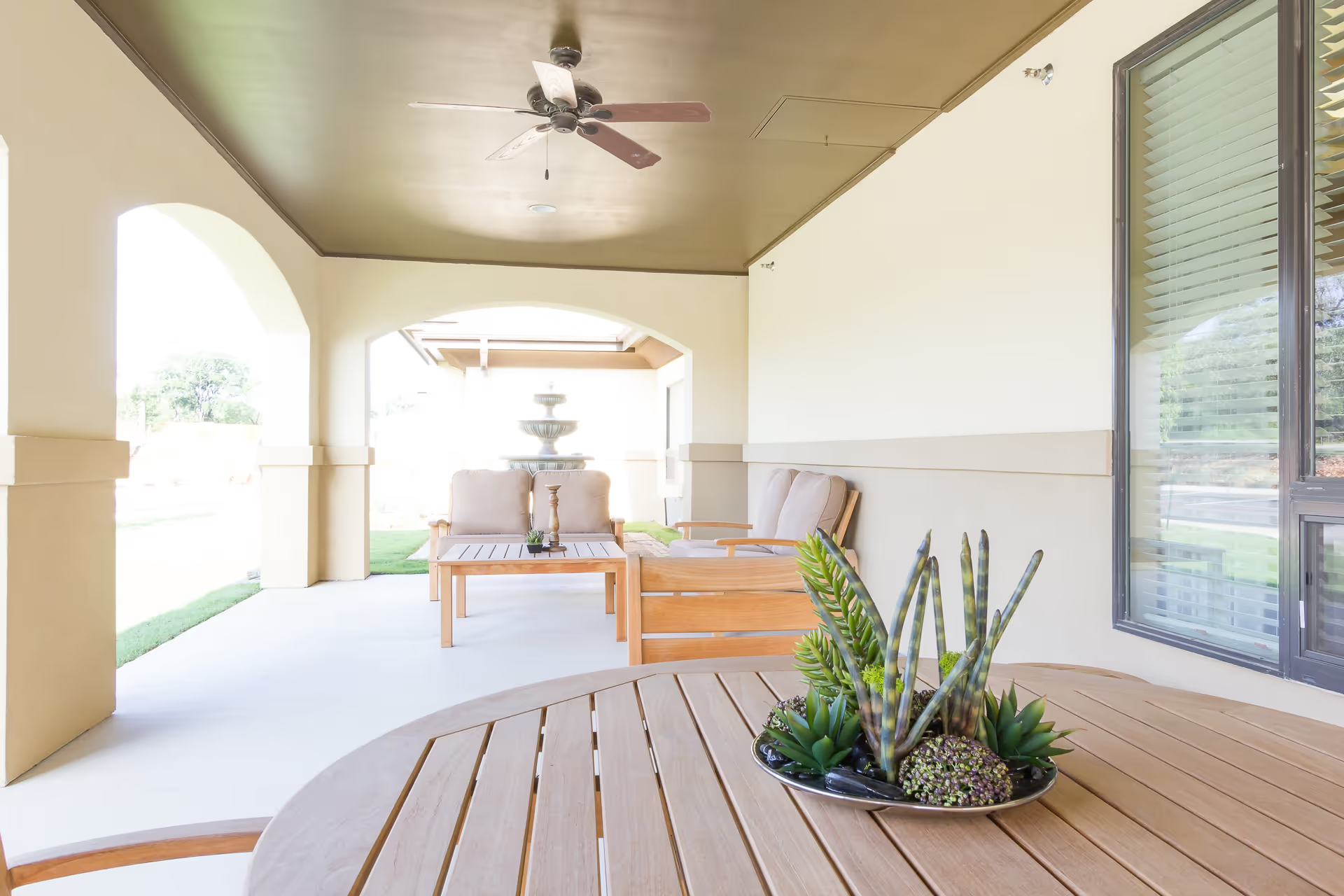
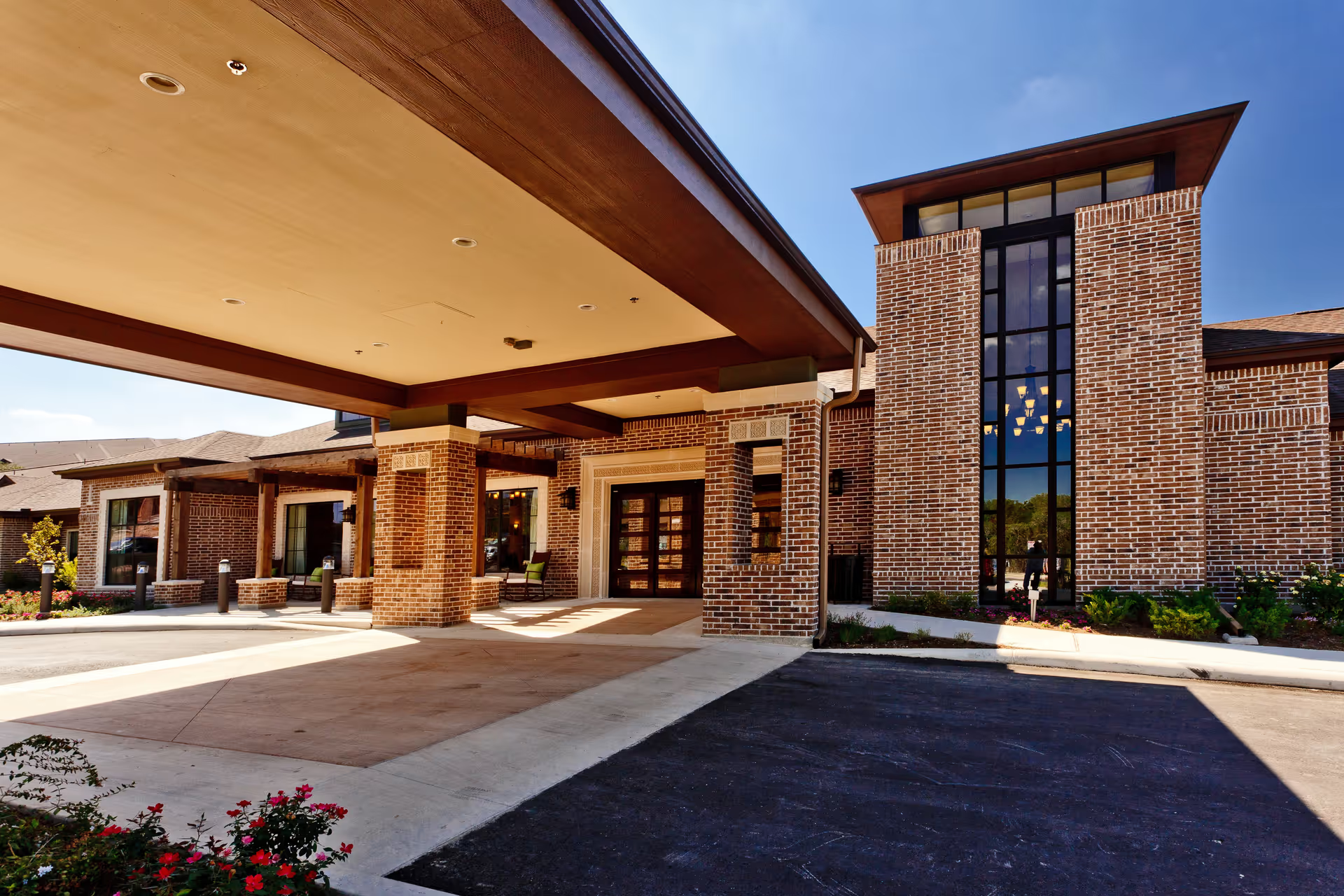
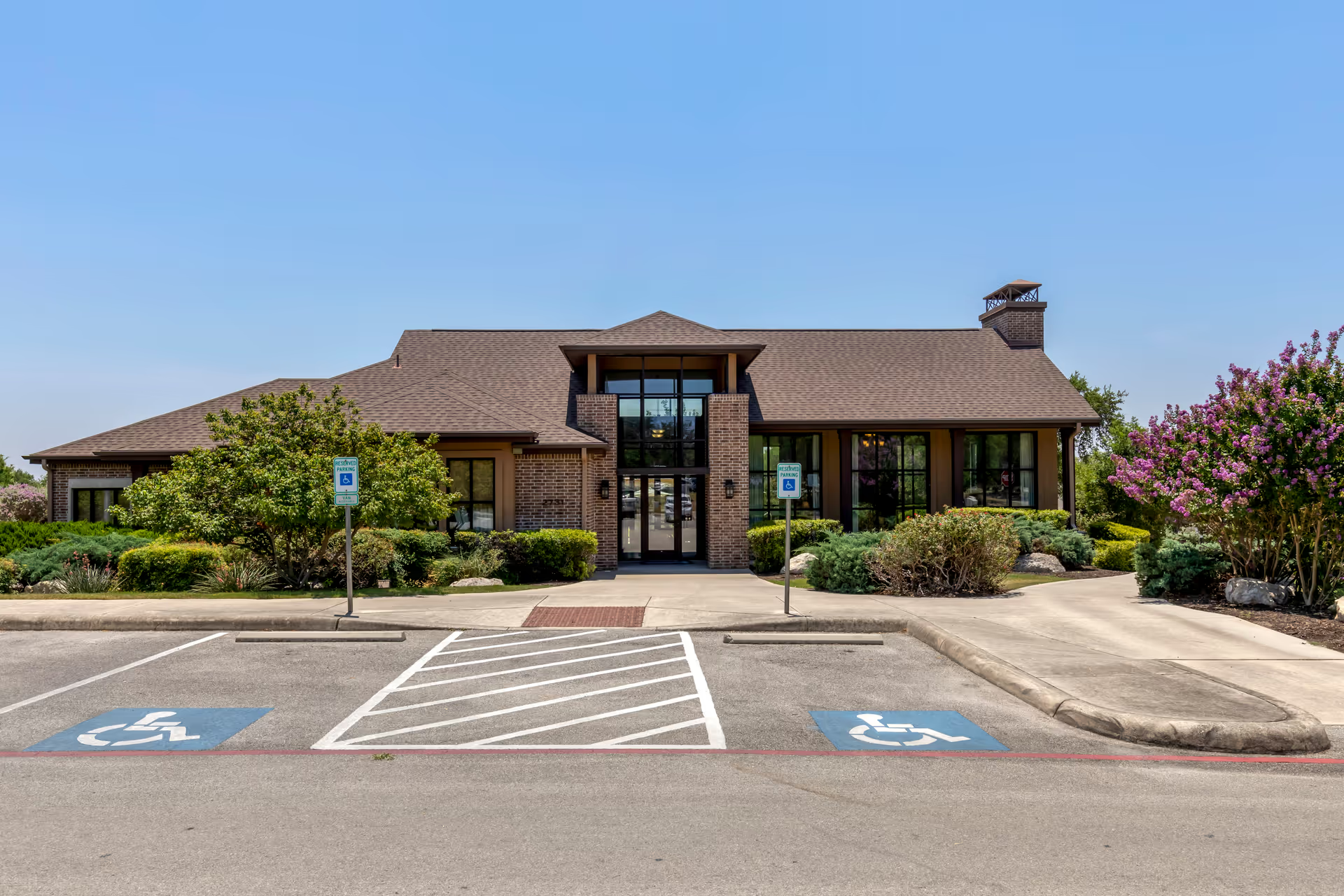
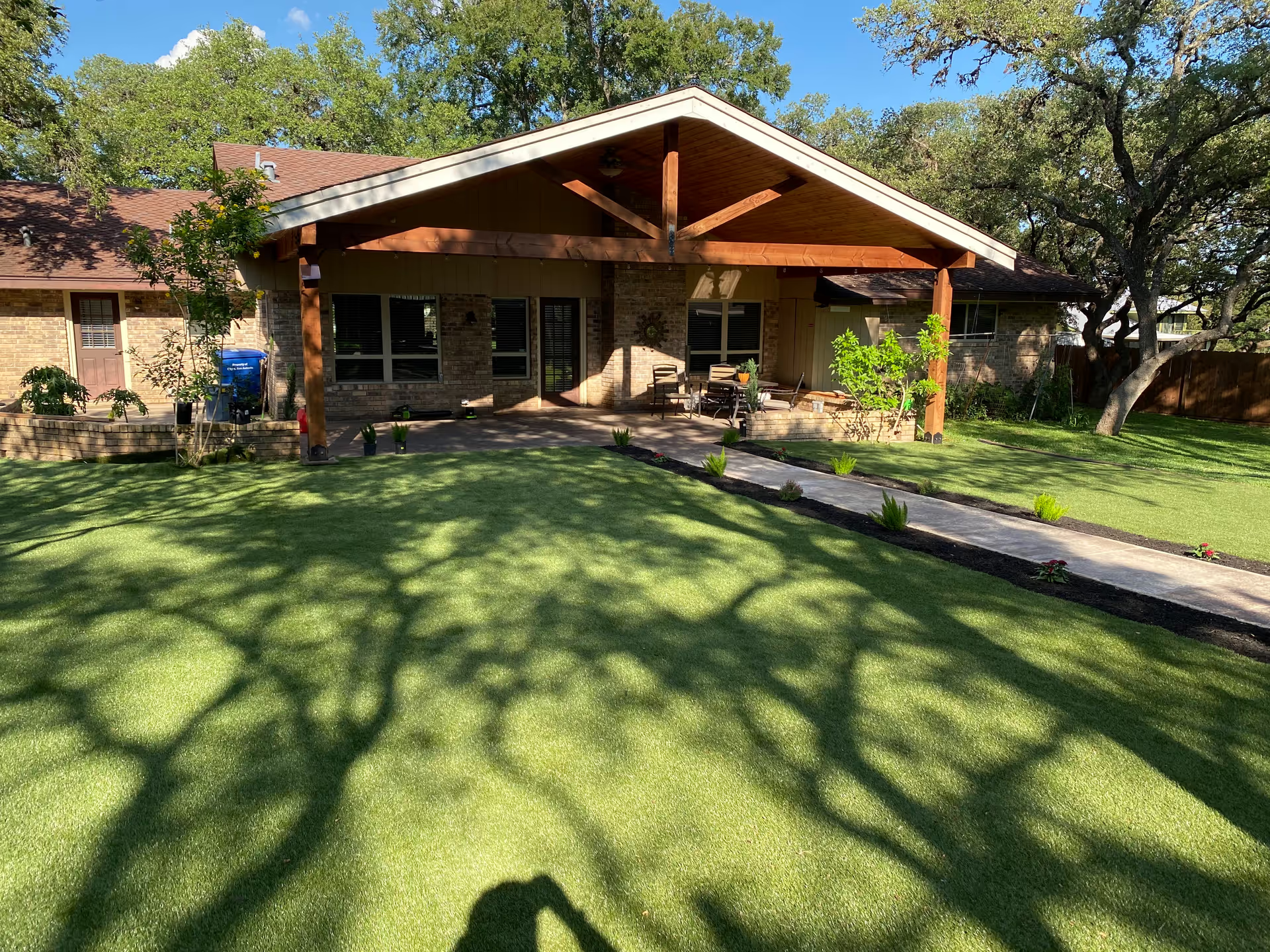
Arden Courts – San Antonio is consistently presented as a memory-care–focused community with many strengths in dementia-specific care, family engagement, and a homelike campus design. Reviewers frequently praise the facility’s small-house model (four cottages) with private rooms and en-suite baths, secure doors, and enclosed walking areas that support resident independence and safe ambulation. The community atmosphere, landscaped grounds, and table-service meals contribute to a residential rather than institutional feel for many families.
Clinical and caregiving strengths are a recurring theme. Families describe a caregiving staff trained in dementia care, frequent access to geriatric psychiatry and neurology expertise, and 24/7 nursing availability or close medical oversight. Several accounts emphasize individualized care plans, thoughtful medication adjustments, and an integrated care team that includes physicians, registered nurses, and activity therapists. Staff longevity and an accessible leadership team are noted as stabilizing factors that improve continuity of care and family communication.
Dining and programming are generally viewed positively, with many families citing ample portions, live music, and a broad mix of activities such as crafts, sing-alongs, cooking demos, and outings. The community offers on-site salon/barber services and occasional dental visits, and activity staff are often commended for encouraging participation and socialization. That said, some families describe uneven execution of activities — including reliance on prerecorded or screen-based content that may not engage all residents — and a desire for more menu variety or alternative meal options.
Facility condition and safety receive mostly favorable comments about cleanliness, large rooms, and well-kept corridors, but recurring operational concerns appear across reviews. These include inconsistent staffing coverage (especially nights, weekends, and holidays), lapses in completing routine tasks such as laundry and certain personal-care duties, and specific gaps in clinical tasks or assistive-device management (for example hearing-aid handling and catheter attention). A number of families raised maintenance issues such as uneven outdoor pathways that create trip hazards. There are also a few serious allegations concerning theft and property-management failures that families expect the provider to investigate and address.
Management, communication, and admissions processes are frequently praised for responsiveness, family inclusion, and education programs; many families report timely updates, FaceTime visits, and helpful admission support. At the same time, reviewers mention some operational rigidity around notice and admission policies and occasional variability in how medication decisions are applied across residents. Several families recommended touring the community to assess fit, particularly for residents in different stages of dementia—some reviewers felt the environment was ideal for early and late stages but described challenges with certain middle-stage behaviors and escalation protocols.
Overall, Arden Courts – San Antonio is described as a well-appointed, dementia-specialized community with strong interpersonal care, medical resources, and family engagement. Prospective families should weigh the clear strengths in dementia expertise, homelike design, and leadership against the operational variability reported in staffing consistency, routine task reliability, activity delivery, and campus maintenance. A focused discussion with administrators about staffing patterns, clinical-task protocols, property-security measures, and activity planning is recommended before placement to ensure the community’s routines align with a prospective resident’s needs.