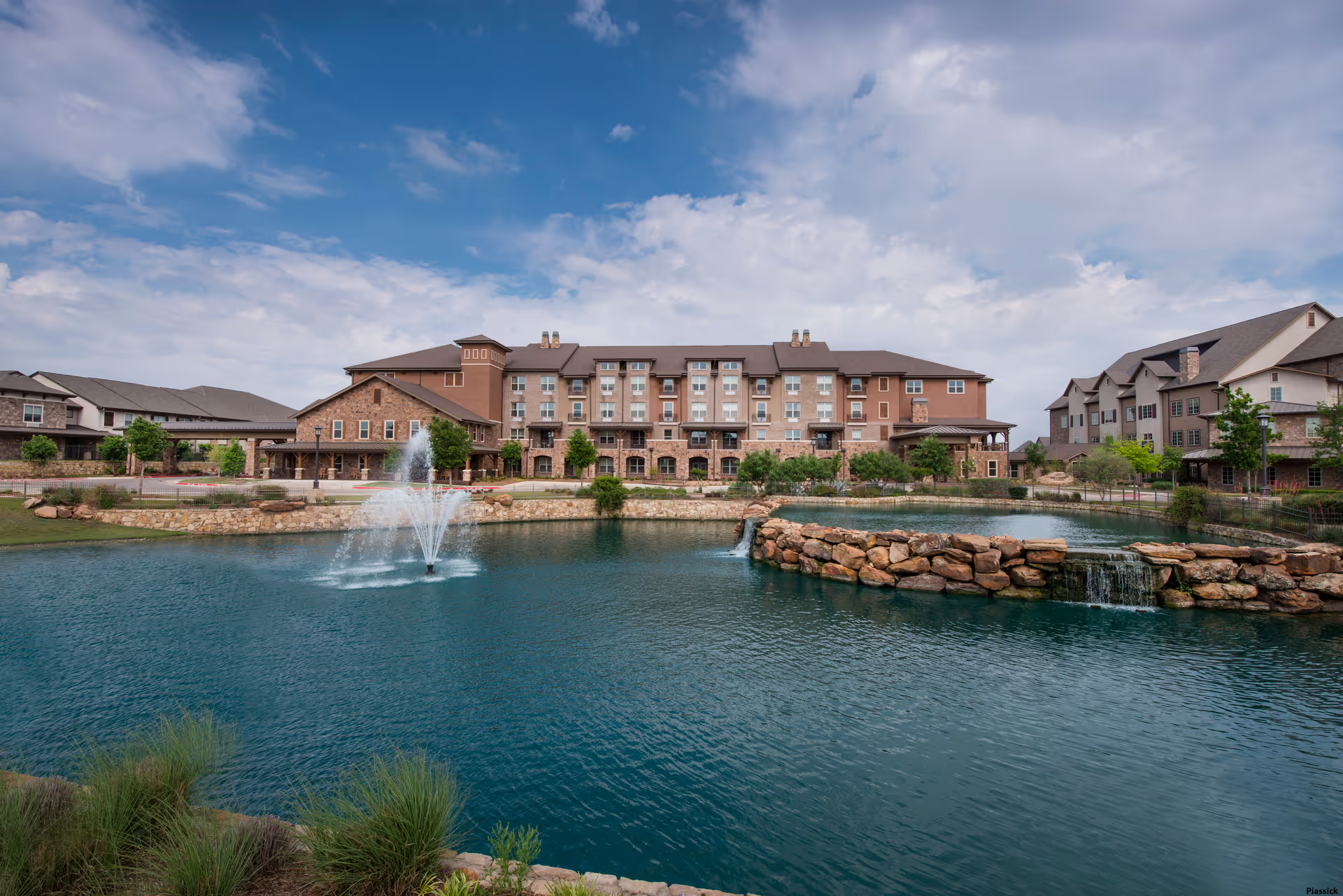
HarborChase of Southlake elicits a strongly polarized set of impressions: many reviewers praise the facility's physical environment, hospitality-oriented amenities, and individual staff who deliver compassionate hands-on care, while others describe persistent operational and management weaknesses that affect day-to-day resident experience. The community presents itself as a high-end, resort-like assisted living and memory-care option with strong life-enrichment programming and an attractive campus; however, underlying operational gaps have produced inconsistent resident outcomes.
Care and staff: Caregiving staff are frequently described as kind, attentive, and willing to go above and beyond; several reviews singled out specific caregivers and directors for excellent clinical and interpersonal work, particularly in memory care and end-of-life moments. At the same time, families reported notable inconsistency in continuity of care: high turnover, staffing reductions, and frequent personnel changes have weakened relationships between residents and care partners in some cases. Operationally significant issues include delays in medication administration and inconsistent assistance with routine activities (for example, housekeeping and timely reminders for assistive devices), which indicate variability in day-shift nursing and direct-care workflows.
Dining and activities: Dining receives largely favorable comments about food quality, varied menus, and Bistro-style options, and many reviewers praised particular dining staff for responsiveness to preferences. There are, however, recurring comments about interruptions to meal service, occasional declines in meal quality in specific units, and point-based meal limitations that affect resident access to higher-end options. Activities and life-enrichment are cited as a consistent strength — creative programming, social opportunities, and therapeutic stimulation are present — though participation and program consistency sometimes depend on staffing and resident mix.
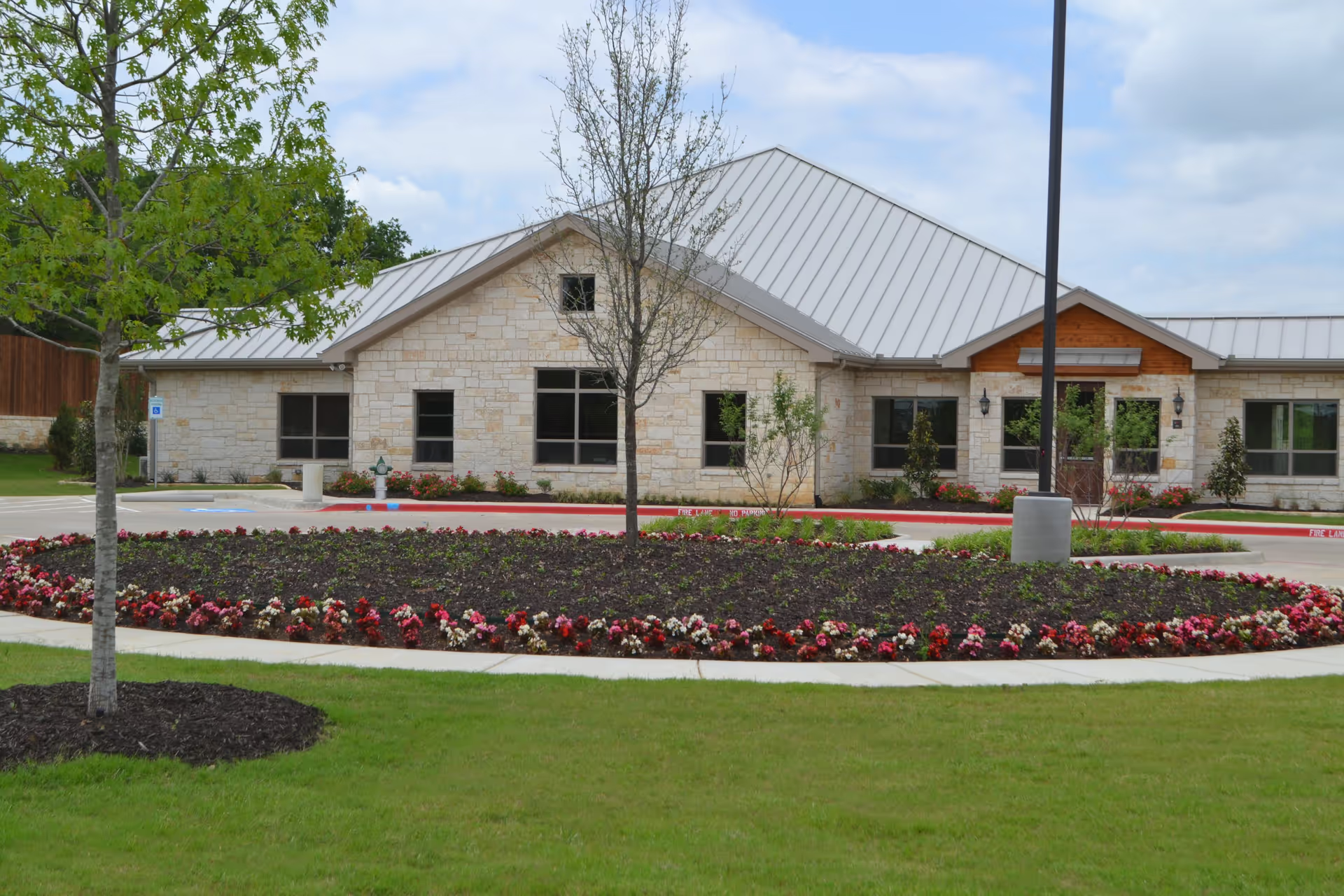
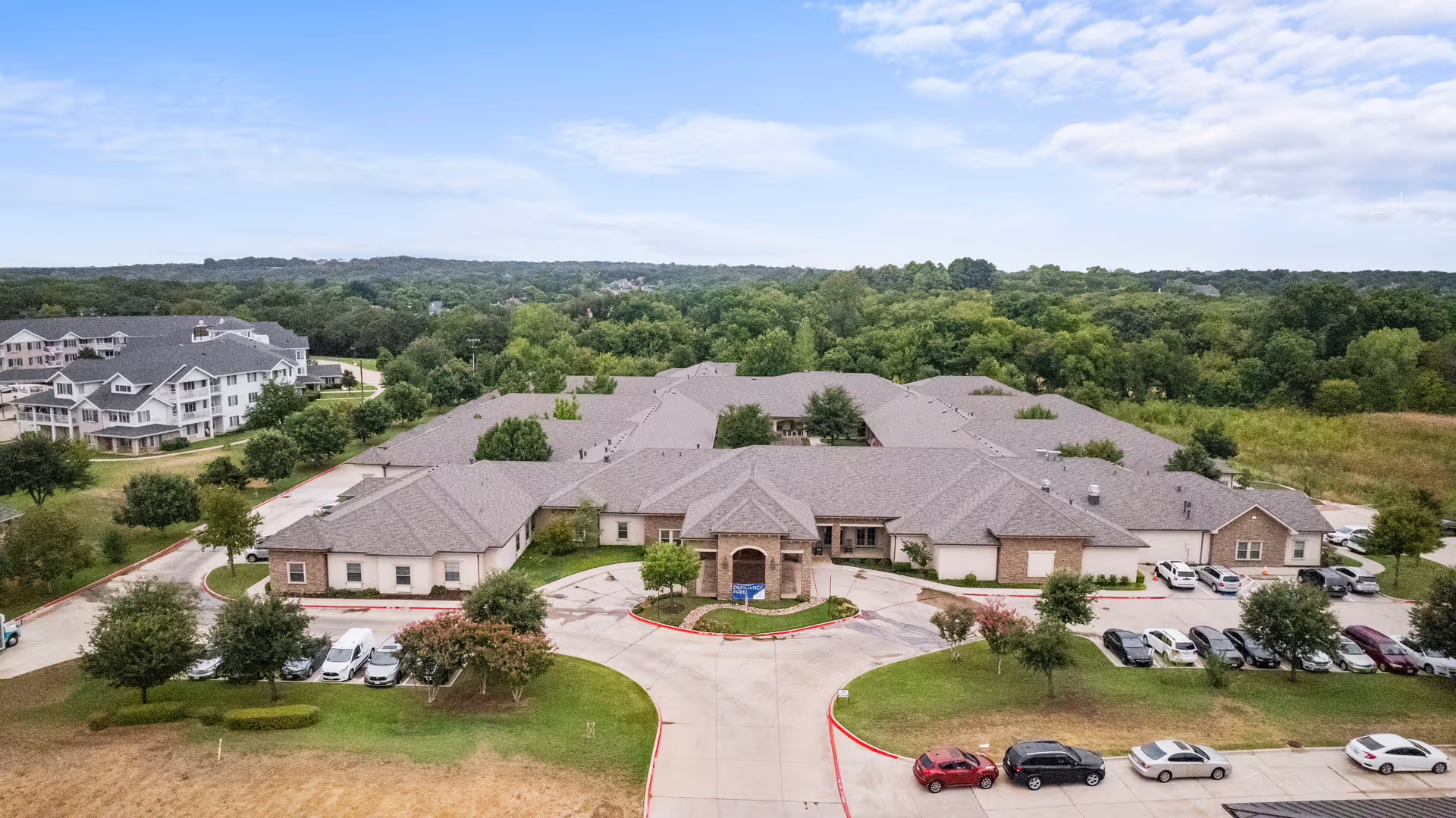
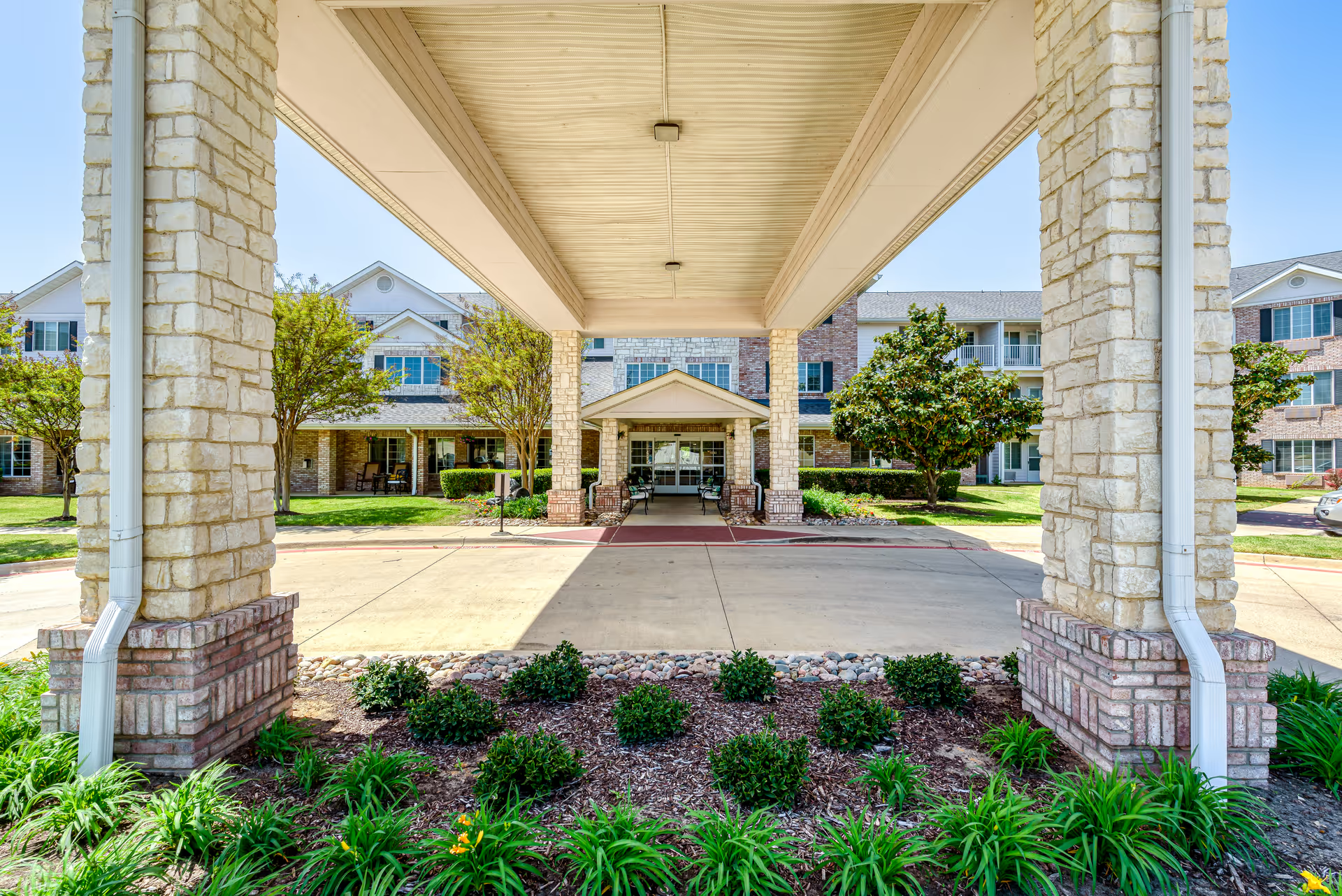
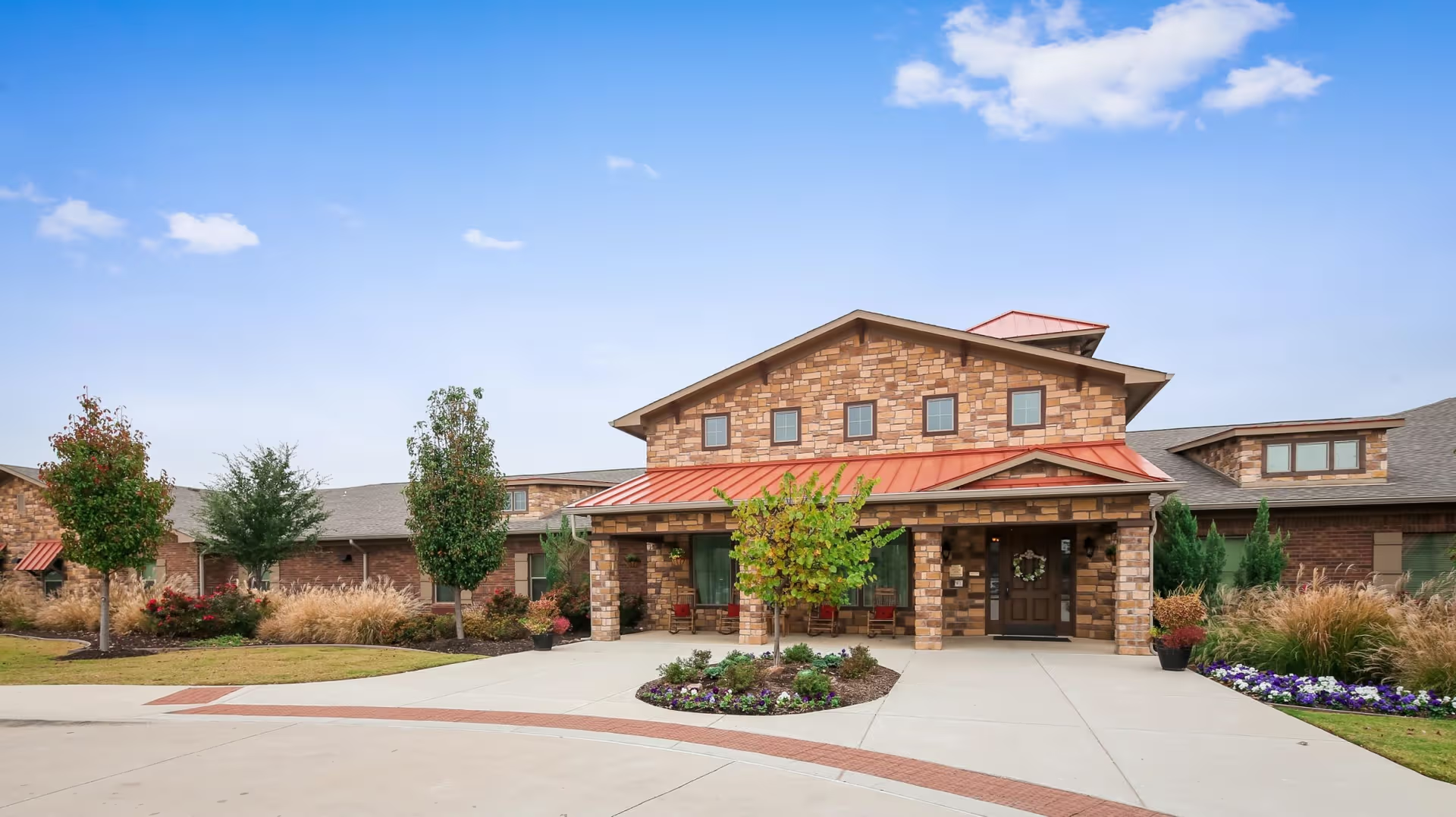
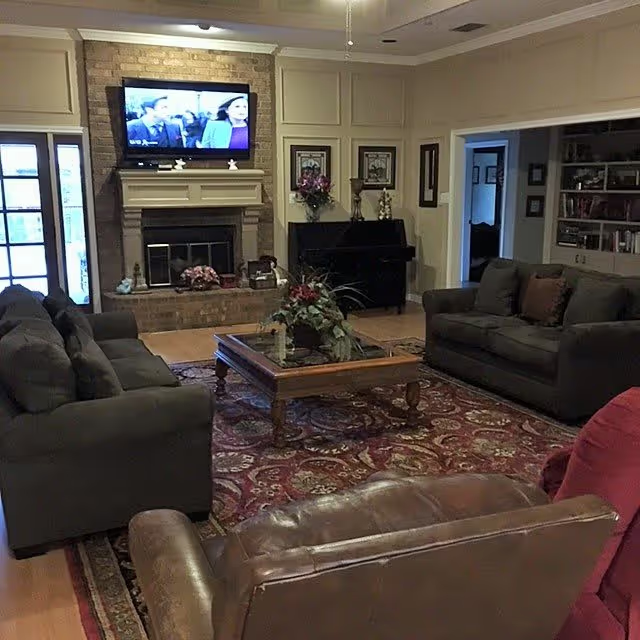
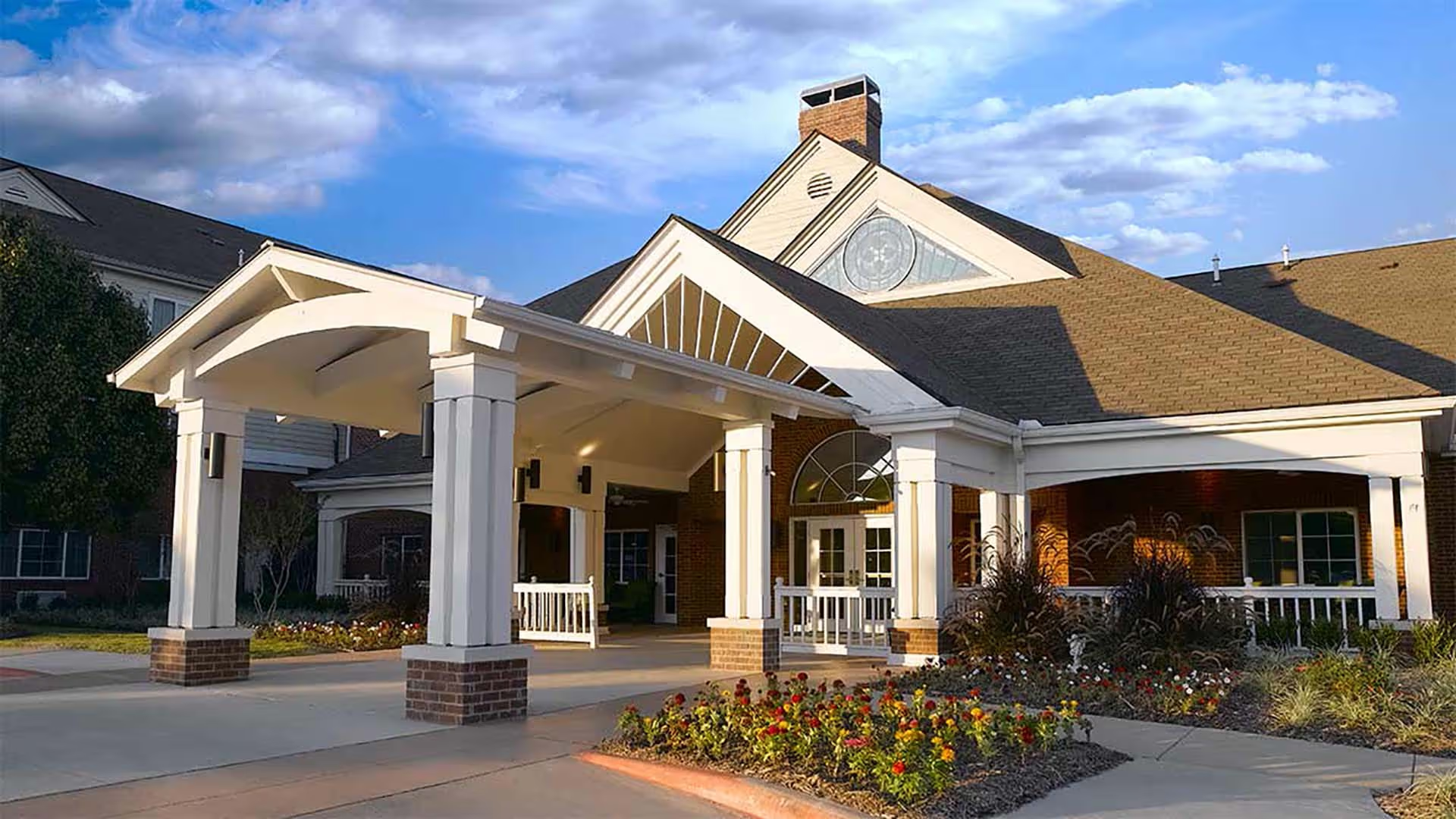
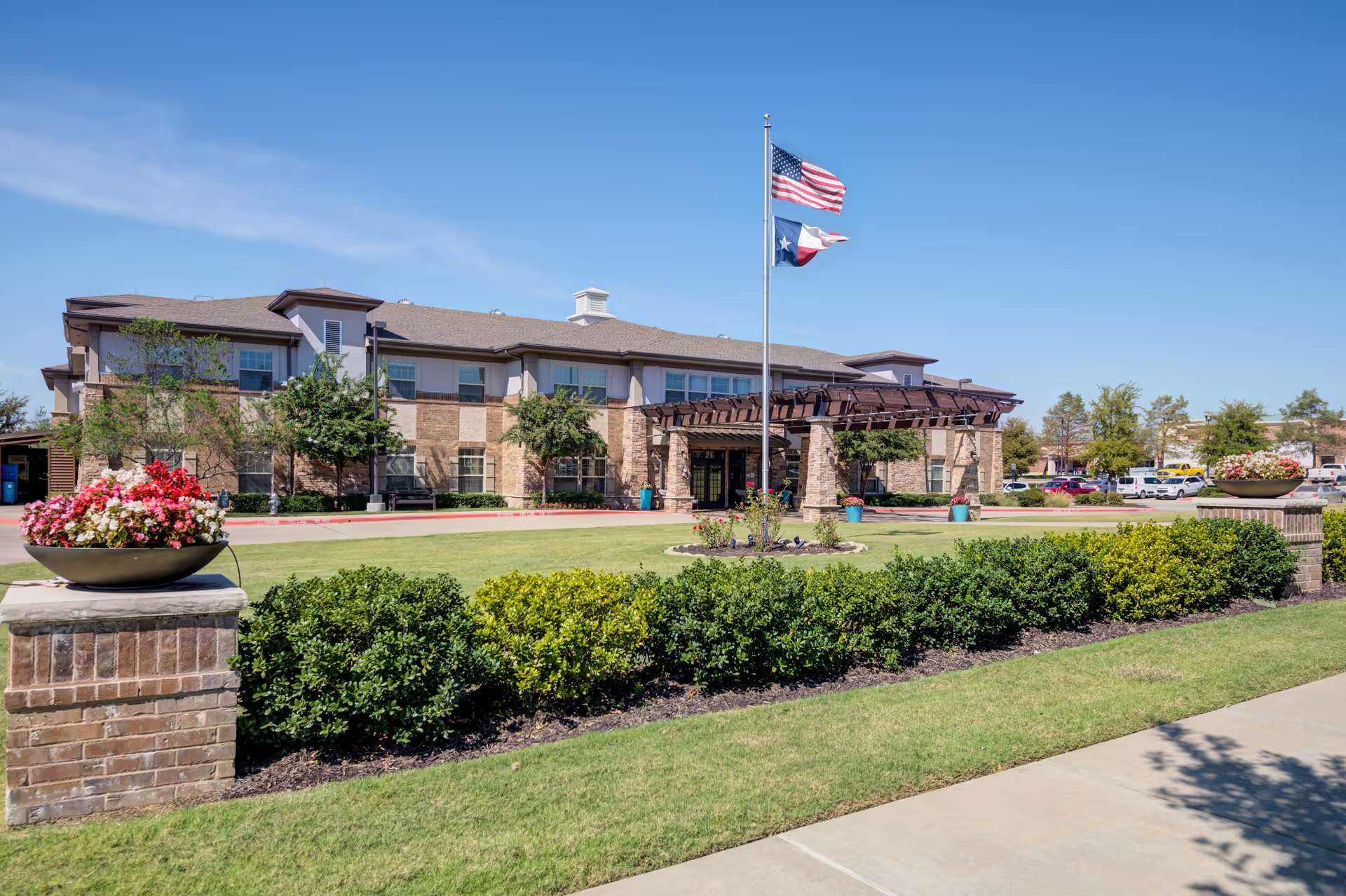
Facilities and maintenance: The building, grounds, and interior finishes are widely described as attractive and well-appointed, contributing to a warm, hotel-like atmosphere. Nevertheless, multiple reviews raise concerns about construction quality and long maintenance response times: broken thermostats, prolonged HVAC outages, drafty vents, and other repairs have taken an extended time to resolve in some cases. Laundry capacity and shared equipment constraints have been called out as a practical bottleneck. Reviewers also raised pest-control concerns and described instances where sanitation and housekeeping oversight were inconsistent — this appears to be an operational control issue rather than a uniform property characteristic.
Management, communication, and billing: Management impressions vary sharply. Several families found directors accessible and proactive, while others describe a change in administrative tone after management transitions, with reduced responsiveness and a greater emphasis on cost control. Common themes include opaque billing practices, unexplained extra charges, significant rent increases, and limited corporate responsiveness to escalation. There are also reports of insufficient communication around clinical incidents and end-of-life coordination, which compounded family distress in some engagements.
Notable patterns and considerations: The overall pattern is one of high potential — strong programming, good therapy services, and many excellent frontline staff — offset by operational fragility. Key risk areas for prospective families are continuity of caregiving, medication and housekeeping reliability, maintenance responsiveness, pest-control oversight, and billing transparency. For families considering HarborChase of Southlake, recommended due diligence includes asking about current staff turnover and vacancy rates, written protocols for medication administration and housekeeping schedules, response-time guarantees for maintenance requests, pest-control policies, recent audit results or inspection records, and detailed billing practices (including how end-of-life inventory and oxygen or equipment charges are handled). A focused tour that includes clinical leadership, a sample care plan discussion, and review of recent family communications will help clarify whether the facility’s strengths are being sustained operationally for a specific resident.