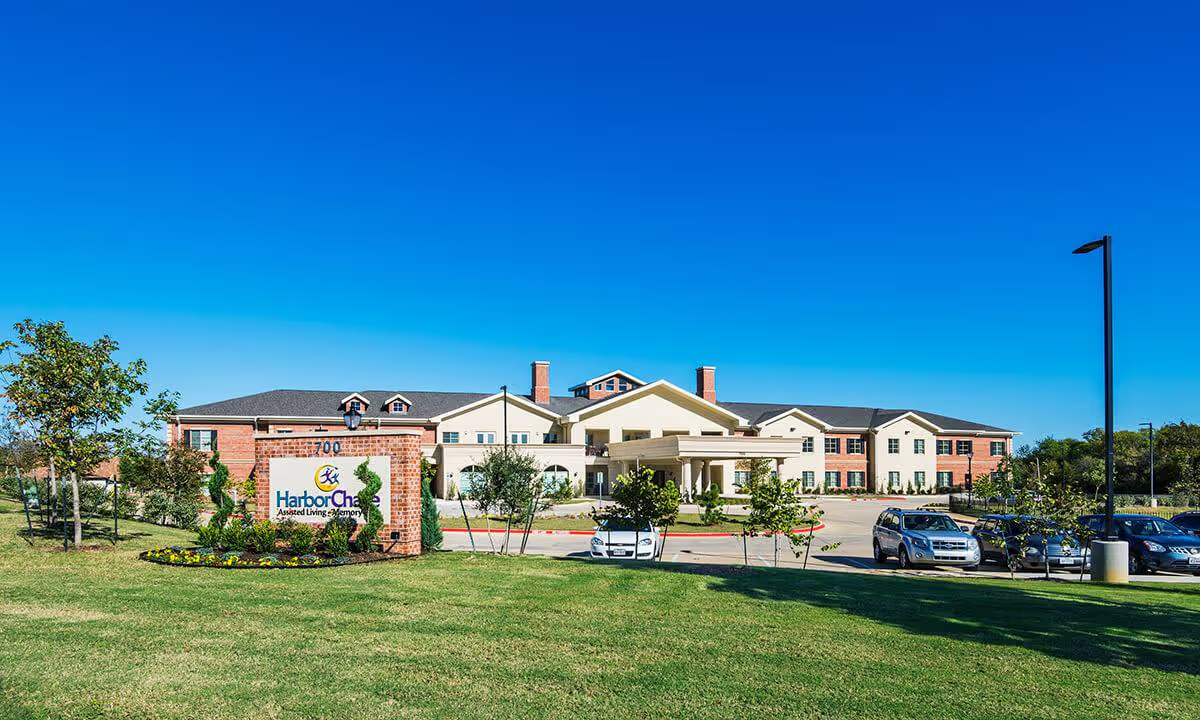
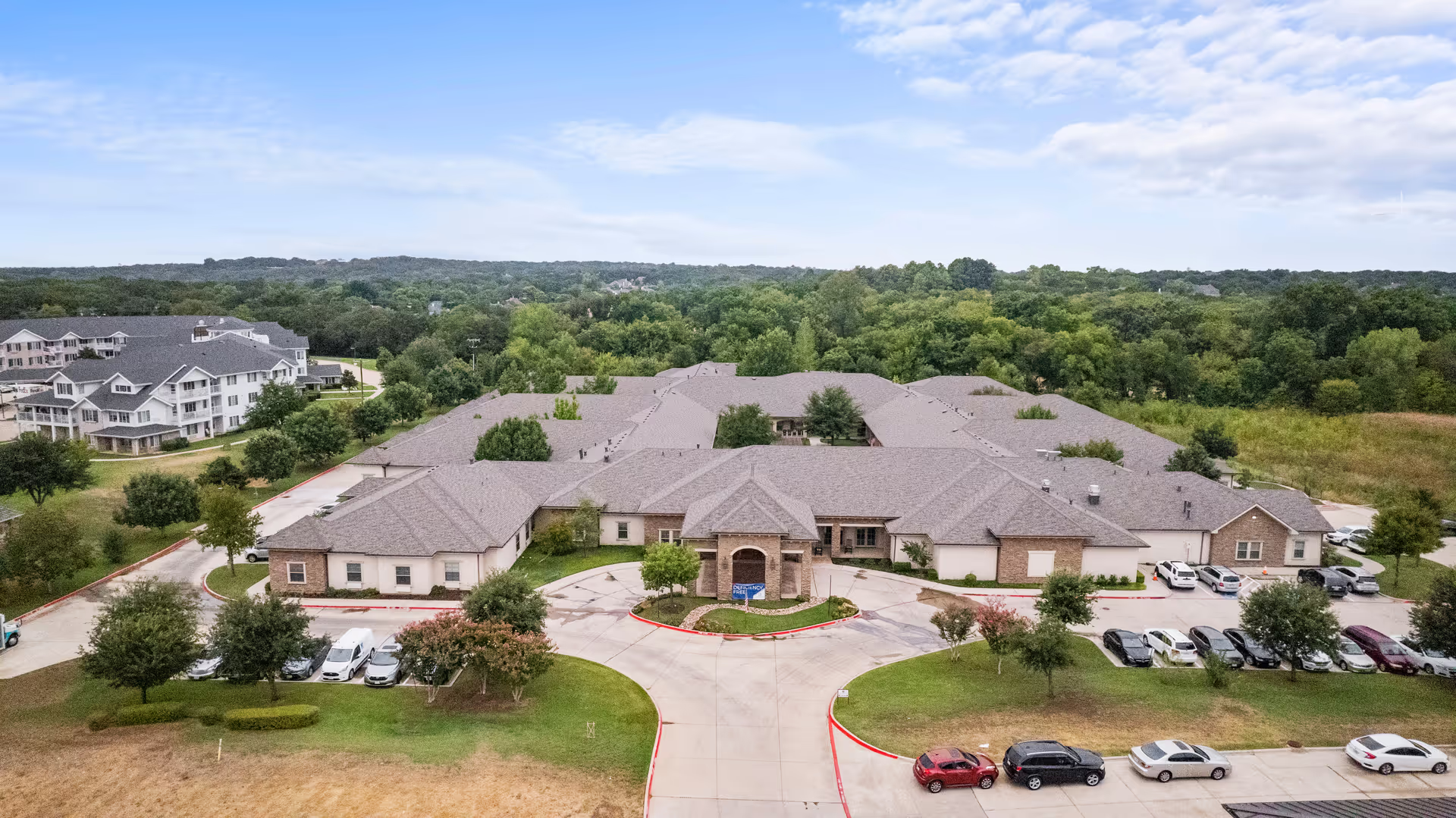
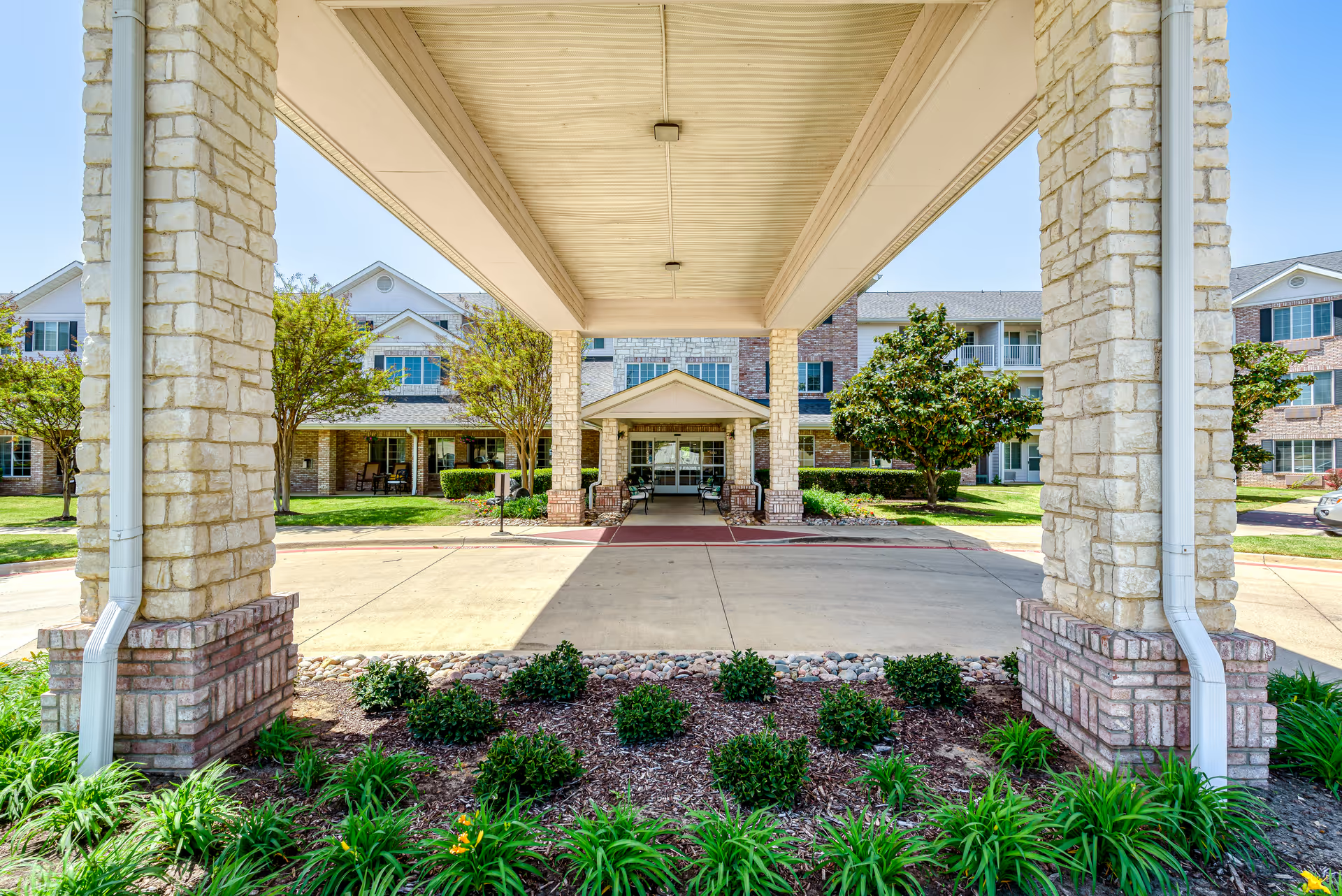
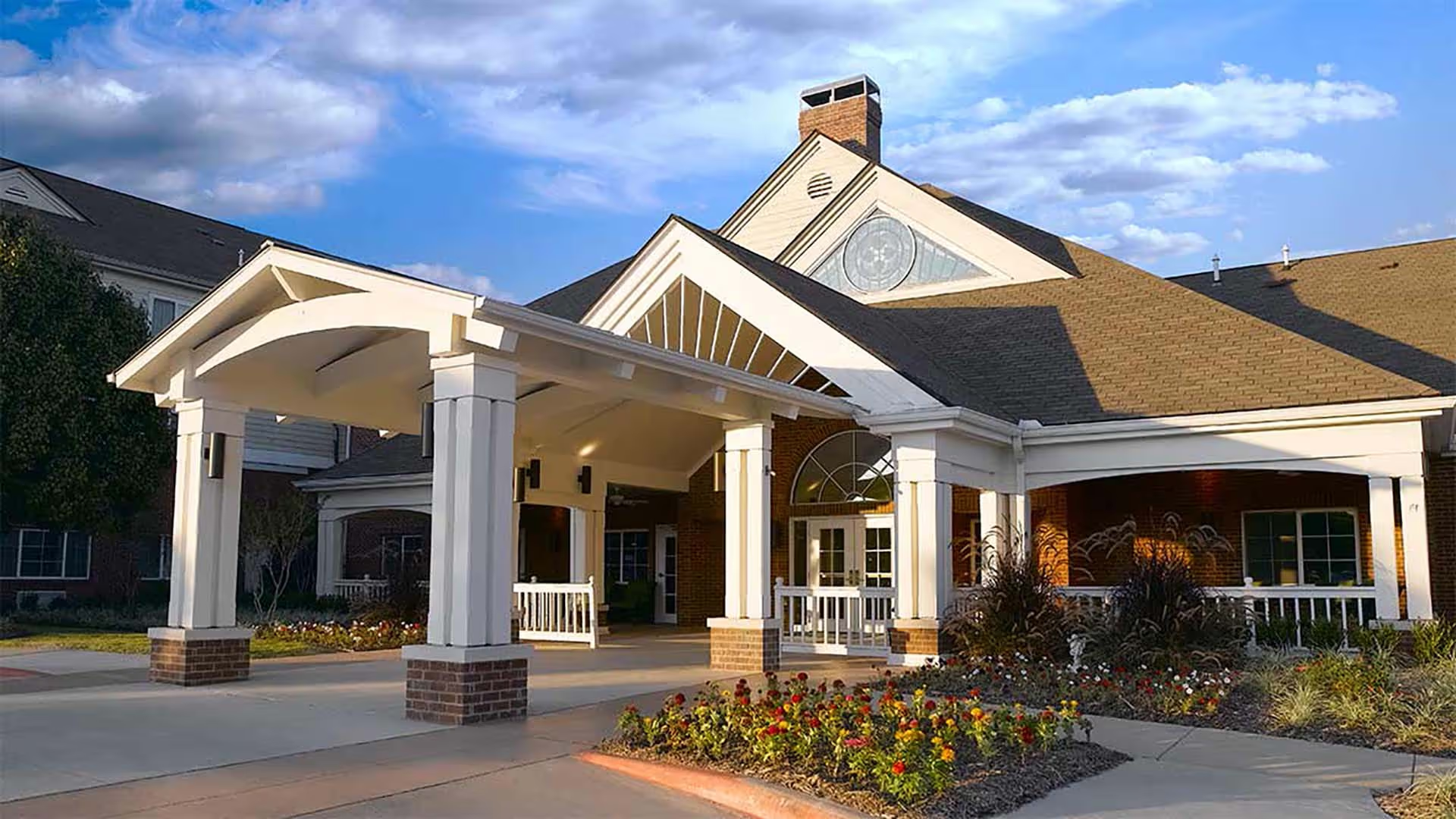
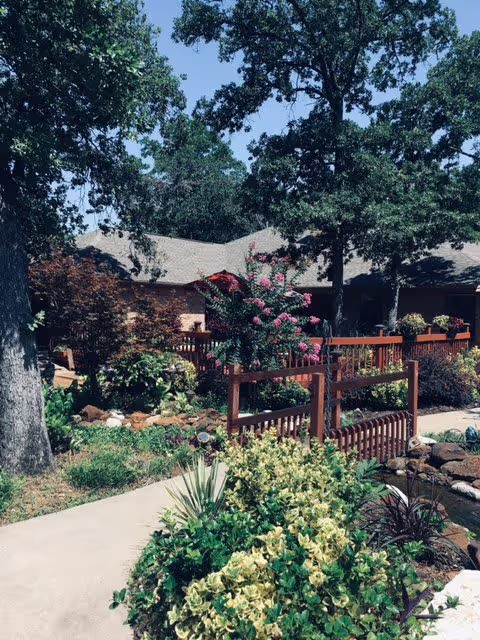
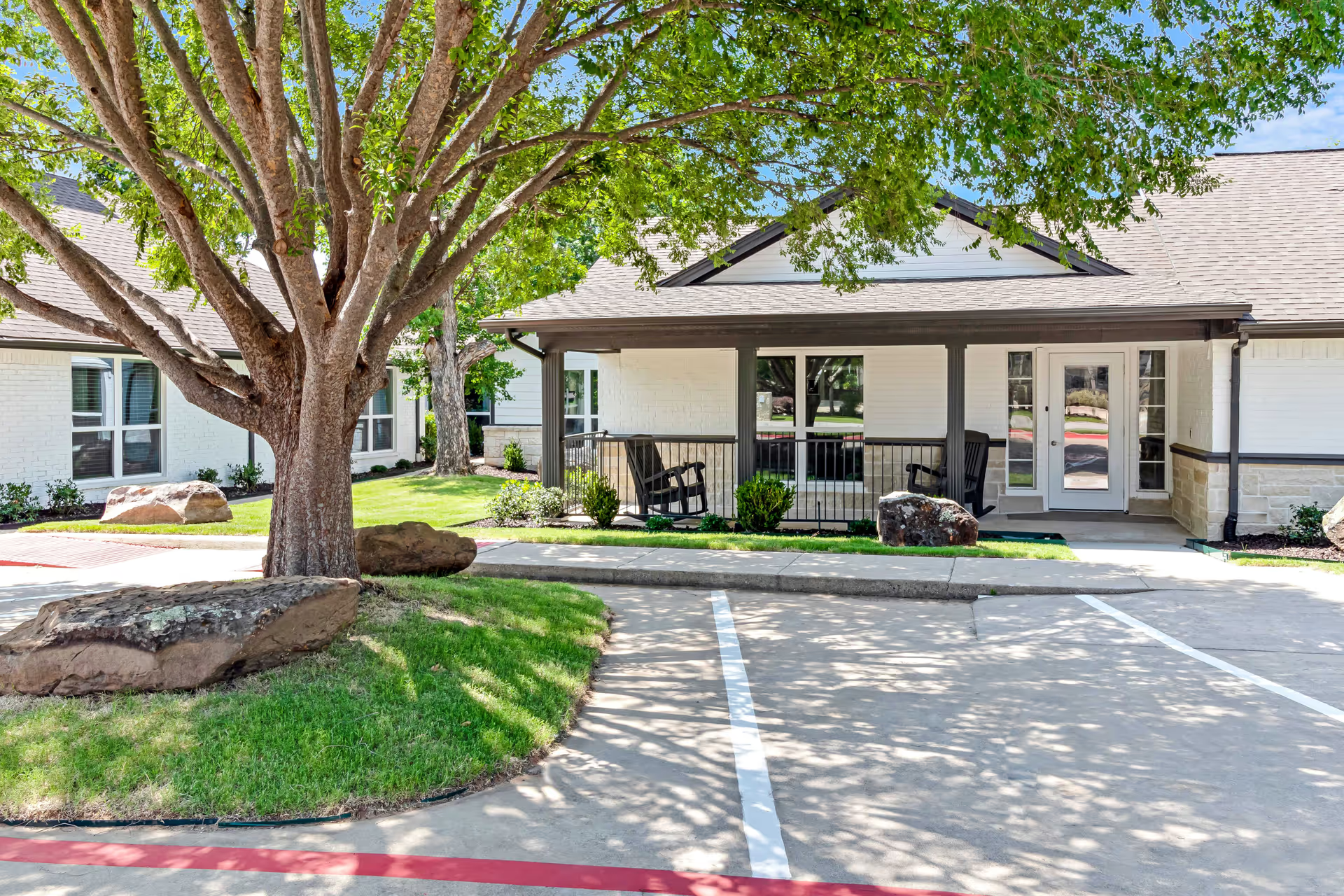
Southlake Silver Ridge presents as a well-appointed, hospitality-style assisted living and memory care community with strong physical amenities. Families consistently praise the lakeside setting, outdoor areas (gazebo, walking paths), and an interior described as mansion-like and well maintained. Housekeeping and maintenance receive frequent positive comments. The community is pet-friendly, offers on-site therapy services, a shuttle to a nearby Lakeside venue, and provides many social opportunities that reviewers describe as thoughtful and restaurant-quality dining with dietary accommodations.
Clinical coverage and nursing are recurring strengths in many accounts. Multiple families cite 24/7 nursing presence, skilled LVNs and nurses, and staff who are attentive, compassionate, and able to support improvements in residents' physical and cognitive function. The community’s Nexus/memory-care programming, music and therapy activities, and on-site occupational/physical therapy are identified as beneficial by relatives who saw increased engagement or cognitive gains. Hospice and end-of-life support, when needed, is reported as available and supportive.
Despite these positive elements, reviews reveal operational inconsistencies that prospective families should evaluate. Staffing levels and turnover are commonly cited as affecting day-to-day care continuity: caregivers may be inconsistent, activity delivery can vary between units, and some families report that staffing constraints reduce the frequency or scope of programmed activities. Related to staffing and training, reviewers describe variable practice areas such as feeding assistance, ostomy/bag management, and incontinence-care responsiveness; these are presented as operational weaknesses rather than isolated aesthetic issues.
A subset of reviews raises more serious clinical and safety concerns. These include medication-management issues and practices described as nonclinical calming measures; delayed or incomplete communication to families following nighttime incidents or wandering events; and gaps in nighttime supervision and elopement-prevention protocols. There are also accounts of leadership being slow to respond to family concerns in specific cases. Some families perceived a change in consistency and cleanliness following an ownership transition, suggesting variability over time in operational performance.
Dining and activities receive largely positive remarks, with many families enjoying chef-prepared meals, themed events, music therapy, and social outings; however, meal quality and feeding assistance are described as inconsistent in certain situations. The facility’s marketing and stated expertise in memory care are generally supported by families who experienced structured programming and engaged staff, while others advise careful clarification of unit-specific offerings and staffing before placement.
Overall, Southlake Silver Ridge offers strong environmental and clinical assets—attractive grounds, robust nursing presence, varied activities, and supportive hospice care—that many families find valuable. At the same time, recurring themes of staffing instability, uneven execution of care practices, and lapses in communication or night supervision appear in multiple accounts. Prospective residents and families should weigh the facility’s amenities and nursing resources against these operational variability indicators, and ask targeted questions about staffing ratios, incident reporting, medication protocols, incontinence care procedures, and unit-level activity schedules during their tour and decision process.