Barton House Memory Care is consistently described as a small, home-like memory-care community with a strong emphasis on personalized, dementia-focused caregiving. Families repeatedly emphasize the compassionate, dementia-trained staff and a high caregiver-to-resident ratio that enables one-on-one attention and individualized routines. Long-term staff relationships and an engaged administrator are cited as stabilizing factors that contribute to a calm, family-oriented environment and comforting end-of-life support when needed.
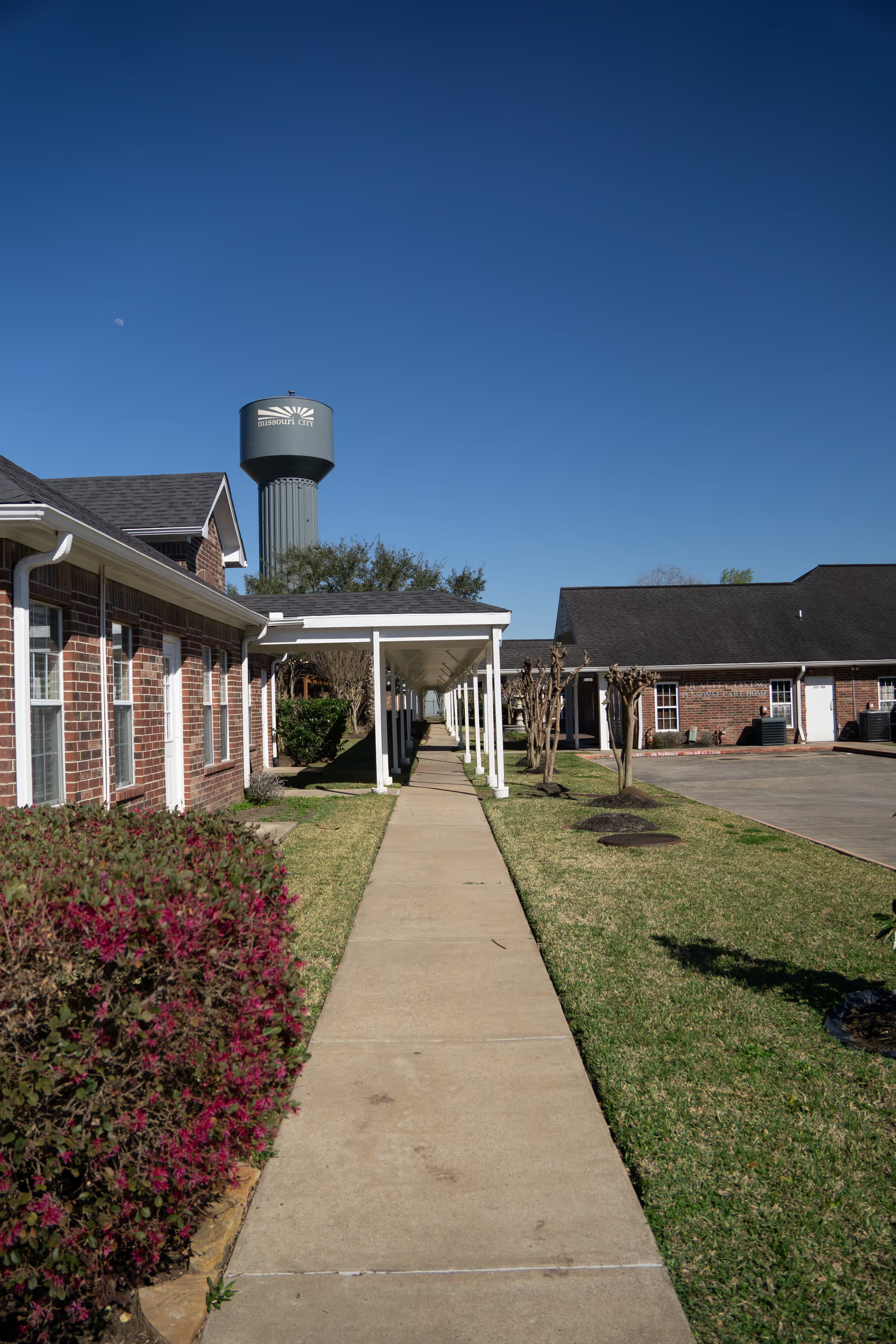
Dining and daily living are frequent strengths in the feedback. The facility offers frequent, chef-prepared meals on-site with attention to nutrition and dietary accommodations; reviewers mention a pass-through kitchen that supports interaction with staff and the sensory benefits of seeing and smelling cooking. Activity programming emphasizes memory stimulation and age-appropriate engagement, including routine schedules, garden/outdoor time by the lake, escorted outings, and on-site services such as a salon. The grounds are noted for being well maintained, with secure paths, a gazebo, and a waterfront setting that many families find therapeutic for residents.
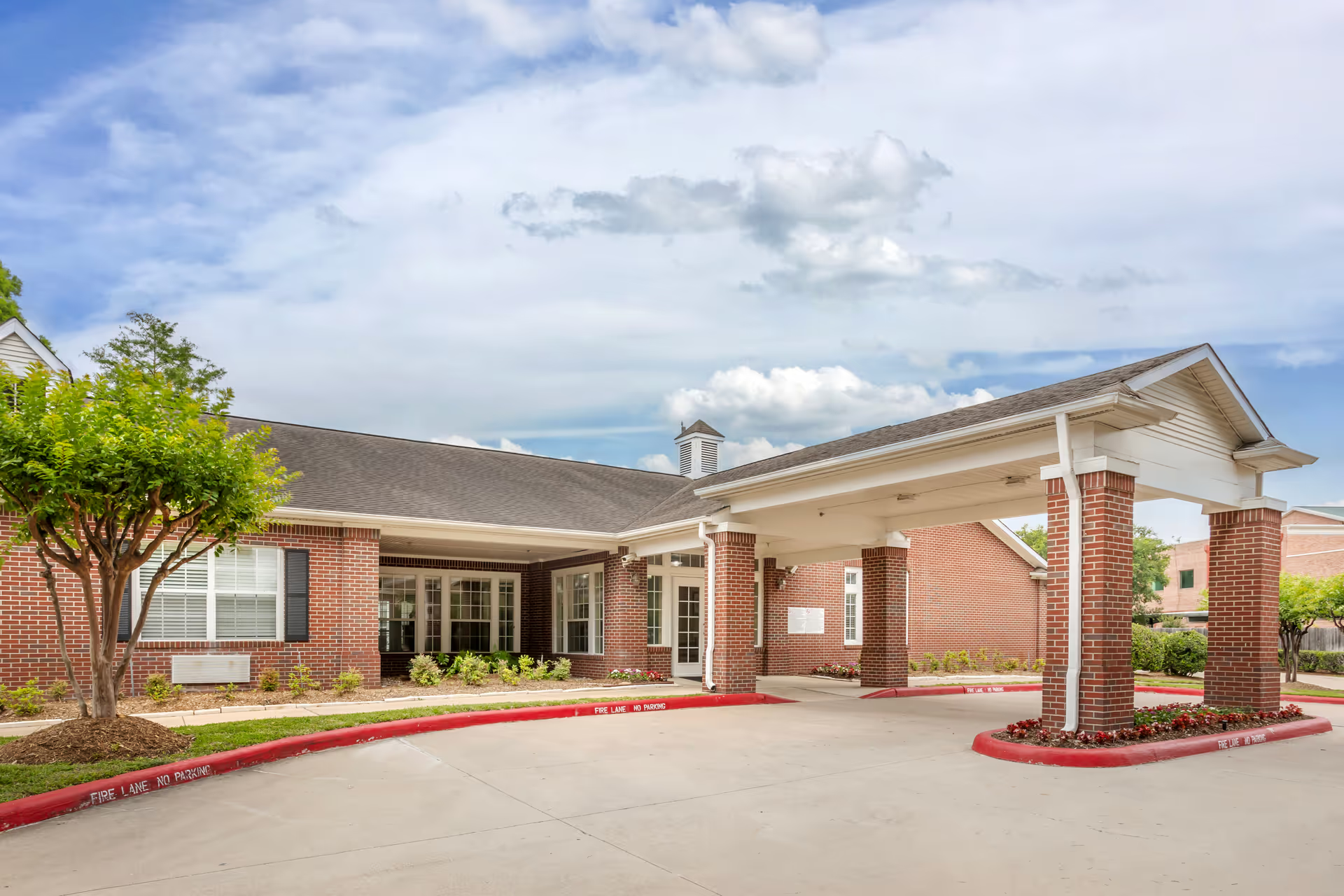
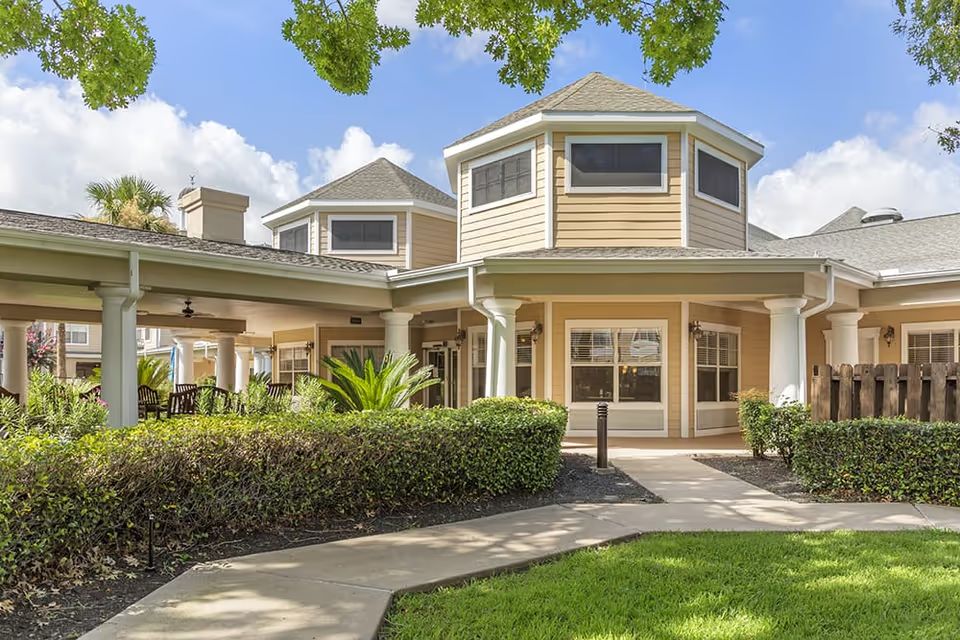
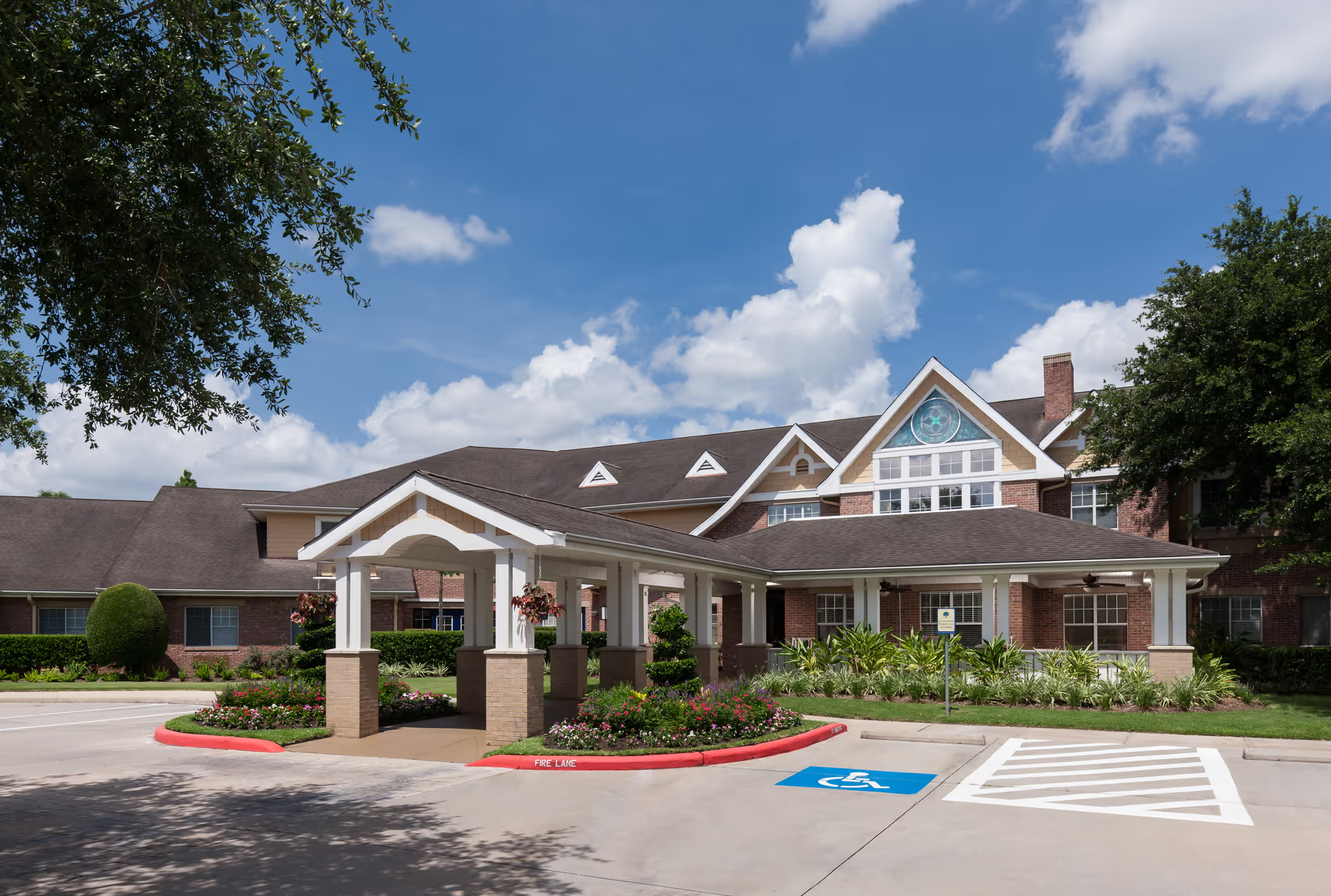
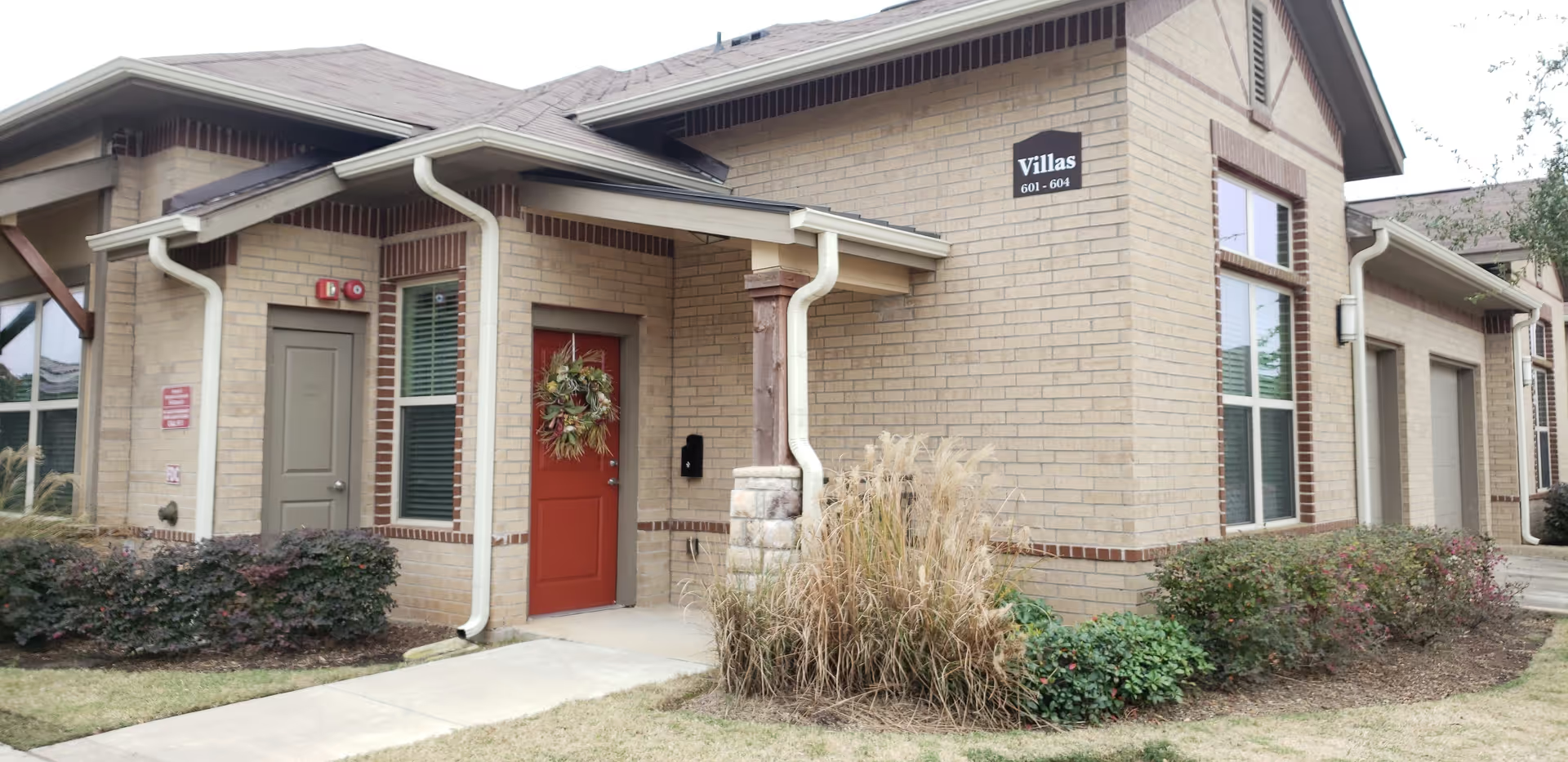
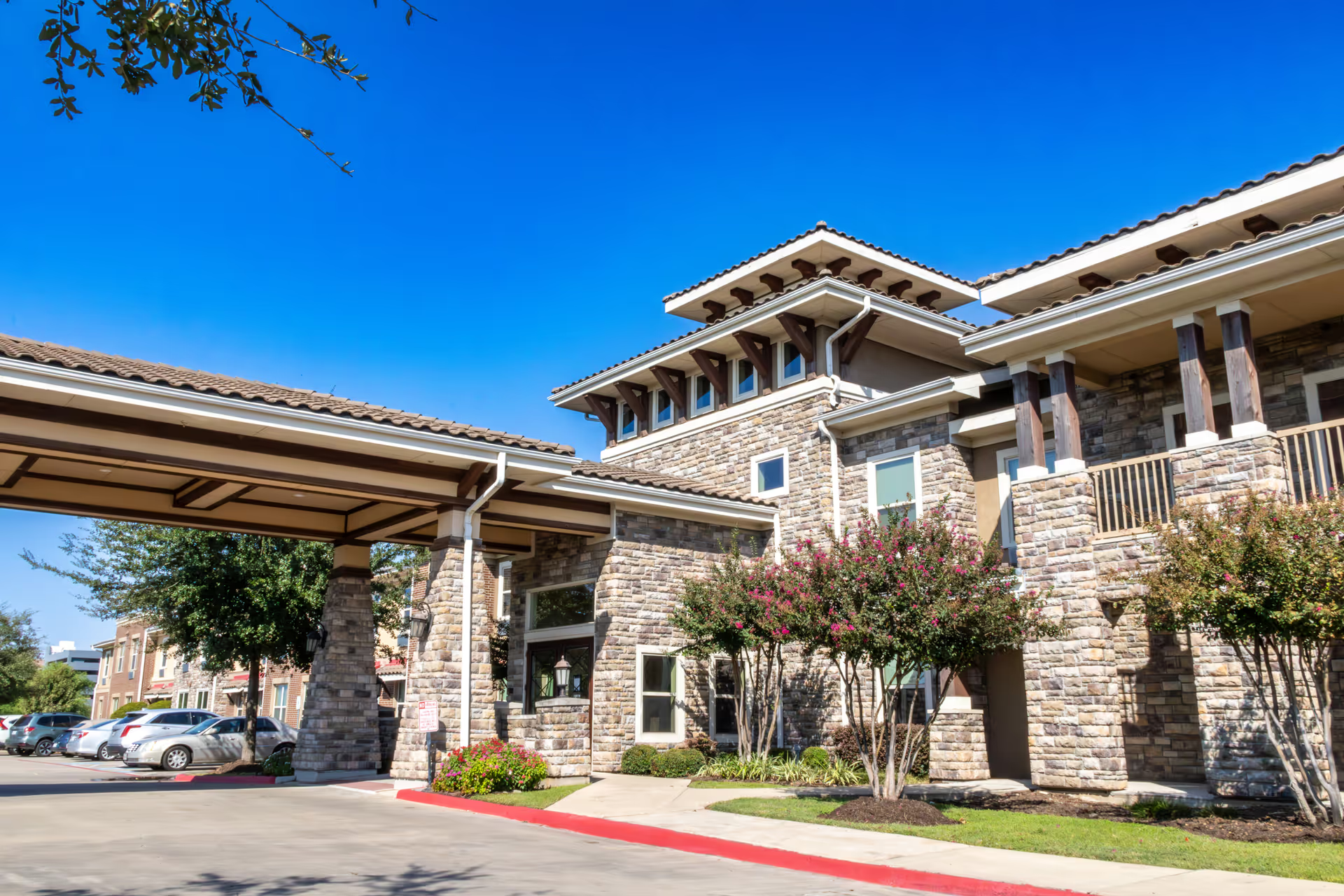
The physical plant reflects that Barton House is a modest, intimate facility rather than a high-end campus. Recent remodeling has produced light, airy interiors in parts of the facility, but there are also references to older building features—lower ceilings and compact common areas—and rooms described as simple in finish. Bathroom and bathing arrangements appear variable: many rooms have sinks and toilets, while showers are sometimes located in communal areas, which can create inconsistency in accommodation and scheduling.
Management and ownership are generally characterized as responsive and personally invested; ownership changes and renovations have been linked with positive improvements in care and atmosphere. At the same time, a minority of comments point to occasional gaps in the admissions process and family communication, and to uneven administrative professionalism during intake or front-desk interactions. The small 20-resident size is frequently praised for reducing resident anxiety and enabling individualized care, but it also means limited capacity and potential waitlist constraints.
Overall, Barton House presents as a tightly run memory-care home with strong caregiving, consistent meal and activity programming, and attractive secure outdoor space. Prospective families should weigh the advantages of a small, relationship-based model and the facility’s strong dining and activity offerings against modest room finishes, some variability in bathing arrangements, and the potential for limited availability. Families who prioritize personalized dementia care in a lakeside, home-like setting are likely to find the facility aligns with those needs; those seeking more upscale room finishes or larger-campus amenities may find the accommodations basic by comparison.