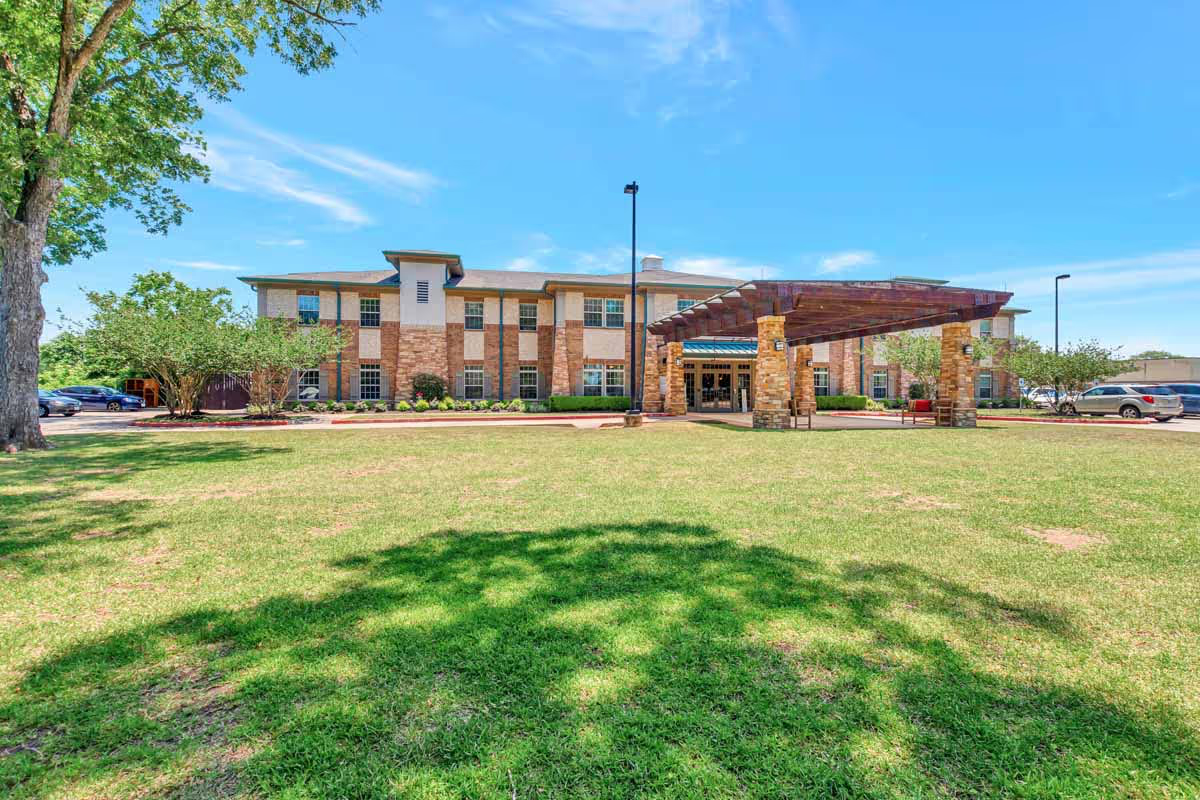
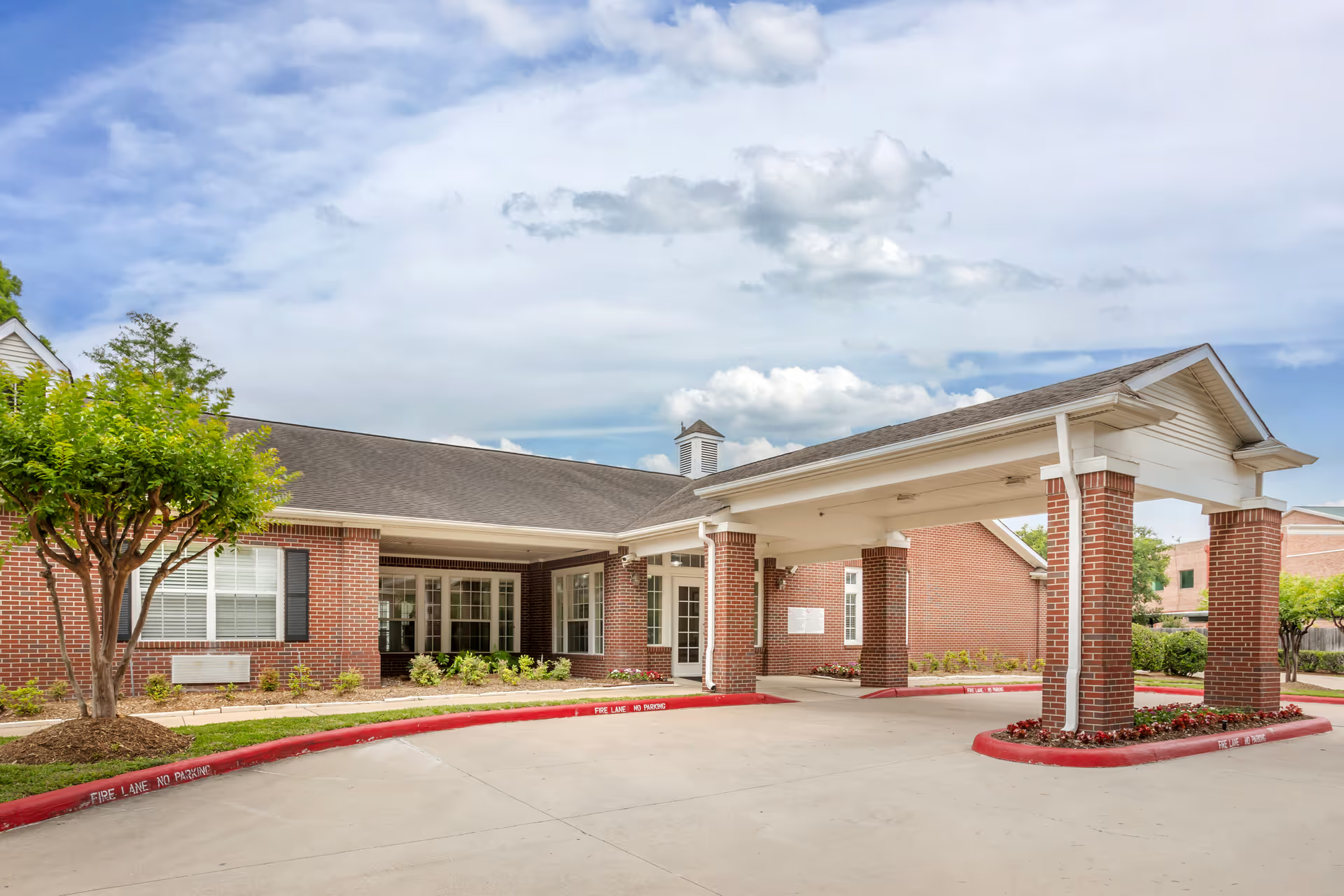
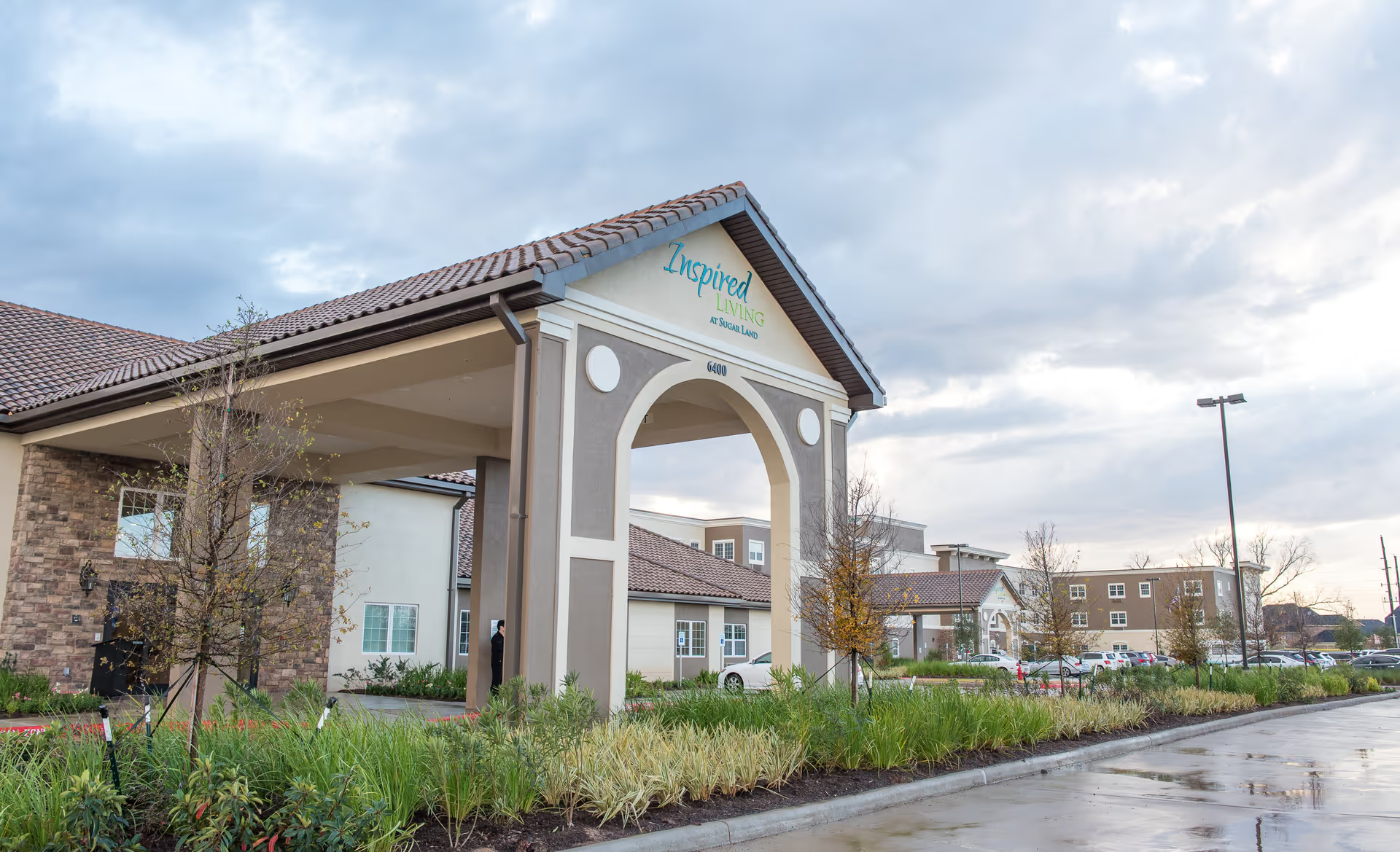
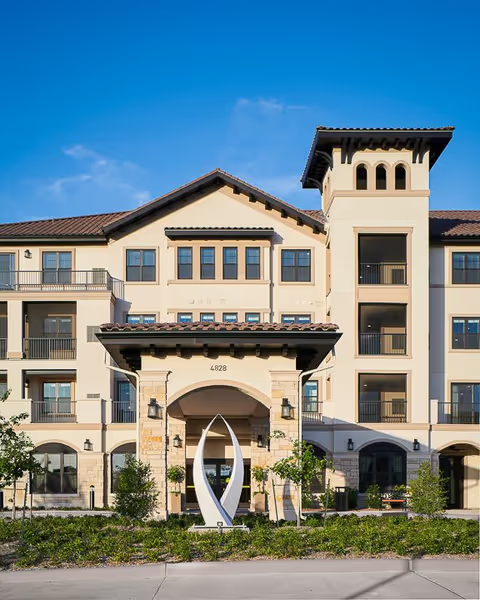
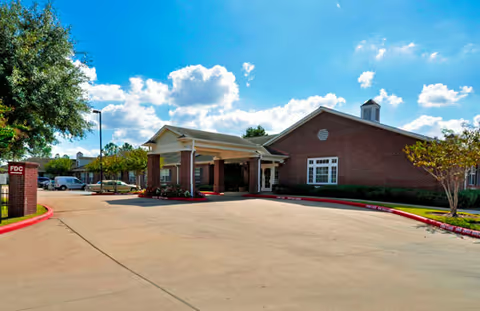
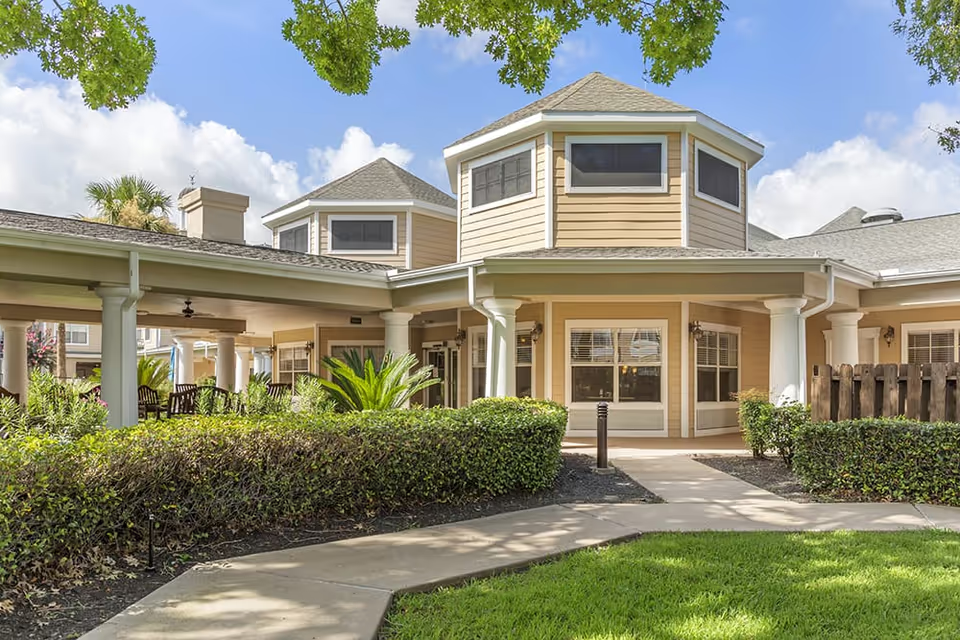
Overall impression: Optimum Personal Care presents as a small, recently updated senior living community that emphasizes a home-like atmosphere and personalized attention. Review content consistently highlights compassionate, attentive staff and a low resident-to-staff ratio that allows caregivers to respond quickly and provide individualized support. The facility is described as clean, well-kept, and attractively landscaped, with multiple small living areas, TV rooms, and in-building kitchens that reinforce the residential character.
Care and staff: Care quality is a dominant strength in the reviews. Families and residents describe staff as compassionate, hands-on, and responsive, with routine personal-care services such as grooming and special dietary accommodations handled directly. Nursing and caregiving teams are noted for giving individualized attention and creating a family-like environment. Night coverage receives generally positive comments for responsiveness, though a few accounts indicate occasional lateness or variability in shift performance. Several comments point to management's willingness to engage and resolve concerns when they arise.
Dining and activities: Dining is frequently praised—reviewers mention an excellent cook, appealing menus, and the ability to accommodate special meals. Activities are offered and residents are described as active and engaged; the small-scale layout (multiple buildings with communal living areas) supports frequent, informal social interaction. That said, programming has at times been constrained by infection-control measures, and the facility’s small footprint and building layout may limit options for residents who seek a very active, large-group social environment.
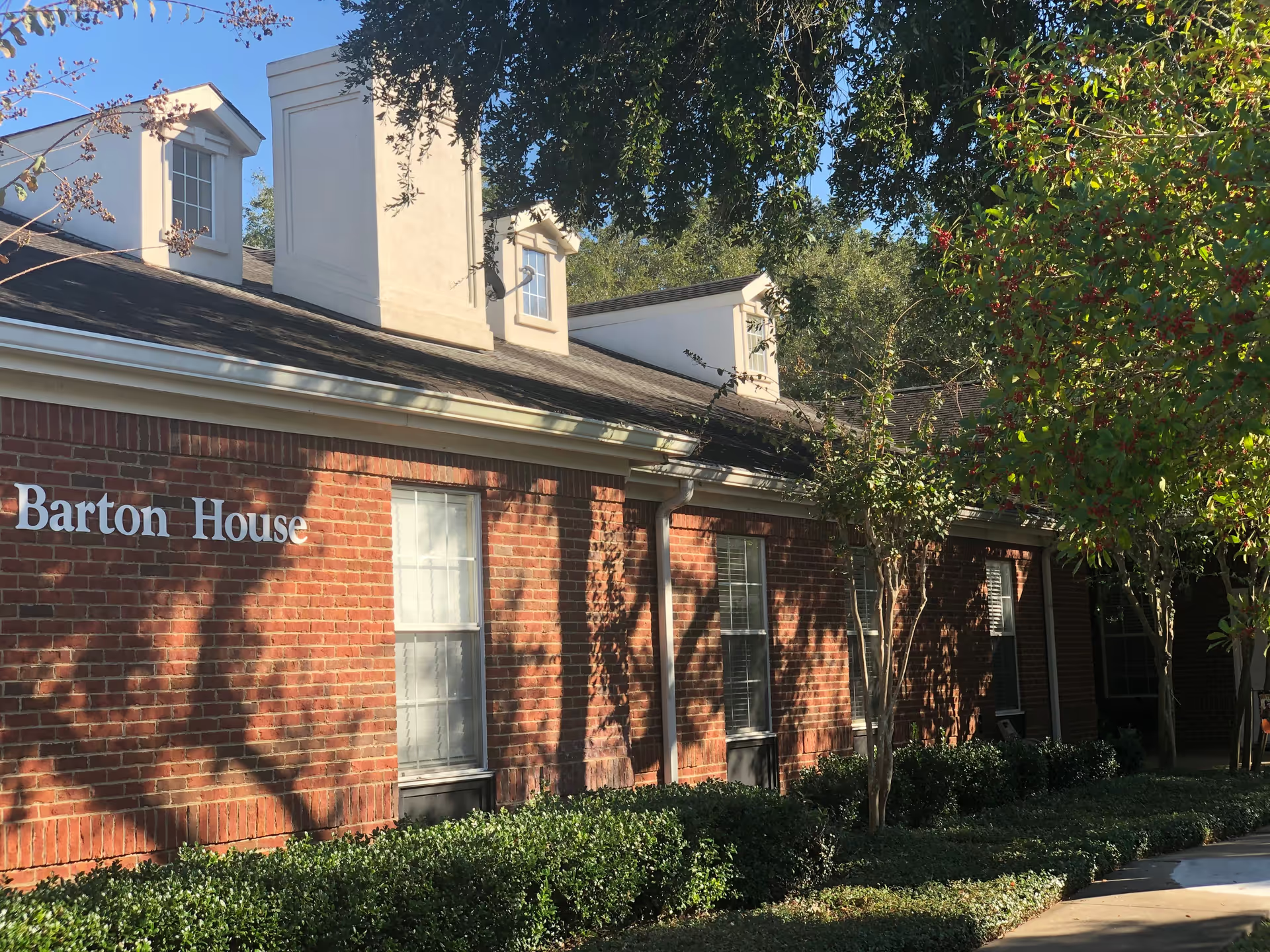
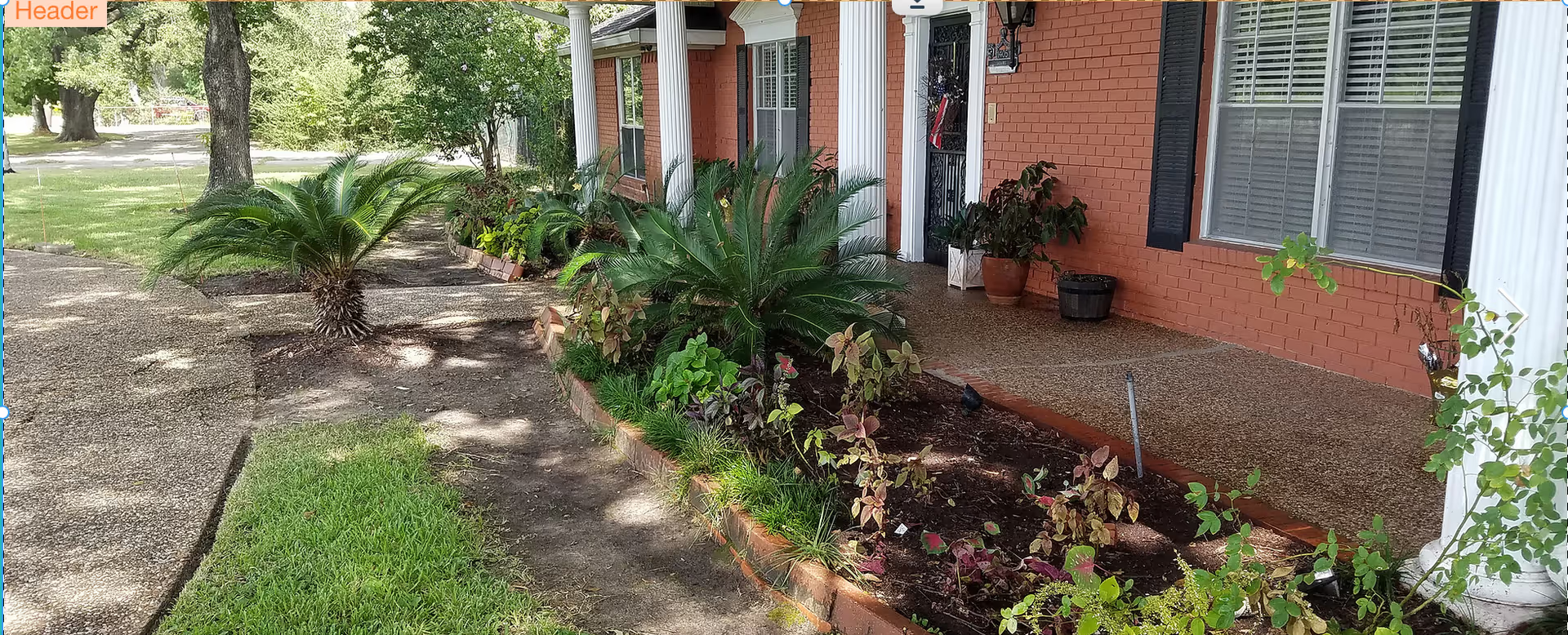
Facilities and accommodations: The campus is characterized as remodeled or new, tidy, and home-like rather than clinical; landscaping and interior upkeep are consistently noted. Rooming arrangements vary and include semi-private/shared rooms in some units, which may be a good fit for those who prefer a small community but less desirable for residents who require private accommodations. The facility is organized into several small buildings or units, each with its own common space, which supports easy staff access and a neighborhood feel but can present limitations for social residents who want a larger, centralized activity area.
Management and operational patterns: Reviewers generally describe staff transparency and a willingness to resolve issues, but recurring operational themes point to administrative friction points. Pricing and billing procedures are described as unclear by some families, and there are examples of billing disputes and confusion over room rental policies. Clinical limitations are evident in that the site is not a medical center—this can lead to transfers to higher-acuity settings and highlights the need for clear communication and protocols around emergent care. Together, these items suggest that prospective residents and families should review contracts and escalation procedures carefully.
Notable patterns and guidance for families: The dominant pattern across feedback is strong interpersonal care and a well-maintained, residential environment. Prospective residents who value individualized attention, a small-community feel, and good dining are likely to find the facility a good match. Families should, however, clarify financial arrangements, ask about staffing patterns (especially overnight coverage), and confirm the facility’s capabilities for higher-acuity medical needs. Those seeking private rooms or a larger, more centralized social program may want to evaluate layout and rooming options in person to ensure the setting fits their expectations.