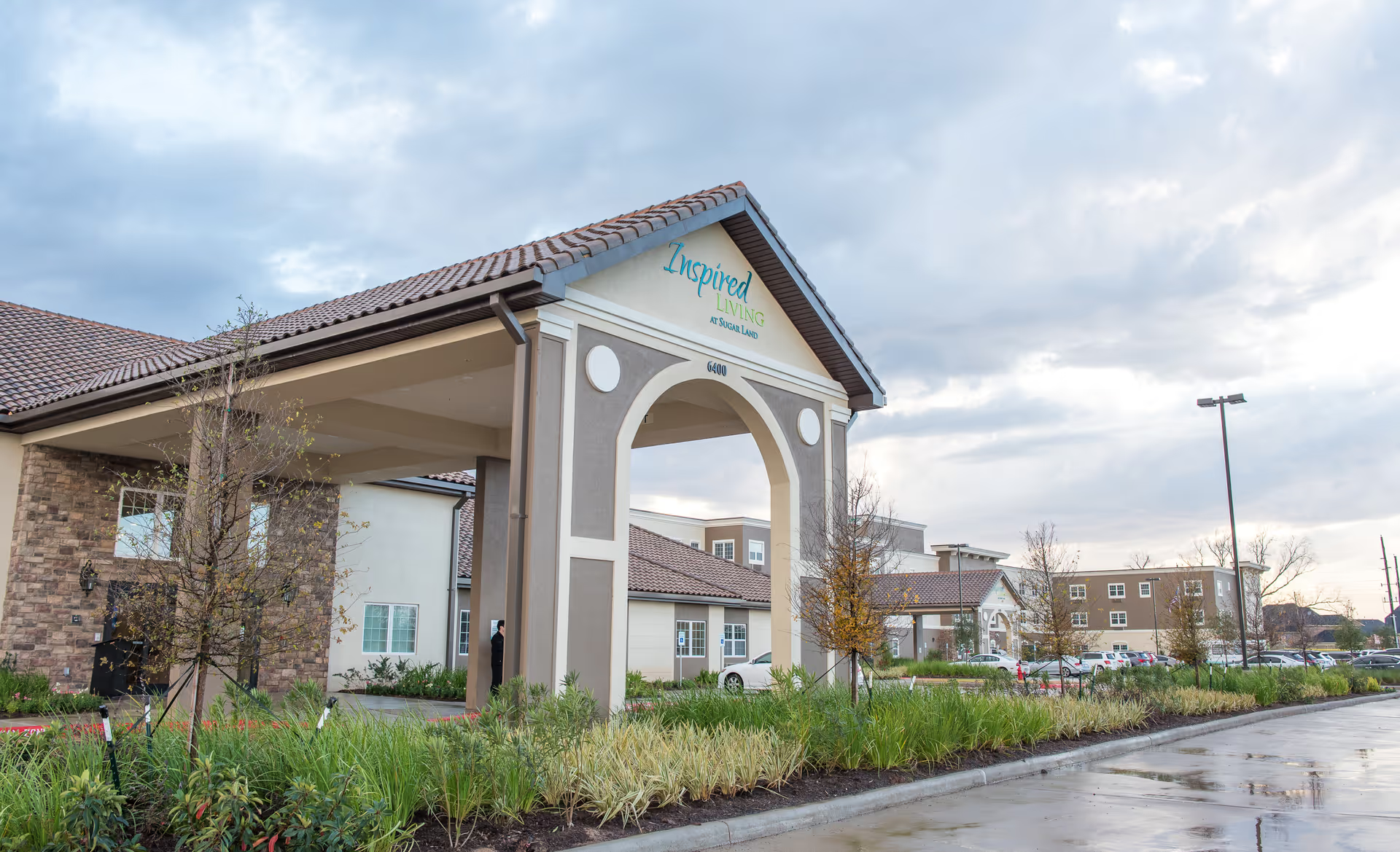
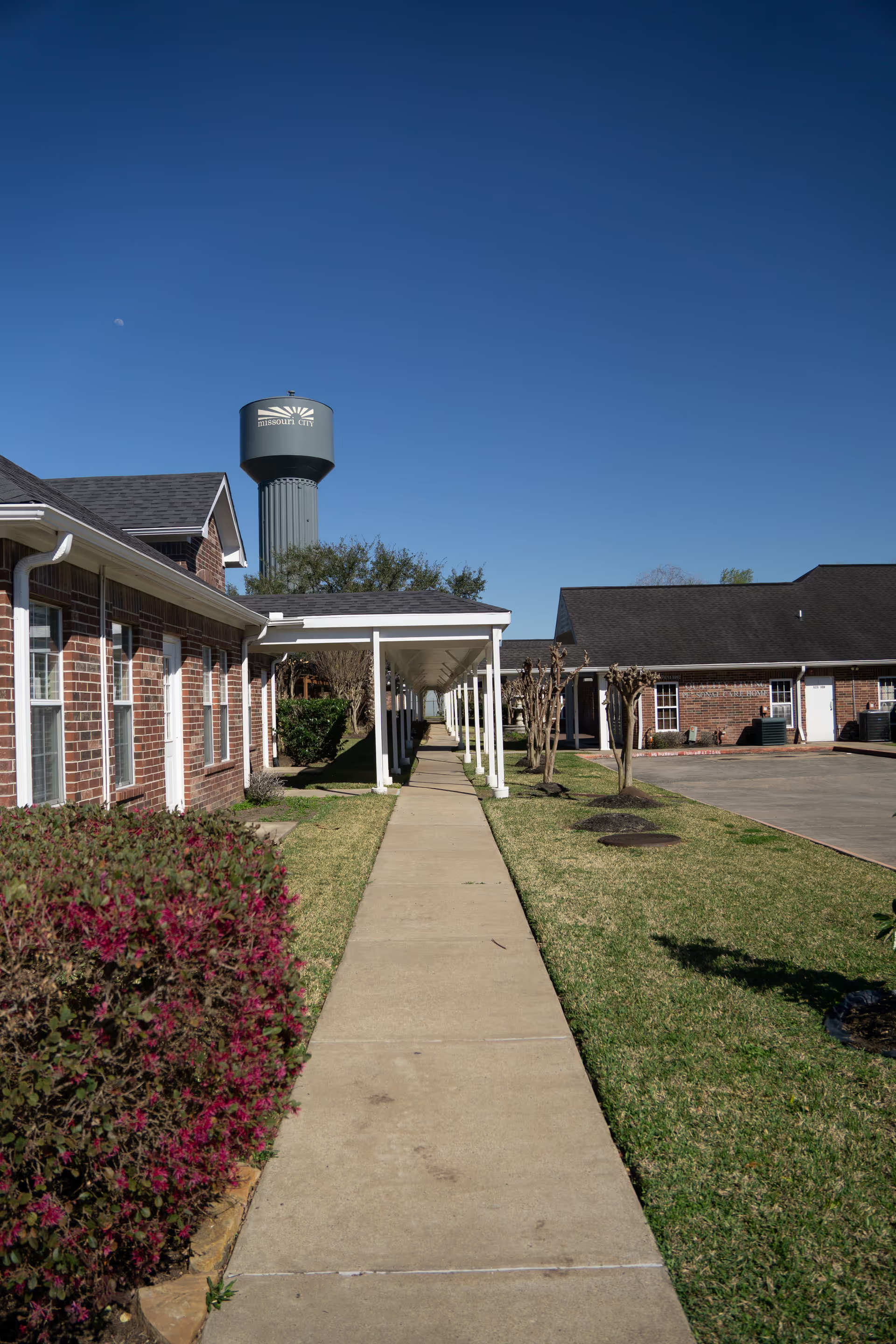
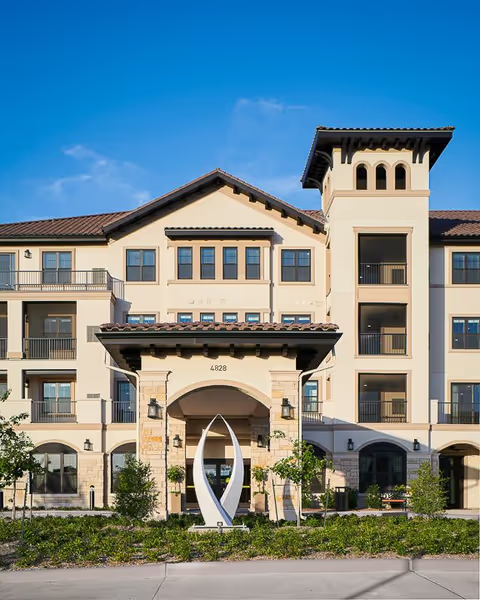
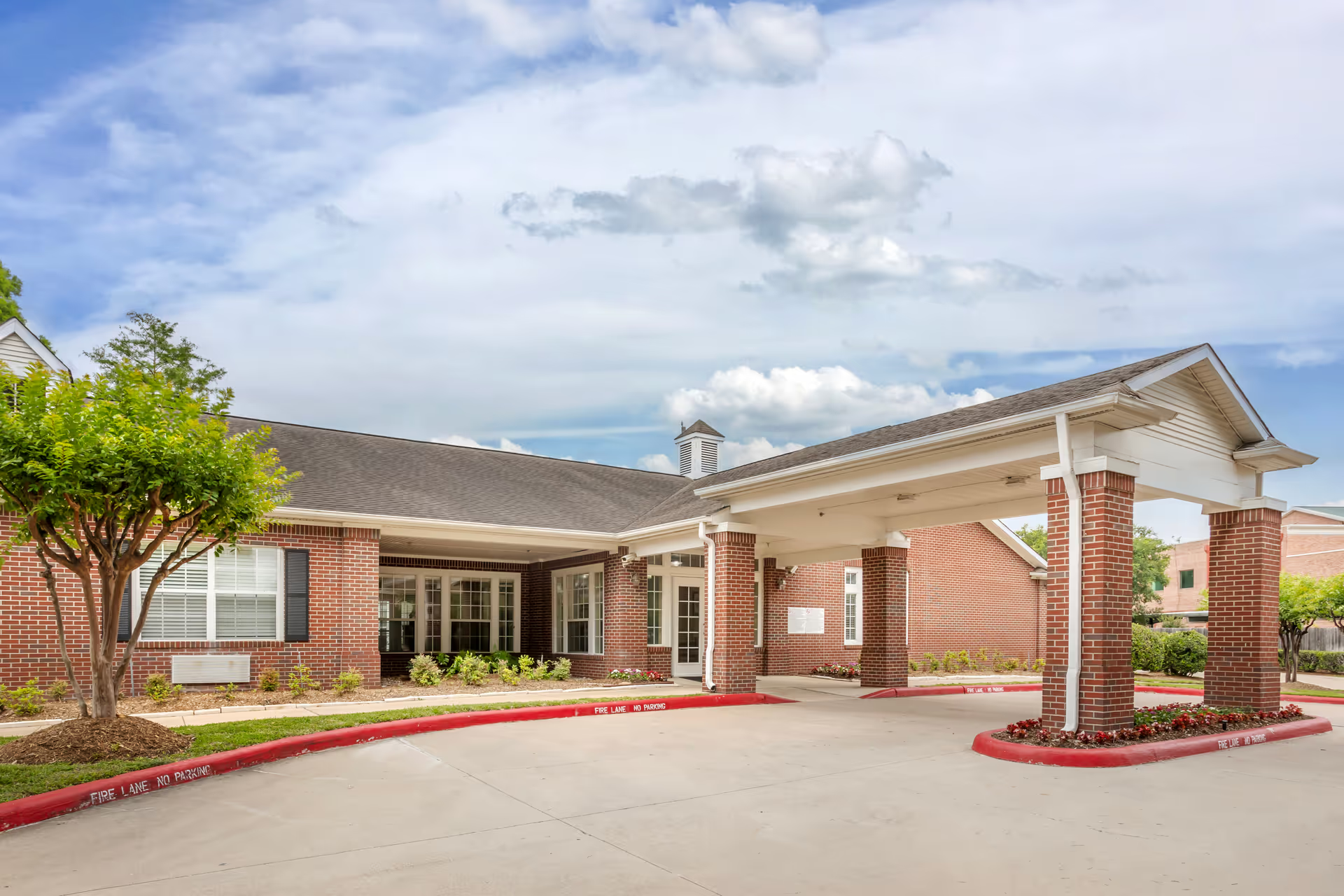
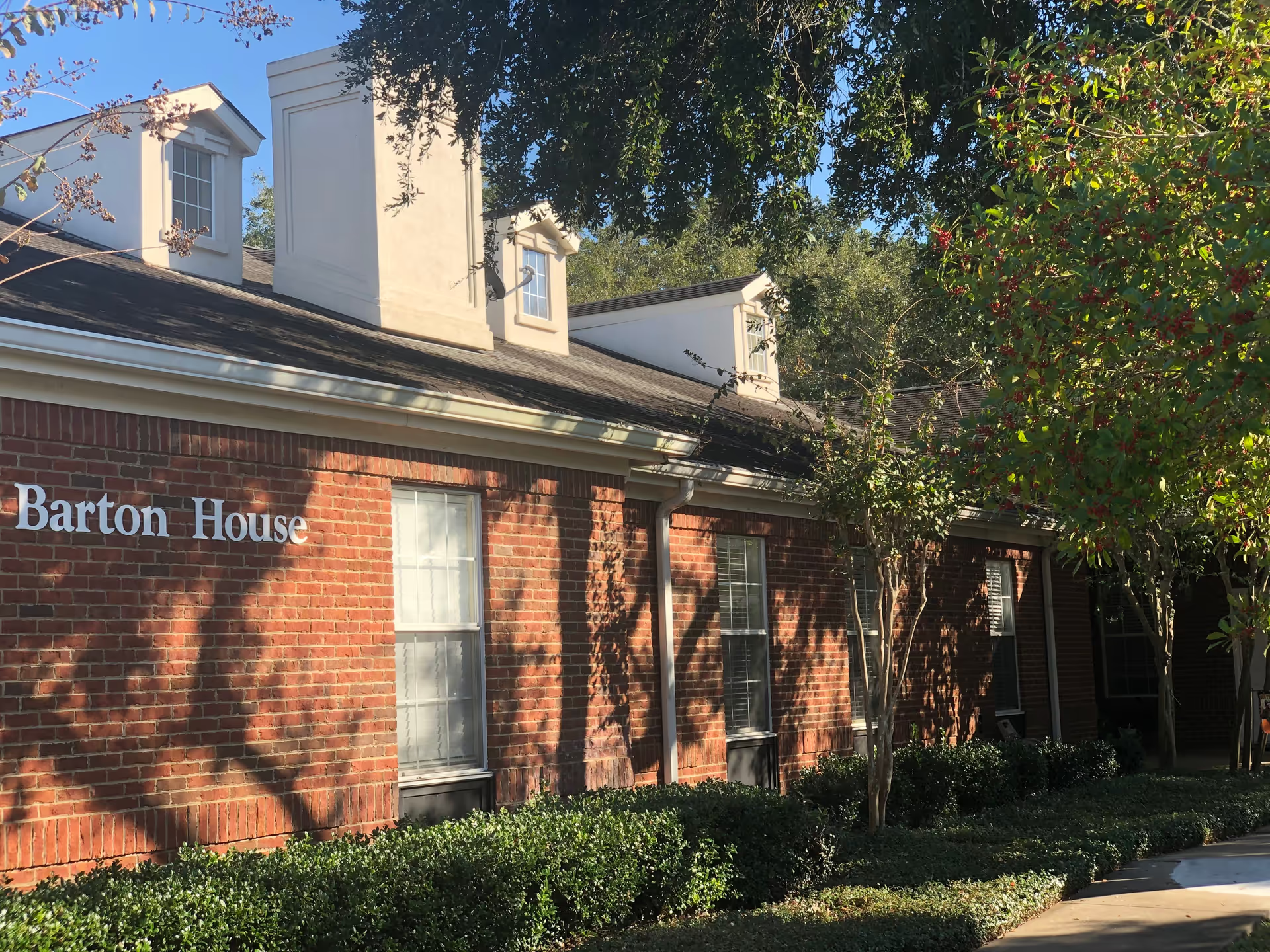
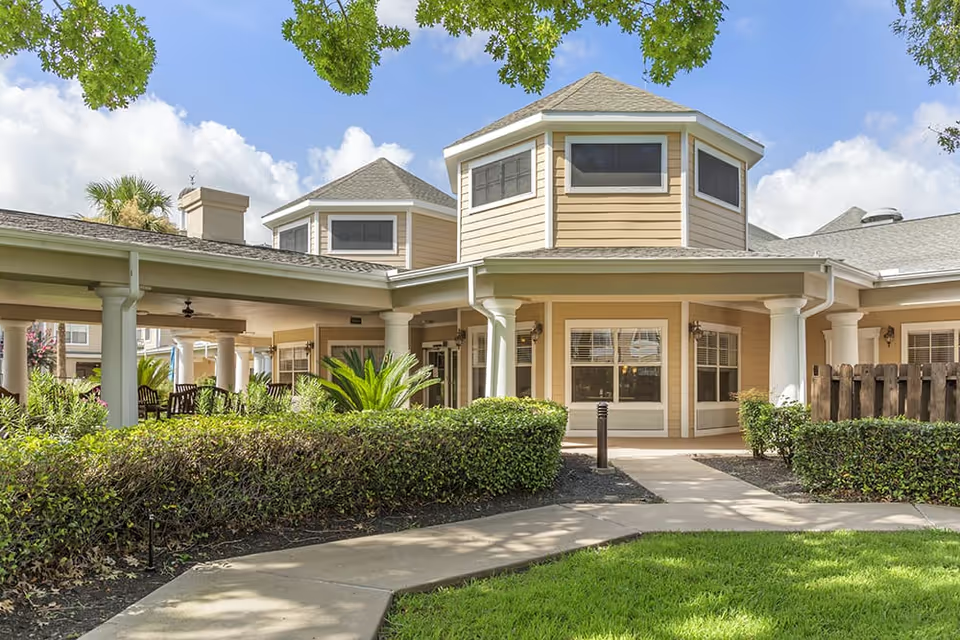
The Avenues of Fort Bend presents a mixed but clear pattern: facility aesthetics and many resident services are strong, while operational consistency varies across units — especially between assisted living and memory care. Many reviewers praised the campus appearance: well‑lit, tastefully decorated common areas, landscaped courtyards, and multiple outdoor seating choices. Dining in the assisted‑living areas is frequently described as formal and appealing, with table settings, a chef, private dining options, and accommodating kitchen staff. On‑site amenities such as a salon/barber, transportation for outings, rehabilitative services, and a variety of social programs contribute to an active, social atmosphere for many residents.
Staffing and direct care receive the broadest range of feedback. Numerous families and residents described caring, attentive, and responsive staff members, and several specific team members and managers were singled out for facilitating smooth admissions, transitions, and follow‑up. At the same time, there are recurrent operational concerns: inconsistent shift coverage, variable staff training or conduct, and delays in attending to residents during clinical events. Reviewers also raised concerns about medication management practices and the timeliness and clarity of clinical communication with families. These operational gaps coexist with examples of solid clinical support (on‑site nurses, effective PT, hospice coordination) — indicating variability in how those services are delivered.
Dining and nutrition show a similar pattern of strengths coupled with variability. The main dining experience in assisted living is often described as pleasant and well staffed, with a chef who offers demonstrations and flexible meal choices. Conversely, reviewers reported inconsistent meal quality, limited choices at times, menu items running out, and occasional failures to meet therapeutic diet needs (notably diabetes management concerns cited by some families). Memory care dining was described by some as smaller and more cafeteria‑like, which reviewers contrasted unfavorably with the assisted‑living dining room.
Activities and social life are highlights for many residents: exercise classes, bingo, singing groups, concerts, and off‑site trips are commonly reported and contribute to resident engagement and family satisfaction. However, a subset of accounts indicates limited programming in certain units or periods, and that activity availability can be affected by staffing constraints or infection‑control pauses. Memory care programming is noted as improving in some reports, but other reviewers found the memory‑care unit restrictive or institutional in design, with courtyard security features and furniture that some families judged less comfortable.
Operational and administrative weaknesses merit attention during any tour or decision process. Recurrent themes include laundry errors and missing personal items, front‑desk responsiveness problems, billing and refund follow‑through issues, and isolated but serious security concerns including allegations of theft and financial misconduct. Several reviewers described strong, hands‑on management and prompt problem resolution, while others experienced long voicemail delays and unresolved billing matters. These contrasts suggest variable managerial oversight depending on timing and staff assignments.
Recommendation for prospective families: the community offers many tangible strengths — attractive physical spaces, a robust activity calendar, on‑site services, and staff members praised for compassionate care. At the same time, variability in staffing, medication and dietary management, memory‑care environment, and administrative follow‑through are recurring weaknesses. Families should tour both assisted‑living and memory‑care neighborhoods in person, ask for staffing ratios and medication/diet protocols, request documentation of incident‑response procedures, verify laundry and asset‑management practices, and confirm billing/refund policies before committing. Doing so will help align expectations with the areas where this community most consistently excels and where operational improvements appear most needed.