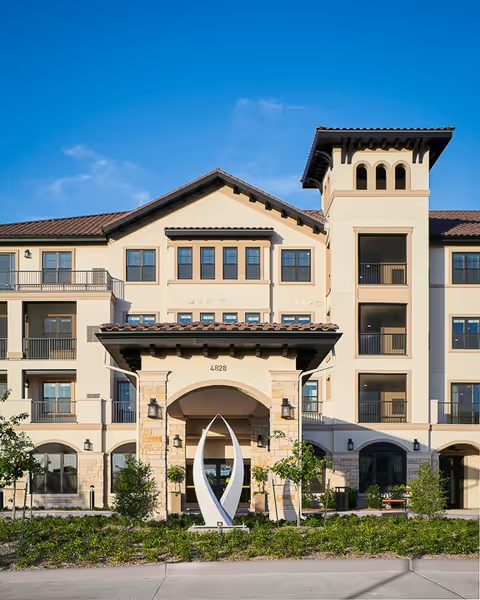
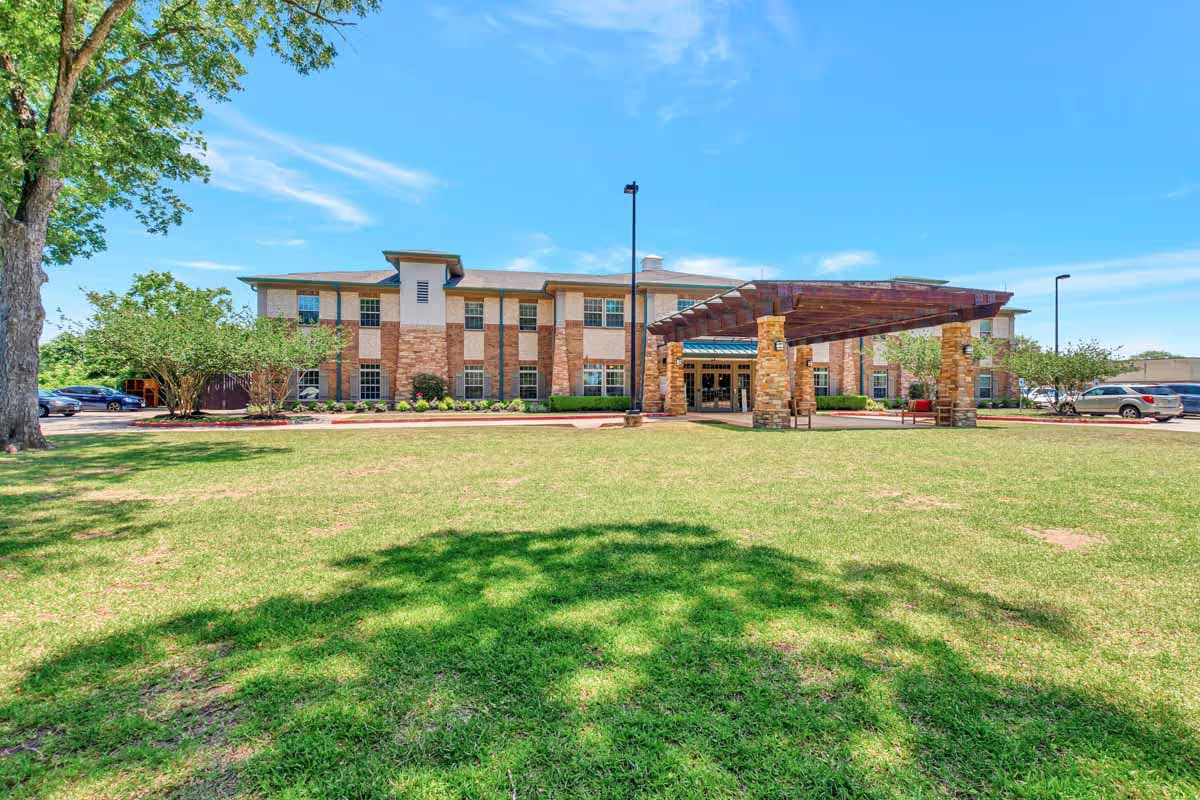
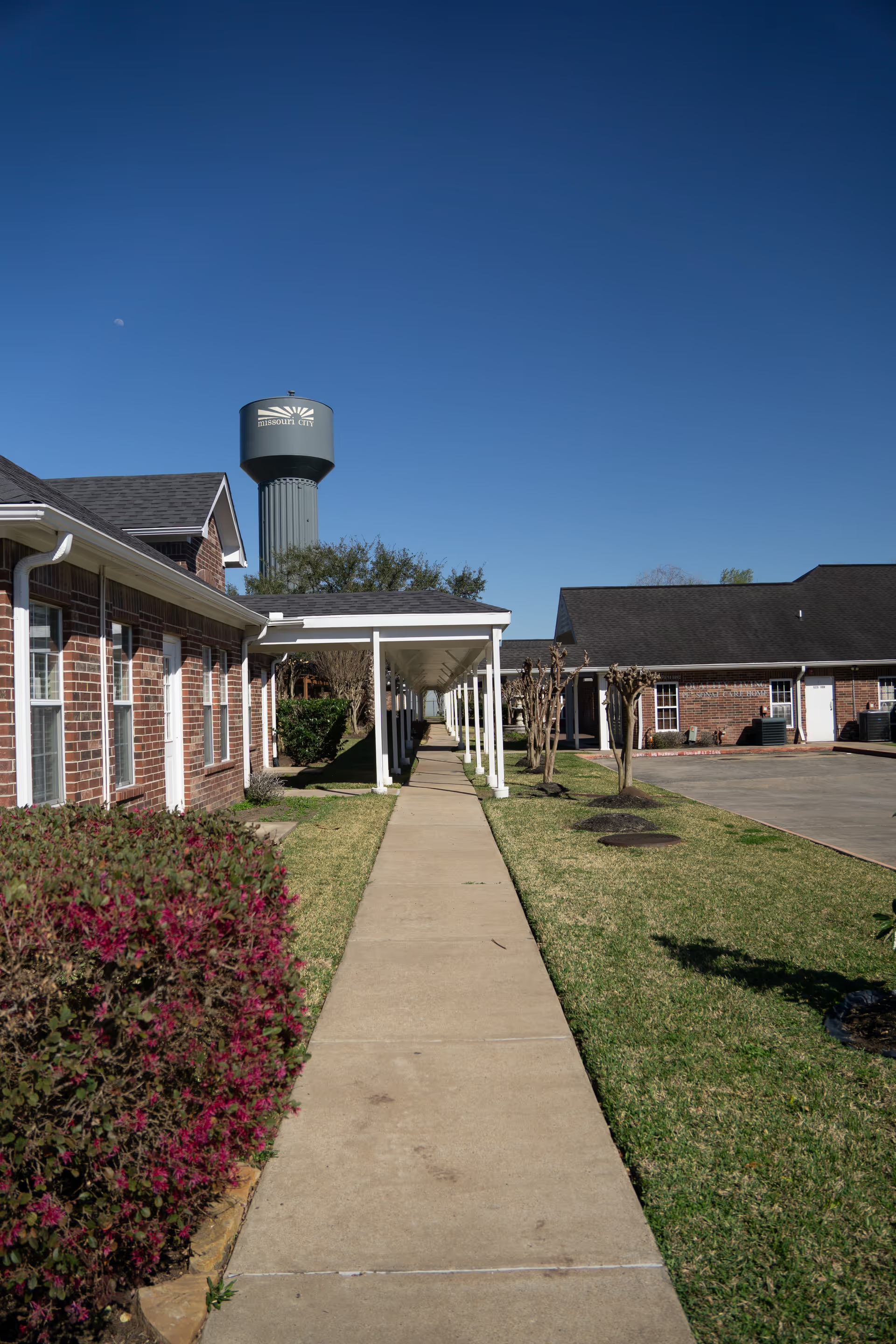
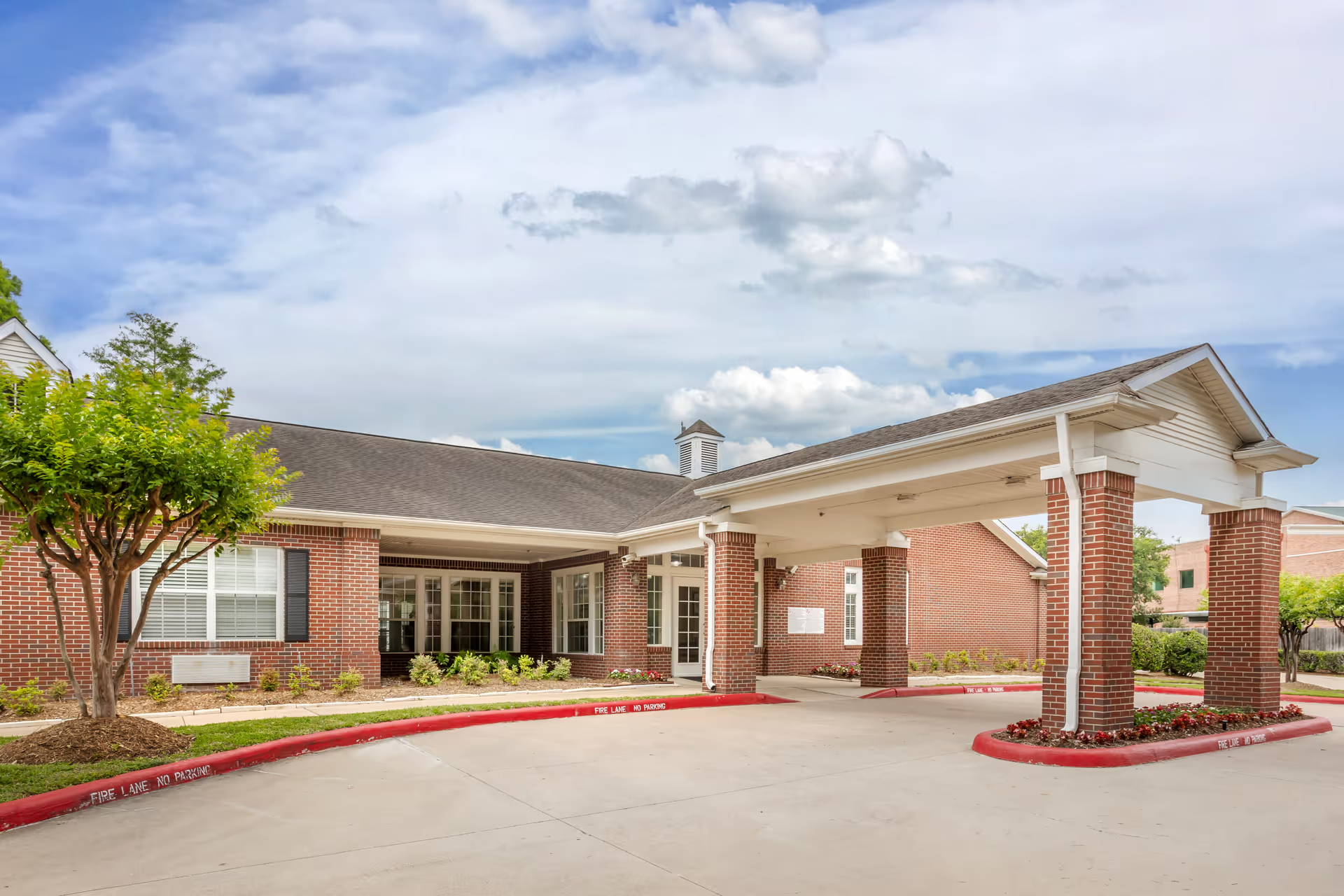
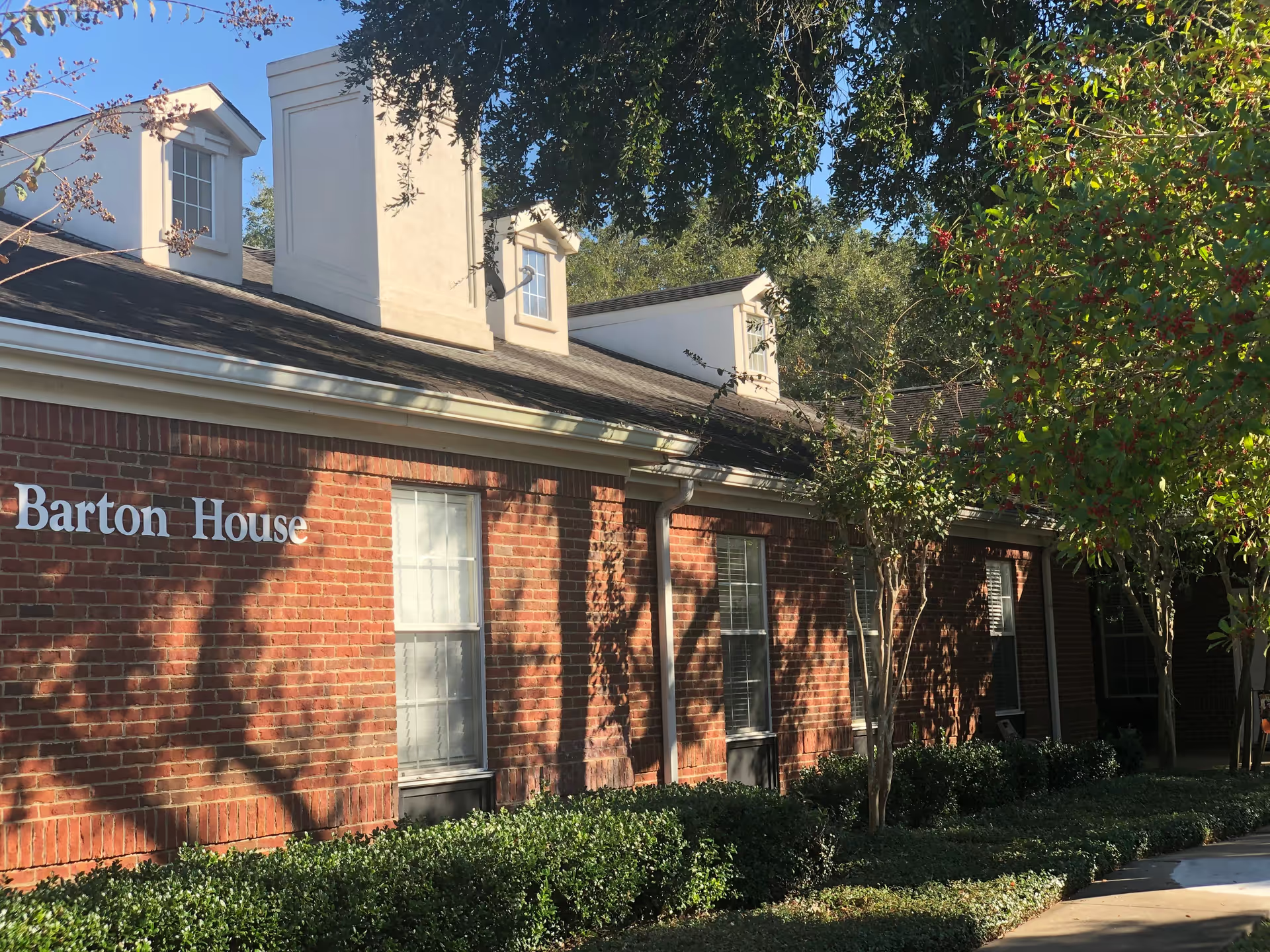
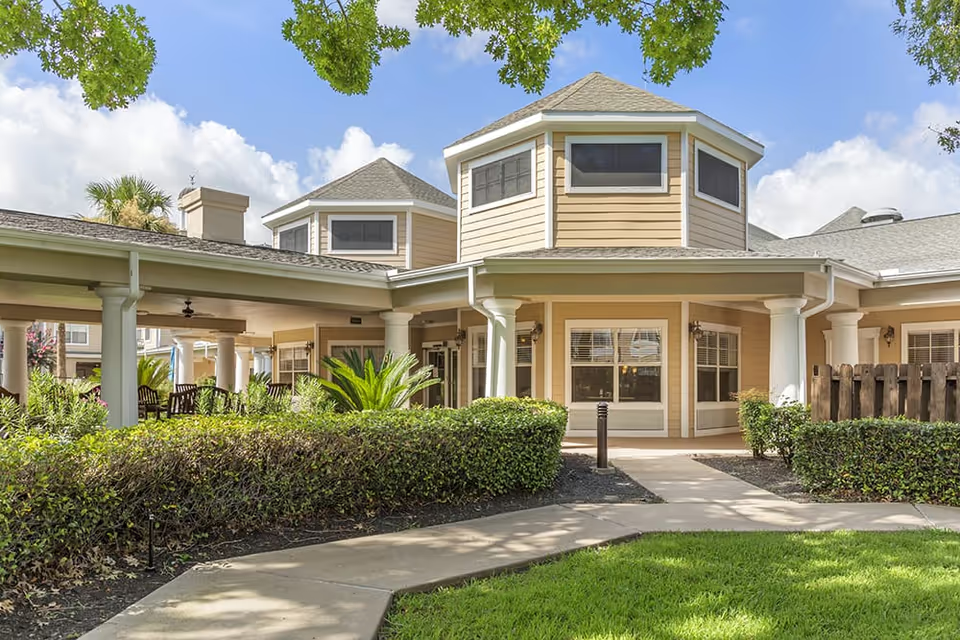
Laurel Glen at Sugar Land presents as a well-appointed, resort-style senior living community with many visible strengths alongside recurring operational concerns. The facility's physical plant, outdoor amenities and public spaces receive consistent praise for being attractive, clean and well maintained. Families and visitors commonly cite strong move-in support, on-site conveniences such as a salon and therapy services, and a variety of resident amenities including a pool, pond, gazebo and screened porches.
Frontline caregiving staff are frequently described as compassionate, attentive and engaging. Multiple accounts highlight strong direct-care relationships, attentive nursing staff in many shifts, effective activity leaders, and robust programming — arts and crafts, themed events, outings and memory-care support groups — that contribute to resident socialization and quality of life. In-house rehabilitation (physical and occupational therapy) and electronic clinical charting are noted strengths that can support clinical oversight and continuity of care.
At the same time, the reviews reveal a pattern of operational weaknesses that prospective residents and families should evaluate. Staffing levels and turnover are recurring concerns; reviewers describe extended response times to call buttons and alerts and situations that indicate gaps in transfer and fall-prevention practices. Related clinical concerns include inconsistent medication-administration practices and examples of wound and dressing-care deficiencies. Families also describe variability in bathing and personal-care schedules and inconsistent apartment-level housekeeping.
Dining and activities elicit mixed feedback. Many residents and families praise the events, themed meals and social dining opportunities, while others report uneven meal quality or interruptions to meal service. The activities program is widely seen as a strength, but the overall resident experience can be affected when staffing or service continuity is inconsistent.
Management and communication emerge as important differentiators. Positive comments reference organized admissions, helpful intake coordinators and responsive front-desk staff. Conversely, a number of reviews raise concerns about management responsiveness, transparency with families after incidents, billing and fee clarity, and references to state-level inspection findings or complaints. Technology and infrastructure are a mixed picture as well: while electronic charting and monitoring technology are cited as positives, there are also accounts of unreliable call/alert connectivity and insufficient Wi‑Fi to support emergency communications.
Given the mixed pattern, families should balance the facility's strong amenities, active programming and many positive frontline-care reports against the operational weaknesses identified. Recommended due diligence includes: confirming current staffing levels and turnover rates; observing call/alert response times during a visit; reviewing medication-administration and wound-care protocols; inspecting apartment housekeeping routines; asking for recent state inspection reports and corrective actions; and meeting the nursing leadership team. These steps can help determine whether Laurel Glen’s strengths align with a prospective resident’s clinical and social needs and whether the management has addressed the operational gaps described by families.