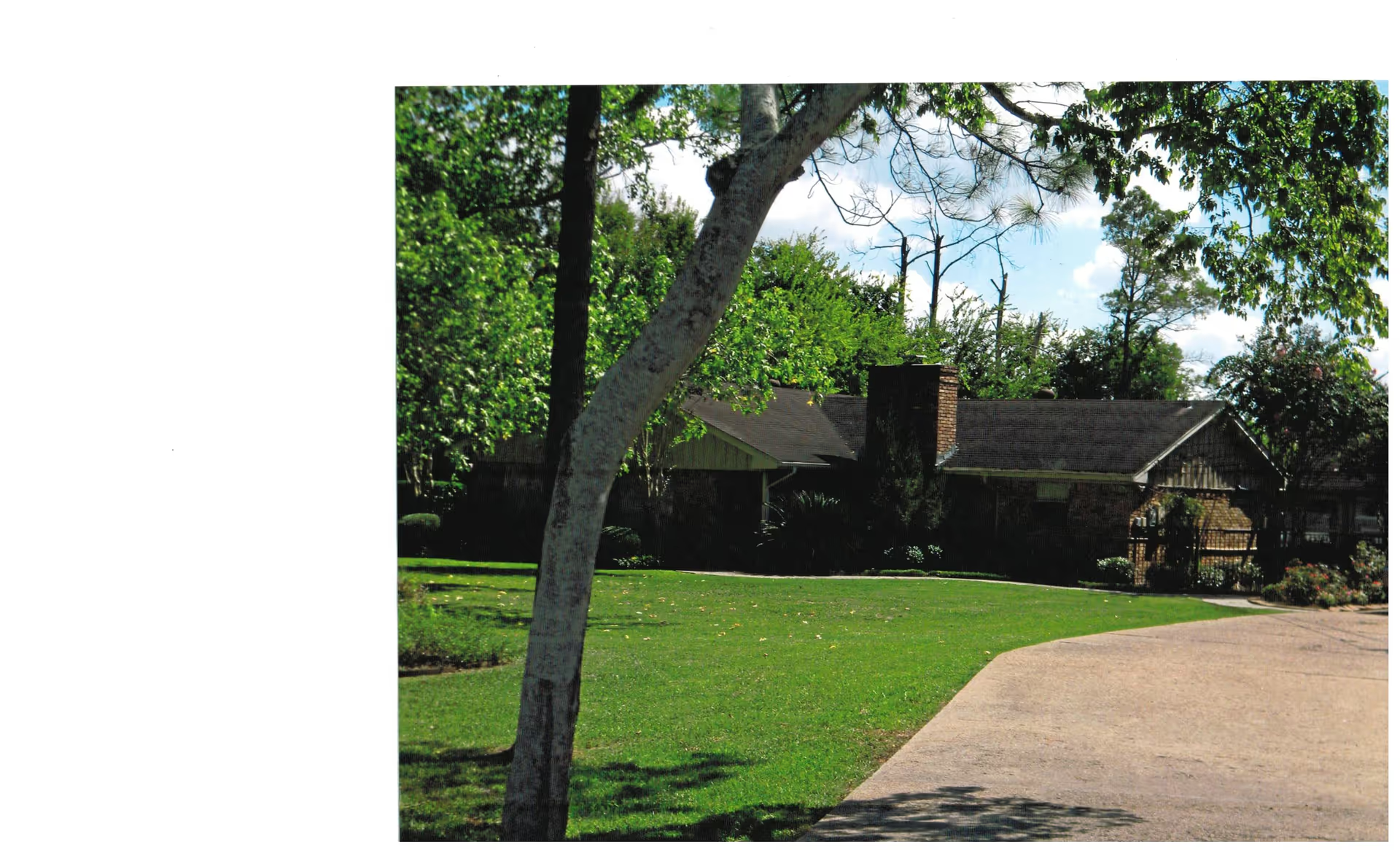
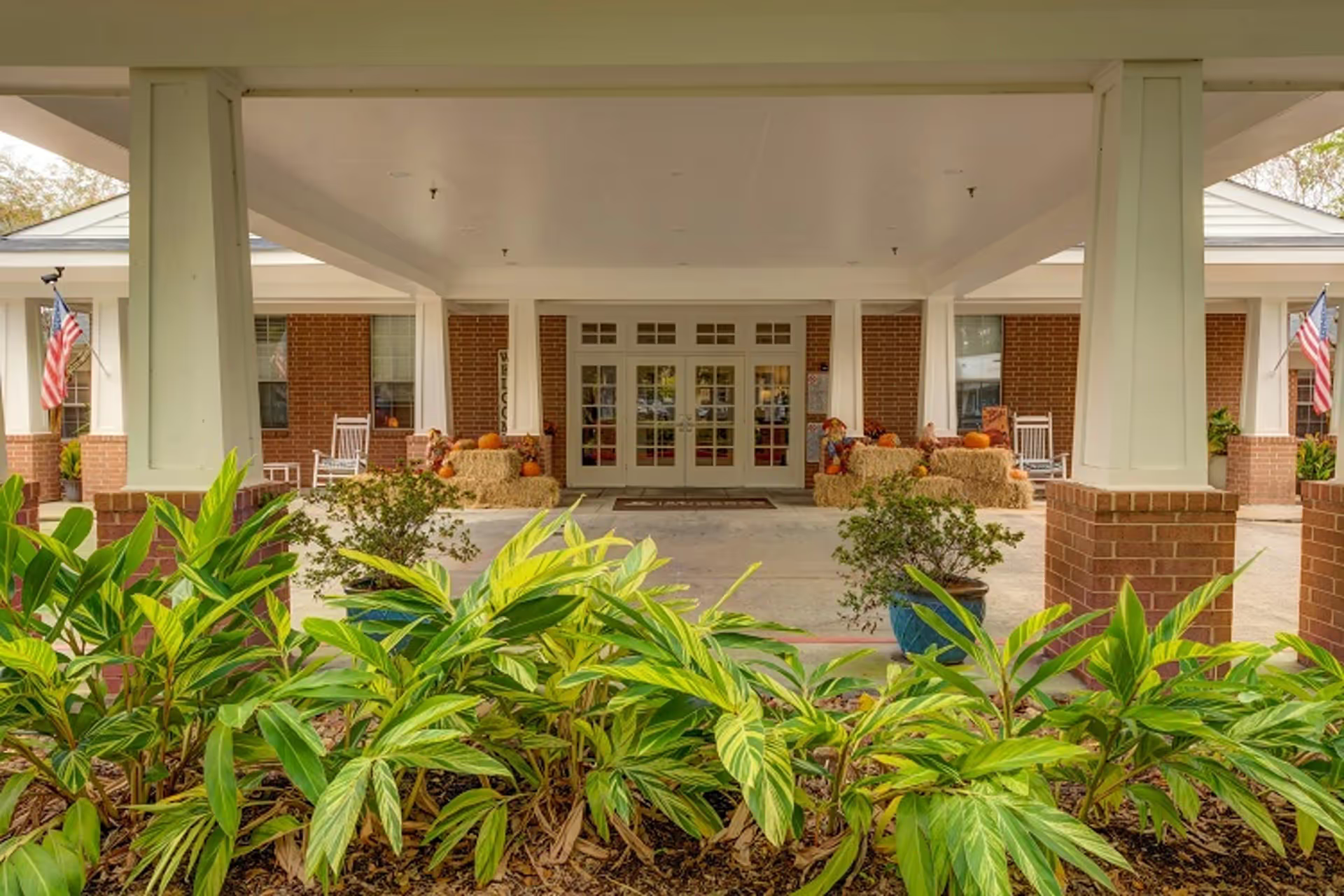
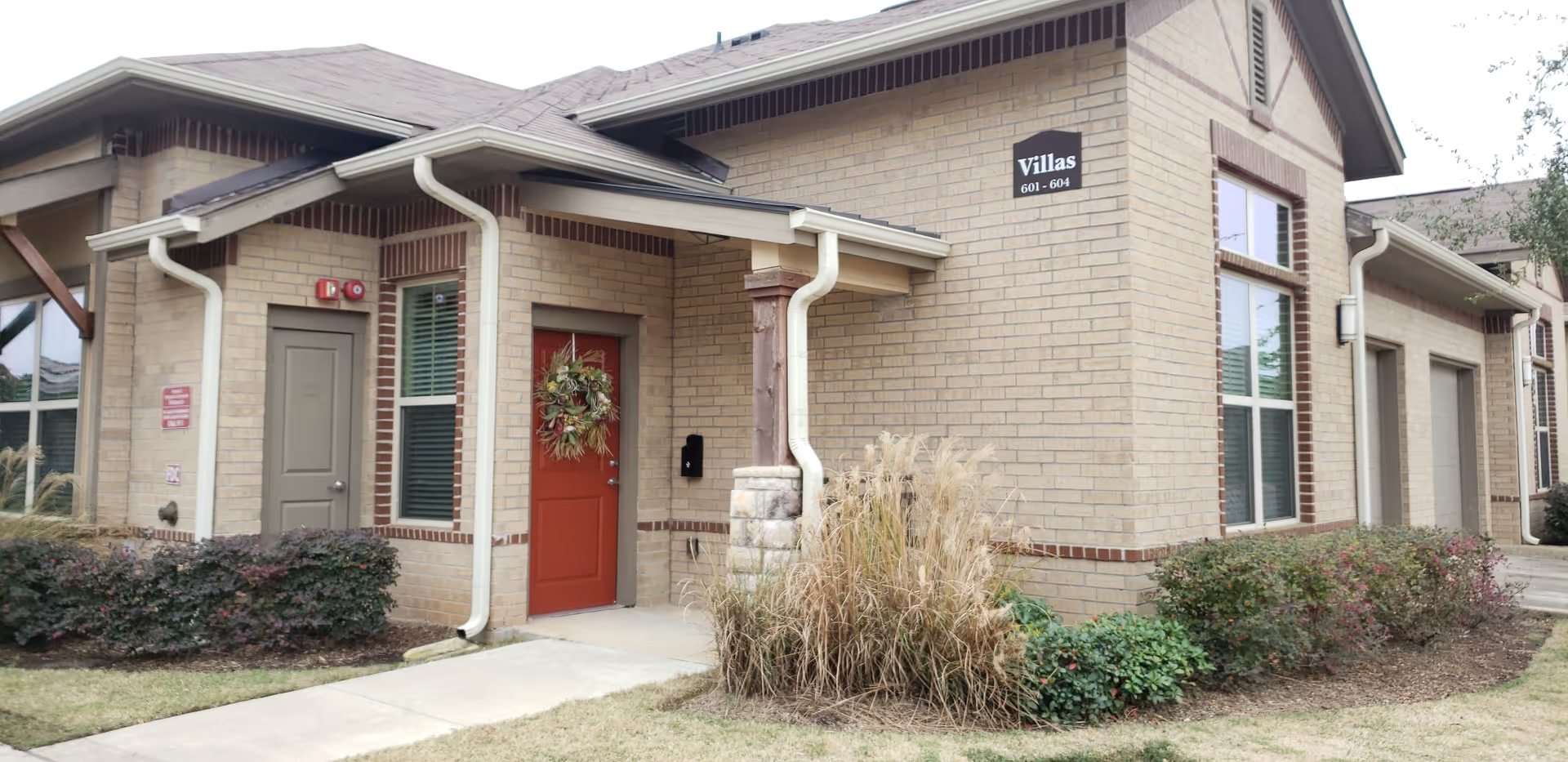
Merciful Hands Assisted Living elicits strongly polarized impressions. Many reviewers praise the facility for its compassionate, experienced staff, high staffing ratios, and a generally clean, home-like environment with active social programming. Several families emphasize a values-based, faith-centered approach and describe long, positive stays in which residents appear well groomed, engaged, and comfortable.
Care quality and staff performance are the facility's most frequently cited strengths. Positive comments highlight dedicated caregivers, accessible nursing presence (including one-on-one RN availability in some accounts), and respectful interactions that support resident dignity and independence. Those favorable descriptions point to a structured, personal approach to daily care and an emphasis on social and emotional wellbeing.
At the same time, a subset of reviews raises operational concerns about clinical oversight and routine monitoring. These concerns include limited access to outside medical providers, inadequate documentation of routine clinical measures (for example, weight monitoring), and practices that may limit hydration or delay attention to continence needs. These items suggest gaps in clinical protocols and quality-assurance processes that families should verify during a visit.
Dining and nutrition are another area of mixed feedback. Positive perspectives are less prominent here, while critical comments describe inconsistent food quality, small portion sizes, and minimal menu transparency. The absence of posted menus or clear dining policies in some accounts contributes to uncertainty about meal planning and resident nutrition management.
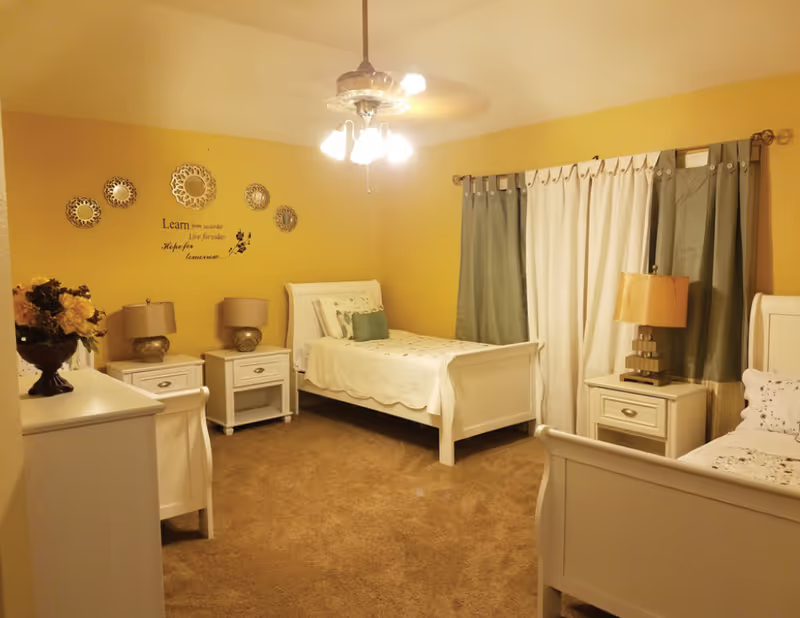
Facilities and activities are generally seen as strengths: reviewers commonly describe clean, odor-free common areas and neat resident rooms, and they report a variety of activities that contribute to a lively atmosphere. However, sanitation and incontinence-care concerns appear in some accounts and should be explored directly with management, particularly how the facility maintains hygiene standards and protects resident privacy.
Management and communication present a notable pattern of divergence. Several reviewers view the facility as well managed and responsive, while others describe weak administrative practices — missing paperwork, poor family communication during health events, unclear emergency-response protocols, and adversarial complaint-handling or visitor interactions. These operational inconsistencies underline the importance of clarifying policies for incident reporting, family notification, visitor expectations, and emergency transports before making placement decisions.
Recommendation: Prospective residents and families should balance the facility's clear strengths in personalized caregiving, staffing ratios, and a home-like environment against the flagged operational issues. An in-person visit is advisable to assess staff–resident interactions, review clinical oversight procedures (including nurse availability, weight and vitals monitoring, and physician access), examine sample menus and documentation, and discuss hydration, incontinence, and emergency-response policies. Ask for written policies on complaint resolution, privacy safeguards, and transportation/emergency plans to confirm how management addresses the concerns highlighted by other families.