Overview: Reviews reflect a facility with clear strengths in rehabilitation and many staff who provide attentive, compassionate care, but also recurring operational weaknesses that have affected clinical reliability and family confidence. Therapy services (physical and occupational) receive consistently favorable comments for effectiveness and outcomes; several families credited therapy staff with meaningful functional recovery. Activity programming, volunteer engagement, and some aspects of front-desk/customer service are also frequently described as positive contributors to resident quality of life.
Care quality and clinical patterns: Clinical performance appears highly variable by shift and by individual caregiver. Numerous accounts describe effective, dignified nursing and aide interactions; concurrently, there are recurring concerns about inconsistent nursing competence, supervision, and follow-through on clinical tasks. Reported operational consequences include medication delays and documentation gaps, inconsistent wound and drain care, delayed responses to calls and resident checks, and shortcomings in incontinence-care timeliness. These patterns suggest that staffing levels, training, and supervisory processes are areas of risk that prospective families should evaluate during intake.
Staffing and management: Two themes emerge around staffing and leadership. First, understaffing and turnover are cited frequently and are associated with the clinical reliability concerns above. Second, management responsiveness is uneven: several staff and leaders are singled out for positive communication and problem-solving, while other accounts describe poor coordination, inconsistent visitation policies, and limited empathy during adverse events. Families noted strengths in insurance and discharge coordination in many cases, but they also described confusion and delays related to payer responsibilities or transport planning.
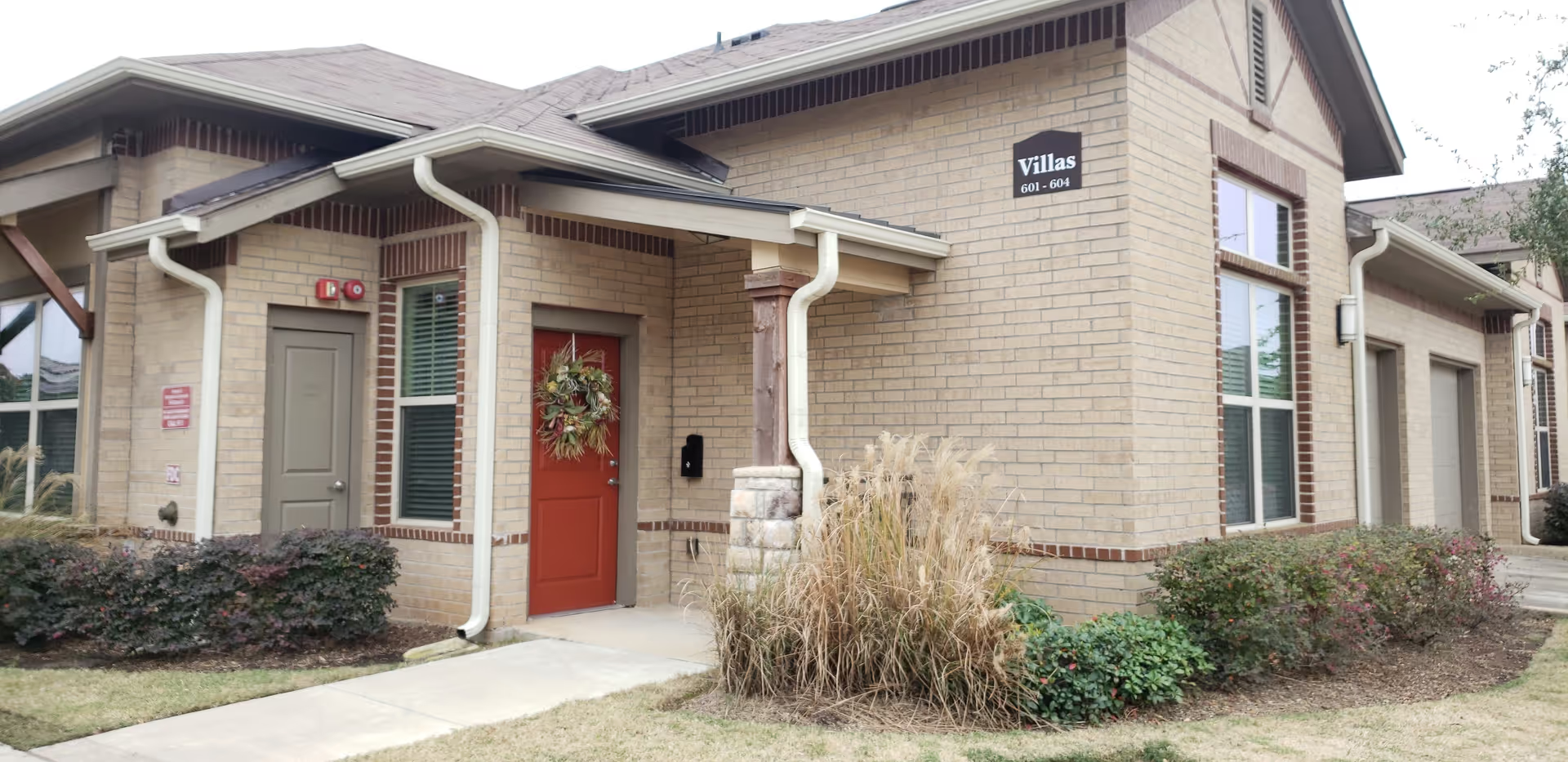
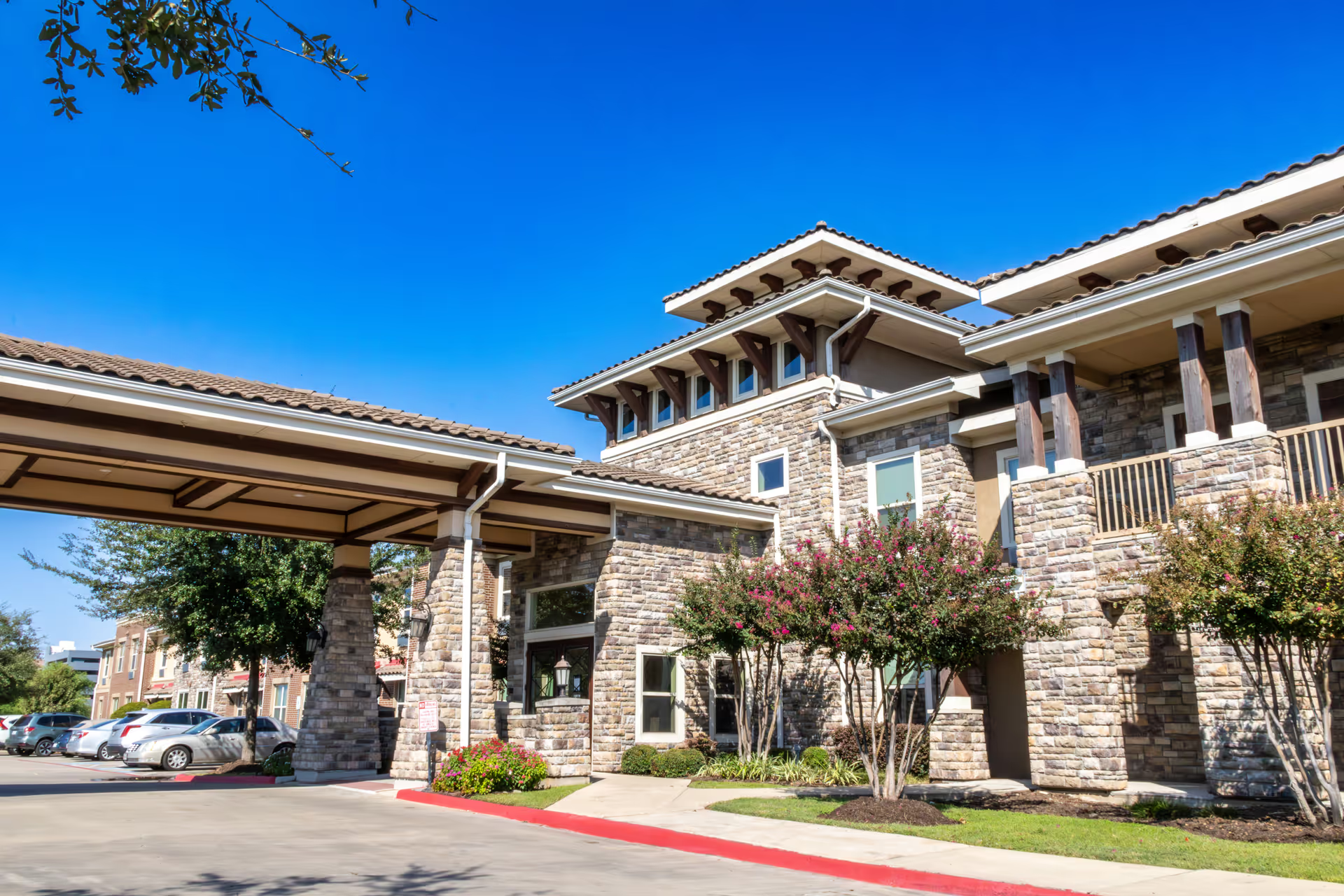
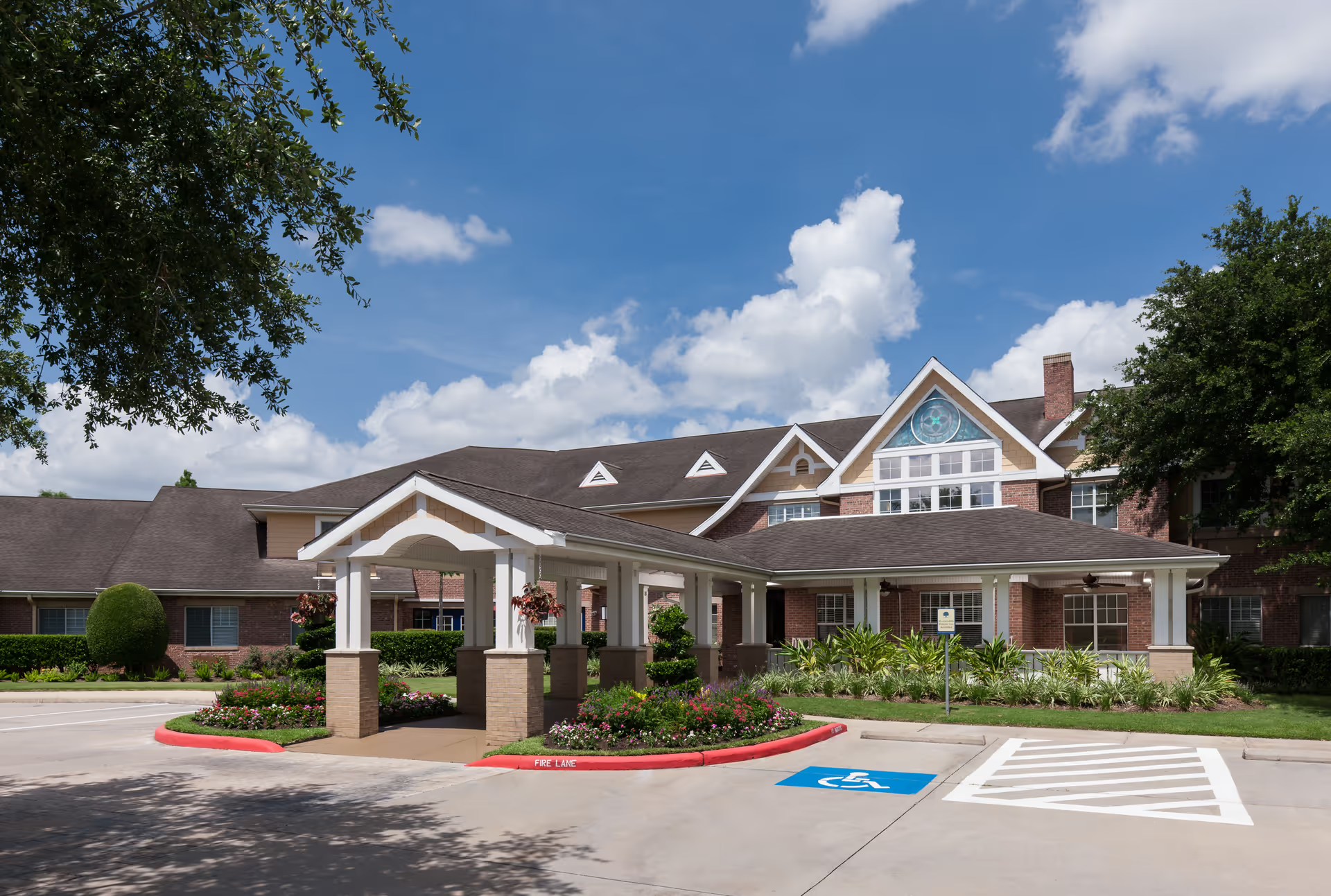
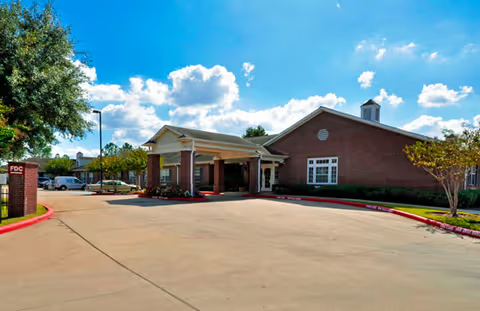
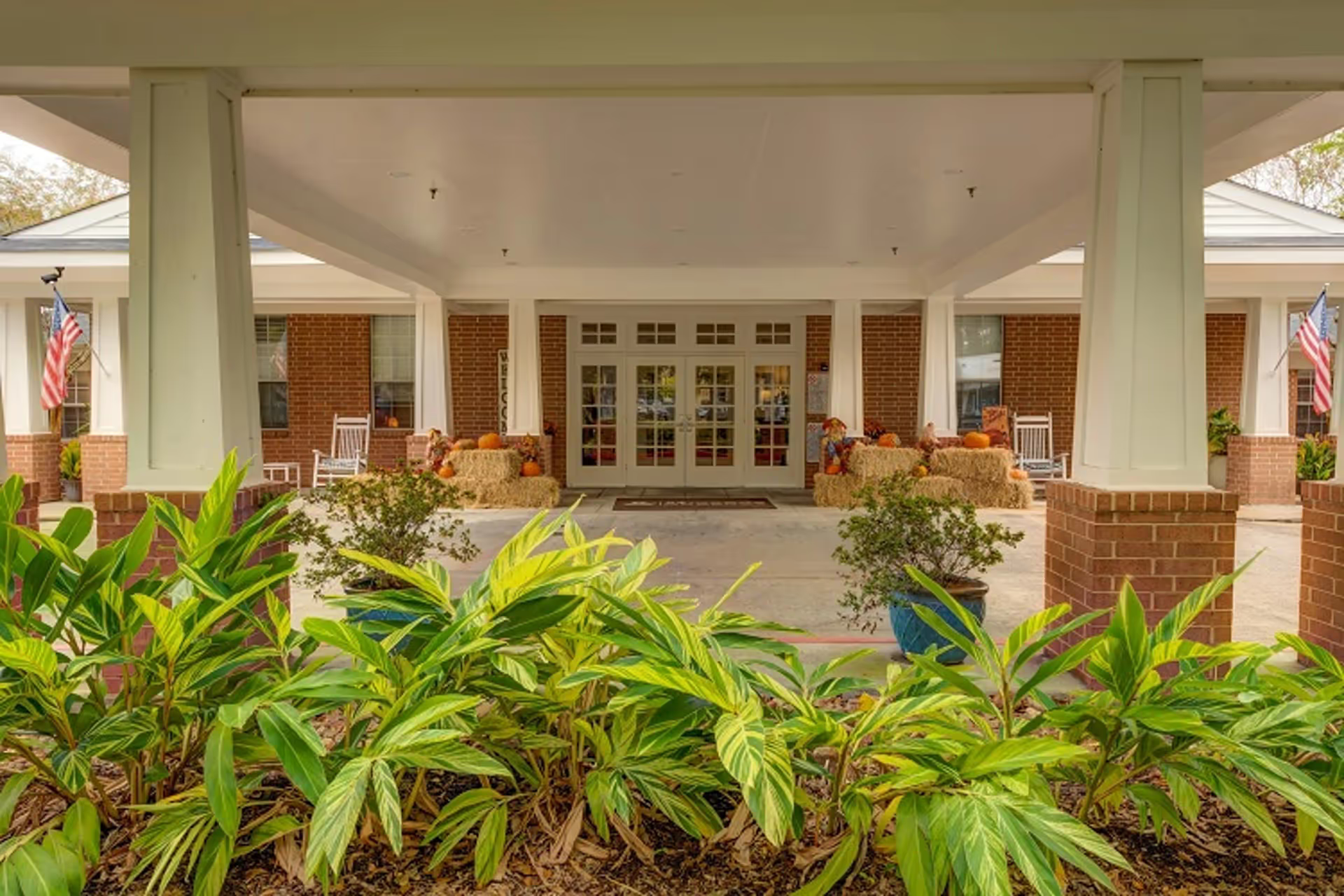
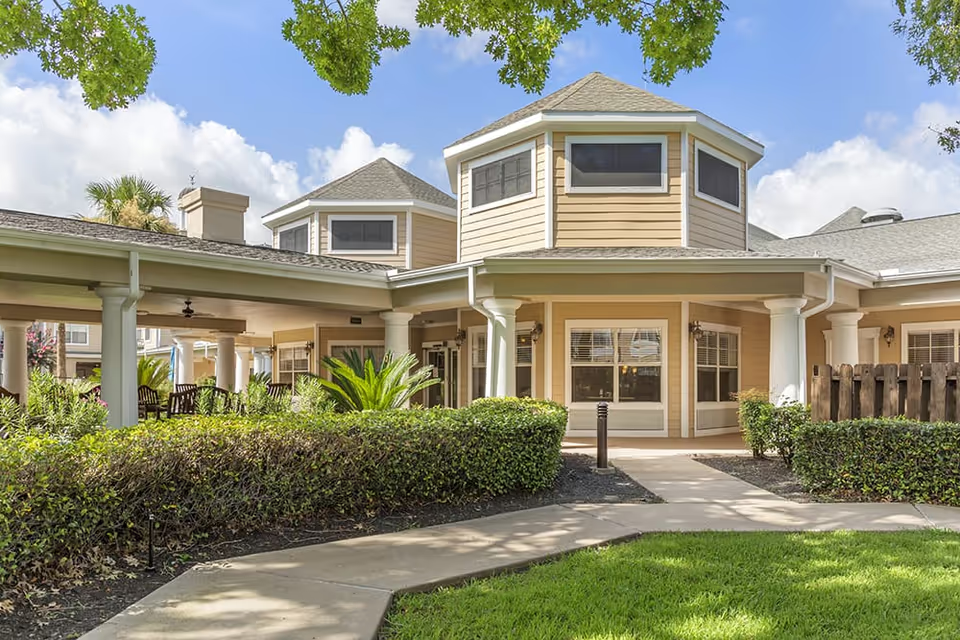
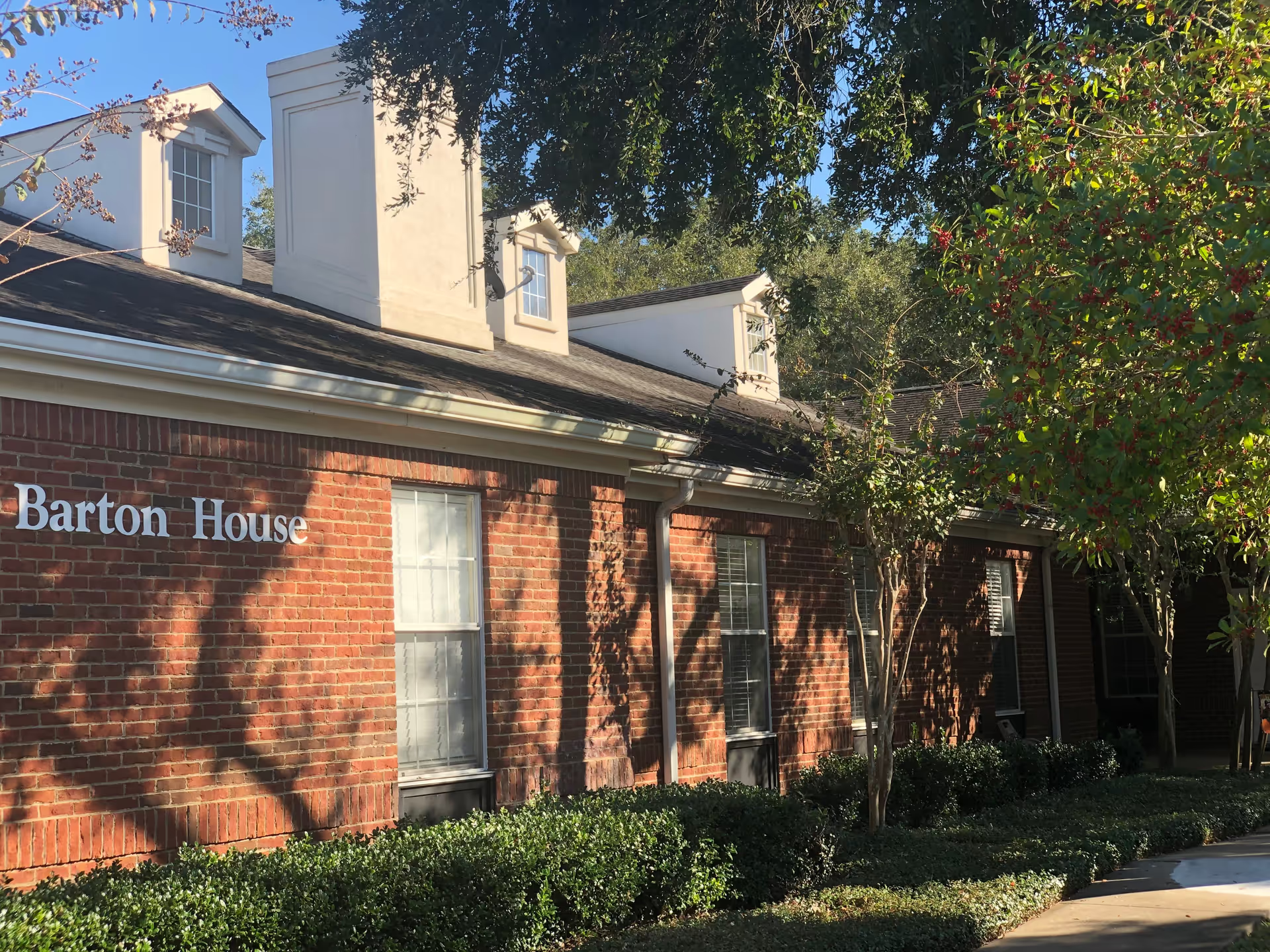
Dining, activities, and facilities: Activity programming and therapy are consistent strengths and contribute to resident morale. Dining quality is inconsistent in the reviews: some families praised meals, while others noted limited variety and suboptimal therapeutic meal options (for example, diabetic diets). Facility cleanliness and presentation are generally described as good in many reports, but there are also intermittent sanitation and odor-control concerns and isolated pest-control issues reported in some units. Physical-environment safety was otherwise adequate in many areas, though reviewers called attention to specific bathing and transfer equipment concerns that merit inspection.
Safety, incident response, and communication: A pattern of delayed clinical responses, inconsistent monitoring, and gaps in documentation and medication processes is evident across multiple accounts. Families reported lapses in timely pain medication, slow call responses, and uneven reporting of clinical events. Communication during incidents and transitions of care is a recurrent stress point: while some administrators and social workers are praised for clear updates and family inclusion, others are described as unresponsive or inconsistent. Visitors also experienced variability in how infection-control visitation rules were implemented.
Notable patterns and practical advice: The overall picture is one of uneven performance: strong rehabilitative resources and many caring employees coexist with operational weaknesses that can affect safety and family trust. Variability by shift, individual staff member, and unit appears to be the principal driver of differing experiences. Prospective residents and families should consider focused questions during tours and admissions: current staffing ratios and nurse-to-resident coverage by shift, medication administration and documentation protocols, wound-care procedures and specialist access, infection-control and visitation policies, housekeeping and pest-control practices, and discharge/transport coordination. Requesting recent state inspection results and asking how the facility addresses identified deficiencies can also be informative.
Conclusion: Sugar Land Health Care Center has demonstrable strengths—notably in rehabilitation, activities, and the efforts of many compassionate staff—but also shows recurring operational challenges in staffing, clinical consistency, communication, dining, and sanitation in parts of the facility. Those strengths and weaknesses are unevenly distributed; careful, specific inquiry during the decision process is advised to assess whether the facility’s current practices align with a prospective resident’s clinical and social needs.