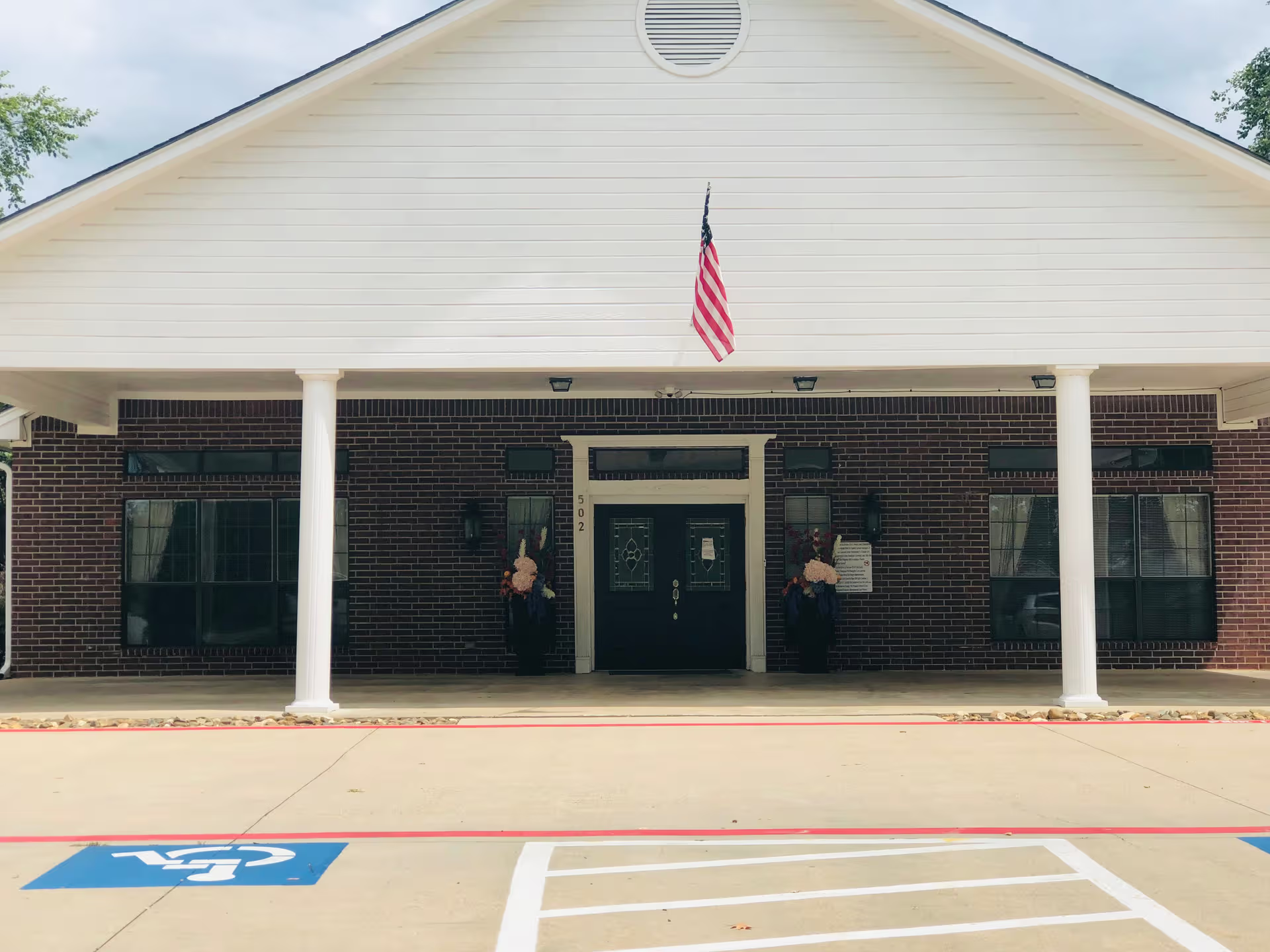
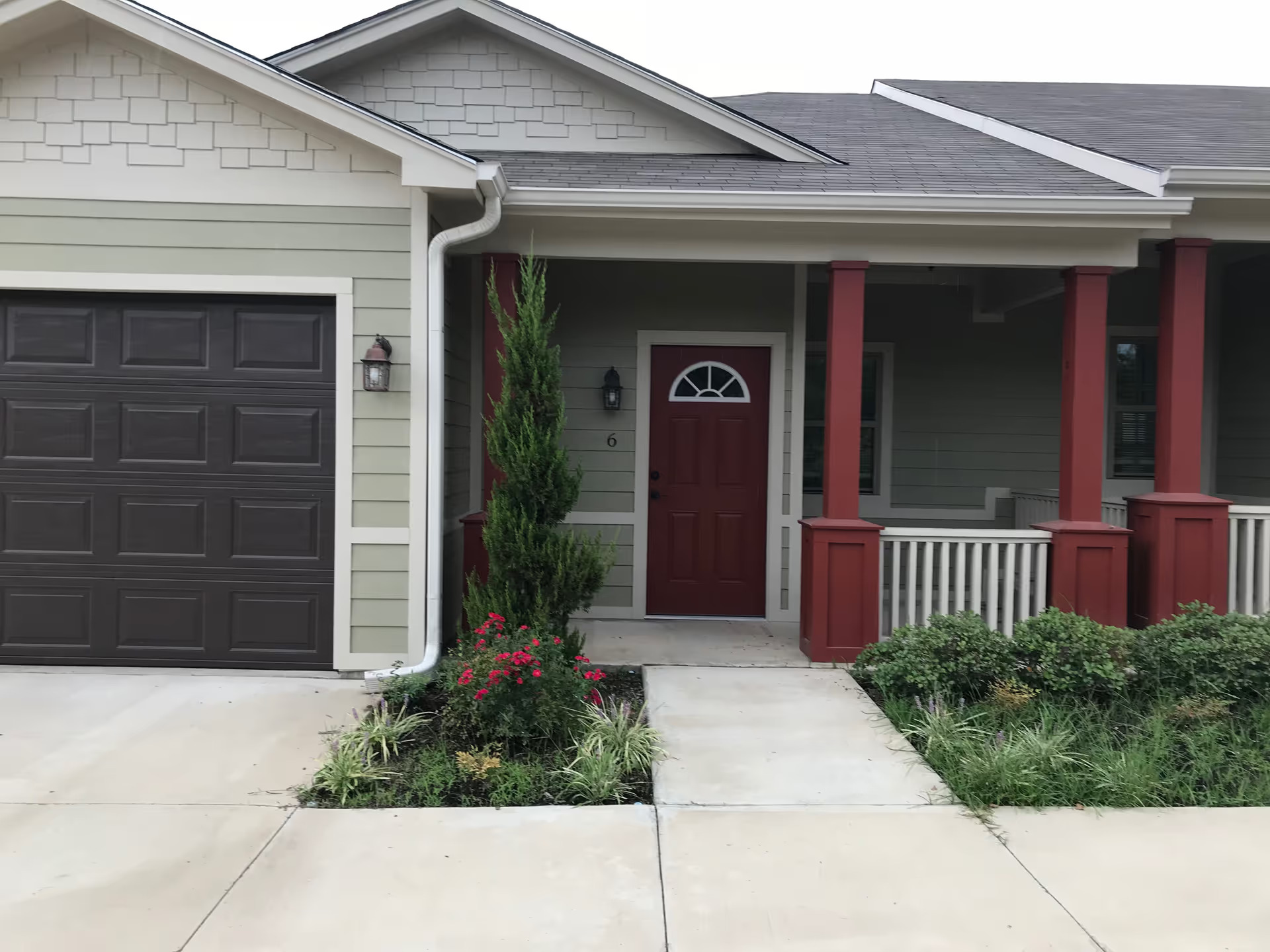
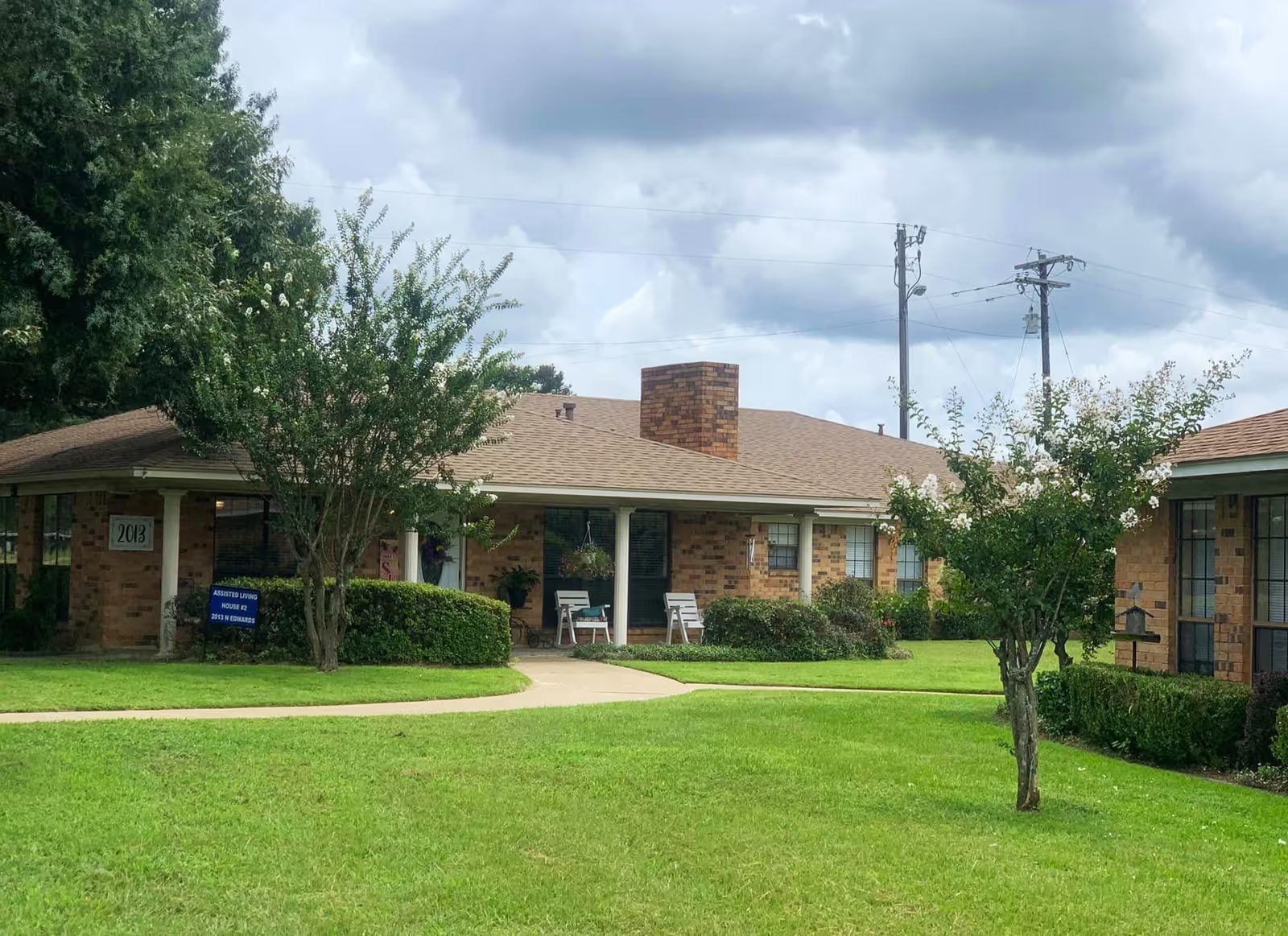
The reviews for Rock Creek Nursing and Rehabilitation describe a facility with clear strengths alongside recurring operational shortcomings. Many families and residents praise the caregiving staff as caring and friendly, and the facility’s therapy department (physical and occupational therapy) receives frequent commendation for effective rehabilitation and mobility improvements. The building itself is often described as attractive and well-maintained, and activity programming and social opportunities are highlighted as positive contributors to resident quality of life. Admissions and some administrative staff are repeatedly characterized as professional and helpful, and several accounts reference responsive clinical follow-up such as wound care and effective infection-response measures.
At the same time, reviewers identify several consistent areas of concern related to direct care and daily operations. Medication management stands out as a significant issue: examples include missed or delayed doses, inconsistencies between documentation and pharmacy records, and slow access to needed medications. Staffing reliability is another recurring theme — understaffing or unpredictable shift coverage appears to contribute to delayed call-light responses, inconsistent bathing and personal-care routines, and delays in medication administration. Those operational gaps are linked by reviewers to broader safety and timeliness concerns such as long waits for pain medication, missed morning medications (including anticoagulants), and delays in arranging medical testing or transportation.
Dining and environmental maintenance are described inconsistently. Multiple accounts describe meals as limited in variety or lacking in quality and temperature, with sandwiches/soup and cold or underwhelming options cited. Conversely, other reviewers report good food and attentive meal service; this suggests variability in food-service execution. Facility cleanliness and upkeep are similarly mixed: many reviewers find the environment clean and pleasant, while others note sanitation concerns and maintenance issues in some resident rooms and bathrooms (for example, nonfunctional fixtures or damaged call devices). Transportation continuity and transfer safety were flagged in a few reports, indicating potential gaps in off-site transfer arrangements or ride availability.
Management and communication are polarized in the feedback. Admissions and certain administrative staff receive consistent praise for compassion and smooth intake processes, but there are also multiple complaints about leadership responsiveness, turnover, and inconsistent follow-through on family communications. Reviewers describe problems such as delayed or missing medical records, difficulties obtaining information, and instances of poor communication tone. Some more serious administrative concerns were raised — including alleged false discharge notices and disputed handling of documentation — which point to weaknesses in incident-accountability, documentation controls, and privacy safeguards.
Overall, Rock Creek appears to provide strong rehabilitative services, an attractive environment, and many compassionate staff members, but the facility also demonstrates operational variability that affects clinical consistency and family confidence. Key areas for improvement based on the patterns described would be strengthening medication-safety processes, stabilizing staffing and shift coverage, standardizing personal-care routines, improving food-service consistency, addressing maintenance and sanitation gaps in resident areas, and tightening communication, records handling, and incident-accountability practices. Prospective residents and families should weigh the facility’s therapy and activity strengths against these operational risks and discuss specific safeguards and policies with management prior to admission.