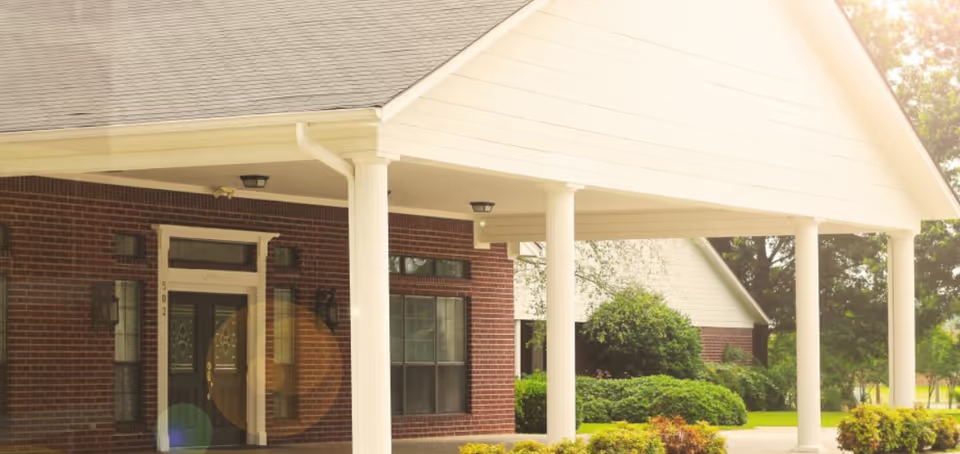
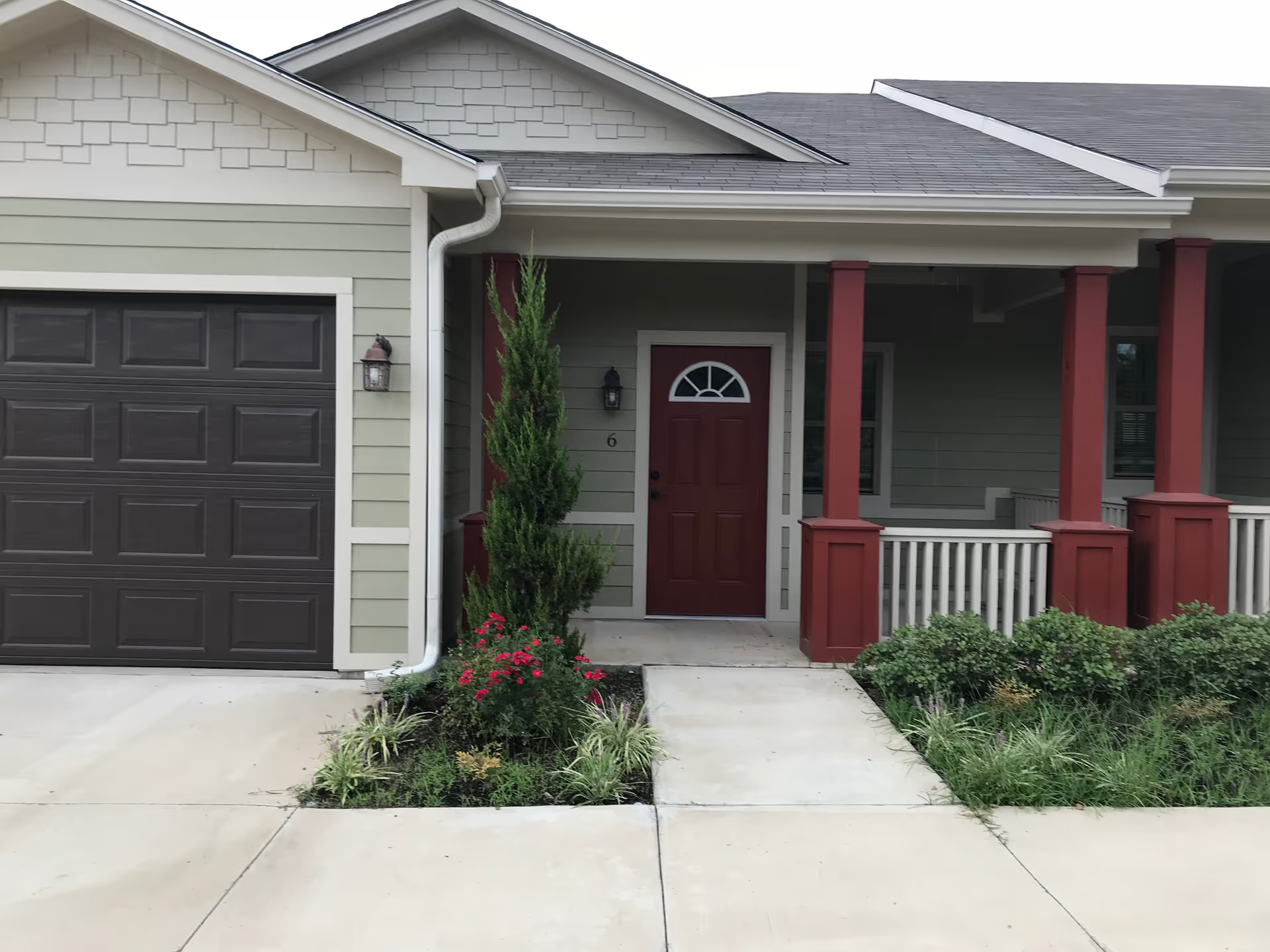
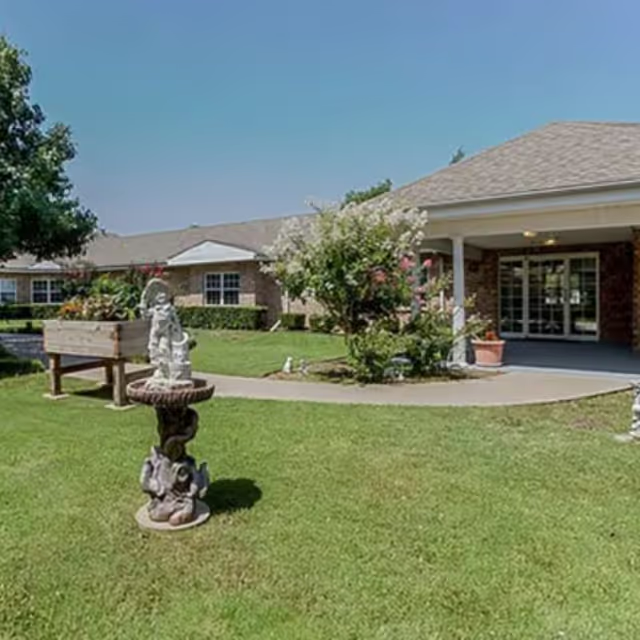
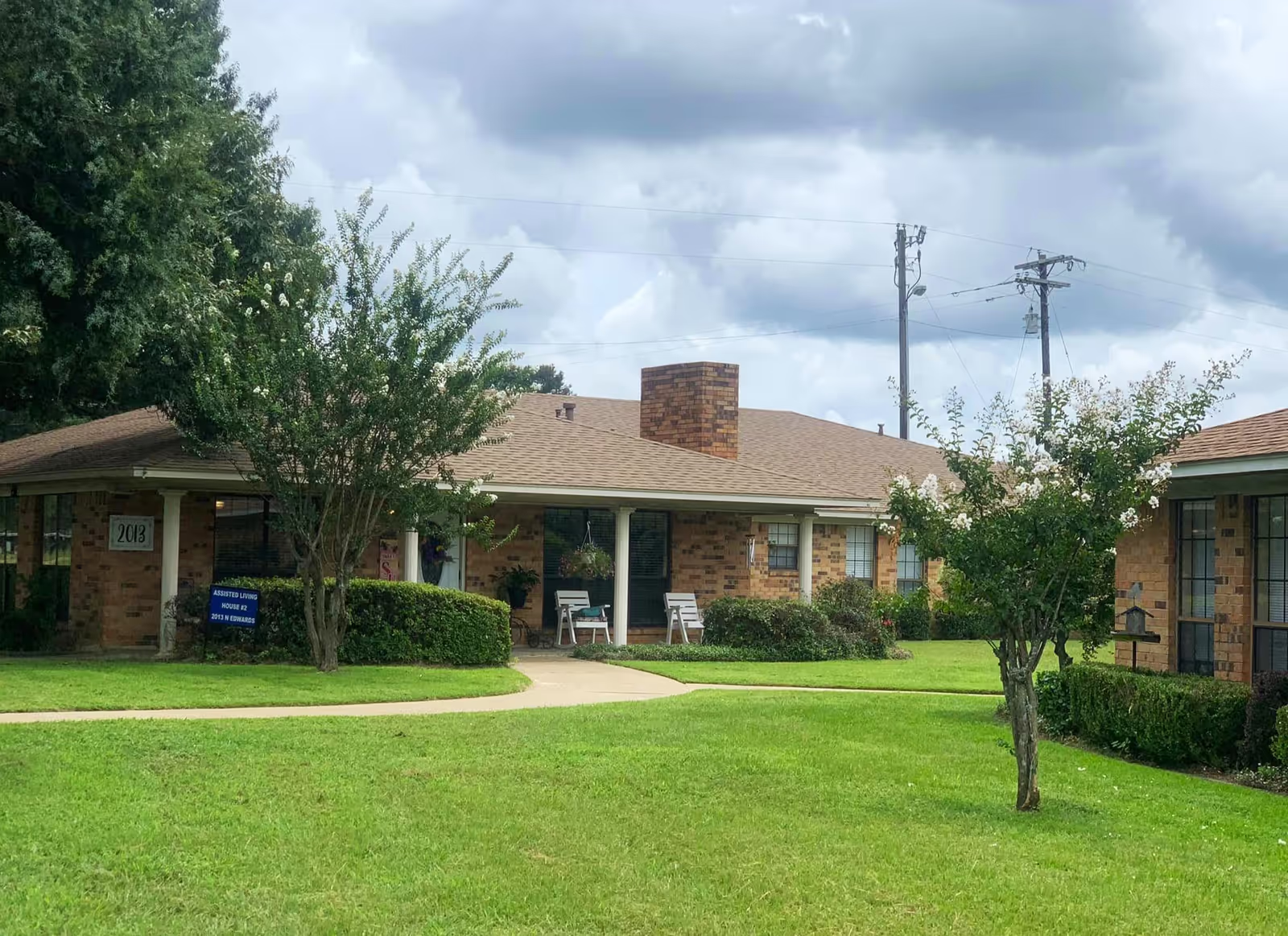
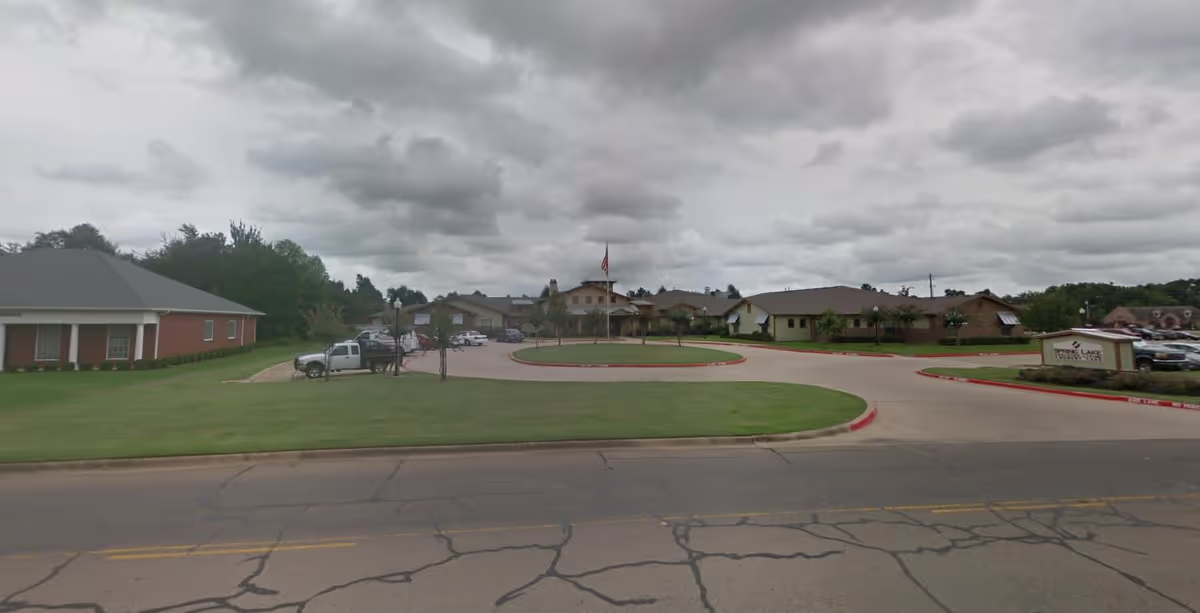
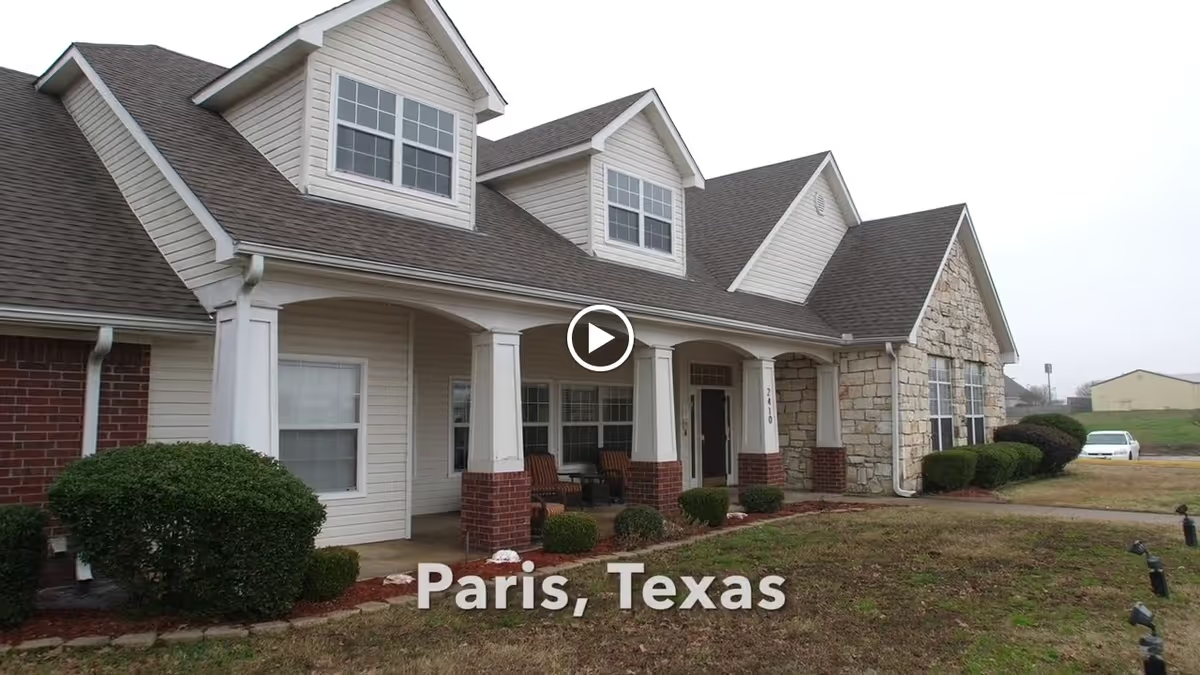
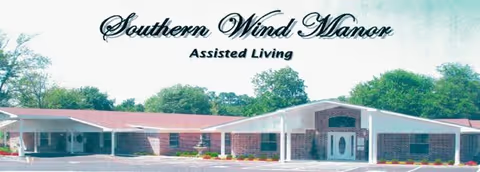
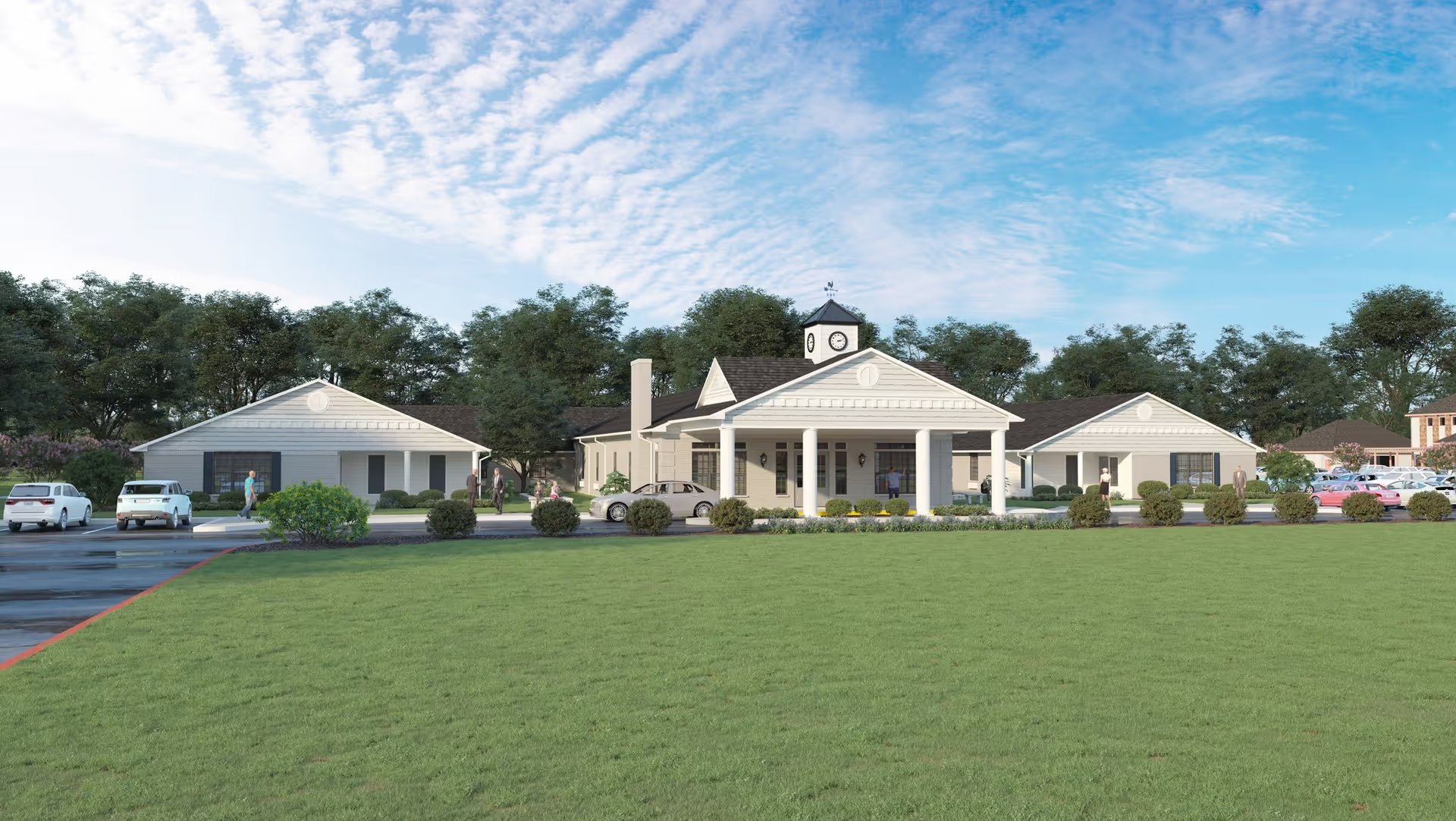
Overall impression: Wesley House appears to be a well-appointed assisted living community with a dedicated memory-care unit, a variety of communal spaces, and an emphasis on social programming. Many reviewers describe bright, apartment-style rooms, attractive dining areas, and well-kept grounds. Long-term residents and families frequently cite a family-like atmosphere and a perceived good value relative to higher-cost alternatives.
Care and staff: Praise centers on attentive, friendly caregiving staff, a relatively high staff-to-resident ratio, and proactive administrative communication. Several accounts describe staff who assist with errands, appointments, and community outings, and who guide families through move-in and care planning. However, there are consistent concerns about uneven caregiver competence and training—particularly around dementia care—resulting in variability in day-to-day care quality and in how challenging clinical needs are handled. One reviewer made an allegation regarding a staff member's professional conduct; while this appears to be an isolated, serious claim, it underscores the importance of verifying staff credentials and training for families with complex care needs.
Dining: The dining experience receives mixed feedback. Many residents and families praise fresh on-site meal preparation, appealing meals, and availability of snacks between meals. Others describe inconsistent or unsatisfactory meal quality, indicating variability in culinary performance or expectations. Prospective residents should inquire about sample menus, dining schedules, and how dietary needs are accommodated.
Activities and social life: The community's activities program is a consistent strength. Reviewers note an extensive schedule that includes arts and crafts, music therapy, puzzle tables, and a large activity room that supports social engagement. This programming appears to be a meaningful contributor to resident satisfaction, especially for those seeking an active social environment.
Facilities and maintenance: Physical spaces are described as clean, bright, and apartment-like, with no pervasive clinical odors noted. Grounds are maintained, and on-campus conveniences such as a garage are appreciated. There are references to past maintenance incidents (for example, a drainage/flooding issue) that were reportedly addressed; this suggests responsiveness but also indicates the value of asking about recent facility repairs and preventive measures.
Management and value: Administrative staff earn positive marks for communication and responsiveness, and several families feel the community delivers strong value compared with more expensive alternatives. At the same time, a subset of reviewers perceives the community as costly. Families should seek transparent fee schedules and clarify what services are included in base pricing.
Notable patterns and guidance: The dominant themes are a welcoming physical environment, robust activities, and many examples of attentive, helpful staff. Counterbalancing those strengths are operational inconsistencies—most notably in dementia-specific care, incontinence management, and variable food quality—which can materially affect residents with higher clinical needs. Prospective residents and their families should ask targeted questions before moving in: details about dementia-care training and staffing ratios by shift; written protocols for incontinence and personal-care support; sample menus and kitchen staffing; recent maintenance history; and verification of staff credentials. Doing so will help match a resident's clinical and lifestyle needs to the community's operational strengths and limitations.