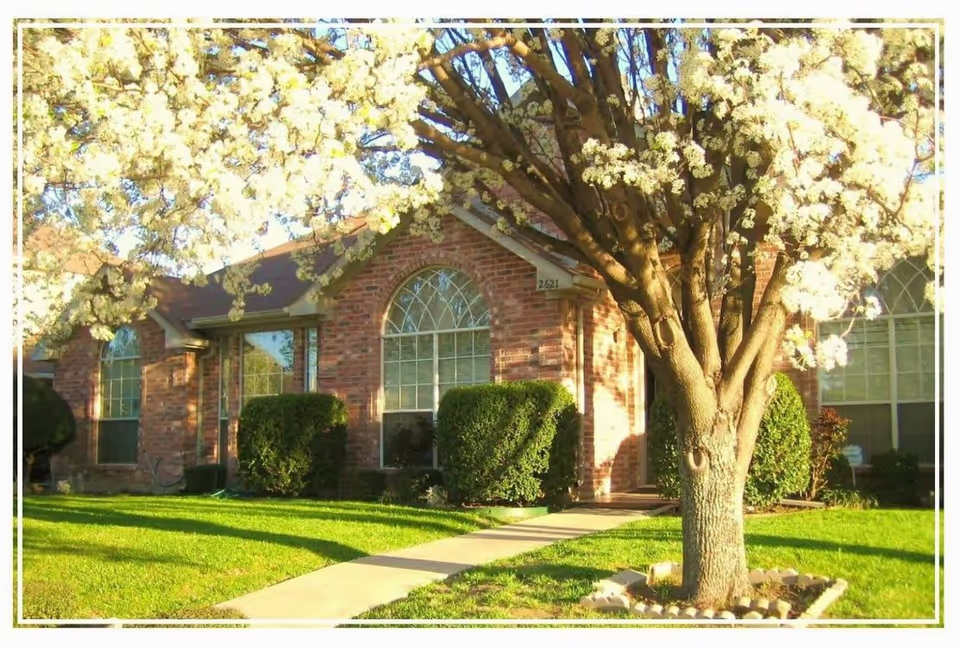
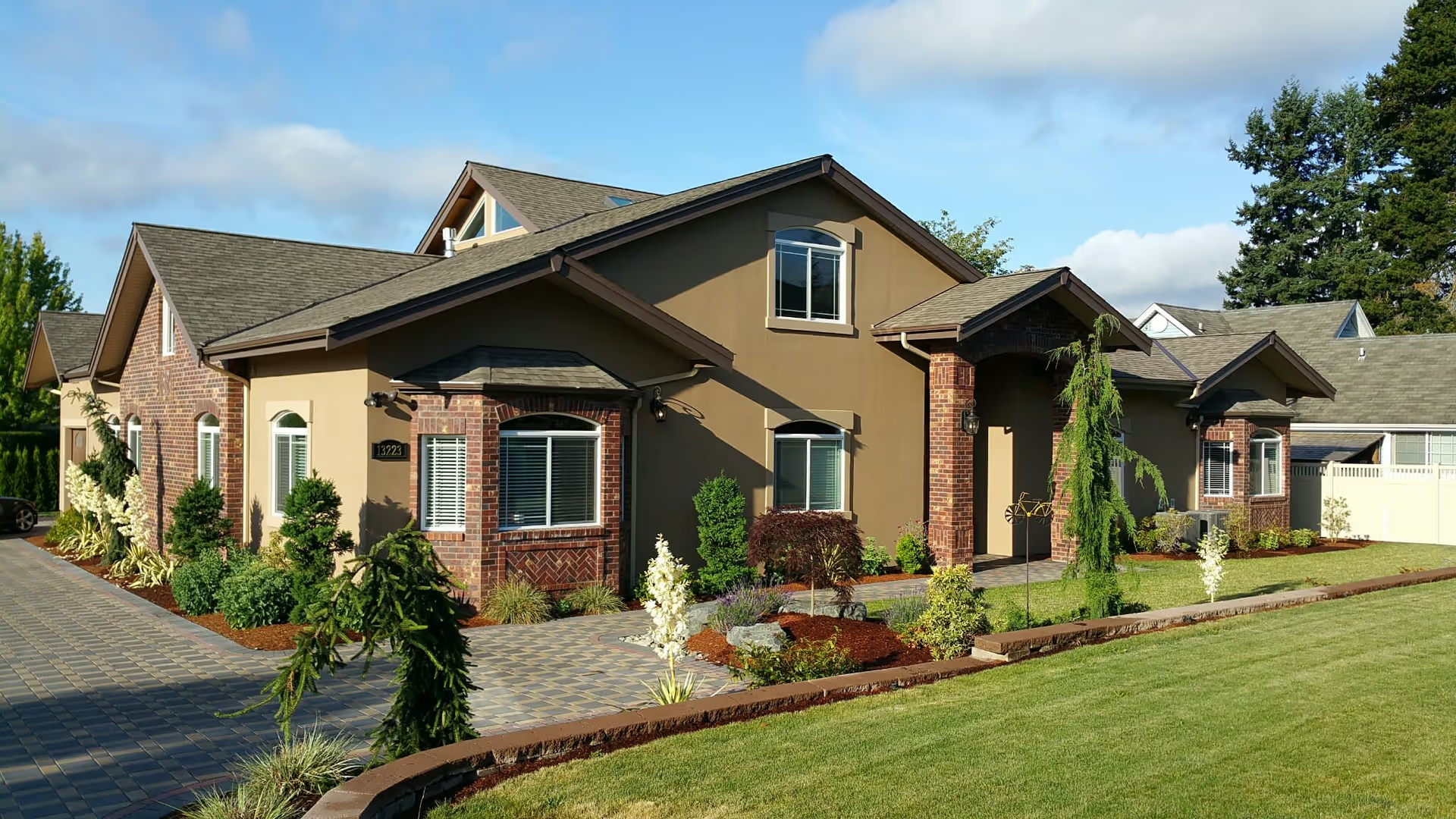
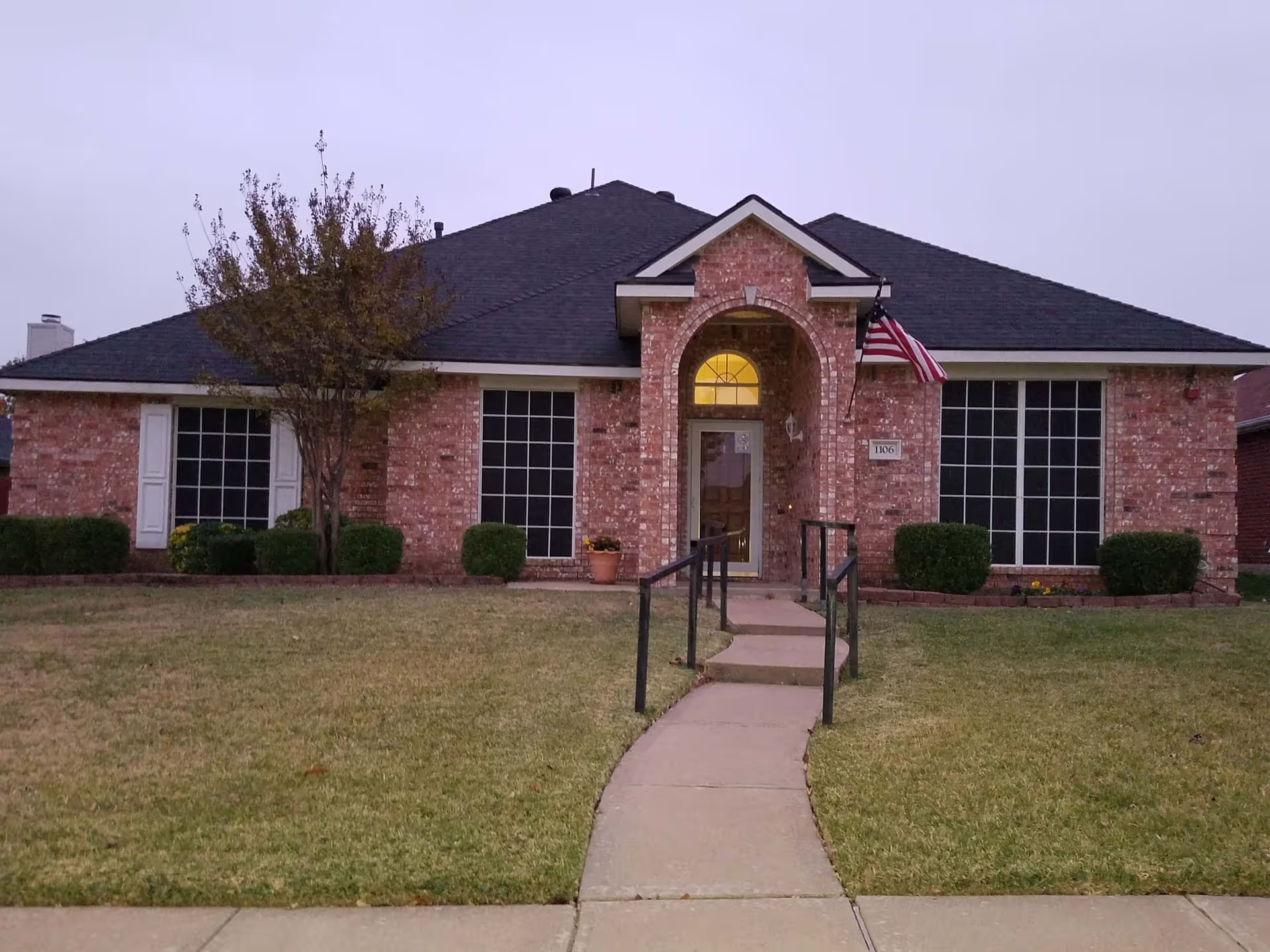
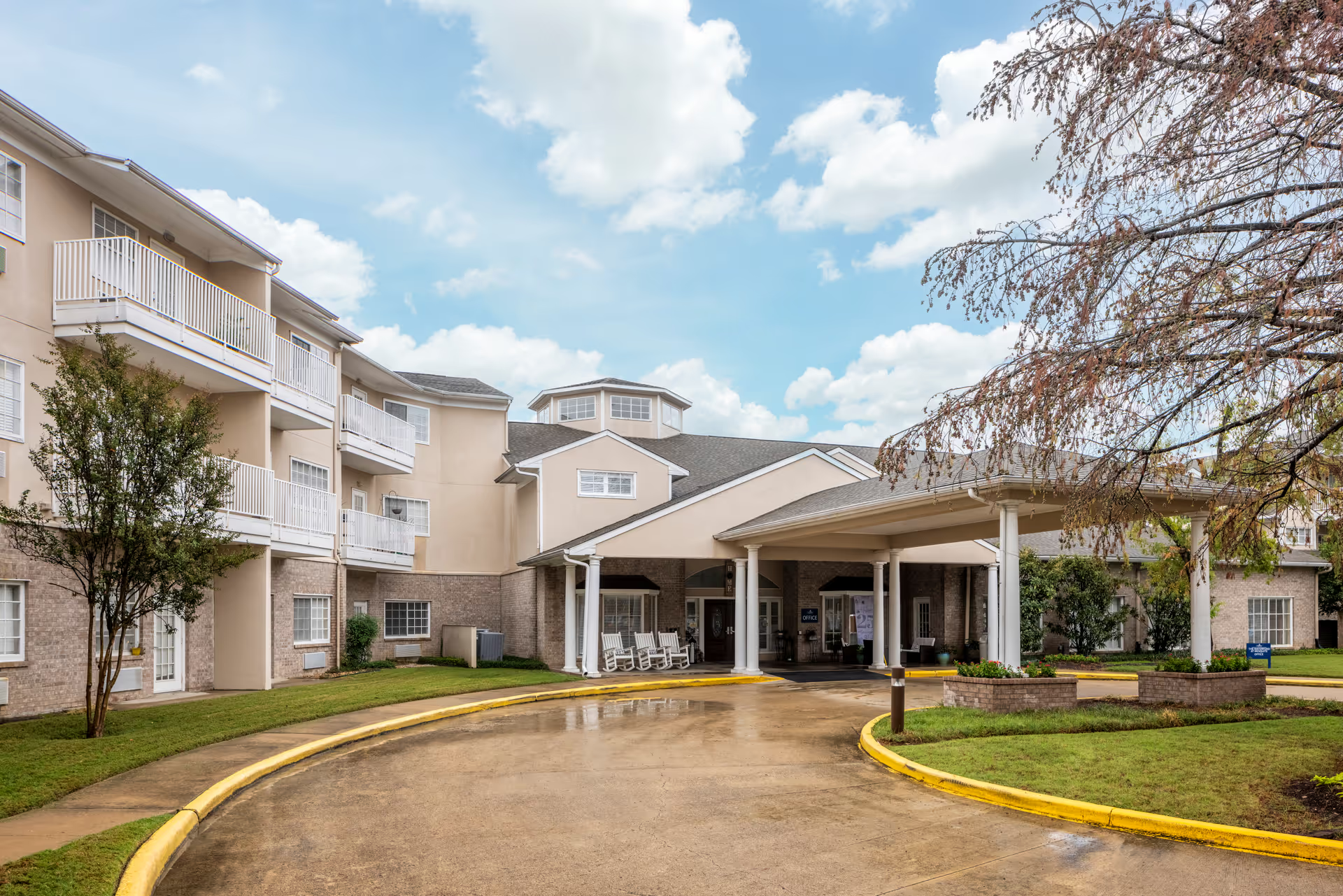
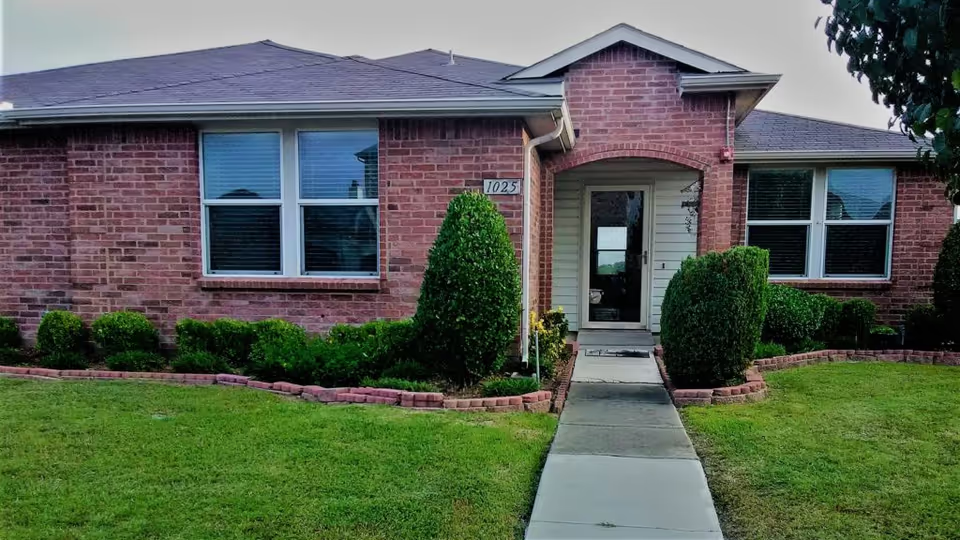
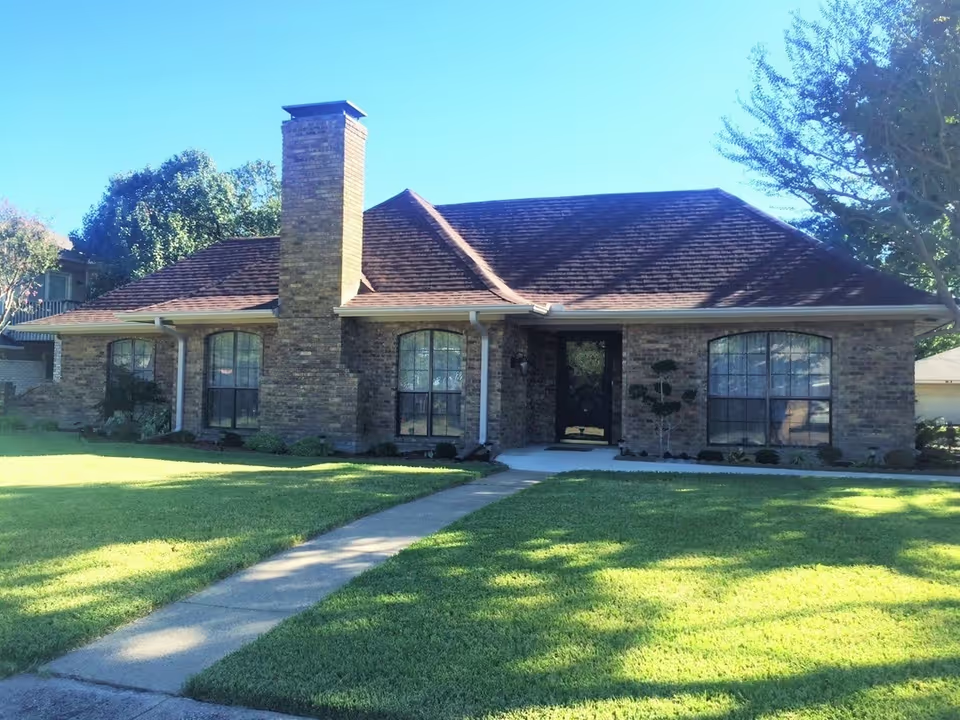
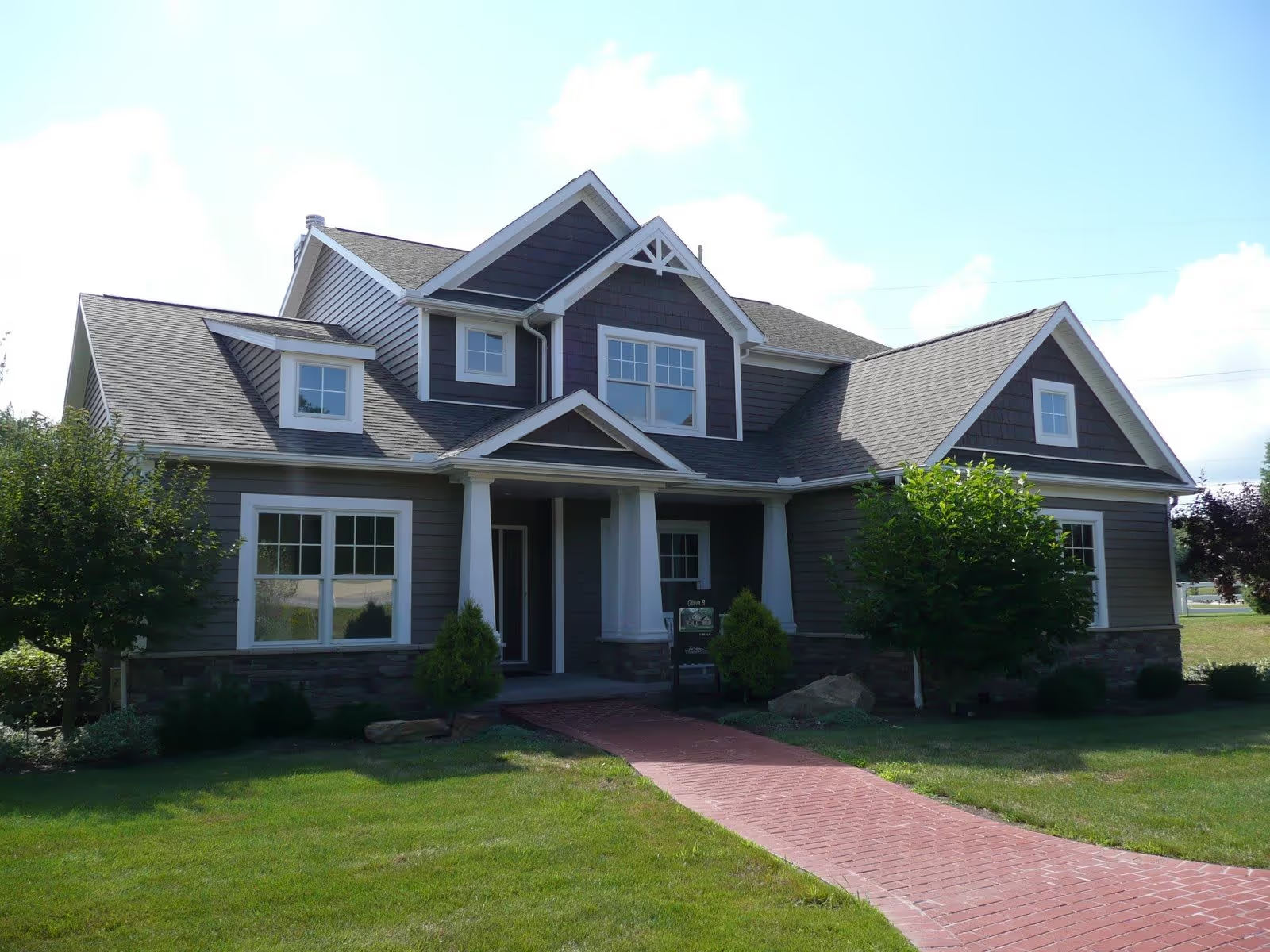
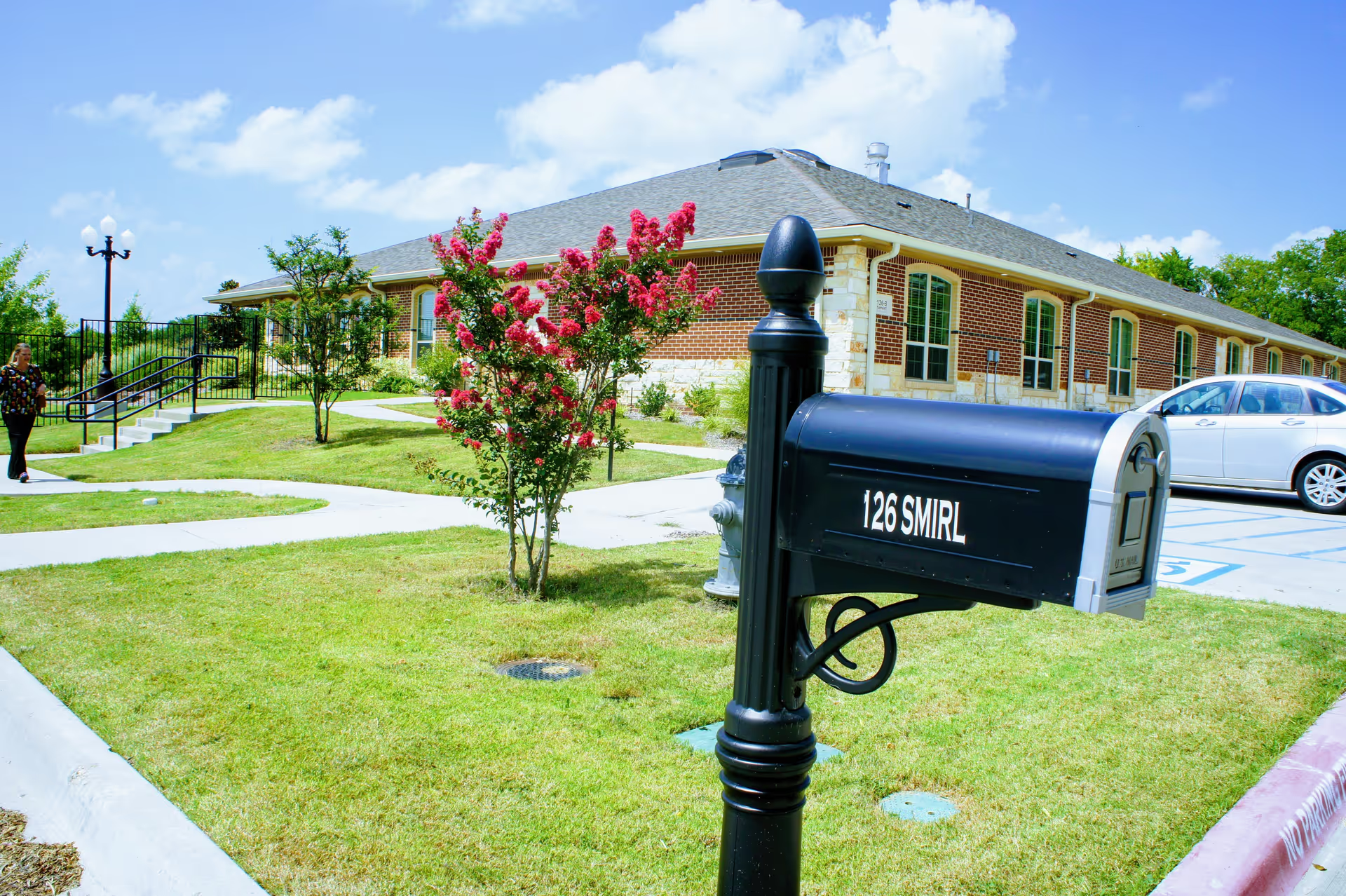
Long Creek is consistently described as a high-quality physical environment with notable strengths in hospitality-style amenities. Reviewers emphasize the attractive design, spacious apartments, landscaped courtyard, secure layout, and hotel-like public areas. On-site amenities such as a salon, rehabilitation services (PT), nurse practitioner visits, podiatry, transportation, and life-alert/round-the-clock checks support a broad range of resident needs. The community offers frequent events and a robust calendar of activities, and many families highlighted a welcoming atmosphere and strong social engagement, particularly for independent residents.
Direct-care staff, activity leadership, and memory-care teams receive frequent praise. Multiple accounts describe caring, attentive aides and activity staff who create engaging programming and community events. Memory-care expertise and individualized dementia-focused approaches were cited as strengths, and family communication and access to residents are often described as responsive and reassuring. Dining is regularly noted as a positive feature: chef-prepared, restaurant-style meals with varied choices, accommodating preferences, and generous portions come up repeatedly as strengths.
Despite these positive elements, a recurring pattern of operational weaknesses surfaces across reviews. Staffing instability is the most consistent concern — high turnover among caregivers and med-techs, gaps in night and weekend coverage, and difficulties retaining aides. These staffing issues are associated with delayed responses to call lights, slower assistance at night, and concerns about continuity of care. Related clinical issues include medication-management weaknesses (medication errors and missing medications) and inconsistent clinical supervision, which reviewers linked to increased risk for residents who require hands-on assistance.
Housekeeping and service consistency present another mixed area. While common areas are often described as well-kept, several families noted inconsistent laundry and housekeeping quality, including variable linens and room-level sanitation concerns. Some residents and families also expressed worries about billing transparency and fee practices, with questions about community fees and charge approvals. Management-level patterns include leadership turnover, uneven communication or follow-through from administration, and variable responsiveness to family concerns; these issues appear to compound operational problems when staffing or clinical gaps arise.
For prospective residents and families, Long Creek offers strong amenities, an active social program, and a welcoming physical environment that many residents and families appreciate. At the same time, the facility demonstrates operational challenges around staffing, medication controls, night/weekend coverage, and service consistency that may affect those with higher acuity or hands-on care needs. When evaluating Long Creek, families should ask specific, documentable questions about current staffing levels and turnover, medication-administration protocols and error-tracking, night and weekend staffing ratios, housekeeping and laundry schedules, leadership tenure, fee and billing policies, and references from recent families. Observing the community at shift change and speaking with clinical leadership can help clarify whether current operational practices match the facility’s strong amenity and activity offerings.